אָנזאָג-ייקאַן
קומט מיט אין אונדזערע אליין, פּריוואַטע, משפּחה און קליינע גרופּע רייזעס פּלאַן דיין יאַזדע

Mount Kailash tour from Lhasa

טריפּ-עקספּערט-פּורו-טימאַלסענאַ

דאַרפֿסטו הילף? לאָמיר רעדן

+ קסנומקס קסנומקס-קסנומקס

בעסטער פרייז געראַנטירט, גרינג צו טוישן דאַטע, רעגע באַשטעטיקונג

ספר דעם יאַזדע
יאַזדע געדויער קסנומקס טעג
גרופע גרייס קסנומקס-קסנומקס מענטשן
מאַקסימום הייך קסנומקס ב
שוועריקייט גראַד מעסיק
אָנהייב און ענדפּונקט להאַסאַ/להאַסאַ
בעסטער סעאַסאָנס מערץ-מאי, סעפטעמבער-נאוועמבער

Trip Highlights of Mount Kailash tour from Lhasa

  • Visit the culture and historical sites in Lhasa.
  • Visit the famous Potala Palace and Jokhang Temple.
  • Cross the Tibetan Plateau with variable terrain.
  • Visit the holy Lake Mansarovar.
  • Complete the famous three-day Kailash Kora.
  • Explore Tibetan monasteries and towns of interest.
  • Cross high mountain passes with panoramic views of Tibet.
  • Explore Tibetan Buddhism and the local culture.
  • Experience a well-planned Kailash Mansarovar yatra from Lhasa.
  • Explore some of the best pilgrimage sites in Asia.

Overview of Mount Kailash tour from Lhasa

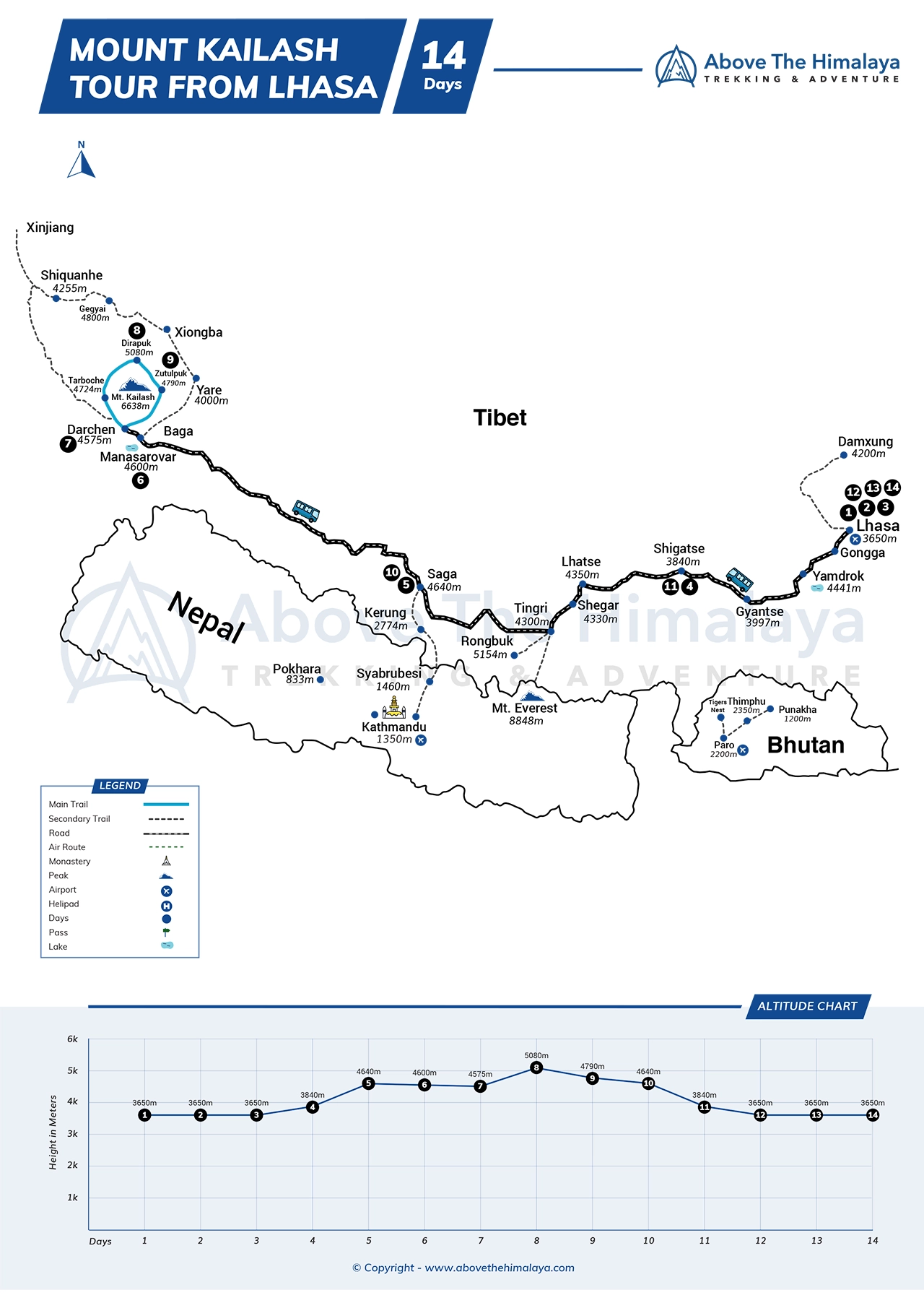
Kailash tour from Lhasa is a 14 days trip that brings together the cultures of Tibet, religious pilgrimages sites and mountains into a single travel experience at the high altitude. The tour is also ideal to the tourist who is interested in learning the historical centre of Tibet and at the same time exploring the holy Mount Kailash and the lake Mansarovar area. The trip takes a slow path through Lhasa to western Tibet, where a person will have time to explore the area, acclimatize, and have a spiritual experience.

The journey starts in Lhasa, which is the cultural and religious hub of Tibet. We will take some days to see various key sites, monasteries and temples and give our body time to acclimatize to the height. It is in the course of this period that we will explore sites that will give us more insight on the Tibetan Buddhism, local culture and the long history of the area. The culture is introduced in Lhasa through streets, monasteries and daily life which is followed throughout the journey.

As the Kailash tour from Lhasa moves further west, the landscape slowly shifts to include bustling towns to open grasslands, wide valleys, mountain passes, and isolated Tibet settlements. The path goes over Shigatse and Saga to the holy area of Lake Mansarovar. In the process, we will enjoy the varying topography and also understand how life is in some of the most isolated areas of Tibet.

Lake Mansarovar is considered to be one of the most sacred lakes in Asia and a vital attraction site to pilgrims of various religions. The serene environment, clean lakes and the sight of Mount Kailash is a unique environment to the visitors. Most tourists say that their experience at the lake was one of the most significant experiences during the trip.

The main highlight of the Mount Kailash tour is the three-day Kailash Kora, a pilgrimage circuit around the sacred mountain. In this part of the journey, we get to pass through valleys, mountain tracks, monasteries and mountain passes and get close to Mount Kailash. The kora is believed to be a significant spiritual journey to many pilgrims and travelers.

With Above the Himalaya, this Kailash Mansarovar yatra from Lhasa is planned with proper acclimatization, experienced support, comfortable transportation, and a balanced itinerary. The trip is an integration of culture, pilgrimage, nature and adventure, which is a fulfilling experience to those who are willing to explore Tibet and its holy sites to have a closer attachment with Tibet.

Why This Tour should be on your Bucket List

The Kailash tour from Lhasa is a combination of culture, spirituality and history and the natural beauty in one trip. It enables the tourists to immerse into the core of Tibet as they visit some of the most revered pilgrimage sites in Asia.

Visiting the Mount Kailash and Lake Mansarovar is one of the reasons why many people prefer this tour. These holy sites have been the focus of pilgrims over the centuries and they still remain with great religious significance to various religions. Visiting these locations, travelers can have a look at traditions that have been significant since centuries.

The other reason is the diversity of the scenery along the route. Throughout the trip we pass through ancient cities, broad valleys, mountain ranges, lakes and small hamlets. The scenery changes regularly, making each travel day interesting and rewarding.

The cultural experience is also significant. The Kailash tour from Lhasa covers the monasteries, temples and the traditional communities of Tibet where the local traditions and beliefs are still part of their lives. The experiences are more insightful into the Tibetan culture and heritage.

The Mount Kailash expedition also provides an individual feeling of accomplishment. It takes stamina and time to complete the Kailash Kora, particularly at the higher altitudes. Most of the travelers believe that this is one of the most valuable experiences in their lives.

The Kailash Mansarovar yatra from Lhasa offers a balanced experience to those who wish to find a balance between the cultural exploration and the spiritual one. Travelers will have the opportunity to explore Tibet comfortably and witness some of its most revered places with the help of Above the Himalaya and proper planning.

Major Attractions and Sacred Sites

The Kailash tour from Lhasa will take you through some of the most significant cultural, spiritual and natural sites of Tibet. You will start the trip in Lhasa, visiting the most popular Potala Palace, traditional dwelling of Dalai Lamas, Jokhang Temple, and Barkhor Street, which are still significant sites of Tibetan Buddhism and local life.

We will then proceed to Yamdrok Lake, which is one of the holy lakes in Tibet that has blue waters and mountainous environment. It is also a trip to Tashilhunpo Monastery in Shigatse, a significant monastery that relates to Panchen Lama and Tibetan Buddhism.

The scenery gets even more isolated further west, when we head to Lake Mansarovar, a holy lake frequented by pilgrims of various religions. A lot of visitors spend their time here in the serene environment and the sight of Mount Kailash. The lake is considered a place of spiritual importance and reflection.

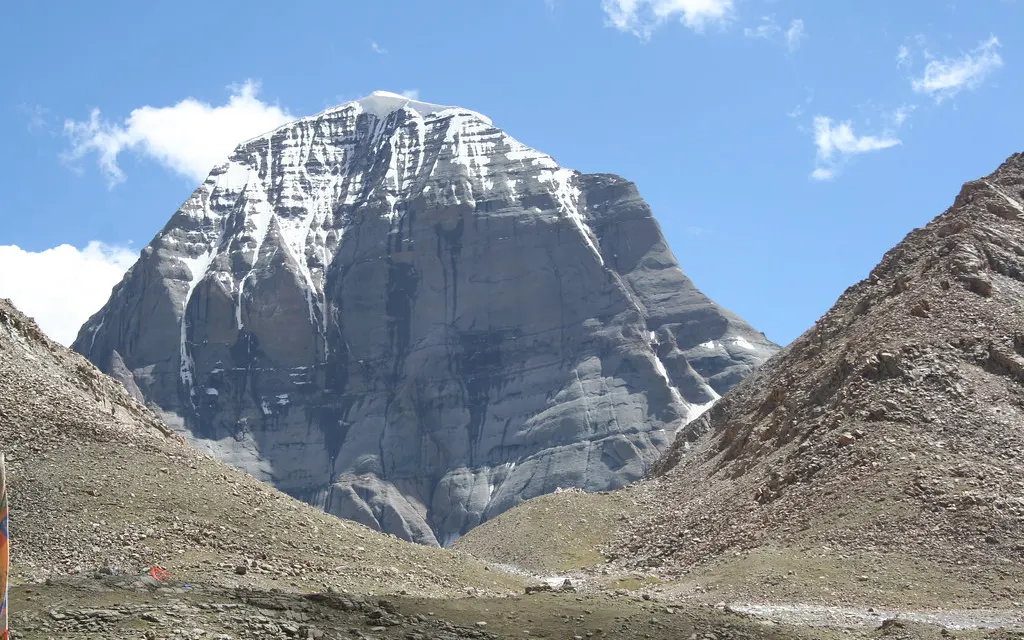
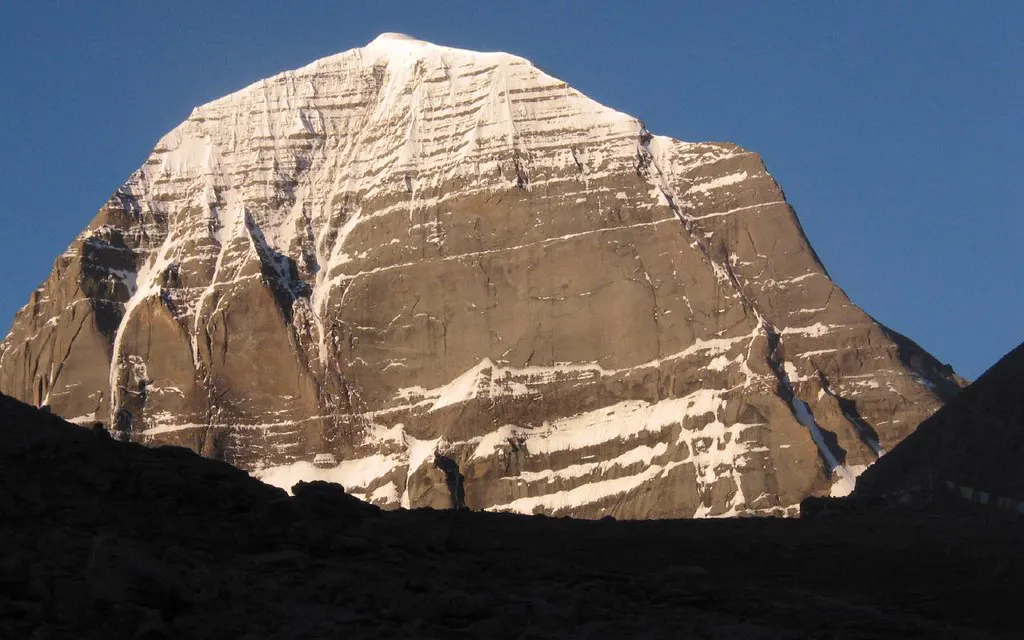
The sacred mountain is the primary attraction of the Mount Kailash tour. Mount Kailash is the sacred mountain of Hindus, Buddhists, Jains, and Bon followers, and it is a destination of pilgrims worldwide. The Kailash Kora is a three-day trek that takes us through Yamadwar, Dirapuk, Dolma La Pass, and Zutulpuk, giving good opportunities to see the mountain closely and have an experience of pilgrimage.

Kailash Mansarovar yatra from Lhasa is a combination of culture, spirituality, and the unique mountainous scenery of Tibet.

Itinerary of Mount Kailash tour from Lhasa

טאָג
01

טאָג קסנומקס: Arrival in Lhasa (3,650 m)

Upon arrival at Lhasa Airport, our representative will meet you and transfer you to your hotel in the city. The drive provides a glimpse of the first sights of the Tibetan Plateau and the landscapes in the area.

The remainder of the day is spent in rest and acclimatization after the check-in. Lhasa is a city at high altitude and therefore, it is good to take everything easy on the first day so that your body adapts slowly.

You may take a short walk around the hotel area if you feel comfortable, but avoiding strenuous activity is recommended. Overnight stay in Lhasa.

מאַשין קסנומקס הר
אַקקאָממאָדאַטיאָן האָטעל
הייך קסנומקס ב
טאָג
02

טאָג קסנומקס: Tour of Lhasa City

We will start today with the cultural and religious sights of Lhasa. The tour will also visit the famous Potala Palace which was the traditional house of the Dalai Lamas and it is one of the most significant places in Tibet.

We will also later tour the Jokhang Temple which is one of the most sacred temples in Tibetan Buddhism. This is a sacred place where pilgrims come throughout the year, all over Tibet.

We will also have time in and around Barkhor Street where we can find the traditional Tibetan culture, local markets and religious activities. Overnight stay in Lhasa.

מאַשין גאַנץ טאָג
אַקקאָממאָדאַטיאָן האָטעל
מילז פרישטיק
הייך קסנומקס ב
טאָג
03

טאָג קסנומקס: Tour of Lhasa City

Today we continue exploring Lhasa with visits to important monasteries and cultural sites around the city. These destinations will offer more insight into the Tibetan Buddhism, local culture, and life.

The day will provide a chance to get to know more about the history of Tibet and to proceed with the acclimatization process. The additional day in Lhasa will assist in acclimatizing to the higher altitudes that are to be experienced.

We tour the sightseeing spots after which we go back to the hotel and get ready to do the overland trip to western Tibet. Overnight stay in Lhasa.

מאַשין יינ מאָל
אַקקאָממאָדאַטיאָן האָטעל
מילז פרישטיק
הייך קסנומקס ב
טאָג
04

טאָג קסנומקס: Lhasa to Shigatse (3,900 m) – 354 km

We will depart Lhasa after breakfast and start the drive to Shigatse. The road goes through picturesque valleys, mountainous landscapes, and a number of vistas on the way.

A beautiful lake with blue water and an environment of mountains is one of the highlights of the present journey which is called Yamdrok Lake. The changing scenery makes this one of the most enjoyable driving days of the tour.

In the evening we will reach Shigatse, the second-largest city in Tibet. Overnight stay in Shigatse.

מאַשין 6-7 שעה
אַקקאָממאָדאַטיאָן האָטעל
מילז פרישטיק
הייך קסנומקס ב
טאָג
05

טאָג קסנומקס: Shigatse to Saga (4,640 m) – 495 km

Today we continue westward across the Tibetan Plateau. The highway traverses isolated valleys, open grasslands, small villages, and mountainous landscapes.

The farther we go out of the bigger cities, the more open the scenery and less people. Varying weather conditions might allow the view of distant snow-covered mountains on the way.

By late afternoon, we will reach Saga, an important stop on the route to Mount Kailash. Night in Saga.

מאַשין 7-8 שעה
אַקקאָממאָדאַטיאָן האָטעל
מילז פרישטיק
הייך קסנומקס ב
טאָג
06

טאָג קסנומקס: Saga to Lake Mansarovar (5,200 m) – 560 km

Today is one of the most important days of the Kailash tour from Lhasa as we travel toward the sacred Lake Mansarovar. Our path leads us through isolated areas of western Tibet with panoramic vistas of mountains, valleys, and open landscapes.

As we get closer to the lake, the scenery becomes more dramatic and the spiritual significance of the region becomes increasingly noticeable. During clear days, the travelers might have the first glimpses of the Mount Kailash.

After reaching Lake Mansarovar, we will take our time to admire the serene environment after which we will be able to settle in our accommodation. Overnight stay near Lake Mansarovar.

מאַשין 7-8 שעה
אַקקאָממאָדאַטיאָן גאסט הויז
מילז פרישטיק
הייך קסנומקס ב
טאָג
07

טאָג קסנומקס: Lake Mansarovar to Darchen (4,560 m) – 35 km

This morning, we will spend additional time at the shores of Lake Mansarovar. Many travelers choose to walk around the lake area, enjoy the scenery, or simply appreciate the peaceful atmosphere of this sacred site.

Then we will go to the small town of Darchen at the feet of the mountain Kailash. Darchen serves as the starting and ending point of the famous Kailash Kora.

The rest of the day is spent in rest and preparation prior to the commencement of the trek around Mount Kailash. Overnight stay in Darchen.

מאַשין קסנומקס מינס
אַקקאָממאָדאַטיאָן גאסט הויז
מילז פרישטיק
הייך קסנומקס ב
טאָג
08

טאָג קסנומקס: Darchen – Yamadwar – Trek to Dirapuk (5,210 m)

After breakfast we shall make a brief ride to Yamadwar, the conventional commencement of the Kailash Kora. From here, we begin our trek through a broad valley beneath the western face of Mount Kailash.

The path has a slow track with mountainous landscapes during the day. Pilgrims and tourists of other countries may often be seen to be trod upon the same sacred road.

Towards Dirapuk, the sights of the mountain Kailash start to become really impressive as we get to see the northern side of the mountain. This is regarded as one of the most fulfilling perspectives of the whole trip. Overnight stay in Dirapuk.

מאַשין
אַקקאָממאָדאַטיאָן גאסט הויז
מילז פרישטיק
טרעק דיסטאַנס קסנומקס קילאמעטער
טרעק געדויער 5-6 שעה
הייך קסנומקס ב
טאָג
09

טאָג קסנומקס: Dirapuk to Zutulpuk (4,790 m) – 22 km Trek

Today is the most challenging and important day of the Kailash Kora. We will begin early in the morning and gradually ascend toward Dolma La Pass, the highest point of the pilgrimage route.

The ascent is slow and tedious because of the elevated altitude. The trail then leaves the pass and then passes through the rocky terrains and valleys before heading towards Zutulpuk.

The path provides alternate views and a significant spiritual experience to most pilgrims. By evening, we will arrive at Zutulpuk and rest for the night.

אַקקאָממאָדאַטיאָן גאסט הויז
מילז פרישטיק
טרעק דיסטאַנס קסנומקס קילאמעטער
טרעק געדויער 8-10 שעה
הייך קסנומקס ב
טאָג
10

טאָג קסנומקס: Zutulpuk to Darchen, Drive to Saga (4,640 m)

Today we complete the final section of the Kailash Kora. The morning walking route is comparably easy and goes through valleys and open fields, until it reaches the spot where the vehicles are waiting.

Once the pilgrimage circuit is complete we will drive to Darchen and then proceed in the direction of Saga. The journey goes through some of the most common scenery and gives one time to think over the journey around Mount Kailash.

At night, we will reach Saga and relax in the hotel to have a good sleep. Overnight stay in Saga.

מאַשין 7-8 שעה
אַקקאָממאָדאַטיאָן האָטעל
מילז פרישטיק
טרעק דיסטאַנס קסנומקס קילאמעטער
הייך קסנומקס ב
טאָג
11

טאָג קסנומקס: Saga to Shigatse (3,900 m) – 495 km

We will have breakfast, and then we will depart Saga and start to go back to Shigatse. The road goes through the expansive terrain of western Tibet, and it is another chance to enjoy the unique nature of this area.

On our path, we will pass through the remote valleys, high-altitude plains, and the traditional Tibetan settlements. With the weather conditions, we may have views of distant mountain ranges with us all day.

In the end of the afternoon, we will reach Shigatse and will stay in the hotel. The night may be spent with some rest after a couple of days of travelling and walking. Stay in Shigatse.

מאַשין 7-8 שעה
אַקקאָממאָדאַטיאָן האָטעל
מילז פרישטיק
הייך קסנומקס ב
טאָג
12

טאָג קסנומקס: Shigatse to Lhasa via Northern Route (3,650 m) – 280 km

Today we continue our journey back to Lhasa using the northern route. The highway cuts across various terrains and provides scenery of rivers, valleys and the Tibetan villages.

This adventure offers another view of Tibet than the outbound path and gives travelers the opportunity to see more of the countryside in the region.

We will change to the hotel in Lhasa and spend the day in the comfort of the city. Lhasa Overnight stay in Lhasa.

מאַשין 5-6 שעה
אַקקאָממאָדאַטיאָן האָטעל
מילז פרישטיק
הייך קסנומקס ב
טאָג
13

טאָג קסנומקס: Rest Day in Lhasa

Today is reserved as a free day in Lhasa. The tourist can decide to rest at the hotel, visit the local markets or even revisit some of the cultural sites that were present in the city at his/her own time.

It is also a flexible day in case of small schedule changes in the course of the journey. A lot of tourists like to hang around Barkhor Street, buy souvenirs, or see the life in the city.

The last night in Tibet can be spent in reminiscence of the experiences of Kailash tour that was in Lhasa before leaving. Overnight stay in Lhasa.

אַקקאָממאָדאַטיאָן האָטעל
מילז פרישטיק
הייך קסנומקס ב
טאָג
14

טאָג קסנומקס: Departure from Lhasa

Our Kailash tour from Lhasa ends after breakfast. We will either drop you at the Lhasa Airport or the railway station depending on your travel plans.

Other travelers may have their own way back to the home country, others may still proceed to Nepal to continue pilgrimage or sightseeing. Transfer will be made available based on your departure time.

We hope this Mount Kailash tour has provided a meaningful experience filled with cultural discovery, spiritual significance, and memorable landscapes across Tibet.

מאַשין קסנומקס ה
מילז פרישטיק
הייך קסנומקס ב

רייזע פארלענגערונג

לאָמיר זאָגן אַז איר האָט מער צייט אין נעפּאַל נאָך דעם רייזע. אין דעם פאַל, קענען מיר אײַך העלפֿן צו פֿאַרלענגערן אײַער רייזע דורך לויפֿן פֿאַרשידענע טרעקס אין נעפּאַל, טורס אין בהוטאַן און טיבעט, דזשאַנגל סאַפֿאַרי טורס אין טשיטוואַן, באַרדיאַ און אַנדערע נאַציאָנאַלע פּאַרקס, נעפּאַל לוקסוס האָטעל בוקינג, ראַפֿטינג, אולטראַ-לייט פֿליען אָדער אַנדערע רייזע-פֿאַרבונדענע באַדינונגען. איר קענט באַקומען מער אינפֿאָרמאַציע דאָ.

כולל/אויסשליסן

וואָס ס ינקלודעד?
  • Airport or railway station transfers in Lhasa.
  • Twin-sharing hotel accommodation in Lhasa, Shigatse, and Saga.
  • Accommodation in guesthouses during the Mount Kailash and Lake Mansarovar section of the tour.
  • Daily breakfast throughout the trip.
  • Private transportation throughout the Kailash tour from Lhasa.
  • Experienced English-speaking Tibetan guide.
  • All necessary Tibet Travel Permits and local travel permits required for the journey.
  • Entrance fees to monasteries, temples, and sightseeing attractions mentioned in the itinerary.
  • Yak and yak handler during the Kailash Kora for luggage transportation (as per group arrangement).
  • Supporting staff and logistical assistance throughout the journey.
  • רעגירונג שטייערן און סערוויס אָפּצאָלן.
  • Detailed trip briefing and travel information before departure.
  • Emergency oxygen cylinder available in the vehicle when required.
וואָס איז אויסגעשלאָסן?
  • International airfare to and from Tibet.
  • Chinese Visa fee (if applicable).
  • Lunches and dinners during the tour.
  • Personal expenses such as laundry, beverages, snacks, telephone calls, and shopping.
  • Additional accommodation due to delays, cancellations, or personal reasons.
  • Travel insurance covering high-altitude travel, medical treatment, and emergency evacuation.
  • Personal trekking gear and clothing.
  • Horse hire for the Kailash Kora (available at additional cost).
  • Tips and gratuities for guides, drivers, yak handlers and support staff.
  • Any additional sightseeing or activities not mentioned in the itinerary.
  • Any costs incurred due to natural disasters, road closures, flight delays, political situations or any other circumstances eyond our control.
  • יעדע אנדערע הוצאות נישט דערמאנט אין די "אריינגערעכנט" סעקציע.

טרעק טשאַלאַנדזש און שוועריקייט

Kailash tour from Lhasa is regarded as a moderate to difficult trip because of the high altitude and extensive distances of traveling in טיבעט. The majority of the trip is done by vehicles, although the three-day Kailash Kora involves walking along mountain trails at elevations. Crossing Dolma La Pass at about 5,630 meters is the most challenging day.

Technical climbing is unnecessary, but good physical conditioning and preparation are beneficial. Some of the sections may be more challenging than the normal sightseeing tours because of the altitude, weather variations, and the nature of the trekking. The gradual process and appropriate acclimatization will enable majority of the travelers to accomplish the journey comfortably.

וועטער און בעסטע צייט צו גיין אויף שפּאַציר

Kailash tour from Lhasa is better during May to September when the temperatures are more comfortable and roads are usually open. In these months, the tourists will have a better view of Mount Kailash, Lake Mansarovar and the surrounding scenery.

Early summer and spring have favorable weather conditions and are not very unpredictable. Most of the areas in Tibet are not affected by the monsoon as in Nepal though there is occasional rainfall. Autumn is also a clear season with good visibility and hence it is popular season of Kailash Mansarovar yatra from Lhasa.

עסנוואַרג און טרינקען

There are hotels, local restaurants, and guesthouses along the way where one can have food during the tour. In bigger cities like Lhasa, Shigatse, and Saga, more Tibetan, Chinese and international cuisine is available.

The meal options become simpler as the Mount Kailash tour goes into more remote areas. The typical dishes are rice, noodles, vegetables, soups, eggs, bread, and Tibetan dishes. It is necessary to stay hydrated during the trip as the climate and the altitude are dry.

Accommodation During the Tour

Hotels in major towns and basic guesthouses in remote areas are included in the accommodations on the Kailash tour from Lhasa. Hotels in Lhasa and Shigatse are generally comfortable and of standard facilities.

It is easier to stay near Lake Mansarovar and in the Kailash Kora. Guesthouses provide basic rooms and essential facilities for travelers and pilgrims. Although the levels of comfort can be different, they provide appropriate rest on the trip.

סימפּטאָמען און באַהאַנדלונג פון הייך קראַנקייט פאַרהיטונג

Altitude is one of the most important factors during the Kailash tour from Lhasa. It starts at around 3,650 meters in Lhasa and slowly increases in elevation to much higher levels towards Mount Kailash and Dolma La Pass.

The typical symptoms are headache, dizziness, fatigue, nausea, and loss of appetite. Correct acclimatization, consuming plenty of water, and not overworking help minimize the chances of issues with altitude. When the symptoms are acute, medical care and a speedy trip to a lower altitude can be required.

טרעק צוגרייטונג און פיזישע טרענינג עצות

Prior arrangements in advance of the trip will make the Kailash tour from Lhasa more comfortable. Prior to arrival, endurance can be enhanced by regular walking, hiking, jogging, cycling or other cardiovascular activities.

Training the legs and general fitness will help in the Kailash Kora. Visitors are not required to have technical trekking experience, though a moderate level of fitness is beneficial when walking at high altitudes over a number of consecutive days.

China Visa and Tibet Travel Permits

Any travelers that are to join the Kailash tour departing Lhasa must have the required travel documents before entering Tibet. These are a valid passport, a Chinese visa in case applicable, and permits to travel in Tibet issued by authorized agencies.

There are also other permits needed to travel to the Mount Kailash and Lake Mansarovar region. These documents are pre-arranged and inspected at various stages of the trip. Travelers should carry their passport at all times.

געזונט, זיכערקייט און באַרג נויטפאַלן

Health and safety remain critical during the Kailash tour from Lhasa owing to the remoteness of western Tibet. Guides constantly attend to the travelers and gives assistance when required.

Evacuation plans can be planned in case of illness or emergencies, as they will be based on the weather, road conditions, and the services. As guidelines suggest, hydration, rest, and following instructions are all a part of a safer experience.

טראַנספּאָרטאַטיאָן

Transportation throughout the Kailash tour from Lhasa is provided by private vehicles designed for long-distance travel across Tibet. The path traverses extensive areas between cities, lakes and religious places of interest.

The road conditions differ based on the location, although the majority of the roads are reachable via vehicles. The scenic drives and trekking combine to give a balanced travel experience, but enable visiting remote areas of Tibet.

Travel Insurance

Travel insurance is strongly recommended for anyone joining the Kailash tour from Lhasa. High-altitude travel, medical treatment, emergency evacuation, and interruptions to the trip should be included in the policies.

As the trip has altitudes of over 5,000 meters, tourists must ensure that their cover is sufficient to cover the height they will attain during the Mount Kailash excursion.

רוט אָפּציעס

The typical Kailash tour from Lhasa takes the road through Shigatse, Saga, Lake Mansarovar, Darchen and the Kailash Kora back to Lhasa.

Others decide to continue with the tour once it is over and others proceed to Nepal (where border policies allow it). The routes can be different in accordance with the travel plans and permits.

אייערע עקסטרע הוצאות

Although most of the costs are included in the basic package, travelers must be ready to pay out of pocket during the Kailash tour from Lhasa. These could consist of snacks, drinks, laundry services, charges on Wi-Fi and personal shopping during the route.

Prices generally increase in remote areas due to transportation and supply costs. It is always good to have enough cash to cover personal expenditures because card payment terminals are not always present in most areas that are not in big towns.

לאקאלע און שפראך קאָמוניקאַציע

The Tibetan language is the major language used in Tibet with Mandarin Chinese used in large numbers. In Kailash tour from Lhasa, the guides assist tourists to interact with the local population, hotel employees, and service providers.

Basic English may be available in larger cities and tourist areas, but it becomes less common in remote regions. It is possible to learn some basic greetings and make the communication more pleasant and respectful.

אינטערנעט, טשאַרדזשינג, און מאָביל נעץ

Most hotels in Lhasa, Shigatse and other large towns have access to the internet. Nevertheless, the network might be unavailable in the remote locations around the Mount Kailash and Lake Mansarovar.

Mobile networks are accessible in most regions of Tibet, but the quality of service differs depending on the position. Charging facilities are generally available in hotels and guesthouses, but carrying a power bank is recommended during the Kailash Mansarovar yatra from Lhasa.

Don’ts on your Trek

When on the Kailash tour from Lhasa, one should not hurry particularly in high altitudes. Excessive walking speed can cause fatigue and risk of altitude discomfort.

Do not litter, disturb religious places, or otherwise act disrespectfully around monasteries and pilgrimage sites. Visitors are also not supposed to take pictures in places that have restrictions unless they are allowed to do so. Adherence to local practices can be used to generate a good atmosphere both to the visitors and to the local communities.

רייזע פארלענגערונגען

Many tourists would like to carry on with their tour after the Kailash tour from Lhasa. More days in Lhasa will give you a chance to see more monasteries, museums, and cultural attractions.

There are travelers who might further travel to Nepal provided that the regulations and travel permits permit the further journey. Cultural tours to other parts of Tibet can be selected depending on the time and travel permits by others.

קולטורעלע פעסטיוואַלס אויפן וועג

There are various religious festivals that are celebrated in Tibet. Depending on the dates of their travel, visitors can visit local ceremonies, prayer sessions, monastery events and traditional cultural activities.

These festivals provide an excellent understanding of the beliefs, traditions and the daily life of Tibetans. By observing the local celebrations respectfully, the travelers will have a better understanding of the culture and traditions of the area.

Responsible and Environmental Friendly Tourism

Kailash tour from Lhasa needs responsible travel. It is recommended that tourists should reduce the amount of waste, and reusable water bottles should be brought along where feasible, and that no litter should be left on the road.

By buying local, conserving wildlife, and safeguarding natural scenery, one can maintain the region to be enjoyed by future generations. Every tourist can play a minor role in preserving the beauty and cultural value of Tibet.

בעסטע צייט קעגן איבערגעפילטע סעזאנען און מעלות און חסרונות

The most favoured Kailash tour is between May and September when Lhasa is the starting point. Weather conditions are usually better around this period and mountain views are usually clearer.

The peak pilgrimage seasons can attract more tourists to Mount Kailash and Lake Mansarovar. Those who want a less hectic experience can choose the start or the end of the travel season when the weather is appropriate but the crowds are generally less.

לאקאלע קולטור און טראדיציעס וואָס איר וועט דערפאַרן

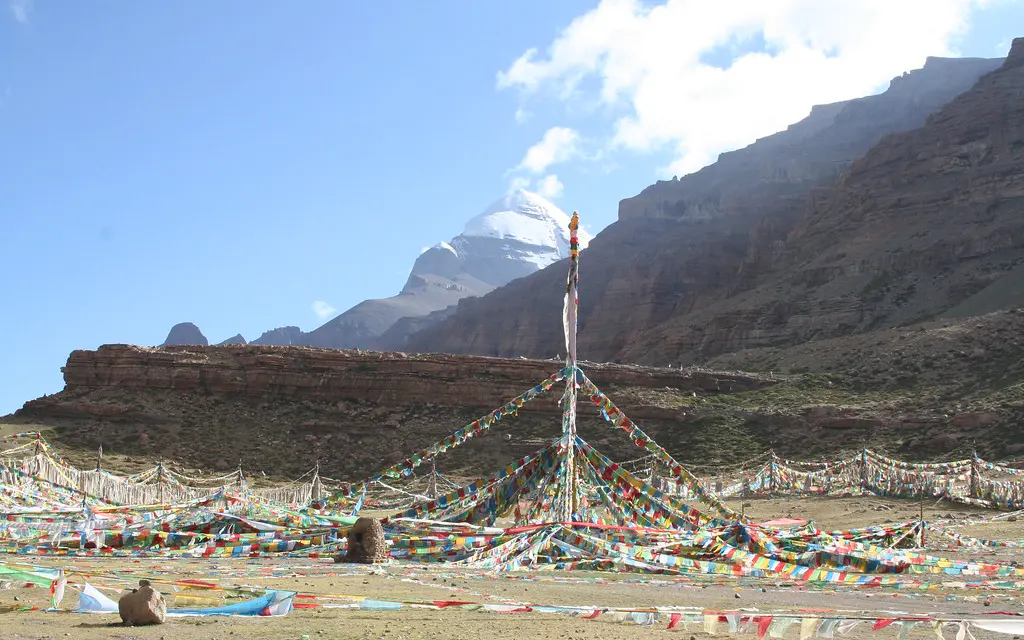
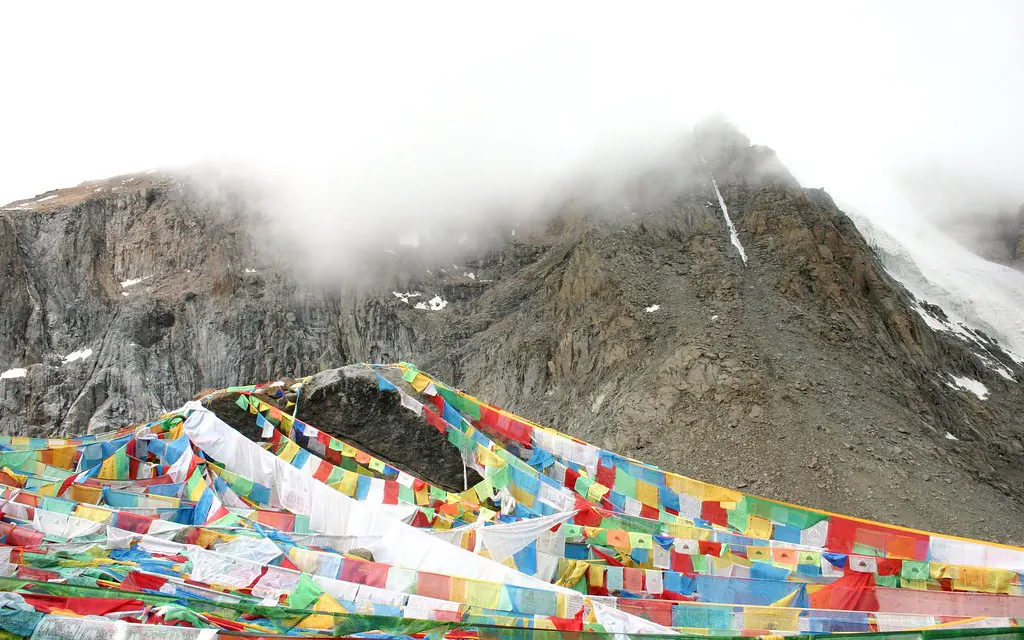
Kailash tour from Lhasa gives a chance to explore the traditional Tibetan culture during the tour. The practices of prayer flags, monasteries, and mani walls, and pilgrimage traditions are visible throughout the territory.

A lot of local communities are still adhering to traditions that have been in use over the years. Courteous communication with locals helps to gain a better insight into Tibetan lifestyle, spirituality, and traditions.

Spiritual significance of Mount Kailash and Lake Mansarovar

Mount Kailash is considered to be one of the most holy mountains in the world. It is religiously important to Hindus, Buddhists, Jains and Bon followers. The pilgrims come in various countries to do the holy kora around the mountain.

Lake Mansarovar is also regarded as a sacred place and is deeply related to the religious traditions and pilgrimage. To a lot of pilgrims, the most valuable aspect of the Mount Kailash tour is visiting these holy places.

גייסטיקע צוגרייטונג און טרעק מיינדסעט עצה

The significance of mental preparation cannot be overlooked when compared to physical fitness on the Kailash tour from Lhasa. Remote areas with long travel distance, high elevation and primitive amenities will demand patience and adaptability.

The ability to take it one day at a time and have a positive attitude towards the trip is useful in making the traveler have an even better time. During the Kailash Kora, a steady and relaxed attitude comes in particularly handy.

The best photo spots and landscapes along the trail

The Kailash tour from Lhasa has numerous great photographing spots. Some of the most photographed sites on the route include Potala Palace, Jokhang Temple, Yamdrok Lake, מאַנסאַראָוואַר אָזערע and Mount Kailash.

The Tibetan Plateau with its changing landscapes, mountain passes, monasteries and traditional villages offer a rich and diverse subject matter to be photographed. The sunset and sunrise can often provide especially beautiful conditions to capture the landscape.

פלאָראַ און וויילדלייף פון דער רוטע

The route of the Kailash Mansarovar yatra from Lhasa supports numerous flora and fauna adapted to high-altitude environments. that are adapted to the high altitude. Different parts of the region have grasslands, alpine shrubs, and seasonal wildflowers.

Sightseeing animals may consist of Tibetan wild asses, blue sheep, Himalayan birds, yaks, and other animals that live in Tibetan Plateau. Wildlife viewing is a way of conserving the natural environment during the trip.

מערסט געשטעלטע פראגעס דורך רייזנדע

אַלגעמיין אַלגעמיין

The initial days in Lhasa allow the tourists to familiarize with the high altitude and visit the significant cultural and religious locations and then proceed on the way to Mount Kailash.

The tour is a combination of Lhasa cultural sightseeing, Lake Mansarovar and the entire Kailash Kora which provides the perfect balance of Tibetan culture, pilgrimage, and high altitude scenery.

The peak of the Kailash Kora is Dolma La Pass which is around 5,630m above sea level.

No, it is not allowed to climb Mount Kailash. The mountain is believed to be holy and the pilgrims complete the pilgrimage by going round the mountain instead of climbing it.

It can be both. Most of the tourists come to the tours for religious reasons and some come to see the culture and scenery of Tibet and its special traveling experiences.

Yes, the tour is available for all travellers. History, scenery, culture and the travelling experience are some of the reasons that attract many visitors.

The main highlights of the trip are Mount Kailash, the Kailash Kora, Lake Mansarovar, and the cultural attractions of Lhasa.

צוגרייטונג און פיטנעס צוגרייטונג און פיטנעס

Reasonable fitness level recommended. Most of the journey is completed by vehicle, but the Kailash Kora involves several days of walking at high altitude.

Trekking experience is desirable but not required. Most travelers will find that good preparation and a regular speed are enough.

The Kailash Kora is considered to be a moderately challenging trek due to the altitude and the crossing of the Dolma La Pass. Proper acclimatization helps reduce difficulties.

Stamina can be improved with regular walking, hiking, jogging or cycling. It also helps to get ready for high altitude and longer trips.

Absolutely, anyone who is in good condition and is prepared for the trip can do it.

Endurance and leg strength will be developed with the help of walking, hiking, climbing stairs, cycling, and light strength training.

The age limit is not mentioned, but visitors should be healthy and be able to handle the altitude.

Be flexible and have an understanding that travel plans may be impacted by weather, roadway conditions, and altitude make travel more enjoyable.

פּערמיץ פּערמיץ

Most travelers require a Chinese visa before entering Tibet. The visa requirements depend on the nationality of the traveller, so please verify the most up-to-date visa regulations prior to travelling.

Travelers need a Tibet Travel Permit and additional local permits for visiting western Tibet, Mount Kailash, and Lake Mansarovar.

Yes, all necessary travel permits to Tibet are usually secured as a package.

Typically, it takes a few days to a few weeks to process a permit. It is advisable to book early to ensure they will be able to arrange all documents in due time.

No, you are not allowed to travel independently in Tibet usually. Travelers have to enter an organised tour with the authority of the guide and permits.

Normally a valid passport and a Chinese visa are required. More information may be required according to the current regulations.

Permit fees are typically local, and may not be refunded after processing. Conditions vary by tour operator/permit.

Yes, passengers must have their passports with them at all times. Identification and permits may be checked at various checkpoints throughout Tibet.

פאַרזיכערונג און וויזע פאַרזיכערונג און וויזע

It is highly advisable to have travel insurance for everyone on the Kailash tour from Lhasa. It offers monetary coverage if there is a medical emergency, cancellation or any unforeseen travel disruptions.

Where possible, if your trip gets delayed or canceled, medical treatment is required, emergency evacuation, and personal belongings are involved, your policy should cover all of these.

Yes, it is necessary to have travel insurance above 5000 meters as the tour ascends above this during Kailash kora.

There are differences between rescues in Tibet and Nepal. Comprehensive insurance is essential for emergency services because they can vary in location, weather, local laws and procedures.

It is recommended to buy insurance prior to travelling. This means a trip will be covered before you begin it.

Guides will help to organize appropriate medical support. Medical transportation to a facility might be necessary.

There are many policies that cover delays and interruptions, however, coverage differs between providers. Please check policy carefully before travelling.

This tour passes through the remote areas of Tibet where health care facilities may be scarce. Insurance provides additional safety and peace of mind on the trip.

גיידס און שטיצע שטאב גיידס און שטיצע שטאב

Yes, the group will be accompanied by an experienced English speaking Tibetan guide who will take care of the logistics, sightseeing and local information and guide the group throughout the trip.

Yes, guides are familiar with the route and understand the local culture and the high altitudes as well as how to lead tourists around Tibet.

Yes, guides speak English and are able to explain to travelers the history, culture and religious meaning of the areas visited.

Yes, there are support arrangements in place for the kora. Guides arrange trips and help hiker on the trekking part.

Normally professional trekking and support staff are covered under local regulations and company policies.

Private guide services can be arranged upon request if available and tour arrangements.

Tipping is not mandatory but highly appreciated as a token of gratitude for the excellent service you have received from guides, drivers and support staff.

Above the Himalaya will process permits, arrange transport, book stays, and handle other arrangements for the trip.

אַקקאָממאָדאַטיאָן און פאַסילאַטיז אַקקאָממאָדאַטיאָן און פאַסילאַטיז

Accommodation consists of hotels in Lhasa, Shigatse and Saga and simple guesthouses in the region of Mount Kailash and Lake Mansarovar.

Yes, most hotels in bigger towns offer reasonable rooms with standard amenities like individual baths, heating and meals.

The guesthouses in the remote places are basic and simple. Accommodations are less luxurious than those found in larger cities.

In some accommodations, private rooms might be available upon request and availability. Requests will, wherever possible, be made in advance.

Hot water can usually be found in hotels, although it might not be as readily available in remote guesthouses in the vicinity of Mount Kailash.

Hotels usually have individual baths and some guesthouses have shared bathrooms.

Electricity will be available in most hotels and guesthouses, although sometimes this may be interrupted in remote areas.

Wi-Fi is usually provided in hotels in large towns, but may be slow or unavailable in remote areas close to Mount Kailash.

עסן און טרינקען עסן און טרינקען

There are different Tibetan, Chinese and basic international dishes available during the tour. Away from the city, meals will be simpler, and in bigger towns, there will be a greater variety of restaurants.

Absolutely: There are plenty of vegetarian options along the way! Check the specific types of items, and they can generally be arranged for rice, noodles, vegetables, soups and tofu dishes.

Vegan meals may be offered in bigger cities and towns. It’s good to let your guide know of dietary needs beforehand.

Bottled water can be found in most villages and towns on the way. Many travellers also bring water purification tablets or water bottles that they are able to reuse.

Yes, snacks can be purchased in larger towns. It is a good idea to carry some extra snacks for long driving days and trekking sections.

The majority of hotels, restaurants and guesthouses will have tea or coffee facilities. In many places Tibetan butter tea is also served.

Food from hotels, restaurants and guest houses is usually safe to eat. Most meals made at the time are the best, particularly in remote areas.

Depending on the accommodation, bread, eggs, porridge, noodles, tea or coffee are served at breakfast, or simple Tibetan and Chinese dishes.

וועטער & סעאַסאָנס וועטער & סעאַסאָנס

May to September is typically the best time for the weather to be more agreeable and travel is usually easier.

Temperatures vary depending on season and altitude. Even in the summer, nights can get cold near Mount Kailash and Lake Mansarovar.

Yes, depending on weather and weather conditions, it is possible to travel in winter, but weather conditions and snow may impact the overall experience.

The amount of rainfall in Tibet is lower than that in some neighbouring regions. But on occasional rainy days in summer months.

All main roads are open but access may be impacted by weather and local restrictions at times.

Weather in Tibet generally becomes pleasant in April, with comfortable temperatures and relatively clear skies.

Autumn is really a great time to travel, trekking, and enjoy the weather and conditions it offers.

Absolutely, weather conditions can impact trail conditions, visibility and general enjoyment of the kora. The travellers should always be ready to encounter varying mountain conditions at any time.

געזונט & זיכערקייַט געזונט & זיכערקייַט

Anyone can suffer from altitude sickness, no matter their age or fitness. The tour will have high altitudes above 5000 metres, so it is very important to acclimatize properly.

Headache, dizziness, nausea, fatigue, shortness of breath and loss of appetite are common symptoms. If there are any symptoms, report these to the guide immediately.

Maintaining hydration, walking in a steady pace, adequate rest and careful adherence to the itinerary will help minimize the risk for altitude-related issues.

Medical facilities are available in the larger towns, but services are scarce in remote areas close to Mount Kailash. If a traveller requires their own medication, they should bring these with them.

Emergency arrangements will be made with Guides and coordination for transportation to the nearest available medical facility, if necessary.

Emergency oxygen is usually stored in the support vehicle, and may be used if necessary during the trip.

Yes, the route is considered safe to do when accompanied by an experienced guide, appropriate permits, and a good understanding of high altitude conditions.

Yes, travelers should bring any medicine that they need during their trip, including personal medicine and basic first aid items.

פּאַקינג און גאַנג פּאַקינג און גאַנג

Multiple layers of clothing should be worn, such as thermal undergarments, fleece jackets, a warm down jacket, waterproof outer layers, gloves and a hat.

Yes, comfortable and well broken-in trekking boots are strongly recommended particularly for Kailash Kora.

Trekking poles are helpful for the kora, especially for steep passes near Dolma La Pass.

For nights in basic guesthouses near Mount Kailash a warm sleeping bag is recommended.

A small daypack will typically hold water, snacks, extra clothes, personal papers and other daily needs.

Yes, a power bank is certainly recommended because in some remote locations there can be no power source or not enough supply of power.

Sunglasses, sun cream, lip balm, reusable water bottle, personal medicines, toiletries and wipes will be useful items to carry around.

Rental equipment might be available, but if possible, it is best to pack all necessary trekking gear at home.

בוקינג און צאָלונג בוקינג און צאָלונג

A tour can be booked by contacting the tour operator, verifying travel dates and sending the necessary paperwork to be processed for a permit.

Yes, generally a deposit is necessary to hold your booking and start the permit application process.

We accept bank transfers and other accepted payment forms. During the booking, the available options will be provided.

The final payment is generally required before the start of the tour. The specific date of payment will be indicated when you book.

Yes, it can be canceled, however, the policy of cancellation and the amount of funds back will depend on the time of cancellation and the permit status.

Date changes may be available subject to permit requirements, hotel availability and local requirements.

Yes, you will receive a confirmation when you have completed the booking, deposit and necessary documents.

Additional costs may apply to the personal expenses, travel insurance, visa fees, tips and services not included in the section below.

טראַנספּאָרטאַציע און פלי טראַנספּאָרטאַציע און פלי

Travelers can fly into Lhasa from any major city in China or train from Beijing/Shanghai through Tibet Railway Network.

Yes, according to the itinerary, there will be airport or railway station transfers in Lhasa.

It is done with private tourist vehicles which are able to travel long distances across Tibet.

The duration of the drive will depend on the day and the weather conditions, some days may be 5 to 8 hours depending on the destination.

Yes, vehicles are selected to provide reasonable comfort during long travel days across the Tibetan Plateau.

Itinerary does not need any domestic flights. The route is mostly by road once in Lhasa.

Yes, driving schedules can be impacted by weather, road maintenance, traffic and local conditions.

Guides and support staff will make necessary adjustments to the itinerary, where possible and assistance during the journey will be provided.

Reviews on Mount Kailash tour from Lhasa

זייט דער ערשטער צו שרייבן א רעצענזיע אויף דעם רייזע.

בעסטער פרייז געראַנטירט, גרינג צו טוישן דאַטע, רעגע באַשטעטיקונג

ספר דעם יאַזדע
ספר מיט בטחון
  • פלעקסיבלע בוקינגז און גרינגע ענדערונגען אין רייזע דאַטע
  • פערזענליכע סערוויס און צוגעפאסטע גרופע גרייסן
  • זיכערע רייזעס מיט אייגענטימער-אפערירטע סערוויסעס און העכסט ערפארענע גיידס
  • בעסטע פרייז גאַראַנטיע פֿאַר די מערסטע ווערט פֿאַר דיין געלט
  • זיכערע און גרינגע אָנליין בוקינג
דיין טרעק פירער

טרעק פירער הנאה האָבן פון די הימאַלייַאַן לאַנדשאַפט מיט דער הילף פון נעפּאַל'ס בעסטע גוידעס מיט רעגירונג לייסאַנס האָלדערס און באַקומען טריינינג אין ערשטער הילף, אונדזער טריפּ לעאַדערס, וויסן וואו איר וועט געפֿינען די בעסטע פאָטאָס, די מערסט פֿאַרכאַפּנדיקע ווילדע חיות, און די בעסטע טייך-דורכגאַנגען.

רייזעס פֿאַר אַלע

דיווידער
פּריוואַטע טריפּ
א רואיגע רייזע מיט אייער רייזע-חבר און גייד
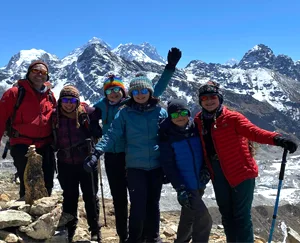
קליין גרופע רייזע
רייזט מיט מענטשן וואָס האָבן ענלעכע חלומות וועגן אַוואַנטור
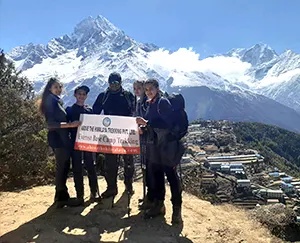
טריפּס פֿאַר קינדער
רופֿנדיק אַלע יונגע אַוואַנטוריסטן - קומט מיט אונדז אויף אַ רייזע פֿון אַ לעבן!
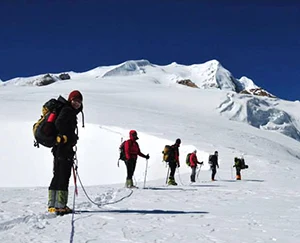
רייזעס פֿאַר אַוואַנטוריסטן
קלעטערן און באַרג־קלייַבן־אַוואַנטורעס פֿאַר טריל־זוכער
לעבן טשאַט שטיצן
פורושאָטאַם טימאַלסענאַ
פורושאָטאַם טימאַלסענאַ רייזע עקספּערט
מיר וועלן פּלאַנירן די פּערפֿעקטע פּערזענאַליזירטע וואַקאַציע פֿאַר אײַך.
בקשה פֿאַר הילף ⮞