Customize Your Trip

Need Help? Let's Talk
+977 985-1095800Annapurna Base Camp Short Trek
One of Nepal's most classic short treks
20% OFF
Highlights of Annapurna base camp short trek
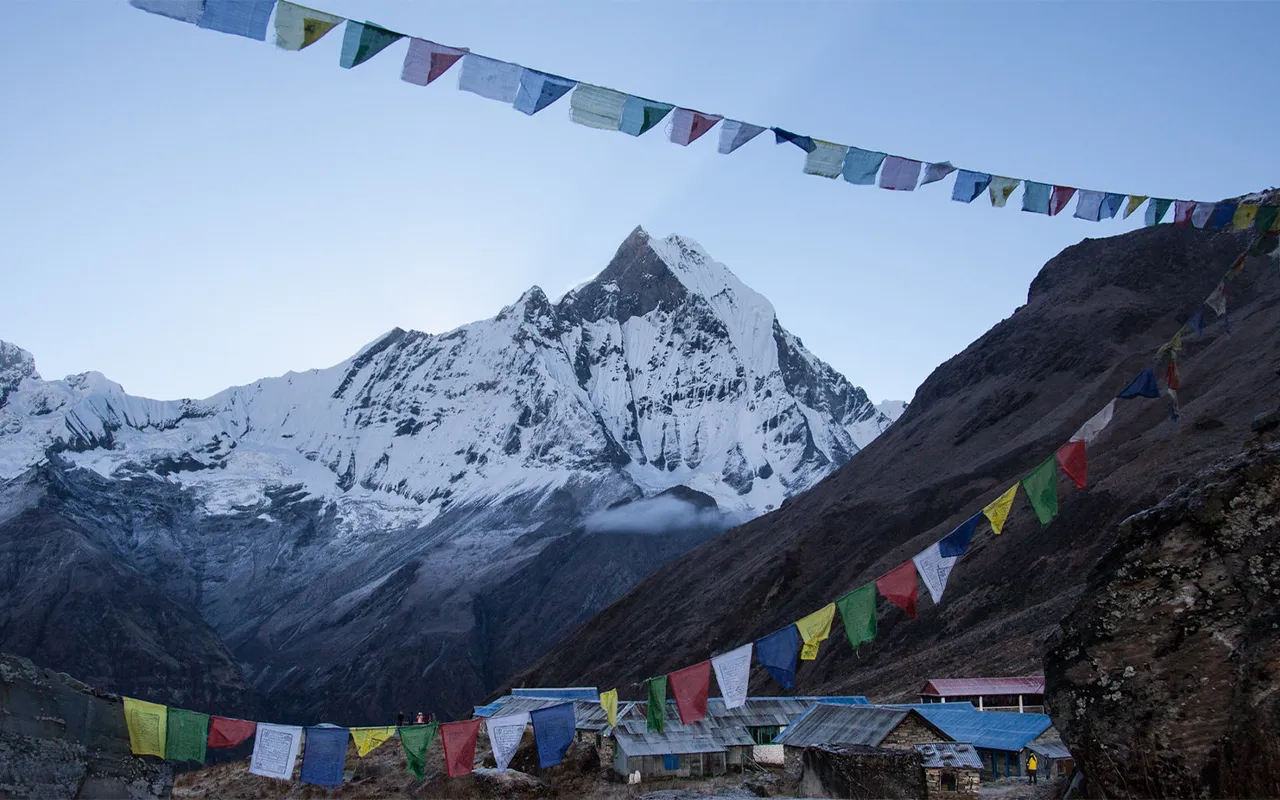
- Reach Annapurna Base Camp at 4,160 meters and enjoy close mountain views.
- Trek through Dhampus, Tolka, Landruk, Jhinu Danda and Chhomrong.
- Walk through rhododendron forests and changing mountain landscapes.
- Follow the Modi Khola valley toward Dovan, Deurali and Machhapuchhre Base Camp.
- Stay overnight at Machhapuchhre Base Camp at 3,700 meters.
- Relax in the natural hot springs at Jhinu Danda after descending from the sanctuary.
- Complete the trek with private transportation between Pokhara and the trekking route.
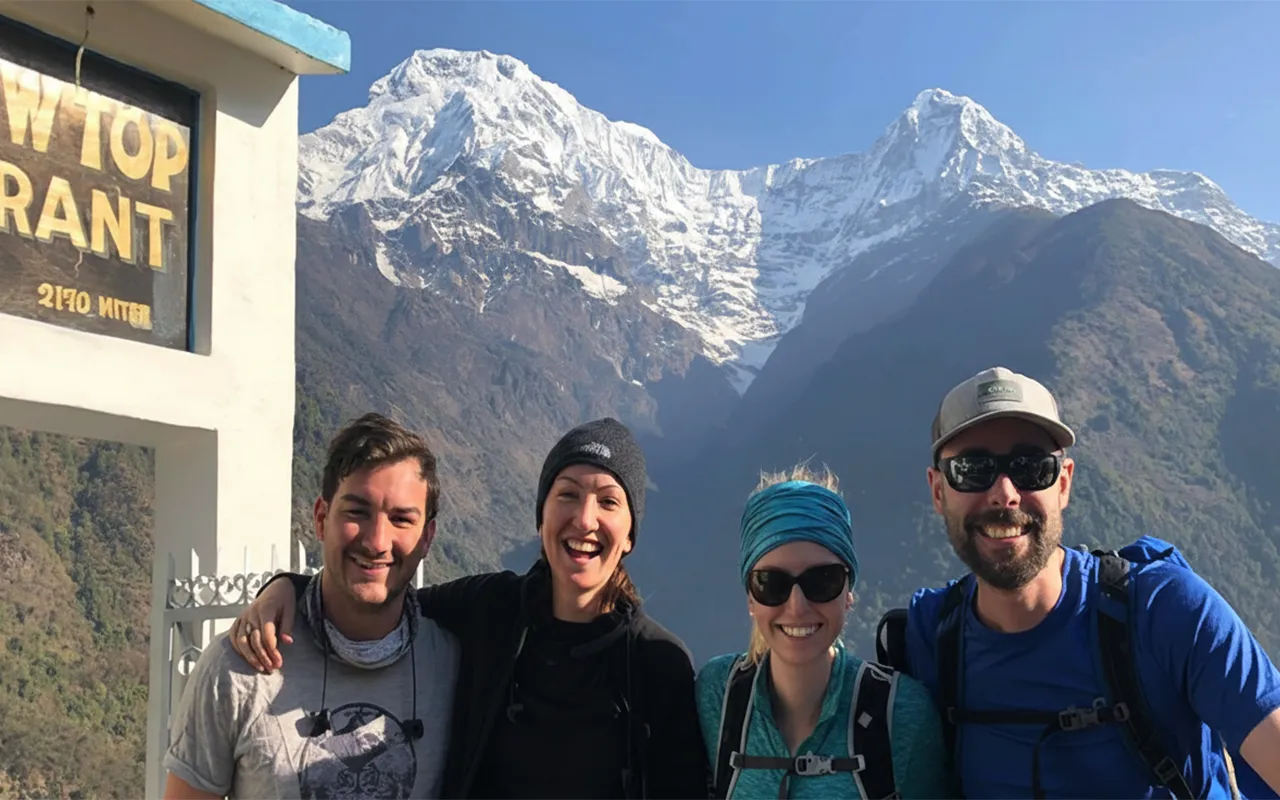
Testimonials - Guests Sharing Their Incredible Experiences

Trip Extension
Suppose you have more time in Nepal after this trip. In that case, we can help you to extend your trip by running different treks in Nepal, tours in Bhutan and Tibet, Jungle safari tours at Chitwan, Bardia, and other National parks, Nepal luxury hotel booking, Rafting, Ultra-light flights, or any other travel-related services. You can get more information here.
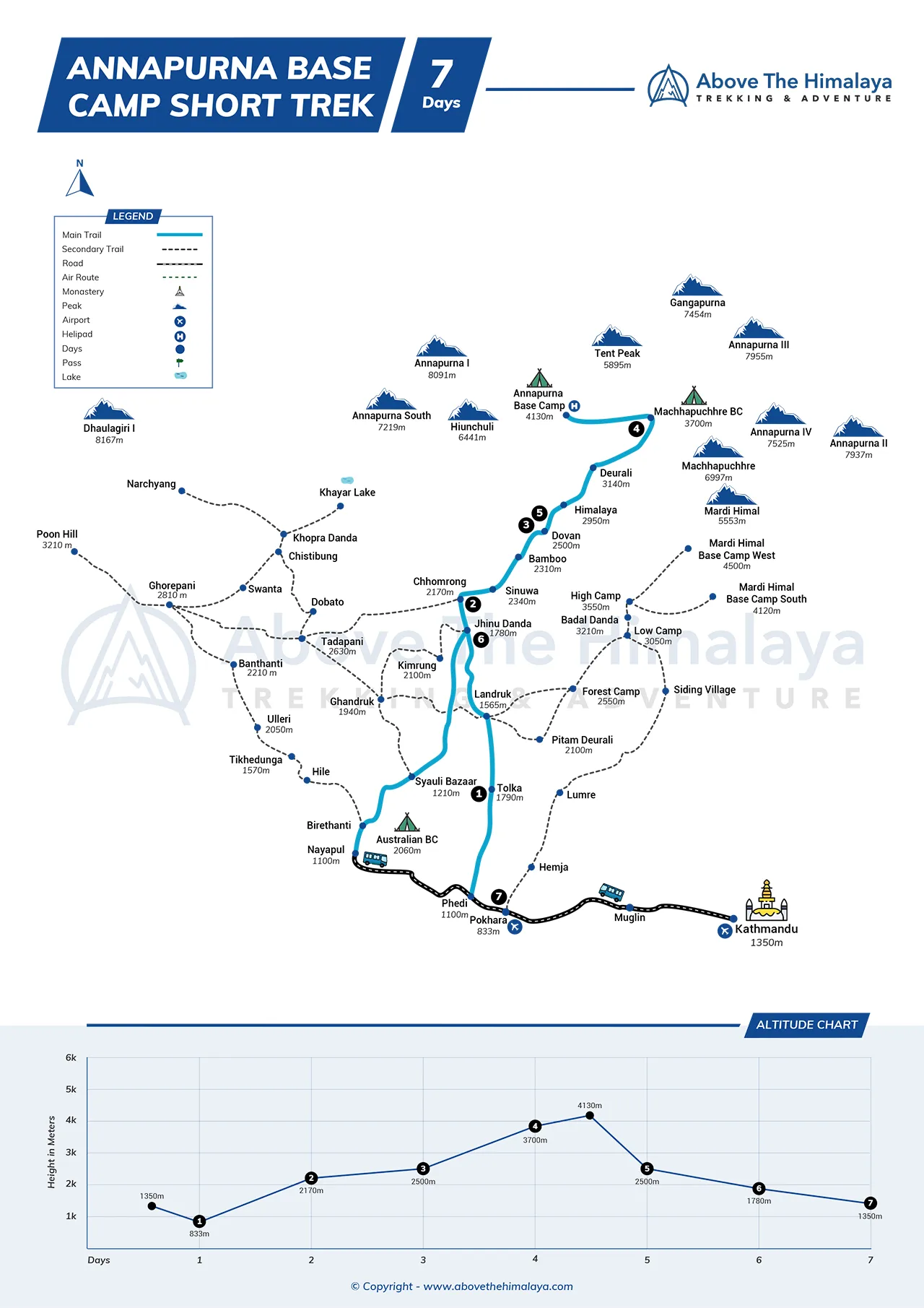
Route Map & Altitude Chart
Most Asked Questions by Travellers
 General
Yes, approximately 10 per cent of the trek fee, divided among the crew. Tipping is not mandatory and it is just recommended all depends how happy you are with your staffs.
About 10-2 US dollars a day on drinks, snacks, showers and Wi-Fi.
Greet people with Namaste, wear simple clothes, take off their shoes in temples, and need permission to take photos of people.
Yes, there are numerous travel agencies that accommodate individual trekkers on scheduled tours.
The mosquitoes are not common in high altitudes. The leeches are found in the lower jungles during the monsoon.
Yes, one can have light sleep or sleep deprivation, though it is usually followed by better sleep once you have gone down.
The trek starts and finishes at Nayapul, close to Pokhara.
It will be a 25-minute flight or a 6-7-hour trip by road with buses or a personal vehicle.
The complete distance of the trek is about 70-80 km (43-50 miles) in the round trip.
The primary route goes through Chhomrong. There are other optional treks like Ghorepani/Poon Hill, yet the Base Camp trail is the same.
Guides tend to book rooms. Independent trekkers must arrive in villages early in the busy seasons.
The rooms are usually shared twin rooms that have common washrooms. Blankets are also available in lodges, but in the high altitudes, a warm sleeping bag is advisable.
Yes, there are helicopter tours which can be done between Pokhara and Base Camp, weather permitting, but they are expensive.
 Preparation & Fitness
Yes, the beginners can finish the trek with relative fitness and a steady walk.
The walk is fairly strenuous and takes 5-7 hours to walk per day. There is no technical climbing ability required, although it is suggested that one have good stamina.
There is no prior experience required. Beginner trekkers can cope with the trail, and this is particularly with a guide. Fundamental fitness and a bit of preparation help.
Concentrate on cardiovascular stamina and lower body strength by jogging, cycling, and using squats. Train on how to walk carrying a heavy backpack.
Yes, Nepal is a safe place, especially when accompanied by a guide on a trek. Ordinary precautions for travelling ought to be followed.
Annapurna Base Camp is the highest altitude at 4,130 meters (13,550 feet).
On this short trek, no formal day of acclimatisation is necessary. A gradual increase is normally adequate, though a descent is required in case serious signs of altitude take place.
The trekkers usually take 5-7 hours of walking every day.
It is a shorter variant of the entire Annapurna Circuit, but it is also difficult because of the accelerated speed.
Annapurna Base Camp Short Trek can be finished in seven days, unlike the standard route, which consumes 10-14 days.
 Permits
There is a need for an Annapurna Conservation Area Permit (ACAP) and a TIMS card.
You do need a visa for Nepal, which can be obtained by the majority of tourists at Tribhuwan International Airport or any overland port.
The permits can be organised by trekking agencies. The ACAP and TIM can be acquired in Kathmandu or Pokhara by independent trekkers.
The ACAP will be about NPR 3,000, and the TIMS card is approximately NPR 2,000.
Yes, foreign trekkers have to employ a licensed guide or porter-guide since 2023.
No strict age boundaries exist; teenagers and healthy seniors can do this trek.
Yes, high-altitude trekking and helicopter evacuation are supposed to be insured.
The guide will guarantee the safety and organize a helicopter evacuation in case of need.
Certified guides have a good knowledge of English. The Porters also speak basic English, and communication will be helped by your guide.
 Accommodation and Facilities
Teahouses serve dal bhat, noodles, fried rice, momos, and soup. Meals are simple but filling.
There are more vegetarian meals, and there are fewer vegan ones.
Untreated water is unsafe. Clean with purification pills, drops or boiled water.
Sure, you can have hot showers in the villages down below, with a small fee. There is a lack of hot showers at the higher elevation, and a good number of people ignore showers at Base Camp.
Yes, tea-houses charge a little fee for gadget charging. Power banks are recommended.
Connection is weak at the lower sections, and the Base Camp is not connected at all.
No, take enough cash out of Pokhara.
Yes, Hotels or trekking companies in Kathmandu and Pokhara can store the stuff that is not required during the trek.
 Weather & Seasons
The seasons of spring (March-April) and autumn (October-November) are clear and have nice views of the mountain.
There is snow on the peaks throughout the year, and Base Camp can get snow either in the winter or early spring.
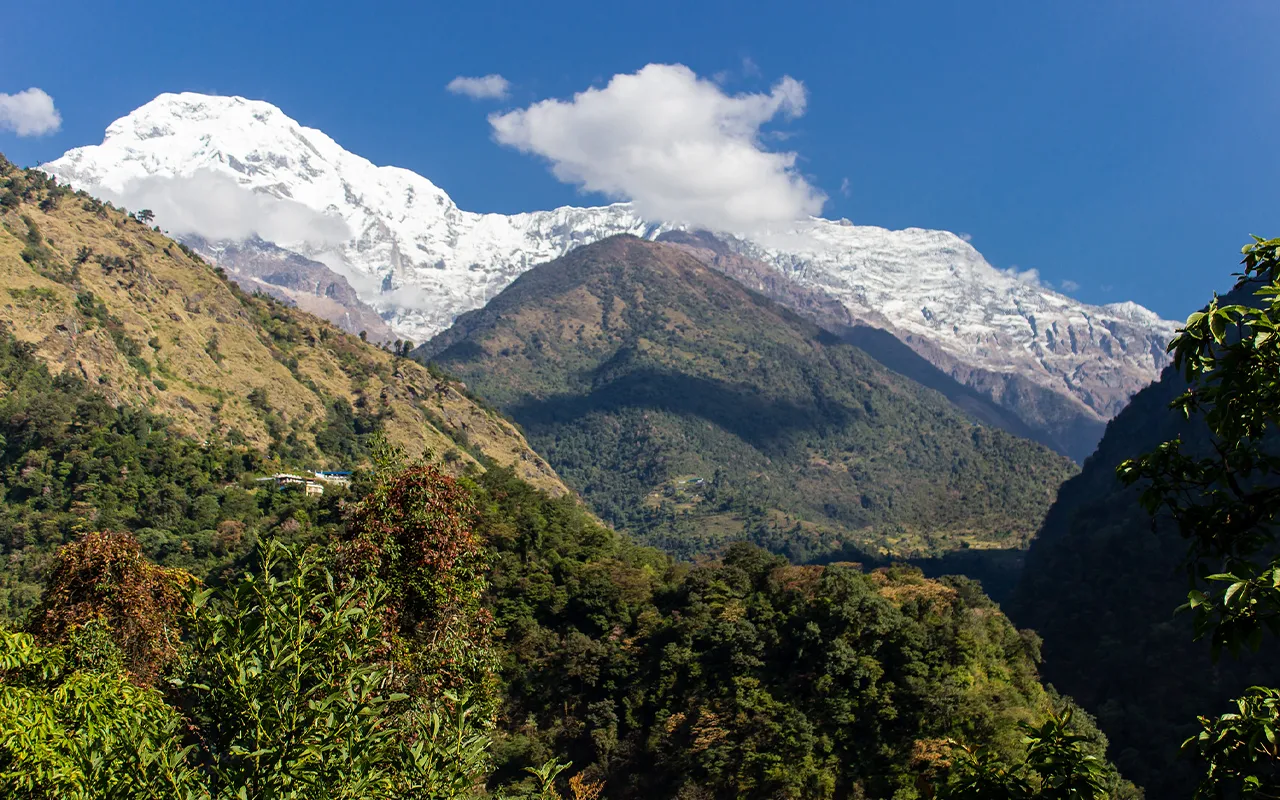
Annapurna I, Annapurna South, Hiunchuli, Machhapuchhre (Fishtail) and others.
 Health & Safety
These symptoms include headache, nausea, dizziness, loss of appetite or insomnia. Descend if symptoms worsen.
Gradually climb up, drink plenty of water, and also do not drink alcohol and take breaks.
There are small health posts, and guides have first aid. The severe cases are to be evacuated.
Yes, but roads are slippery, wet, and the scenery can be restricted.
During winter, trekking can be done with the appropriate equipment, but there are chances of storms, and heavy snow can cover the tracks.
There is no danger of wildlife, but there are leeches in the lower parts during the monsoon.
Alcohol is preferably to be avoided because it is dehydrating and increases the effects of the altitude.
Simple first aid can be provided by the guides.
Reviews on Annapurna Base Camp Short Trek





Mahendra Yash
Mumbai, India
Best "managed" trek of my life

I contacted Mr. Puru (Above the Himalayas) for my Annapurna Base Camp short trek (ABC) trip, which went well. Everything was managed well, from picking up at the airport to dropping off at the airport back.
The whole trip was tailored to my strict timing, and it also included planning trekking points. My guide, Mr. Govinda, guided me successfully to MBC and took care of me personally when I felt a bit sick at a higher altitude.
I highly recommend contacting Above the Himalayas for your next trip to Nepal!
Mahendra Yash
Jan Anderson
UK
“Unforgettable ABC trek”
My wife and I completed the Annapurna Base Camp short trek in December. The Above the Himalayan Trekking company gave us an unforgettable time.
Our guide, Dhruba, was attentive and considerate. Our porter Nabaraj never complained; always cheerful!
In conclusion, it was a very successful and enjoyable trip. Puru was polite, always quick to reply to our emails, and was happy to tailor the trek to our needs. Thank you. We can recommend the company.
Jan Anderson.
Sanchit Bhatnagar
India
Mr.Puru really know his stuff - very helpful and trustworthy
People say the best way to see how much you can trust a company is to know its number of repeat customers. I say this because every time I visit Nepal, I go to Mr. Puru and his expert team for all our travel arrangements.
They will arrange everything regardless of what you want to do. You can go bungee jumping, paragliding, and rafting after the trek.
You can count on Annapurna base camp trekking or hiking with them. Count on Mr. Puru to provide you with the best options at a reasonable cost. It is always there to help you if you ever get stuck.
He helped us with alternate arrangements if we needed them. For example, when our flights were delayed in Pokhra due to clouds, he arranged an alternative.
So, if you want a pleasant, hassle-free stay in Nepal, go with a helpful and trustworthy company. I recommend Above the Himalayan Trek.
Sanchit Bhatnagar
Ruth Shkedi
Israel
The best agency!!!
I just returned from the Annapurna base camp short trek a few days after leaving Nepal. For the second time, we traveled with the Himalayan agency.
The second time was as perfect as the first. Our guide was the BEST! Suresh Adhikari. We ran into a challenging, unexpected storm, and Suresh Handled the situation courageously and admirably. Like a true leader!
I highly recommend Puru’s agency and Suresh. Also, our porters were perfect.
Next time in Nepal, I will be with them without doubt or hesitation!
Ruth Shkedi
Dubi Spector
Israel
ABC Trek in Moonsoon
We did the ABC trek with poon hill In August time. We had a lot of rain and cloudy skies.
We were lucky to be at the top of ABC and see everything for a few hours. Mr. Dipak, our guide, was very kind and professional.
Puru was also very professional, organized everything, and gave all the support needed.
I will be back in Nepal in the future
Dubi Spector
Itzhik Solan
Israel
the best in Nepal, Puru & his team
We had a great experience with Puru and his team. Super efficient, quick response, friendly, and helpful. I recommend using his services.
My wife and I came for the short trek to the Annapurna base camp.
Puru handled all the changes we wanted. He did this for many others in the best possible way.
Itzik Solan
Pravesh Ghimire and Bishal Sharma
India
Best of the Best
First, I need more words about Above the Himalayan Trekking. I will summarize my review with our excellent experience visiting the Annapurna base camp for a short trek in May.
They can handle the most complicated itinerary and find the most intriguing and delightful places to visit. This company plans customized private journeys, excellent hotel stays, and insider experiences.
They cater to dozens of trekking and adventures across Nepal. They tailor-made the trip to suit travelers’ interests, including food,
the best places to stay, breathtaking views, adventure, and more. The itineraries are always perfect. It balances famous highlights,off-the-beaten-track spots, and unique behind-the-scenes experiences. They’re also good at organizing family travel and have exceeded our expectations.
We had planned our Annapurna Base Camp(ABC) Trip. We designed it well ahead of time and were very curious about tour companies that met our expectations.
We then found “Above the Himalaya” through references. We finally had a chance to communicate with Puru Timalsena. Puru was attentive and answered every query in a timely fashion.
He understood our needs and drafted a route that suited our schedule. The itinerary was well-defined in every way. To account for the true meaning of trekking through the Annapurna Himalayas.
Puru met with us the very next day we were in Kathmandu. He went through the details. We were even able to adjust the schedule based on COVID-19 circumstances. The country was going through. All the trekking and journey went through with excellent trekking guides. They were very aware of our surroundings and the entire trip. I would repeat that the trip fit our needs and schedule.
Throughout our journey, Puru followed up on our circumstances. They were up-to-date with our timelines and the next destination we would be heading to. We had excellent porter service and a Guide.
They made the trip even more memorable, something you would expect. An individual and company that believes in providing excellent customer care.
The route up to ABC was exciting and adventurous for us. As we reached the base camp, the COVID situation had deteriorated. Because of this, we had to cut our trip short and return to Kathmandu. We wanted to get back to the US before International Flights were canceled. Puru made this possible by coordinating with the helicopter company.
Which only performed rescue flights for travelers and trekkers. Due to the time crunch for folks like us, who have limited time to spare on the beautiful Himalayas, we were back in Pokhara ( the city where you start your trek) in no time.
Finally, we began our journey in Kathmandu, the capital. This gave us enough time to plan the next trip home to the US.
We want to thank Puru and the “Above the Himalaya Trekking.” Their team made this trekking trip memorable. With no doubts, we are looking forward to our next trekking adventure. We plan to go to the top of the world ( Everest base camp) Above the Himalayas.
This is the Travel and Tour Company if you plan to visit the beautiful County of Nepal. Any tours and trekking that can exceed every trekker exceed every trekker’s expectations.
Dinesh Reddy
Hyderabad, Andhra Pradesh, India
Best Local company for Annapurna base camp trek
While planning for the Annapurna base camp short trek in December. I found Above the Himalayas through Trip Advisor.
It was a pleasant experience from the moment I contacted Mr Puru. He answered every question I had very well. They have arranged the A-Z of my trip, from pick-up to drop-off at the airport.
When we ran short of money, he helped us like a friend, assuring us that everything was okay. He even rearranged our hotels when we extended our stay in Pokhara.
The trek guide(Basu) and support person(Prahlad) know the history and terrain.
They took us to the best lodges on the trekking trail. We enjoyed the top-notch hospitality of Nepaleese cuisine and culture.
I recommend Above the Himalayas to anyone willing to trek in Nepal. Cheers, and like, excellent work.
Dinesh Reddy
Jim and Beth
USA
Best trekking guide and service for our ABC trek
Our ten days of trekking were magnificent. Our guide, Ramesh, and our porter, Baburam, were accommodating and friendly.
Ramesh always made sure we were comfortable and walking at a good pace.
He had great recommendations for what to order from meals and satisfied us. Ramesh spoke English well and knew the area we trekked every step of the way.
We recommend Above The Himalayan Trekking to everyone.
Jim and Beth
Ryan Babock & Rick Nowack Julian Bays
Australia
Best Agency for Annapurna base camp trek, Highly recommended
Annapurna base short camp trek is beyond words to describe. The mountain views are fantastic and outstanding.
Our porter Ram is buffalo-strong, and Kc, our guide, is a good, patient guide. Both of them are outstanding.
Thanks to the Puru for the excellent time and trek. I can’t wait to come back again.
Ryan Babcock & Rick Nowack Julian Bays.
Australia
Annapurna Base Camp short Trekking in October
The trek was very well organized, and they fulfilled all their promises. There was always someone waiting for us at each collection point. There was never a time when we always turned from a tea house due to full accommodation.
Thank you for making this Annapurna base camp trek a memorable one for us.
Cynthia & Derek Stanton
South Africa
Maaike Walgaard
Netherland
Annapurna base camp trek
Dear Basu Namaste, Today we will return to Pokhara. Our trekking is ending. It was an excellent trekking experience, and I had a lovely time with you.
During the short trekking at the Annapurna base camp, I learned you are an excellent guide. You took good care of me and made things possible.
Most of the time, it was you, me, and the nature of Nepal. And only the sound of the beautiful rivers.
In the evening, we had a pleasant conversation and became more friends. You are a nice, friendly, and honest man. I thank you for being my guide and friend.
Maaike Walgaard
Young Keong Jung
South Korea
Annapurna base camp short trek a life time experience
I am delighted with the Annapurna base camp short trek. Mr. Phurba Sherpa is a perfect guide. He is very professional. I am happy to have another time with him!
Young Keong Jung
Janet D
USA
Annapurna base camp trek- Highly recommend!
We returned from Nepal, where we did the Annapurna base camp short 7-day trek. Puru organized everything, from airport pickup to hotels, rides, and accommodation. Food during the walk, and it was all perfect.
We had a wonderful experience. Everyone who works for this company is amicable and professional. Our guide, Suresh, was beautiful and very knowledgeable. Suresh and our porter made the trek possible for us.
They catered to all our needs. Suresh adjusted the tour speed to what we needed each day. I cannot recommend Puru, Suresh, and Above the Himalaya trekking more!
I recommend we stay in Puru’s Hotel in Kathmandu.
Janet D
Joey Selim
USA
Best Annapurna Base Camp Trek in September
Puru, I am thrilled with the service provided by Above the Himalayas so far. Bhala was fantastic and was a super guide.
We ended up not doing the base camp because of the weather, but we had one clear day at Poon Hill, which made me very happy! Again, he made my Annapurna base camp short trek wonderful.
The hotel in Pokhara is also charming, just like Kathmandu. I was able to paraglide today, which was great.
Joey Selim
Cassandra Kennedy & Ben Coe
Shepparton, Australia
Annapurna Base Camp Trekking 7 Days November
Very supportive and informative guide willing to go out of the trek. We all need help organizing a cake for Trekker’s birthday.
I would recommend it to future trekkers. Great experience!! Thank you !! The walk was magnificent, and the service provided was fantastic.
We want to recommend the Annapurna base camp short trek trip to everyone.
Cassandra Kennedy, Ben Coe
Jacinta Carty & Matthew Coe
Melbourne, Australia
Annapurna Base Camp Trekking 7 Days November
Excellent trek. Outstanding view of a beautiful landscape. Outstanding guides and porters fulfill all our dreams.
Accommodation and food were ideal throughout the trek. We couldn’t recommend the tour enough; it was fantastic. Thanks.
The trek was excellent; we had a fantastic time and incredible views. The guide and porters were amazing. They give excellent service, and the itinerary was perfect; the
Jacinta Carty & Matthew Coe
Kavita r
India
Trek to Annapoorna base camp
Our trek to Annapurna base camp was very memorable. Puru and his team did an excellent job. Puru handled last-minute flight cancellations and alternate hotels.
Due to bad weather, He arranged our stay and cab and was very responsive. Puru supervises the arrangements for the trekkers. I recommend this trekking agency.
Kavita R
Havard J. H
USA
Excellent Annapurna base camp short trek.
It was the best trek we ever did with professional, good company. I have to praise the guide Suresh and the young porter Dinesh. As we progressed, we were able to adapt the itinerary to our needs and speed, and honestly, the trip wouldn’t have been the same without them.
Suresh guided us to the most beautiful tea houses, which included some pleasant surprises not commonly used on the Annapurna base camp short trek.
Puru’s owner and manager were helpful from the start, giving practical advice and quick responses to our email inquiries.
Overall, it was a fantastic experience; we will recommend it and are returning to Nepal for more trekking!
Håvard J. H.
20% OFF
Best Price Guaranteed, Easy to change Date, Instant Confirmation
Book This TripBook with Confidence
- Flexible bookings and easy trip date changes
- Personalized service and customized group sizes
- Safe travels with owner-operated services and highly experienced guides
- Best price guarantee for the most value for your money
- Secure & easy online booking
Your Trek Leader
 Enjoy Himalayan scenery with the help of Nepal’s best guides with Government license holders and got training in first-aid, our Trip Leaders, know where you’ll find the best photos, most fascinating wildlife, and the best stream crossings.
Have Questions?Talk to Expert
Meet Mr. Purushotam Timalsena (Puru), Nepal's best trek and tour organizer, who has been working in the Himalayas for more than 24 years.
WhatsApp/Viber +977 98510 95 800



You May Like





Trips for All
Private Trip
Peaceful tour with your travel buddy and guide
Small Group Travel
Travel with people having similar adventure dreams
Trips for Kids
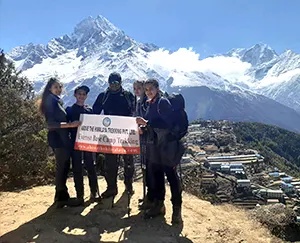
Calling all young adventurers - join us for a journey of a lifetime!
Trips for Adventurers
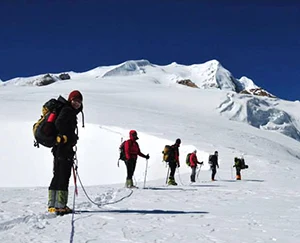
Climbing & mountaineering adventures for thrill-seekers