Best time for Everest View Trek 6 Days
The Everest View Trek reaches peak conditions throughout the spring months of March to May and the autumn period from September to November.
The two seasons of spring and autumn deliver both clear conditions as well as comfortable weather alongside unbeatable mountain scenery. In springtime, one can observe trails adorned with Rhododendron flowers and blooming wildflowers. The lower parts of the terrain experience temperatures between 10°C to 20°C during pleasant weather conditions.
Autumn establishes itself as a perfect time to visit since it delivers reliable weather conditions alongside gentle temperatures together with outstanding visibility.
The atmosphere shows pure blue skies which create extraordinary chances to observe Everest alongside Ama Dablam and Lhotse. The fresh air and two major festival celebrations of Dashain and Tihar enhance the entire trekking experience.
During winter months of December to February temperatures reach freezing points especially in Namche Bazaar along with the higher elevation points. The excellent weather conditions enable knowledgeable adventurers to use this time for trekking.
The monsoon period from June to August is the least suitable time to visit the Khumbu region since heavy rains create dangerous conditions and poor weather visibility. The trekking paths become dangerous because of slippery conditions although Lukla airport arrival flights often face delays or complete interruptions.
A trekking experience of the highest quality exists during both the spring and autumn seasons when planning your Everest View Trek. The best Himalayan viewpoints and safe terrain combined with pleasant weather await those who choose spring or autumn making their journey truly memorable.
Everest View Trek Weather Month by Month
| Month | Weather and Trekking Conditions |
| January | Cold with clear days possible; snow and freezing temperatures can occur at higher elevations. |
| February | Cold but generally dry; visibility can be good on clear days. |
| March | Spring begins with warmer days and improving mountain visibility. |
| April | Mild conditions, clear mountain views and good trekking weather. |
| May | Warmer temperatures, with increasing clouds toward the end of the month. |
| June | Monsoon begins, bringing more rain, clouds and possible flight delays. |
| July | Wet and cloudy with limited mountain visibility; trails can be slippery. |
| August | Continued monsoon conditions with frequent rain and cloud cover. |
| September | Rain gradually decreases, with improving weather toward the end of the month. |
| October | Stable, dry weather with clear skies and excellent mountain visibility. |
| November | Generally clear and dry, although temperatures become colder. |
| December | Cold but often clear, with fewer trekkers on the trail. |
Best months: March to May and September to November, with October and November generally providing particularly clear mountain views.
Food and Drinks during the Everest View Trek
The teahouses located along the Everest View Trek serve healthy meals to maintain your active state. Numerous trekkers enjoy eating dal bhat which consists of rice combined with lentils and vegetables with a side of pickles as the main dinner selection.
Seamless energy production occurs from this food source which is available boundlessly in most teahouses. The diverse food options at teahouses consist of noodles, pasta, fried rice, soups, and momos.
A combination of Tibetan bread together with porridge and both pancakes and eggs form available breakfast options. Teahouses serve hot beverages such as tea, coffee, hot chocolate, and ginger lemon honey tea. These drinks provide warmth and hydration but do not prevent altitude sickness.
Drinking water is accessible through both teahouse drinking stations and public recharging points across the trail. The safest way to obtain drinking water during trekking is through water purification tablets or by purchasing boiled water since surface water risks contamination. Visitors can purchase bottled water though it costs more money as elevation increases.
During your trek, you should avoid consuming alcoholic beverages along with carbonated drinks because these items will speed up dehydration and increase the chances of developing altitude sickness symptoms. Warm soups should be your choice along with herbal tea as your main hydration source along with plenty of water consumption.
A simple yet delicious menu of food provides you with adequate energy during your trekking adventure. Your trekking pleasure will improve through proper hydration and wholesome nutrition because they help your body adapt to higher elevations and maintain optimal strength.
Accommodations during the Everest View Trek
Tourists can easily access teahouses and lodges throughout the entire trip of the Everest View Trek. Basic teahouses provide necessary sleeping items such as beds along with pillows and blankets. The accommodation facilities of twin-sharing room have attached bathrooms in some locations while specific lodges feature shared bathroom spaces.
Teahouses located in Lukla, Phakding, and Namche Bazaar provide hot showers, charging services and WiFi access as additional services for their customers. The higher elevations have basic facilities while heating systems exist only in dining areas. Travelers should bring their own sleeping bag as an additional layer of warmth during periods of low temperatures.
Wooden components constitute the major construction element in teahouses which creates a comforting atmosphere. Trekkers use the shared dining space to eat and get together in social activities. Food is served here while guests pass their evenings exchanging stories next to the fireplace.
Users should secure their reservations in advance during the high-demand season because tea-house accommodations get booked rapidly. You can find private accommodations at different teahouses although some remote villages only offer shared sleeping arrangements.
The basic accommodation facilities on the Everest View trek offer a genuine Himalayan experience that lets you recover properly throughout your trek.
Permits Required for the Trek
The Everest View Trek goes through the Khumbu and the Sagarmatha National Park. Trekkers should have the relevant Sagarmatha National Park entry permit and Khumbu Pasang Lhamu Rural Municipality permit.
TIMS requirements should also be checked before departure. Everest View Trek is listed in guidance published by Nepal Tourism Board as a route which is subject to its TIMS and guide requirements, although the implementation of local permit procedures might vary in practice.
Above the Himalaya Trekking will confirm the current requirements with the relevant authorities and arrange the permits included in your package before the trek begins.
Flora and Fauna along the trek
The Sagarmatha National Park which is a UNESCO World Heritage Site includes different plant varieties and animal species along the Everest View Trek route.
Visitors will find a thick forest covered with rhododendrons together with pine, juniper and fir trees in the trails at lower altitudes. During spring, the rhododendrons bloom in red, pink, and white, creating a colorful landscape.
Musk deer together with Himalayan tahr and red pandas live in the trek area but they are hard to spot. National bird, Himalayan monal along with pheasants and eagles can be found within the boundaries of the park. Those who are blessed with luck may identify a rare snow leopard.
A hike to higher elevations causes forest trees to disappear and reveals rocky hills along with alpine shrubs. The treasured biodiversity of Nepal can be observed in full through its varied elevational changes throughout the Everest View Trek.
Explore Sherpa Culture and Tradition
During the Everest View Trek, travelers gain the special chance to discover the traditional way of life practiced by the Sherpas. sherpas are the native inhabitants of Everest territory since they demonstrate prowess in climbing mountains alongside their enduring nature.
It becomes clear that their traditions stem from Tibetan Buddhism since monasteries along with prayer wheels and mani walls appear throughout the journey.
The important Buddhist monastery stands open to visitors in Namche Bazaar and Khumjung. Religious rituals play daily at this site where hikers frequently seek blessings before their trip starts. Mani Rimdu stands as a primary festival of the Sherpa people who organize traditional dances and rituals along with community feasts during its celebration.
The traditional Sherpa houses combine stone exteriors and wooden interior materials allowing them to offer friendly receptions to outdoor guests.
The Sherpa people consume Champha porridge (barley flour, butter tea, slat or sugar mixed with sherpa tea) , butter tea, rilduk (Bitten potato) and Sherpa stew to obtain the energy needed for surviving at high altitudes. Interactions with Sherpa people enable travelers to comprehend their historical customs while learning about their way of living.
Altitude Profile During the Trek
The gradual altitude increase during the Everest View Trek lets people maintain a smooth process of adaptation to higher altitudes. Starting from Kathmandu at 1,324 meters travelers then complete a brief flight to Lukla where the elevation reaches 2,860 meters. The trail drops modestly to Phakding at 2,610 meters and constitutes a simple expedition for the first day.
Namche Bazaar stands at 3,440 meters as trekkers reach this location they need to take a necessary resting day to acclimatize their bodies. Traveling from Namche leads hikers to the Everest View Hotel which stands at 3,880 meters and provides excellent sightlines of Everest Peak and Ama Dablam and Lhotse.
Travelers who started in Namche Bazar follow the descent through Monjo and Lukla until they board their flight returning to Kathmandu. A gradual walking speed combined with proper hydration and one day of rest in Namche Bazaar leads to less activation of altitude sickness symptoms.
Trek guide and staff
The Everest View Trek becomes safer to enjoy through the support of professional guides together with trekking staff members. It becomes more enjoyable thanks to licensed guides who have extensive knowledge about local culture and weather conditions as well as the hiking trails.
The staff helps trekkers manage their routes and secures necessary permits and finds proper accommodations. Our experienced trekking guides help travelers manage the route, monitor changing weather conditions, and make informed decisions throughout the trek.
The porters handle baggage transport which makes your trek more comfortable because you can lighten your pack. Those carrying the loads distribute up to 20 to 25 kilograms between them to serve two walkers.
Hiring porters enables you to both bolster local financial growth and protect against physical overexertion. Assistance guides provide supplementary help to trekkers who choose this service.
Guides along with porters understand how to function at high altitude levels since they know how to recognize initial altitude sickness symptoms. When trekking to Everest View visitors typically offer $100 to $150 to their guides and $80 to $100 to their porters as gratuity fees at the end of the expedition.
Why Private and Tailor-made Holidays?
The customization option during private and specialized vacations lets you design your Everest View Trek according to your taste and physical capabilities and timing requirements.
Any pace you desire accompanies private treks because they enable visitors to explore both historical monasteries and stunning viewpoints and local villages alongside the main trail.
Flexible treks allow travelers to decide between lodging options while selecting their dining choices and obtaining supplemental helicopter transportation.
The experience caters perfectly to families or couples and also satisfies individuals who want a personal itinerary. When you choose private trekking you gain an enhanced interpersonal connection with your guide which produces enhanced cultural and trekking immersion.
Group treks provide social advantages along with affordable costs although private treks deliver both comfort and relaxation as independent options. People who demand individuality combined with specialized trip arrangements should plan their journey with a customized itinerary.
Everest View Trek in a group or solo
Travelers can book the Everest View Trek as a private guided trip or join one of our scheduled small group departures. People who trek as a group receive both the advantages of social friendship and the added benefit of combined expenses.
A trek with a company reduces safety risks primarily during the exploration of remote locations since helpers are present to assist in emergencies.
Those who trek alone receive unlimited independence to roam when they please. Trekking in the Everest region forces solo visitors to engage a licensed local guide for their adventure.
A guide maintains your safety while guiding you through paths and finding suitable lodging for you. The experience gains both security improvements and operational ease through getting a guide or joining small groups for trekking.
People who want to join other travelers during their expedition should consider a group trek. A solo trek with guidance matches well with individuals who crave free exploration with the ability to set their itinerary.
Electricity and Wi-Fi
Throughout the Everest View Trek you will find electricity but different power sources are in use. The lower village settlements of Phakding and Namche receive a consistent power supply but the higher elevations rely on solar energy for their power needs. Electronic devices can be charged using electricity for a cost of $2 to $5 per hour.
You can access Wi-Fi in most teahouses of the region yet the internet speed is limited and users need to pay $3 to $5 to access a session. Better telecommunication coverage is possible through the purchase of Everest Link’s prepaid card by trekkers.
The mobile telecom technology with local SIM cards from Ncell or Namaste provides sporadic service which weakens above specific elevation points.
The most practical solution is to bring a portable charger that also requires you to utilize devices sparingly. Teahouses in the region provide limited connectivity services though customers must recognize that network services will be influenced by the distant location.
Travel Insurance
All hikers undertaking Everest View Trek need to have travel insurance as a safety measure. Protection from high-altitude trekking up to and exceeding 3000 – 4,000 meters alongside medical emergency response coverage and evacuation payments should be included.
Travelers need suitable insurance coverage to avoid paying for helicopter rescues that cost more than $5,000 in the Everest region.
Select an insurance policy that benefits you through emergency medical help and trip cancellation services and baggage insurance.
The trekking insurance options come from providers World Nomads and Allianz and InsureMyTrip. High-altitude trekking should be verified as part of the available services since certain basic plans do not cover this activity.
A trekker needs to keep both insurance policy documents and crucial contact information readily accessible at all times. Trekking altitude is not steep but insurance makes sense because unanticipated weather and altitude problems can happen.
What to Expect on Your Everest View Trek
The Everest View Trek offers a short yet rewarding Himalayan experience designed for travelers who want mountain views without committing to a long expedition. A normal day includes four to six hours of walking on clearly marked trails, which go through pine woodland, hanging bridges and Sherpa traditional villages. The path starts slowly climbing up to Namche Bazaar and the Everest View Hotel, and this gives the body time to adapt easily to the elevation.
You stay in local teahouses that offer basic twin-sharing rooms and hot meals.Dining areas often become social spaces where trekkers share stories over tea. You will have the pleasure of seeing a combination of the nature and cultural exploration as you pass by mani stones, prayer wheels and monasteries. The trek is easy to do in terms of distance and is thus suitable for families, first time visitors and those with limited time but still want to see the Mount Everest and other Himalayan mountain ranges.
Why the Everest View Trek Should Be on Your Bucket List
The Everest View Trek is perfect for travelers who wish to stand in the shadow of the world’s highest mountains without trekking to Everest Base Camp. Within five days, you can have spectacular views of Mount Everest, Ama Dablam, Lhotse and Thamserku and also have the experience of the authentic Sherpa culture in Khumbu region. The tour is a combination of scenic mountain flights, easy walking distances and friendly village life.
This trek offers better Himalayan views at reduced physical effort compared to more long-range, high-altitude treks. You continue to Namche Bazaar, visit Sagarmatha National Park and even a hike to the famous Everest View Hotel which is one of the highest placed hotels in the world.
The experience feels complete despite the shorter duration.This trek creates lasting memories in a short timeframe to any traveler who wants to experience a good combination of adventure, culture, and scenic beauty in a short and accessible time frame.
Major attractions and Himalayan views
The Everest View Trek delivers remarkable mountain scenery within a short timeframe. The main panoramic viewpoint is near the Everest View Hotel, where one can see the Mount Everest as it rises beside Ama Dablam, Lhotse, Nuptse, and the Kongde range. The mornings are very beautiful particularly when the sun is shining on the snow-white mountains on blue skies.
The other major attraction is Namche Bazaar that is the entry point to Everest. This colorful Sherpa town has bakeries, local markets and places like Sagarmatha National Park Museum. The path also includes scenic pine and rhododendron forests, suspension bridges beautifully decorated with prayer flags and peaceful village such as Phakding and Khumjung.
The trail can also sometimes provide glimpse of wildlife like Himalayan tahr and coloured pheasants. The beautiful view of mountains and the culture of the place make each day a rich and satisfying experience.
Trek Challenge & Difficulty Explained
The Everest View Trek is graded as easy to moderate and is suitable for travelers with a basic level of fitness. The usual walks would cover 3 to 8 hours a day, with slow steps and uphill and downhill climbs on wooded paths and stone walks. The hardest part is the walk along the DudhKoshi River to Namche Bazaar as the walk is constant uphill at an elevated position.
The highest point is around 3,880 meters at the Everest View Hotel, which keeps altitude risk lower than longer Everest treks.This makes the risk of severe altitude problems much lower than on Himalayan treks of longer lengths. Nonetheless, even the thinner air can cause walking to be a bit slower, particularly among first time trekkers.
The effective pacing, hydration, and a rest day in Namche Bazaar promotes a comfortable acclimatization process. Most healthy travelers will be able to undertake this trek with reasonable preparation and with a positive attitude and will be able to enjoy the mountain scenery and the cultural experience without too much difficulty.
Everest View Trek vs Everest Base Camp Trek
The Everest View Trek and Everest Base Camp Trek both explore the Khumbu region, but they are designed for different types of travelers. The Everest View Trek is shorter and reaches a lower maximum altitude, while the Everest Base Camp Trek requires more walking days, greater physical endurance and a longer period for acclimatization.
| Feature | Everest View Trek | Everest Base Camp Trek |
| Duration | 5 days | Usually 12 to 16 days |
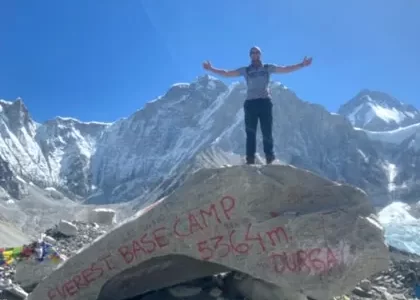
| Highest Point | About 3,880 m | 5,364 m at Everest Base Camp |
| Main Destination | Everest View Hotel and Khumjung | Everest Base Camp and Kala Patthar |
| Difficulty | Easy to Moderate | Moderate to Challenging |
| Walking Time | Generally 3 to 7 hours daily | Generally 5 to 8 hours daily |
| Acclimatization | Shorter itinerary | More acclimatization days required |
| Best For | Short trips, beginners and families with suitable fitness | Trekkers wanting to reach Everest Base Camp |
| Physical Demand | Lower | Higher |
| Everest Views | Excellent views from the Namche and Everest View area | Views from several higher locations along the route |
The Everest View Trek is a practical choice if your main goal is to experience the Everest region, see Mount Everest from established viewpoints and visit Sherpa villages without spending two weeks on the trail.
The Everest Base Camp Trek is more suitable if reaching Everest Base Camp is an important personal goal. It takes you much deeper into the Khumbu region and requires more time to adjust to higher elevations.
Choosing between the two depends mainly on your available time, fitness, trekking experience and whether you want to visit Everest Base Camp itself. The shorter Everest View Trek does not reach Base Camp, but it still provides access to the Everest region and its major mountain viewpoints.
Altitude Sickness: Prevention, Symptoms and Treatment Guide
Even though the Everest View Trek is a shorter trek compared to the Everest Base Camp Trek, altitude sickness may occur. The route reaches approximately 3,880 meters near Everest View Hotel, with overnight accommodation at Namche Bazaar at approximately 3,440 meters.
Trekkers should walk at a slow pace, not attempt to walk further in case they are experiencing the results of the altitude sickness, and report to their guide once they feel ill. Consumption of sufficient water and rest helps sustain overall health, but neither prevents altitude sickness.
If symptoms worsen, descending to a lower altitude and seeking appropriate medical assistance are essential. Our guide will help assess the situation and coordinate necessary arrangements.
Trek Preparation and physical Training
The Everest View Trek does not require technical climbing skills, but basic physical preparation helps you enjoy the experience comfortably. The daily walking is four to six hours with uphill portions to Namche Bazaar. It is advisable to prepare at least four or six weeks before the departure.
Stamina can be enhanced through regular walking, light hiking, stair climbing or moderate cardio exercises like cycling. Making the uphill and downhill walking easier can be done by strengthening the leg muscles with simple exercises such as squats or lunges. Regular hikes with a light pack will also train your body to adapt to trail conditions.
It is important to break in your trekking shoes before the trip to prevent blisters. Mental preparation is also critical since keeping a steady pace and positive mindset improves the experience of the whole trekking process. With moderate preparation, most healthy travelers can complete the Everest View Trek confidently.
Everest View Trek Packing List
You do not need technical climbing equipment for the Everest View Trek. Pack comfortable trekking clothes, warm layers, suitable footwear and basic personal items.
Clothing and Footwear
- Trekking T shirts and trousers
- Fleece or warm jacket
- Thermal layers
- Waterproof jacket
- Warm socks and gloves
- Sun hat and warm hat
- Comfortable trekking shoes
- Camp sandals
Essential Items
- Daypack and duffel bag
- Sleeping bag
- Reusable water bottle
- Sunglasses and sunscreen
- Headlamp
- Personal toiletries
- Small first aid kit
- Personal medicines
- Power bank and charging cables
Documents and Money
- Passport and copies
- Travel insurance details
- Permit information
- Emergency contact details
- Nepali rupees in cash
Optional Items
- Trekking poles
- Snacks or energy bars
- Binoculars
- Camera
- Lightweight gaiters
Keep your daypack light and carry important documents, medicines and valuables with you during the trek.
Nepal Visa Requirements for Everest View Trek Permit
Travelers visiting Nepal for the Everest View Trek require a valid tourist visa. A majority of nationalities are able to secure a visa upon landing at Tribhuvan International Airport in Kathmandu. The passport must be valid for at least six months at the entry date. This five-day trek combined with the travel time in Nepal would normally require a 15 days tourist visa.
Besides Nepal visa, the trekkers require two permits in the everest region. All visitors are required to have the Sagarmatha National Park Entry Permit and KhumbuPasangLhamu Rural Municipality Permit. These permits aid in conservation and development of the local people. They are examined at different stages of the path. When you book the Everest View Trek with us, we arrange all necessary permits in advance to ensure a smooth trekking experience without administrative concerns.
Health Safety and Mountain Emergencies on Everest View Trek
The Everest View Trek continues to focus on safety. Although this is a shorter and lower altitude than the Everest Base Camp trek, the mountain conditions require consciousness and careful planning. The trails are usually clear cut and some sections include suspension bridges, stone steps and gradual ascents.
Our licensed trekking guides are first aid trained as well as high-altitude aware. They bring necessary medical equipment and look after trekkers every day in case of any confusion. Emergency evacuation facilities may be organized to Namche Bazaar or Lukla in the event of a very severe medical condition. The route has health posts in the major villages.
The slow walking pace, hydration, and instructions by your guide all play significant roles in ensuring safe traveling. With proper guidance and preparation, the Everest View Trek offers a secure and rewarding Himalayan adventure.
Transportation
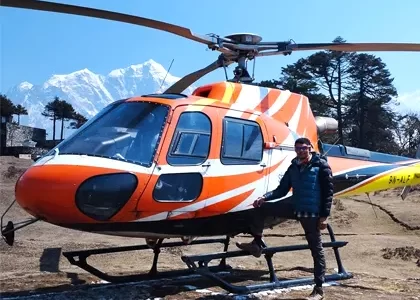
Transportation plays an important role in the Everest View Trek experience. This trip is normally started by the scenic flight of Kathmandu to Lukla, a 30 to 35 minute flight. This is a mountain landing flight that provides scenic sceneries of the Himalayan range and lands on one of Nepal’s most famous mountain airstrips. During some peak trekking periods, flights to Lukla may operate from Ramechhap Airport instead of Kathmandu. When this applies, we will arrange the required road transfer between Kathmandu and Ramechhap before the flight to Lukla.
Sometimes weather conditions in the mountains lead to flight delays. That is why it is better to keep one extra buffer day in your travel plan. After the trek, you spend the night in Lukla at the end of the trip and fly back to Kathmandu. All airport transfers are arranged for your comfort, ensuring a smooth beginning and conclusion to your Everest View Trek.
Extra Expenses on the Trail
While most core services are included in the Everest View Trek package, there are some additional personal expenses to consider. Bottled water, soft drinks, snacks, hot showers and Wi-Fi access at teahouses are usually paid on top of the regular menu. Electric devices can also be charged at a small fee especially in high altitudes where the electric power is dependent on natural solar energy.
It is a practice in Nepal to tip the guides and porters as a sign of appreciation of their support and efforts. Individual spending in the form of a souvenir, bakery food in Namche Bazaar or a gift at a monastery are also extras. As there are few ATM services on the trail, it is advisable to carry enough Nepalese money in Kathmandu. Planning for these minor expenses helps you enjoy the trek without financial stress.
Language and Communication
Communication during the Everest View Trek is generally straightforward. Majority of trekking guides and teahouse workers understand English, and daily communication is not a challenge to foreigners. Local Sherpas also speak Nepali and native Sherpa language. Knowing how to say good simple things like Namaste and Dhanyabaad as hello and thank you respectively will serve to establish healthy and respectful bonds with locals.
Lukla and Namche Bazaar have mobile network coverage, but due to the location of the trail, the signal might become weak in some areas. Internet services are also available in most teahouses at an extra cost, however the speed may be slow owing to remote location in the mountains. It is also recommended to inform the family members about potential connectivity gaps prior to leave. The serene nature is conducive to the travelers since they can disconnect themselves and enjoy the Himalayan scenery despite the lack of communication.
Don’ts during Your Everest View Trek
Respecting local culture and the mountain environment is essential during the Everest View Trek. Littering should be avoided and the waste should always be carried until when there are proper disposal points. Always walk around mani stones and prayer wheels in a clockwise direction and take off shoes before entering monasteries. Requesting to take photos of the local people, particularly monks and children, is a sign of cultural sensitivity and etiquette.
Do not rush or ignore signs of tiredness and discomfort in the altitude. Moving at a slow pace and avoiding dehydration are precautionary measures. Avoid excessive bargaining in mountain villages, the supplies are being ferried to lower areas and the prices are based on the effort. Consumption of alcohol is not encouraged in high altitudes because this can interfere with acclimatization. These are practices that are respectful and following them, the trekkers and the local communities experience a positive experience.
Choosing the Right Trekking Operator
Choosing a trusted trekking company is a crucial move when organizing your Everest View Trek. The company must be a professional company registered with the Nepal Tourism Board and have experienced and licensed guides with first aid training and knowledge of high-altitude awareness. Testimonials and reviews can provide an insight into the quality of the services and the satisfaction of the guests.
An honest operator will elaborate what is included in the package, which includes permits, flights, accommodation, meals and guide assistance. Open pricing prevents unpleasant surprises in the course of the trek. Porters and the staff are also well treated, insured and equipped well by responsible companies.
Prior preparation through clear communication is an indication of good organization and encouragement. The correct trekking operator can also enable you to concentrate on the Himalayan landscape and the Sherpa culture with a certain level of confidence and calmness.
Weather prediction tools and altitude tips
In the Everest region, the weather can change rapidly even in the most appropriate seasons to be used to conduct trekking. Although spring and autumn in general come with stable weather, weather in mountains is unpredictable. Before traveling, it can be helpful to visit reputable forecast websites like Mountain Forecast or Windy, which should offer valuable information about Namche Bazaar and the nearby locations. Nevertheless, the most reliable source of information is local knowledge of experienced guides.
In elevated areas, the temperature may drop considerably at mornings and evenings. Wearing layered clothes allows the adaptation to the changing conditions during the day. Strong sunshine in mountains and cool winds make sunglasses, sunscreen and a warm hat an absolute necessity. Strolling slowly and having frequent water drinks will help in making the thiner air comfortable. Preparing for variable weather ensures a smoother and more enjoyable Everest View Trek experience.


 Customize Your Trip


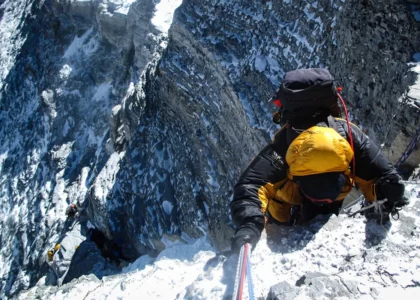



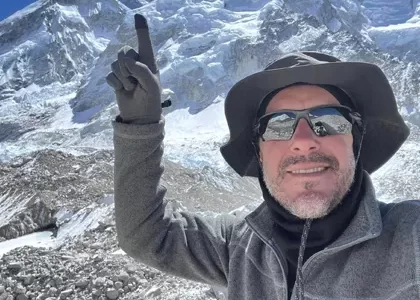
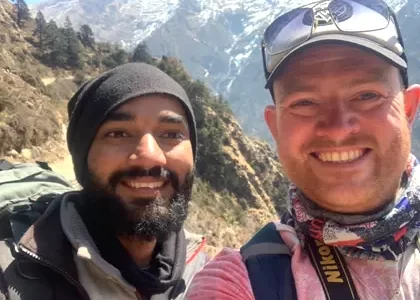
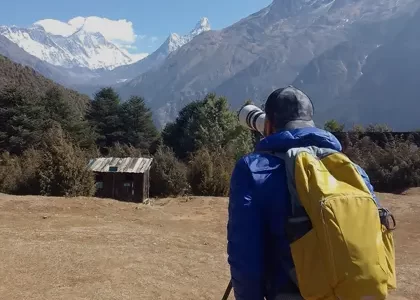


 Enjoy Himalayan scenery with the help of Nepal’s best guides with Government license holders and got training in first-aid, our Trip Leaders, know where you’ll find the best photos, most fascinating wildlife, and the best stream crossings.