Customize Your Trip





Need Help? Let's Talk
+977 985-1095800


20% OFF
Trip Duration 10 Days
Group Size 2-12 people
Maximum Altitude Tsho Rolpa (4,600m)
Difficulty Grade Moderate
Start & End Point Kathmandu/Kathmandu
Best Seasons Mid Sept-Mid Dec
Highlights of Rolwalin valley trek
- Tsho Rolpa Glacier Lake (4,600m).
- Excellent view of the magnificent mountain ranges like Mt. Makalu, Mt. GauriShankar, Mt. Everest range, Rolwaling Valley, and Rolwaling Himal.
- Drolambau Glacier (5,205m).
- Interesting Sherpa Culture.
- Explore unique flora and fauna in this Rolwaling Valley trek region.
Overview of Rolwaling Valley Trek
Rolwaling Valley Trek lies between the Everest and Langtang Himalaya ranges. It is below Gauri Shankar (714R5m) and the south border of Tibet. This region lies between the Langtang range and the Everest range. Rolwaling Valley trekking is one of the hard passes in the Everest Himalayas.
Some of the highlights of this trek are Rolwaling Valley, Khumbu, Tamang Village, and Wonderful views. The Rowling Valley has alpine lakes, hanging glaciers, and moraines. It has high pastures, waterfalls, and an imminent view of snowy peaks in the backdrop.
This Rolwaling Valley trek region is rich in biological diversity and glacial lakes. It contains mountains and isolated villages. More than that, the Rolwaling area is also home to many rare, globally threatened animals.
The Rolwaling Himal, along the Tibetan border, forms the northern edge of a wild. It is a beautiful east-west valley. This area is more isolated. It is also an alternative trail to EBC Trekking, located west of Khumbu.
An alternative route from the busy Everest base camp trail
The Rolwaling Valley trek starts from Dolakha, near Charikot. It is an eight-hour drive from Kathmandu. Rolwaling Valley Trek is one of the most stunning trekkings available in Nepal. We trek following the Rolwaling River.
The area will be rich in flora and fauna because of fewer intruders. The dark, narrow valley of Rolwaling opens wide near the villages of Bedding (3,510m) and Na (4,120m). Beyond Bedding, we climb to the last settlement in the valley: the summer pasture village, Kharka of Na.
From here, we will spend two days exploring the Yalung La region. Engage in spectacular glacier fields and the Tsho-Rolpa glacier lake. Rolwaling Valley Trek shows the hidden Himalayas that remain untouched by many trekkers’.
Take an excellent but strenuous camping-style expedition through the Rolwaling Himal. Cross the Teshi Lapcha La (5755m) into the Solukhumbu. Great views of Mt. Melungtse (7181m), Mt. Dorje Lakpa, and Mt. Tashi Lapcha are visible. It will be an unforgettable experience in the Himalayas.
Best Time to Visit
The best time for the Rolwaling Valley trek is in the autumn (September–December). October and November are best. During this time, the skies are more transparent, and there is almost no rain, so visibility is high.
Another good time is to visit in the spring (March-May). This is the flower-blooming season, so enjoy the rhododendron flowers along the trail. During your Everest trekking, enjoy clear views of the stunning mountain ranges.
Monsoon is not a good time to visit as the visibility is poor, and flights get canceled and delayed a lot at that time. In winter, it is okay to trek in the lower part as the upper part is snowing and very cold. Snow blocks the high passes.
Rolwaling Valley Trek Route at a Glance
The Rolwaling Valley Trek follows the Rolwaling River from the lower villages toward the high alpine settlement of Na and Tsho Rolpa. The route begins with a long drive from Kathmandu before entering the trekking trail at Jagat. We pass through Simigaun, Dongang and Beding before reaching Na, where the landscape becomes more open and alpine. The highest point of this standard itinerary is Tsho Rolpa at about 4,600 meters.
The return journey follows the same valley back toward Gongar Khola before the drive to Kathmandu. This itinerary does not cross Tashi Lapcha Pass or enter the Khumbu region. Travelers who want to continue toward Khumbu can request a separate Tashi Lapcha Pass extension.
| Day | Route | Altitude | Walking / Driving |
| 1 | Kathmandu to Jagat via Charikot | 1,290 m | 9 to 10 hrs drive |
| 2 | Jagat to Simigaun | 2,020 m | 4 to 5 hrs walk |
| 3 | Simigaun to Dongang | 2,790 m | 6 to 7 hrs walk |
| 4 | Dongang to Beding | 3,700 m | About 6 hrs walk |
| 5 | Acclimatization in Beding | 3,700 m | Short local hike |
| 6 | Beding to Na | 4,200 m | 6 to 7 hrs walk |
| 7 | Na to Tsho Rolpa and return to Na | 4,600 m | About 3 hrs walk |
| 8 | Na to Dongang | 2,790 m | About 6 hrs walk |
| 9 | Dongang to Gongar Khola | 1,430 m | 5 to 6 hrs walk |
| 10 | Gongar Khola to Kathmandu | 1,400 m | 9 to 10 hrs drive |
What to pack for your Rolwaling Valley Trek
The Rolwaling Valley trek is challenging, so you need the proper equipment to succeed.
You will sleep in the tea house and eat there, so you must carry your belongings, which are enough to stay out of the cold. Below are some suggested items to take with you while your Everest trekking
- Walking boots are waterproof and have ankle support
- Trainer or casual shoes you can use after a day trek.
- Hiking Shorts (3): Quick drying type, not cotton!
- Trekking Pants (3): preferably, they zip on/off at the knees, so you can also use them as shorts.
- Loose, casual trousers for trekking
- Thermal wear for colder areas
- Lightweight underwear – Capilene or other synthetic.
- Cotton pants or (loose jeans/khakis).
- T-shirts: Cotton for lower altitude walking. The synthetic is good above 2500m.
- Thermal Underwear: Synthetic polypropylene
- Waterproof Jacket. Quality waterproof clothing is essential. A proofed nylon or Gore-Tex jacket is recommended.
- Fleece jacket or pullover.
- Fleece Wind-Stopper jacket (optional).
- Goretex or warm jacket for winter trekking. Bring a down jacket.
- Women’s sports bras, Synthetic
- Strong rucksack or large holdall to be carried by porters
- Daysack to carry valuables such as passport, cash, camera, travel documents personally
- Plastic bags or stuff sacks to store
- Plug adapter 2 round pin
- Trail Map/Guidebook
- Journal & Pen, Pencils, and small notebooks
- Extra contacts or glasses
- Quick-drying towel (medium-sized)
- Toothbrush/paste (preferably biodegradable)
- Multipurpose soap/handwash
- Deodorants
- Nail clippers
- Face and body moisturizer
- Feminine hygiene products
- Small mirror
- Wet wipes
- Sanitizers
- Water purification tablets or iodine
- Refillable Water bottles
- Wool or fleece hat, or balaclava
- Hat or cap for sun protection while trekking
- Sunglasses or goggles
- Warm gloves
- Towel
- Sun lotion
- Lip balm
- Sunglasses protect from day sunlight
- Sleeping bag rated -20 degrees Celcius. You can also get a sleeping bag liner.
- Some Extra pairs of T-shirts and also shorts.
- Trekking pole
- Camera
- Flashlight and battery
- First aid kit (with moleskin for blisters)
Itinerary of Rolwaling Valley Trek
DAY
01
01
Day 01: Drive from Kathmandu to Jagat via Charikot
Early morning breakfast at your hotel. We will take a local bus drive to Jagat to start your Rolwaling Valley trek. The driving distance is about 196 km to the east of Kathmandu.
Due to the dirt road, it will take 9-10 hours. We will drive via Lamosangu (750m.) Charikot (1980m.). Overnight in Jagat in a lodge or homestay.
Jeep
8-9 hrs
Accommodation
Hotel
Meals
Breakfast, Lunch, Dinner
Altitude
Jagat (1,290m)
DAY
02
02
Day 02: Jagat Trek to Simigaun
Today is our first day of Rolwaling Valley trekking, so we make it a short and easy day. The path is quite challenging, though after leaving Gongar, you start walking north up the new road.
After about 45 minutes, you’ll reach Chetchet. After a short trek, we will cross the bridge over the Tamakoshi River. From here, our trail will follow to the lovely village of Simigaon.
The lodges are on the ridge at the top of the village. So, you still have about 40 minutes of walking the minor trails through the town until you get to the lodge.
You can spend the day hiking in the town, or you can visit the small monastery on top. Alternatively, you can enjoy your day by staying at a basic homestay in Simigaun.
Walking Day
4-5 hrs
Accommodation
Homestay
Meals
Breakfast, Lunch, Dinner
Altitude
Simigaun (2,020m)
DAY
03
03
Day 03: Simi Gaun trekking to Dongang
Today, we are walking on the other side of the ridge and up the Rolwaling River valley. Our Rolwaling Valley trek journey today is mostly inside the forest, so we can get a chance to get lost, too.
So always walk together with the group. After one hour of ups and downs, you’ll see two small shacks. We will pass by the beautiful Rhododendron forest before we ascend.
We can meet at a small tea house for a tea break and snacks. In higher places, we will walk in juniper, pine, and Rhododendron forests. We can take a lunch break in the small village of Gyalche.
From here, we will trek to Dongang, which lies on the bank of the river. Here, there are two small homestays run by local ladies. We will stay with one of them.
Walking Day
6-7 hrs
Accommodation
Homestay
Meals
Breakfast, Lunch, Dinner
Altitude
Dongang (2,790m)
DAY
04
04
Day 04: Dongang trekking to Beding
Today is the longest and most challenging day of our Rolwaling Valley trekking. From Dongbang to Bedding, we need to climb almost 1000 m high.
After we cross the Rolwaling Khola, the valley opens, and we get a good view of Mount Chekigo (6257m). After an hour of trekking, you cross the Themlung Khola.
It comes down straight from Gaurishankar. We can also take another three hours trekking up hills to reach Bedding.
Before reaching Bedding, we will pass the small villages of Jobalu, Nyiamare, Ramding, and Chhimu Golche.
The Bedding village is beautiful, and the valley starts widening from here. It is one of the biggest villages in the Rolwaling Valley, overnight in a lodge or homestay.
Walking Day
6 hrs
Accommodation
Homestay/Lodge
Meals
Breakfast, Lunch, Dinner
Altitude
Beding (3700m)
DAY
05
05
Day 05: Acclimatization Day in Beding
We recommend a day to acclimatize as we arrive at a height of 3700m during our trekking. We can have good, easy walking in this village. We can walk to the viewpoint of the village.
From there, you see the best mountain view of Gaurishankar’s north face and the neighboring peaks. There is also a small Gompa about 300m above the village. We can also make an acclimatization walk over there.
Accommodation
Homestay/Lodge
Meals
Breakfast, Lunch, Dinner
Altitude
Beding (3700m)
DAY
06
06
Day 06: Beding Trek to Na
Today, we will walk on the clear and spectacular trail after bedding on our Rolwaling Valley trek. Icefalls and waterfalls fill the valley sides.
We will walk on less barren ground, with only grassland and some Juniper bushes. After about two hours of walking, we will reach the village of Na, which lies on the north bank of the river.
We will visit Nak and another alpine lake called “Dudh Pokhari” (Milky Lake), which lies up the Ripimoshar Glacier. A one-day round trip to both lakes from Na is possible.
Walking Day
6-7 hrs
Accommodation
Homestay
Meals
Breakfast, Lunch, Dinner
Altitude
Na (4,200)
DAY
07
07
Day 07: Trek to Tsho Rolpa and back to Na
Today, we hiked up to Tso Rolpa Lake [4,600m/15,092ft], which took around 3 hours up and down. Visit Tso Rolpa in the morning, trek back to Na for lunch, and spend the afternoon admiring nature’s beauty. You can also rest in the afternoon after the Tsho Rolpa visit.
Walking Day
3 hrs
Accommodation
Homestay
Meals
Breakfast, Lunch, Dinner
Altitude
Tsho Rolpa (4,600m)
DAY
08
08
Day 08: Trek to Dongang
From today, we will do the Rolwaling Valley trek back, mainly on the same trail, descending. Due to the altitude, it is more accessible, but it can be a problem for your knee. Be careful while you walk downhill.
Walking Day
6 hrs
Accommodation
Homestay
Meals
Breakfast, Lunch, Dinner
Altitude
Dongang (2790m)
DAY
09
09
Day 09: Trek to Gongar Khola
We will descend the same way back on your Rolwaling Valley trek. You can better reserve the local bus ticket today for tomorrow’s journey to Kathmandu. If you wish to travel more comfortably, we can arrange a private jeep for you at an extra cost.
Walking Day
5-6 hrs
Accommodation
Lodge
Meals
Breakfast, Lunch, Dinner
Altitude
Gongar Khola (1,430m)
DAY
10
10
Day 10: Drive back to Kathmandu
On the final day of your Rolwaling Valley trek, we will drive back to Kathmandu today. The journey on the dirt road is quite long. It can take about a 9/10 hour drive before you arrive in Kathmandu.
Jeep
9-10 hrs
Meals
Breakfast & Lunch
Altitude
Kathmandu (1,400m)
Includes/Excludes
What's Included?
- Government license holder experienced, trekking guide (trained in Wilderness First Aid& altitude sickness) and porters (1 porter for between 2 trekkers basis) with their food, accommodation, salary, equipment, accidental insurance, clothing, and medicine.
- Transportation from Kathmandu to Jagat and the trek finish point to Kathmandu is by local bus.
- Homestay /Lodges Accommodation during the trekking
- Daily basic local Meals (breakfast, lunch, and dinner) during the trek.
- Trekking Permit for Rolwaling Valley Trek
- Trekker’s information management system (TIMS) card fee.
- Group medical supplies (first aid kit will be available).
- Above the Himalaya duffel bag. ( If you need it too, please let us know before you book the trip and remind us in our pre-meeting at our office.)
- Comprehensive pre-departure information and trip dossiers
- Above the Himalaya Gifts (T-shirt for Gents & Pashmina shawl for Ladies, Trekking certificates)
- Welcome/Fare well Nepali Dinner in Kathmandu.
- All necessary paperwork, office Service charges, and all Government Taxes.
What's Excluded?
- Services in Kathmandu.
- Nepal entry visa fee. You can get a Nepal visa upon arrival at the Airport.
- International Airfare/Airport Tax.
- Alcoholic, hot and cold drinks, hot water, hot and cold showers.
- Personal expenses include laundry, telephone calls, sweets, snacks, beverages, bar bills, and camera battery charging.
- Travel Insurance (Essential – Should include emergency evacuation coverage while trekking up to 5500+ meters).
- Personal trekking gears
- Tips for tour/ trekking staff and driver
- Any other expenses that are not mentioned in the Price Include section.
Flexible Booking and Cancellation Policy
At Above the Himalaya Trekking, we understand that travel plans may change. Our booking policy provides clear terms and flexible options to help you plan your Himalayan adventure with confidence.
A 20% non-refundable deposit is required to confirm your booking, with the remaining balance payable upon arrival in Kathmandu/Pokhara before your trek begins. Departure dates can be changed free of charge at least 30 days in advance, subject to availability.
If you postpone your trip at least 30 days before departure, your deposit can be applied toward another trip within one year, subject to availability and any price differences. Date changes are not permitted within 30 days of departure, and no refunds are provided for early departures or unused services once the trip has started.
For complete details, please read our Booking and Cancellation Terms.
Visiting Rolwaling Valley
The main highlights of this trek are the magnificent forests. And, of course, the giant snow peak, Gaurishankar (7134m). The TshoRolpa is an excellent ice lake. Terminal moraine holds the lake on the way during Rolwaling trekking. The unmarked route goes along the Trakarding Glacier. Climb steeply up onto the Drolambau Glacier.
This place offers an excellent view of the magnificent mountain ranges like Mt. Makalu, Mt. GauriShankar, and Mt. Everest range, Rolwaling Valley and Rolwaling Himal, views of Pachermo and Ramdung Peak. Our itinerary doesn’t go to the Khumbu area. But if you would like to go, you can request that we join the Tashi Lapcha pass and arrive in Khumbu.
If you arrive at Khumbu, you can continue to Everest Base Camp or go back to Lukla and fly to Kathmandu. The Rolwaling trek allows you to Explore Diverse Vegetation, unique climates, topography, and many other beautiful places.
The region is very close to the Tibetan border. Here, you can see people highly influenced by Tibetan culture. The people have adopted Unique Culture and Tradition. People in the villages are very warm-hearted and very kind as well.
How do you get to the Rolwaling Valley trek?
The best way to the start point of the Rolwaling Valley trek is by car. We can take local buses from Kathmandu to Singati. Local bus departures are only in the morning between 6 and 8 a.m.
You can get a private 4WD land cruiser or Jeep to travel more comfortably. We can arrange a private Jeep for you on your request (at an extra cost). On our package, we have included a local bus ride for you. But we can customize it as per your needs. The drive is on the dirt road and can take approximately 8 – 10 hours.
Road Conditions on the Rolwaling Valley Trek
The road journey is an important part of the Rolwaling Valley Trek because both the beginning and ending of your standard itinerary involve long drives between Kathmandu and the trekking area. Your package currently uses local bus transportation, while a private Jeep can be arranged at an additional cost.
Road conditions can vary according to weather and maintenance, particularly on dirt road sections. Travel time can therefore be longer than the estimated schedule. During the monsoon, rain can affect road conditions and may cause delays. Keeping some flexibility in your travel plans is advisable, especially when arranging international flights immediately after the trek.
For travelers who prefer a more comfortable journey, we can arrange a private 4WD Jeep instead of the local bus. This option is particularly useful for small private groups.
Rolwaling Valley Trek Cost
The cost of the Rolwaling Valley Trek depends on the services selected and the size of the trekking group. Your standard package includes local transportation between Kathmandu and the trekking area, accommodation in homestays or lodges, meals during the trek, a trekking guide, porters, permits and the required group support.
Your current package also provides an option to replace the local bus with a private Jeep at an additional cost. A longer itinerary through Tashi Lapcha Pass and into the Khumbu region would also require a separate quotation because it involves additional trekking days and different logistics.
| Cost Item | Standard 10 Day Package |
| Trek duration | 10 days |
| Guide | Included |
| Porter | Included according to your package |
| Accommodation | Homestays / lodges |
| Meals | Breakfast, lunch and dinner during the trek |
| Local transportation | Included |
| Private Jeep | Available at additional cost |
| Trekking permits | Included according to package |
| TIMS | Included |
| Tashi Lapcha Pass | Not included |
| Khumbu extension | Available as a customized extension |
| Personal expenses | Not included |
The table makes your existing price easier to understand without inventing another package price. Your current inclusions already specify these services.
What Affects the Rolwaling Valley Trek Cost?
Several factors can change the final cost of a Rolwaling Valley Trek. Group size is important because guide, porter and transportation expenses can be shared differently between travelers. Transportation is another factor. Your standard package uses local bus transportation, while a private Jeep can be arranged for travelers who prefer a more comfortable journey.
The length of the itinerary also affects the price. The standard package takes 10 days, while an itinerary crossing Tashi Lapcha Pass and continuing toward Khumbu requires additional days, accommodation, meals, staff and specialized logistics.
Extra Kathmandu accommodation, personal expenses, drinks, hot showers, charging and trekking equipment are not part of the standard package unless specifically stated.
Elevation and Distance
The Rolwaling Valley Trek begins with a long but scenic drive from Kathmandu to Jagat at approximately 1,290 meters. Here the road slowly climbs up across the old-fashioned villages of Simigaun, Dongang, Beding, and Na, along the picturesque Rolwaling River valley. The gradual ascendancy enables the trekkers to adapt easily to the rising altitude as the landscapes vary between forests and alpine lands. In this standard Rolwaling Valley Trek itinerary, the highest point reached is Tsho Rolpa Glacier Lake at around 4,600 meters.
The overall hiking distance is about 70 to 90 kilometers, including lateral excursions and all-exploration days. It has a combination of stone steps, forest paths, suspension bridges and glacial moraines. Although the distance is moderate, the elevation gain makes the Rolwaling Valley Trek physically demanding and rewarding at the same time. A comfortable journey should be properly timed and acclimatized.
| Location | Approx. Altitude | Purpose in the Itinerary |
| Kathmandu | 1,400 m | Trek preparation and departure |
| Jagat | 1,290 m | Trek starting area |
| Simigaun | 2,020 m | First trekking overnight |
| Dongang | 2,790 m | Gradual altitude gain |
| Beding | 3,700 m | Acclimatization |
| Na | 4,200 m | High altitude overnight |
| Tsho Rolpa | 4,600 m | Highest point of the standard itinerary |
Challenge and Altitude Sickness
The Rolwaling Valley Trek is considered a moderate to challenging trek due to its remote setting and continuous altitude gain. Others, particularly the stretch between Dongkang and Beding are steep inclines and rough roads. The amount of time spent walking each day is typically five to seven hours, and trekkers should expect rugged terrain and few facilities. Past experience in trekking is an added advantage though good preparation and determination are equally important.
Altitude sickness is a possible concern during the Rolwaling Valley Trek as the trail reaches above 4,000 meters. Such symptoms as headache, nausea, dizziness, and fatigue can be manifested in case the body cannot get used to it. To minimize risks, the itinerary will have acclimatization days at Beding and Na. Walking slowly, drinking a lot of water, and following what the guide advises will help in achieving a safe and enjoyable trekking experience.
Best Season
| Month | General Conditions | Trekking Recommendation |
| January | Very cold with possible snow at higher elevations | Difficult |
| February | Cold with winter conditions at higher elevations | Difficult |
| March | Weather starts becoming more stable | Good |
| April | Warmer days and spring vegetation | Very good |
| May | Good conditions, with pre monsoon weather beginning later | Good |
| June | Rain becomes more frequent | Less suitable |
| July | Monsoon rain, muddy trails and possible road problems | Not recommended |
| August | Continued monsoon conditions | Not recommended |
| September | Weather gradually improves later in the month | Good later in month |
| October | Generally stable and clear | Excellent |
| November | Clear weather with colder mornings and nights | Excellent |
| December | Increasingly cold, especially above Beding | Possible with preparation |
Preparation and Fitness
Good preparation is essential before starting the Rolwaling Valley Trek. Adequate physical fitness is required of trekkers because the trek will cover a number of consecutive days walking in the remote mountainous areas. There is no requirement of being an athlete but you must be comfortable in walking five to seven hours daily in uphill and downhill paths. Such activities can be hiking, jogging, cycling, climbing up the stairs or training in the gym so as to increase stamina and strength of legs.
It is recommended to begin physical training at least four to six weeks before your trek. Mental preparation should also be considered because accommodation is fundamental and the area is not so advanced as the usual trekking destinations. It will help to make the trip pleasant by being adaptable and optimistic. With proper preparation, the Rolwaling Valley Trek becomes a fulfilling and memorable Himalayan adventure.
Travel Insurance
Travel insurance is strongly recommended for the Rolwaling Valley Trek because of its high altitude and remote environment. There are highly insufficient medical facilities in the Rolwaling region, and when there is severe illness or injury, helicopter evacuation might need to be carried out. The trekking activity must be clearly covered by your insurance policy to a minimum altitude of 5000 metres along with emergency evacuation and medical costs.
Unexpected situations such as altitude sickness, accidents, or weather-related delays can occur during the Rolwaling Valley Trek. With a full travel insurance there is financial security and peace of mind on your journey. It is also recommendable to carry along your insurances particulars when trekking. With appropriate coverage, you do not need to worry unnecessarily that you will not be able to enjoy the magnificent sceneries and cultural experiences.
Emergency Rescue and Evacuation
The Rolwaling Valley Trek takes place in a remote mountain region where medical facilities are limited, particularly around Beding, Na and Tsho Rolpa. Most common problems can be managed by rest, hydration and support from the trekking team, but serious altitude sickness, injury or other emergencies may require evacuation.
If an emergency occurs, our guide will assess the situation and coordinate with the local support team and relevant rescue services. Helicopter evacuation may be considered when necessary, although flights depend on weather, visibility and operational conditions.
For this reason, travel insurance is essential for the trek. Your policy should cover trekking at the highest altitude reached on your itinerary and include emergency medical treatment and helicopter evacuation. Keep your insurance details and emergency contact information with you throughout the trek.
Maximum and Minimum Hours of Walking per day
During the Rolwaling Valley Trek, daily walking hours vary depending on altitude, trail condition, and overall itinerary. The trekkers take an average of five to seven hours each day. The day that is the longest and most tedious is commonly between Donggang and Beding, where the road reaches almost 1,000 meters of the elevation. This part involves constant gradual time since the road gets steeper and rougher.
The shorter days of walking are during the acclimatization at Beding or when paying visits to the Tsho Rolpa Glacier Lake at Na, which averages between three to four hours round trip. With these lighter days your body will adapt to higher altitude and you will feel less fatigued. Although the Rolwaling Valley Trek itinerary does not cover extreme daily distances, the terrain and elevation gain make proper rest and hydration very important throughout the journey.
Language and Communication
The Rolwaling Valley Trek passes through remote Sherpa communities where Nepali and local Sherpa dialects are commonly spoken. English is restricted in most villages, particularly the smaller ones such as Donggang and Na. Nevertheless, the trekking guides are well-trained and well-versed with the English language, thus, international trekkers will find it very easy and comfortable to communicate with the tourists.
Because the Rolwaling Valley Trek itinerary is less commercial compared to Everest or Annapurna regions, communication facilities are basic. It is not a bad idea to learn some basic Nepali greetings, like Namaste and Dhanyabad, which can be shared with the local people and build positive relationships. The locals are friendly and hospitable and the polite treatment enriches your cultural experience. Language barriers notwithstanding, it is easy to communicate in the mountains through kindness and smiles.
Internet, Charging and Mobile Network
The Rolwaling Valley Trek is a remote Himalayan journey, and connectivity is limited throughout the region. In some of the lower villages, like Jagat and Simigaun, mobile network coverage is available, but this is of a weak signal or the signal is not available further up into the valley. NTC and Ncell networks can be in practice, however, not always reliable.
Internet access during the Rolwaling Valley Trek itinerary is very limited, and most homestays do not provide Wi Fi services. In certain villages, charging facilities are provided, which are typically run on solar power, and a minimal fee might be charged. A power bank or extra batteries are recommendable. By notifying family members that you will be limited in communication, you will be able to enjoy the trek without worrying about being in constant contact.
Important Don’ts on the Trek
While doing the Rolwaling Valley Trek, respecting local culture and nature is very important. Never take photographs of religious sites or local people without their permission. It is also not advisable to point your feet at prayer flags, chortens and monasteries, which are considered holy to the Sherpa and the Buddhists. Wearing decently and shaking hands with the locals is a sign of appreciation of culture.
Environmental responsibility is equally important during the Rolwaling Valley Trek itinerary. Take home all the non biodegradable waste and use single use plastics when not necessary. Keep on to established tracks and obey the guide, particularly in isolated places. Noise or music should be kept to the minimum level because it rattles the wildlife and the calm mountain environment. Being responsible means the natural beauty of Rolwaling valley is preserved to be enjoyed by future trekkers.
Common Risks During the Trek
The Rolwaling Valley Trek itinerary takes you into a remote and less developed Himalayan region, so understanding possible risks is important. Altitude sickness is one of the primary issues, particularly once it exceeds 3,500 meters. Headache, nausea, dizziness, fatigue are some of the symptoms that should not be overlooked. This schedule will involve acclimatization days to ensure that your body adapts to the schedule and on the way the guide will keep a close check on your state.
Weather in the Rolwaling Valley Trek can also change quickly. It is possible that rain, snowfall or powerful winds can influence the conditions of the trails, especially around Tsho Rolpa Glacier Lake. Part of the trail is rocky and uneven, which also poses a threat of slips or minor injuries. The medical facilities are extremely few in the area, so you should take care of yourself, drink water, and listen to your guide at any moment and instance. Most of risks are mitigated by proper preparation.
Solo Trek – Is It Allowed?
Technically, the Rolwaling Valley Trek is not a restricted area, so solo trekking is allowed. It is however not very recommended because of the distant nature of the location and the underdeveloped infrastructure. The tracks are fewer, and are not always very conspicuous, after Donggheng and up into the upper part of the valley. In the absence of local knowledge, there is a propensity to lose the right path.
Hiring a licensed guide for the Rolwaling Valley Trek greatly improves safety and overall experience. A guide assists in navigation, accommodation, and communication with the local people. Professional assistance would be highly significant in case of some emergency like altitude sickness or injury. Guided trekking would also provide you with an opportunity to get more information on Sherpa culture, mountain history and local traditions and make the experience more meaningful.
Photography and Drone Rules
The Rolwaling Valley Trek offers incredible photography opportunities, including glaciers, alpine lakes, waterfalls, and dramatic Himalayan peaks such as Gaurishankar. Trekkers can make landscape photographs at will. It is however, good etiquette to seek permission before taking pictures of locals, houses, or religious occasions. Small mountain communities always welcome respect to privacy and cultural values.
Drone use in Nepal is strictly regulated, and flying a drone during the Rolwaling Valley Trek requires special permits from the Civil Aviation Authority of Nepal and other government departments. Any unauthorized flight of drones can be fined or confiscated. You are also advised to seek the advice of your trekking company, in case you intend to bring a drone. The natural and cultural beauty of Rolwaling would be taken care of by responsible photography.
Cultural Experience
The Rolwaling Valley Trek is not only about mountains but also about experiencing authentic Sherpa culture. It is also near the Tibetan border, and the traditions of the region are highly dominated by the Tibetan Buddhism. Prayer flags, monasteries, and chortens are observed along the path, particularly in such villages as Beding and Na. Tourists can experience how life is in small mountain settlements that have not been impacted much by the heavy tourism.
During the Rolwaling Valley Trek, you may witness traditional farming practices, yak herding, and simple village lifestyles. It is common knowledge that the folks of Rolwaling are warm and hospitable. By residing in the local homestays, the trekkers are able to keep in close contact with the family and learn more about their culture. This cultural connection adds special meaning to the natural beauty and adventure of the Rolwaling Valley Trek.
Who Should Choose the Rolwaling Valley Trek?
The Rolwaling Valley Trek is a good choice for travelers who want to explore a quieter Himalayan route and are comfortable with several days of walking in remote mountain areas. The standard itinerary does not require technical climbing, but the altitude, steep sections and limited facilities mean that good preparation is important.
Previous trekking experience is helpful, particularly because several days involve five to seven hours of walking. Trekkers should also be comfortable staying in simple homestays and lodges and traveling for several hours by road at the beginning and end of the trip.
This trek is suitable for travelers who want to reach Tsho Rolpa without crossing Tashi Lapcha Pass. Those looking for the high pass crossing and a continuation into Khumbu should choose a separate extended itinerary with the necessary preparation and support.
Can a Beginner Join This Rolwaling Valley Trek?
The Rolwaling Valley Trek is not generally recommended for complete beginners with no trekking experience. This adventure holiday will lead you to a deep Himalayan area with day-long walks, gradual altitude increase, and low-cost hotels. The trail does not involve any technical climbing, although it needs excellent physical condition and psychological preparation.
If you have previous experience in multi-day trekking in Nepal or similar mountain environments, you can consider joining the Rolwaling Valley Trek itinerary with proper preparation. New trekkers might have a difficult time with the altitude and the number of walking hours per day. One should be familiar with walking five to seven hours daily on rough terrain. Through the process of acclimatizing and the help of an expert guide, physically fit hikers can easily make it through this adventure.
A Typical Day on Trek
A typical day on the Rolwaling Valley Trek begins early in the morning with a warm breakfast at your lodge or homestay. Once your day bag is packed, you begin walking down forests, suspension bridges, and traditional villages as you breath in fresh mountain air and serene environment. The speed is sufficiently slow to give time to take a short break, take pictures, and have some hydration.
Lunch is typically taken in a little tea-house on the road. In another few hours you come to your over nighting-place by mid afternoon or late afternoon. The evenings are peaceful and quiet in the Rolwaling Valley. You will be able to unwind, get a simple local meal and have a good view of the mountains during a sunset. The early evenings assist your body to replenish you on the following day.
Trekking Permits
To do the Rolwaling Valley Trek, trekkers must obtain the necessary permits issued by the Government of Nepal. The primary permit that will be needed is the Gaurishankar Conservation Area Permit because the trek is located in this conservation area. It also needs a TIMS card (Trekkers Information Management System), which is used to keep records as well as to ensure safety.
These permits assist in conservation and good tourism within the Rolwaling Valley region. When you book your trek using a registered trekking company, then the permits are normally made through the trekking company in advance of the trek itself. It is also important to carry proper permits which they might be inspected at various points of the trail. The right bit of paperwork will guarantee an easy and legal hiking.
What to Expect from the Rolwaling Valley Trek
The Rolwaling Valley Trek offers a peaceful and authentic Himalayan experience away from crowded trekking routes. You will find rugged and mountainous terrain, glacier lakes and waterfalls, and traditional Sherpas villages that are affected by Tibetan culture. As you rise the view becomes less forest-filled, more high alpine meadows.
Accommodation during the Rolwaling Valley Trek itinerary is basic but welcoming, giving you a chance to experience local mountain life closely. Compared to Everest or Annapurna areas, the trail is less busy, and it suits trekkers who want to enjoy solitude and untamed nature. This hike is an adventure-culture-wilderness experience that is really memorable.
Accommodation, Food and Drink
Accommodation during the Rolwaling Valley Trek is simple and basic due to the remote nature of the region. The majority of the nights are in local homestays or in small mountain lodges managed by village families. The accommodations are mostly twin sharing with basic beds, blankets, and minimal furnishing. Bathrooms are not attached and toilets are shared. There are few heating facilities and therefore nights can be cold in higher locations like Beding and Na.
Food on the Rolwaling Valley Trek is fresh and locally prepared. Dal bhat and noodles, fried rice, potatoes and soups are the most popular food. The menu is restricted in terms of choice to those available in popular trekking areas, yet food is satisfying and nutritious. Hot drinks, tea, and coffee can be ordered, and bottled drinks and snacks can be an additional expense. It is convenient to carry some energy bars during long trekking days.
Standard Rolwaling Valley Trek vs Tashi Lapcha Pass Trek
The standard Rolwaling Valley Trek and the Tashi Lapcha Pass route are different trekking experiences. Your 10 day itinerary focuses on the Rolwaling Valley, Beding, Na and Tsho Rolpa and returns to Kathmandu through the same valley. It does not cross the high Tashi Lapcha Pass or continue into the Khumbu region.
Tashi Lapcha is a much more demanding extension that connects Rolwaling with the Khumbu area. The pass reaches about 5,755 meters and involves high altitude terrain and more difficult trail conditions. If you want to continue toward Khumbu, our team can discuss a longer customized itinerary rather than adding the pass to the standard 10 day package.
| Feature | Standard Rolwaling Valley Trek | Tashi Lapcha Pass Extension |
| Duration | 10 days | Longer customized itinerary |
| Main destination | Tsho Rolpa | Tashi Lapcha Pass and Khumbu |
| Highest point | Tsho Rolpa, about 4,600 m | Tashi Lapcha, about 5,755 m |
| Khumbu region | Not included | Included |
| Technical crossing | Not required | More demanding high altitude crossing |
| Accommodation | Homestays and lodges | May require more basic high altitude arrangements |
| Trekking experience | Prior trekking experience recommended | Strong trekking experience required |
| Return route | Gongar Khola to Kathmandu | Can continue toward Khumbu and Lukla |
| Suitable for | Trekkers wanting to explore Rolwaling and Tsho Rolpa | Experienced trekkers wanting a high pass crossing |
The distinction is important because several Rolwaling itineraries online combine Tsho Rolpa with Tashi Lapcha and the Khumbu region, even though these are not part of every Rolwaling package. Current route information also distinguishes the valley experience from the Tashi Lapcha crossing.
Rolwaling Valley Trek vs Everest Base Camp Trek
The Rolwaling Valley Trek and Everest Base Camp Trek take you into different parts of the Nepal Himalayas and suit different trekking preferences. The standard Rolwaling itinerary focuses on the remote Rolwaling Valley, with the main highlights being the Sherpa villages of Simigaun, Beding and Na, along with Tsho Rolpa at about 4,600 meters. The route is quieter and has fewer trekking facilities than the popular Everest Base Camp trail.
Everest Base Camp Trek follows the established trail through the Khumbu region and is designed for travelers whose main goal is to reach Everest Base Camp. The route passes through well developed trekking villages such as Namche Bazaar, Tengboche and Dingboche, with more accommodation and services available along the way.
Your standard 10 day Rolwaling Valley Trek does not enter the Khumbu region and does not cross Tashi Lapcha Pass. Travelers who want to connect Rolwaling with the Khumbu can request a longer itinerary through Tashi Lapcha Pass. This is a more demanding route and should be planned separately from the standard package.
| Feature | Rolwaling Valley Trek | Everest Base Camp Trek |
| Main attraction | Tsho Rolpa, Rolwaling Valley and remote Sherpa villages | Everest Base Camp, Khumbu Valley and views of Everest |
| Standard duration | 10 days in your package | Usually 12 to 16 days depending on the itinerary |
| Highest point | Tsho Rolpa, about 4,600 m | Depends on the itinerary, with Kala Patthar routes reaching higher |
| Trail environment | Remote, quieter and less developed | More established with heavier trekking traffic |
| Accommodation | Basic homestays and small mountain lodges | Teahouses and lodges with more facilities |
| Road access | Long road journey from Kathmandu to the trekking area | Usually approached through Lukla or another established route |
| Main villages | Simigaun, Dongang, Beding and Na | Namche Bazaar, Tengboche, Dingboche and Gorak Shep |
| Tsho Rolpa | Included in the standard itinerary | Not included |
| Everest Base Camp | Not included | Main destination |
| Tashi Lapcha Pass | Not included in the standard package | Not required |
| Trekking experience | Previous trekking experience is helpful because of the remote terrain and basic facilities | Suitable for prepared trekkers with good fitness and gradual acclimatization |
| Best for | Travelers looking for a quieter route, Tsho Rolpa and remote mountain villages | Travelers whose main goal is to reach Everest Base Camp |
For travelers who prefer less crowded trails and a more remote setting, the Rolwaling Valley Trek is a better fit. It also gives you the opportunity to experience local homestays and villages while reaching Tsho Rolpa without committing to a technical high pass crossing. Travelers whose main goal is to stand at Everest Base Camp and experience the Khumbu trekking route should choose the Everest Base Camp Trek instead.
Tips for First-Time Nepal Visitors
If you are visiting Nepal for the first time to join the Rolwaling Valley Trek, a few practical tips can make your journey smoother. In Kathmandu Airport, they can get tourist visas on arrival. Passport size photos and USD in terms of visa fees are recommended. As there are no ATM machines in Rolwaling, you must change enough Nepali money outside Kathmandu.
Respect for local culture is important during the Rolwaling Valley Trek itinerary. Wear simple clothes in the villages, take off shoes before entering in the house or monasteries and say Namaste. The road and weather conditions in Nepal also lead to delays at times and it is always good would be more patient and flexible. Hydration, consumption of freshly prepared meals and carrying personal medicines will also help to make the trekking experience comfortable.
Frequently Asked Questions About the Rolwaling Valley Trek
The standard Rolwaling Valley Trek usually takes around 10 days, depending on the itinerary and side trips. There are others who even hike through the Tashi Lapcha Pass to the Everest.
The Rolwaling Valley Trek offers views of glacial lakes, spectacular Himalayan scenery, and traditional Sherpa villages. Its remote trails, peaceful surroundings, and fewer trekkers make it a distinctive trekking experience in Nepal.
Yes, the Rolwaling Valley Trek can be customized based on your schedule and fitness level. You can also use additional acclimatization days or a combination of it with other trekking paths.
You must be able to walk a number of hours each day in an uneven surface. The trek will be enjoyable, and so will be a reasonable degree of cardiovascular fitness and leg strength.
Yes, travel insurance is strongly recommended due to the remote and high-altitude nature of the Rolwaling Valley Trek. It offers financial coverage should there arise medical emergencies, accidents or unplanned travel inconveniences.
Even though it is not illegal to walk alone, it is highly advisable to retain the services of a licensed guide because of the remote area and the lack of trail markings. A guide enhances security, navigation and general knowledge of the area.
Accommodation along the Rolwaling Valley Trek mainly consists of small mountain lodges and local homestays run by village families. These facilities are simple and not as good as the renowned trekking areas but clean, simple and provide a warm and friendly atmosphere.
Food along the Rolwaling Valley Trek is simple, fresh, and locally prepared by lodge owners. The meals that are most prevalent are dal bhat, noodles, fried rice, potatoes, soups, and simple vegetable meals.
It is usually believed that autumn and spring are the most suitable seasons to go on this trek. The months are also clear with consistent weather and improved visibility of the mountains.
Layered clothing is highly recommended for the Rolwaling Valley Trek. This enables you to adapt without any problem to the changing temperatures all through the day. A warm down jacket is imperative, particularly in higher altitudes and in cold nights. When the sun goes down the temperatures may drop considerably.
Reviews on Rolwaling Valley Trek
Posted on Tripadvisor 

H H
9 December 2025
 Verified
Thank you for the best tour we have ever had!
I planned to stay at the Everest View Hotel this time and travel there because I wanted to see Everest, the highest mountain in the world, slowly, but despite the short schedule due to my children's school, all I got was a response that it was difficult to contact several tour companies. The Himaraya Trekking, Above, has worked out a smooth and safe schedule and had the best experience for me and my family. I will never forget the view of Mount Everest. Thank you very much.
Posted on Tripadvisor

Mike F
26 November 2025
VerifiedAnother Amazing Trip with Above the Himalaya
This is my 3rd trip with Above the Himalaya and Puru. Each trip with Puru has exceeded expectation with the quality of the guides, porters and attention to detail. We were a team of 5 trekker and our ages were all above 67 years of age with the oldest being 73. We are all experienced hikers and trekker and our plan was to trek up the Khumbu Valley to the Cho La pass to Gokyo to the Renjo La pass to return to Lukla. However, the weather altered our plans as Cyclone Montha blanketed the country in rain at lower elevations and significant snowfall at the upper elevations. Due to the weather, no one was trekking and everyone was staying put in their current location during the storm. All the passes were closed due to the deep snow. We were in Namche when the storm was blanketing the country.This is where Above the Himalaya really shines is in the ability to adapt to the changing conditions and our safety. In conversation with our lead guide, we decided to alter our route to trek through the Gokyo valley to reach Gokyo and then do the Renjo La pass. Sitaram our lead guide and Dhurba our assistant guide was both attentive to the changing conditions and always kept a keen eye for how we were doing and feeling on the trek. The pacing was excellent as none of us had any hint of altitude sickness as we reached a maximum elevation of 5,365m.Having trekked and hiked all over the world with different tour companies, Puru’s company is simply the best. The communications, focus on safety, the guides and staff, the accommodations, and the food are all amazing. All you have to do is focus on the beauty of the mountains, enjoy the joyfulness of the Nepali people and have fun exploring the trails. I am planning my next trip with Puru for 2027 as there is no other trekking company to match Puru’s level of service.
Posted on Tripadvisor

Mie K. A.
25 November 2025
VerifiedTake a small step into the Himalayas
I went with Above The Himalaya Trekking’s Everest View Hike in November 2025 and can only recommend with my whole heart!I had never visited Nepal or the Himalayas before and had a life long dream of seeing Mt Everest. I had though, hiked a lot in various parts of the world, but never above 2000 m, so I went with the five day Everest View Trek to take a small step and see how I would handle the altitude. From first enquiry about dates and various questions, to my arrival back from the trip, Puru has been an invaluable help, always standby on mail and WhatsApp, pulling strings and making things happen.Also big shout out to the amazing guide I was teamed with, Kamal, who did everything he could to answer all my curious questions about vegetation, animal life, Nepalese culture and everything in-between :) Kamal was the perfect gentleman, offering little treats and reminding me to take breaks, and all in all I felt very safe and in good hands all the time. He also had good banter and jokes, which lifted the spirit of even the hardest climb.It was cold most nights and mornings and even though the tea houses provided heavy blankets (and I could borrow extra) I was glad I had the sleeping bag with me, which I rented through Puru. But I could definitely have survived without and saved the space in my pack.In total, I’m very pleased I’ve got to experience this lovely country with Above the Himalaya Trekking and if I ever come back for the big leap into the mountains, I’ll chose Kamal and Puru all over again :)
Posted on Tripadvisor

nameless
25 November 2025
VerifiedNepal trek-Gokyo
Second trek with Above the Himalaya, this time to Gokyo and over Renjo La. Our lead and assistant guides (Sitaram and Dhurba) were excellent. Due to several days of rain at lower elevations and snow higher we needed to change our plans while in the midst of our trek. Above the Himalaya accomplished this smoothly and flawlessly, which ultimately resulted in a better experience. We’ll be back!
Posted on Tripadvisor

Yu S
22 November 2025
VerifiedGreat Experience and Friendly people.
We had a great time with Above the Himalayas tour company in Oct. Ajay, the tour guide in Kathmandu is very friendly and knowledgeable. He took us to a lot of places that we can experience local authentic daily life. Puru, the owner, arranged and organized our trip in such way that we really feel comfortable and enjoyable. We are specially impressed by his quick action and management skills. Our flight to Pokhara got cancelled due to bed weather. Within minutes, Puru was able to arrange a car and a driver to drive us to Pokhara! It saved out trip.
Posted on Tripadvisor

Sally M
14 November 2025
VerifiedGlorious trekking experience - ABC
We had the most wonderful experience doing the Annapurna Base Camp trek with our fabulous guide, Tanka, and porter, Ravi. The trek was glorious, despite some rainy days, and although we weren't sure we would get to see the peaks at ABC, the weather cleared just in time and we had an amazing sunrise there. What made the whole trip so special, though, were Tanka and Ravi, who remained cheerful at all times and went out of their way to make everything as good as it could be. This included setting a pace with regular breaks which made the walking completely manageable, modifying the itinerary so we could visit additional villages, getting up in the middle of the night to see if the sky would be clear for sunrise, and bringing a sense of ease and humour to all our interactions. We just loved the whole thing and are keen to return to Nepal for another trek. It was magical!
Posted on Tripadvisor

Peter E
27 October 2025
VerifiedAbove the Himalayas goes above and beyond expectations!
From start to finish everything was perfect! Puru, the managing director, was always quick with his responses to my questions when I first contacted him about planning our trek, and he continued to check to see that everything was going well throughout.Our guide Tanka and porter Ravi were fantastic! Their friendly demeanor kept our experience lively and interesting the entire time and made sure that we were well taken care of. Even small details like Ravi coming in and double checking our rooms to see that we had left nothing behind before leaving each morning, and seeing that meals were prepared the way we liked them weren't overlooked. Tanka was also quite knowledgeable about the mountains, the people, and just about everything "Nepal". He enthusiastically shared stories about his family and Nepalese life in a general way.Although there was a clear itinerary each day, and for the whole trek, Tanka allowed for flexibility in terms of time and where to stay. He was even willing and able to make changes to same-day accommodation based on how far we anticipated hiking that morning. I can't say enough about how much we enjoyed our hike and I would definitely recommend Above the Himalayas for anyone considering a trek.
Posted on Tripadvisor

Akane U
25 October 2025
VerifiedAmazing tour
For me and my son, Pru thought of a four-day trekking tour.His interaction was very smooth.On the first day, I went with my son to Gandrouk, and on the second day, he went to a higher place (mulde view point, Poon hill) with his guide Ashok. Ashok was very kind and took me to various local places. The food was also very good.My guide, Tangka, was very kind and helped me a lot.I recommend this travel agency because it's great.
Posted on Tripadvisor

Daniel F
24 October 2025
VerifiedEverest Base Camp Trek
My friends and I just completed the EBC trek. From the time I met Puru at the Canada Place trade show in Vancouver BC, Canada I felt comfortable going to Nepal. His communications via WhatsApp were seamless answering all our questions. Everything went exactly according to plan. Our guide Suresh was amazing. He took very good care of us the whole time. From guiding us to making sure we had everything we needed to be happy. The food the whole way up and back was amazing! 5 ⭐️. Our 2 porters were great as well. I have a whole new respect and appreciation for what they do. They are the true hero’s to what we can do as a team. We chose the basic trek the lodging was to be expected. If I was to do again I would choose the luxury trek. The hotels in Kathmandu at the Hotel Aloft and the Hotel Lo Mustang were top notch as well as the buffets. Highly recommend this local company!
Posted on Tripadvisor

adrienne h
24 October 2025
VerifiedGreat tour, would recommend!
My friend and I completed the 10 day Annapurna circuit with Above Trekking Himalaya. Buddha our porter was a little mountain goat, pocket rocket. When I got altitude sickness he carried my bag, as well as mine and my friend’s big pack. He was friendly and loved to played cards with us, always with a cheeky smile on his face. Sitaram our guide was very knowledgeable of the area and quite serious. He was always available if we had any questions and went above and beyond to try get us the best/quietest rooms in the tea houses. Puru was fabulous working behind the scenes to ensure our trip was as smooth as possible. He was very quick to respond to any messages. It was a great experience to see Nepal with some locals and I certainly appreciated their support when I succumbed to altitude sickness. They stayed close to us the whole time and checked in frequently making us feeling safe and supported the entire time.
Verified by Trustindex
Trustindex verified that these reviews were published on Above the Himalaya Trekking - Private Day Tours's Tripadvisor profile. Learn more

Fiona + Ken
Melbourne, Austrtalia
Rolwaling Trek - We enjoyed it alot.

We went on a 12-day Rolwaling Valley trek with Above The Himalaya Trekking. From the moment They picked us up from the airport, we were well looked after. We felt very confident in Above The Himalayan Trekking.
Puru and our guide, Dhurba, could answer all our questions and ensured that we were well prepared. On the trek, we felt great with Dhurba’s knowledge of the area. He looked after us so well, always making sure we were happy.
We were comfortable and well-fed. We will be recommending AHT to our friends in
Australia and New Zealand.
Fiona + Ken.
Melbourne, Australia
Rafal Tkaccyk
Poland
Rolwaling Valley Trek - We had best time.
We are delighted we have booked with your company as we had a wonderful time. Our guide was an amiable and knowledgeable person.
He is always assigning our needs and is open to our suggestions. Every aspect of our faith and all arrangements went smoothly. We didn’t have any problem with accommodation or food.
I would recommend “Above The Himalaya” as the first trekking agency.
Rafal Tkaccyk
Poland
Michael Beck
Zurich, Switzerland
Our best trip to Rolwaling valley trek
We booked our Rolwaling Valley trek with Above the Himalayan Trekking. We were delighted with the hike as well as the service.
Our guide spoke good English and was very friendly and professional. The porter was also very friendly and courteous.
There was a great atmosphere during the trip. Everything was very organized. I would book my next tour in Nepal again with Above the Himalaya and recommend the tour operator.
Michael Beck
20% OFF
Enjoy the best prices, flexible date changes, and instant booking confirmation.
Book This TripBook with Confidence
- Easy Booking: Secure your trip with just a 20% deposit.
- Flexible Date Changes: Free changes at least 30 days before departure.
- One-Year Deposit Credit: Use your deposit for an eligible postponed trip within one year.
- Private & Personalized: Flexible itineraries and group sizes.
- Experienced Local Guides: Professional guidance and support throughout your trek.
- Best Value: Competitive prices with clear package inclusions.
Your Trek Leader
 Enjoy Himalayan scenery with the help of Nepal’s best guides with Government license holders and got training in first-aid, our Trip Leaders, know where you’ll find the best photos, most fascinating wildlife, and the best stream crossings.
Have Questions?Talk to Expert
Meet Mr. Purushotam Timalsena (Puru), Nepal's best trek and tour organizer, who has been working in the Himalayas for more than 24 years.
WhatsApp/Viber +977 98510 95 800



You May Like




Trips for All
Private Trip
Peaceful tour with your travel buddy and guide
Small Group Travel
Travel with people having similar adventure dreams
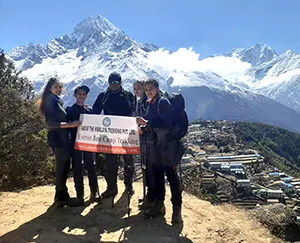
Trips for Kids
Calling all young adventurers - join us for a journey of a lifetime!
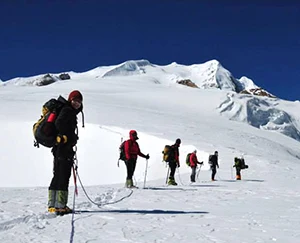
Trips for Adventurers
Climbing & mountaineering adventures for thrill-seekers