Customize Your Trip



Need Help? Let's Talk
+977 985-1095800Mardi Himal and Khopra Danda Trek – 13 Days


Trip Highlights of Mardi Himal and Khopra Danda Trek – 13 Days
- Off-the-beaten-path Annapurna journey: Mardi Himal with Khopra Danda trek ridges
- Stunning sunrise panorama from Poon Hill (3,210m) and Mardi Himal Base Camp (featured on this Mardi Himal with Khopra trek)
- Breathtaking views of Annapurna, Dhaulagiri, Machhapuchhre (Fishtail), Nilgiri, and more
- Cultural experience in Ghandruk (Gurung heritage village) and Swanta (Magar community)
- Optional visit to relaxing natural hot springs at Jhinu Danda on extended Mardi Himal and Khopra Danda Trek itineraries
- Comfortable mountain lodges and Nepali meals en route
Route Map & Altitude Chart

Most Asked Questions by Travellers
The normal schedule covers 13 days, arrival and departure in Kathmandu. The mountains have 11 entire trekking days. The trip can also be a bit shortened by omitting the last Poon Hill morning hike in case there is a necessity.
Mardi Himal with Khopra trek is considered a moderate one. You will walk 5-7 hours per day on mountainous paths, which are not even with some steep uphill and downhill tracks. The trekkers need to be in fine physical condition and have some experience in hiking. The biggest problem is altitude though there is an itinerary that will involve creating an acclimatization to reduce the risk.
Mardi Himal Base Camp, which is at 4,500 meters (14,763 ft), is the highest point. Khopra Danda has a panoramic point of 3,660m. The Trek is a gradual uphill climb that takes a few days to enable acclimatization.
For the Mardi Himal and Khopra Danda trek, the ideal seasons are spring (March-May) and autumn (September-November). The weather in these months is generally clear, and the mountain scenery is excellent. The June (monsoon-June- Aug) season is wet and contains leeches and will make the trails slippery. Winters (Dec-Feb) are chilly and may drop to freezing point in the high camps.
Any foreigners must have a Nepal tourist visa (which can be obtained upon arrival in Kathmandu, 15/30/90 days). The cost of a 30-day visa is currently approximately US$50. To do trekking, you require an Annapurna Conservation Area Permit (ACAP, about US 25) and a TIMS card (about US 17). These permits will be arranged by Above The Himalaya. Bring duplicates of your passport to the checkpoints.
Yes. This trek is accompanied by a certified English-speaking guide and porters. We usually provide one porter who will transport the equipment of two trekkers. The guide leads the path, provides time and rescue assistance, and even the duffle bags of your heavy luggage are transported by porters (you bring only a daypack).
You will remain in mountain lodges (teahouses) on the trail. Rooms are basic twin-share rooms (with simple beds, blankets, and pillows). The majority of lodges consist of shared bathrooms. The package comprises 10 nights in lodges and 2 nights hotel in Pokhara (with attached bath). Lodges include hot food and frequent wood fires.
Exercise in advance using cardio exercises (running, cycling, stair climbing) and hiking. Training in carrying a backpack on hilly slopes. Target to walk 5 or more hours with ease. Use squats and lunges to strengthen legs. When there is time, do some practice climbs at higher elevations. Mental training is also significant: one should be okay with high-altitude days and prepared against changeable weather.
In tea houses, you are going to have Nepalese food, mostly dal bhat (lentils and rice), vegetable curries and soups, as well as western cuisine such as pasta, omelets or noodles. Breakfasts, lunche,s and dinners will be provided in all the trekking days. It has vegetarian alternatives and meat. Tea, coffee, and snacks are also sold in Lodges. At altitude, it is prudent to take as much water as possible and not to miss a meal.
Mountain lodges usually provide blankets, but we recommend bringing a warm sleeping bag suitable for cold Himalayan nights. A sleeping bag and down jacket can be provided on loan if needed, subject to availability. These items must be returned after the trek.
Yes, trekking up to 4500m with helicopter evacuation travel insurance is needed. It must also include medical treatment and cancellation of trip. Before trekking, you have to present evidence of insurance. It is important to note that the rescue cost in Nepal is very expensive since it is high-altitude.
A: The itinerary is timed in such a way that it is likely to reduce AMS, but it is still possible. The mild symptoms (headache, nausea) are treated with rest, hydration, and medication (when prescribed). In case a patient experiences severe symptoms (confusion, severe headache, difficulty breathing), we will descend at once. The guide contains oxygen and pulse oximeter. The guide should be made aware of any symptoms at all times.
Cell phone service (NTC/Ncell) can be found in large villages (as far as Tadapani/Ghorepani). Mobile network coverage becomes less reliable in remote mountain areas, especially around the higher Mardi Himal and Khopra Ridge sections. NTC and Ncell reception varies by location, terrain, and weather. Do not rely on continuous mobile data or phone service throughout the trek.
In Kathmandu or Pokhara, you can purchase a Nepali SIM card with data. All lodges are electric (solar or generator) to charge (fee c. NPR 200-300 per device), whereas Wi-Fi is only in Pokhara and some big villages (fee). Bring a power bank.
No. The mountain villages do not have any ATMs. It is possible to withdraw money only in Kathmandu and Pokhara. There are no reliable ATMs on the trekking route, so bring all necessary cash from Pokhara. The last thing is to procure sufficient Nepalese rupees in Pokhara after you have had the first night. The lodges take only cash and therefore prepare.
The official language is Nepali. Gurung or Magar dialects can also be heard in the villages. The guides, lodge staff, as well as the youth have a wide knowledge of English. It is welcome to learn some Nepali expressions (e.g,. Namaste to say hello, Dhanyabad to say thank you). Generally, communication is not a challenge.
Respectful behavior is key. Greet by shaking hands- Say Namaste. Wear simple (keep shoulders and knees covered) clothes in villages and temples. Take off shoes and hat when entering a home or a temple. It is always important to inquire before taking photographs of people. Do not display affection in the streets. Accept invitations (e.g., tea) and take what is presented. Be attentive to sacred places and never disrespect community practices.
Photography is all right, particularly of scenery and temples. Drones must, however, have Nepalese licenses (NCAA), and they are not efficient in a trekking tour and hence, we do not recommend the use of drones. Never violate privacy: do not take pictures of other people without their consent. The stunning scenery, wildlife, and village life on the Mardi Himal and Khopra Danda Trek are more than enough for memorable photos.
Plan to spend about NPR 1,500–2,000 (US$12–18) per day on extras (drinks, snacks, tips, etc.). We include all major meals, so cash needs are relatively low. Bring a mix of denominations (NPR 100, 500) since small change can be hard to get. It’s wise to have at least NPR 30,000–40,000 ($250–300) total for the trip.
The trek is possible for teens 12+ who are fit and experienced hikers, but it’s challenging. Long days (6+ hours) and high altitude can be tough on younger kids. We do not recommend very young children. If you must trek with kids, let us know: we can adjust the pace and camping nights, but extra precautions are needed.
Yes. Important gear includes sturdy waterproof hiking boots, a warm insulated jacket, layered clothing (long-sleeve shirts, fleece), waterproof rain gear, gloves, and a warm hat. Trekking poles are highly recommended for balance. Sunglasses, sunscreen, and a water bottle (or hydration system) are essential. We provide a good sleeping bag and a down jacket if you rent them. Check our packing list for details.
Reviews on Mardi Himal and Khopra Danda Trek – 13 Days
Be first to post a review in this trip.



Enjoy the best prices, flexible date changes, and instant booking confirmation.
Book This TripBook with Confidence
- Easy Booking: Secure your trip with just a 20% deposit.
- Flexible Date Changes: Free changes at least 30 days before departure.
- One-Year Deposit Credit: Use your deposit for an eligible postponed trip within one year.
- Private & Personalized: Flexible itineraries and group sizes.
- Experienced Local Guides: Professional guidance and support throughout your trek.
- Best Value: Competitive prices with clear package inclusions.
Your Trek Leader
 Enjoy Himalayan scenery with the help of Nepal’s best guides with Government license holders and got training in first-aid, our Trip Leaders, know where you’ll find the best photos, most fascinating wildlife, and the best stream crossings.
Have Questions?Talk to Expert
Meet Mr. Purushotam Timalsena (Puru), Nepal's best trek and tour organizer, who has been working in the Himalayas for more than 24 years.
WhatsApp/Viber +977 98510 95 800



You May Like




Trips for All
Private Trip
Peaceful tour with your travel buddy and guide
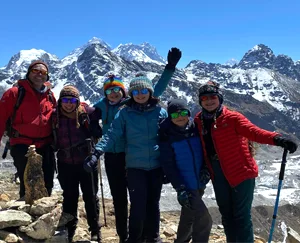
Small Group Travel
Travel with people having similar adventure dreams
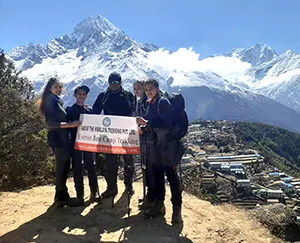
Trips for Kids
Calling all young adventurers - join us for a journey of a lifetime!
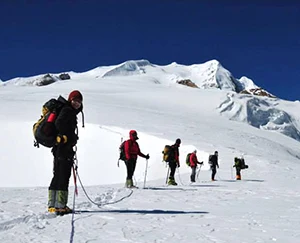
Trips for Adventurers
Climbing & mountaineering adventures for thrill-seekers