Customize Your Trip



Need Help? Let's Talk
+977 985-1095800Bhutan Cultural Tour – 6 days


Tiger Nest Monastery
Trip Highlights of Bhutan Cultural Tour – 6 days
- Explore lifestyles guided by the Buddhist philosophy.
- Visit living monasteries where monks chant age-old prayers that have been passed down through the ages.
- Experience a society that uses Gross National Happiness rather than GDP to measure development.
- See traditions maintained by a tourism model that aims to preserve rather than exploit history.
- Learn about the sacred festivals (tshechus) where Bhutan’s spiritual heritage is told through masked dances.
- Understand how rituals, food, attire, and architecture all add to a united cultural identity.
- Take part in 13 traditional Bhutanese art forms that are performed just as they were several centuries ago.
Most Asked Questions by Travellers
 General
Bhutan cultural tour is a journey where travelers can enjoy both cultural and natural aspects in Bhutan.
With visits to the majority of popular monasteries and spiritual locations in Bhutan, you can explore the rich history and traditions celebrated there.
Typical duration for a cultural trip to Bhutan is 6 days. However, you can opt for a longer duration by extending the same trip or opting for a longer itinerary.
Yes, Bhutan is suitable for family and senior travelers. It can be suitable for solo travelers if they hire a guide from a licensed tour operator.
Yes, the majority of hotels and certain cafés have Wi-Fi. The connection may be slow or unreliable in rural locations. If you purchase a local SIM card, mobile data (B-Mobile or TashiCell) is available in most places.
If your travel dates match the festival schedule, you are welcome to attend a Tshechu. These celebrations take place all year round in various districts. If you ask your tour operator to plan your vacation around a festival, they will agree.
No, photography is not allowed inside most monasteries.
 Preparation & Fitness
Yes, it is recommended that you be physically fit for a cultural tour in Bhutan because it will help you stay active and experience most elements in the journey without hassle or physical difficulties.
Yes, you will be able to go on a day’s hike to the Tiger’s Nest monastery with your typical Bhutan cultural tour package.
You can prepare for the trip by contacting a reliable tour operator beforehand, making a packing list, and doing proper research on Bhutan and its culture.
 Permits
The permits required to enter Bhutan include A Bhutan visa, Sustainable Development Fee (SDF) clearance, and an entry permit given to travelers upon arrival.
Yes, the tour operator arranges all permits, including visa processing.
Yes, special temple and dzong entry permits are required for certain sites.
 Insurance and Visa
Yes, travel insurance can be mandatory for visiting Bhutan as it covers emergency evacuation and can help with travel cancellation.
You can apply for a Bhutan tourist visa via a Bhutanese tour operator with alid registration. They provide the Tourism Department with your passport information, trip dates, and visa fee. Upon approval, you are given a letter confirming your visa, which you present to immigration upon arrival.
Yes. Since many locations in Bhutan are higher than 2,500 meters, your travel insurance should include high-altitude coverage. It is advised to obtain basic trekking coverage if your vacation involves hiking or the Tiger’s Nest trek.
 Guides & Support Staff
Yes, a licensed Bhutanese guide or a guide who is fluent in the local language is compulsory for all tourists.
The guides usually speak Bhutanese, English, and a majority of languages, as do the travelers from different countries, including European countries, other Asian countries, etc.
Yes, supported staff is included for both large and/or private groups through your Bhutan cultural tour package.
 Accommodation and Facilities
You can expect both budget-friendly and luxurious hotels and lodges during your Bhutan cultural tour.
Bathrooms can be private when you are staying at a more luxurious hotel. Budget-friendly lodges may require you to share toilets.
Yes, hot water and electricity are available everywhere in Bhutan. You may be charged extra for hot water.
 Food and Drinks
In addition to basic continental or Indian food, visitors are provided with traditional Bhutanese cuisine. Ema datshi (chili and cheese), red rice, vegetable curries, beef or chicken dishes, soups, noodles, and dumplings (momos) are some popular local foods. Tea, butter tea, and seasonal fruits are common snacks.
Yes, dietary restrictions can be accommodated, especially if you are staying in a luxurious hotel or eating at a lavish restaurant. Some basic budget restaurants may also accommodate a few dietary restrictions.
No, we do not recommend that travelers drink tap water in Bhutan. It would be best for you to carry a water purification tablet and a personal water bottle, besides buying bottled water.
 Weather & Seasons
The best seasons for a cultural tour in Bhutan would be autumn and spring.
Yes, the weather is likely to vary between valleys and high passes, with the valleys being comparatively warmer than the high passes.
Yes, your itinerary can change due to weather, especially in seasons like winter and summer.
 Health & Safety
Altitude sickness is not a concern on a cultural tour. But all travelers must stay alert about their health when they are hiking to Tiger’s Monastery. They can always hike gradually for guaranteed safety.
Yes, medical facilities, including smaller clinics and more facilitating hospitalssare available in major towns.
Bhutan cultural tours are safe for solo female travelers, given they have fulfilled all documentary needs and are traveling with a licensed guide from a dependable tour operator.
 Packing & Gear
Pack warm layers, long pants, long-sleeve tops, a jacket, gloves, a scarf, a raincoat, and comfortable walking shoes.
While you don’t need any specific equipment, you should pack a modest shawl and socks for temple visits.
Yes, you have to wear modest clothing with covered shoulders, long skirts, or long pants. You should not wear caps inside, and in some places, remove your shoes.
 Booking & Payment
If you plan to go during festival season, you should make reservations three to four months in advance.
Bank transfers, foreign payment gateways, and occasionally credit cards are accepted by tour operators.
The company’s policy controls refunds. The visa fee and some lodging expenses might not be refundable, but many provide partial returns.
 Transportation & Flight
Usually, you travel through Delhi, Kathmandu, Bangkok, or Singapore before arriving in Bhutan via Paro International Airport.
Yes, there are a few domestic flights to Gelephu and Bumthang, but they are seasonal.
Depending on the size of the group, passengers travel in cozy private vehicles, SUVs, or minibuses.
Reviews on Bhutan Cultural Tour – 6 days
Be first to post a review in this trip.


Enjoy the best prices, flexible date changes, and instant booking confirmation.
Book This TripBook with Confidence
- Easy Booking: Secure your trip with just a 20% deposit.
- Flexible Date Changes: Free changes at least 30 days before departure.
- One-Year Deposit Credit: Use your deposit for an eligible postponed trip within one year.
- Private & Personalized: Flexible itineraries and group sizes.
- Experienced Local Guides: Professional guidance and support throughout your trek.
- Best Value: Competitive prices with clear package inclusions.
Your Trek Leader
 Enjoy Himalayan scenery with the help of Nepal’s best guides with Government license holders and got training in first-aid, our Trip Leaders, know where you’ll find the best photos, most fascinating wildlife, and the best stream crossings.
Have Questions?Talk to Expert
Meet Mr. Purushotam Timalsena (Puru), Nepal's best trek and tour organizer, who has been working in the Himalayas for more than 24 years.
WhatsApp/Viber +977 98510 95 800



Trips for All

Private Trip
Peaceful tour with your travel buddy and guide
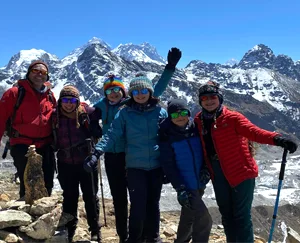
Small Group Travel
Travel with people having similar adventure dreams
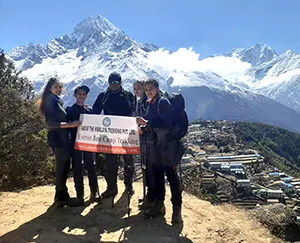
Trips for Kids
Calling all young adventurers - join us for a journey of a lifetime!
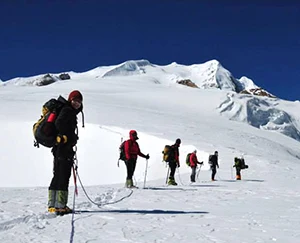
Trips for Adventurers
Climbing & mountaineering adventures for thrill-seekers