Customize Your Trip


Maha Shivaratri Festival in Nepal: Date, Rituals & Celebrations

What Is Maha Shivaratri?
Maha Shivaratri is the festival in which Lord Shiva is worshiped. Lord Shiva is also considered the supreme god of Hindus. On this day, people visit different Shiva temples. Devotees worship Lord Shiva for the well-being of their families and the world.

Maha Shivaratri in Nepal
Maha Shivaratri is one of Nepal’s major Hindu festivals. Its name means the Great Night of Shiva, and it is celebrated on the fourteenth day of the waning moon in the Hindu month of Phalguna.
Maha Shivaratri usually falls in February or March, during the Nepali month of Falgun. Maha Shivaratri is celebrated in Nepal and the western part of India. This day is significant for the people as the principle of Lord Shiva is believed to be most active during this day.
Pashupatinath Temple in Kathmandu is one of Nepal’s most sacred Hindu temples dedicated to Lord Shiva. Devotees mostly visit Pashupatinath temple during Shivaratri as it is one of the most significant Shiva temples in the world. Devotees sing devotional songs and chant “Om Namah Shivaya” and the “Mahamrityunjaya Mantra” during the festival.
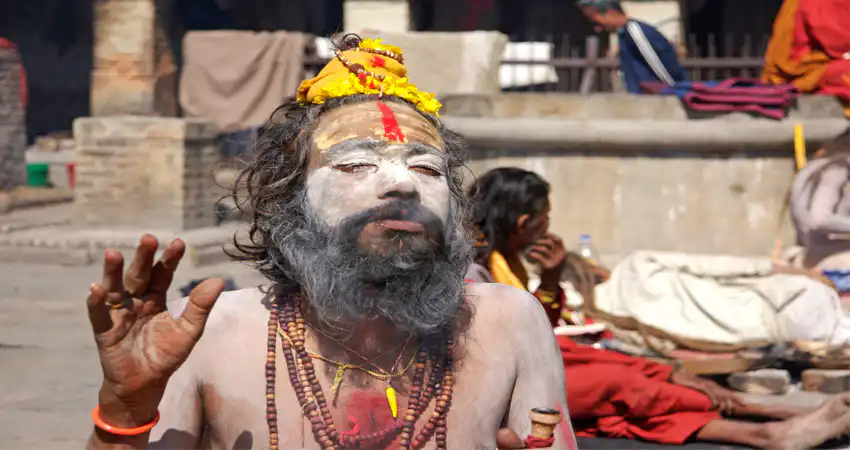
Sadhus meditate, chant prayers, and participate in religious activities dedicated to Lord Shiva. During the night, people around the country light bonfires. Different Shivaratri programs are hosted around the streets. Children are often dressed as Shiva and perform other acts. A holy meal is distributed to everyone during this day.
Where Is Maha Shivaratri Celebrated in Nepal?
Maha Shivaratri at Pashupatinath Temple
Pashupatinath Temple is one of Nepal’s most important Hindu pilgrimage sites, and Maha Shivaratri is its major annual festival. During Maha Shivaratri, large numbers of devotees and sadhus gather at Pashupatinath Temple to worship Lord Shiva. On this day, the temple is decorated with lights everywhere. Maha Shivaratri attracts large numbers of pilgrims from Nepal and India to Pashupatinath Temple in Kathmandu.
On this day, the Pashupatinath area Development Trust hires many employees to clean and take care of the Pashupatinath area. Nepal Scouts and other volunteer organizations help manage crowds and assist devotees during the festival. They provide water, Prasad, and emergency medical services to the devotees.
Volunteers and security personnel help manage queues and maintain safety during the festival. Every year, the Pashupati Area Development Trust coordinates with security personnel and volunteers to manage festival activities. They make plans to address the crowd and make it easy for people to worship.
Tourists mostly love to visit Pashupatinath temple’s vicinity and Sadhu Babas from different places. People also love to click photos of devotees and Sadhu Babas during this day. Visitors may encounter sadhus meditating, offering blessings, and sharing stories about Lord Shiva. Some sadhus cover their bodies with sacred ash and apply religious markings to their foreheads. There are four doors to the main temple of Pashupatinath. People are allowed to worship lord Shiva from all four sides. In addition to this, there are many small Shiva linga inside Pashupatinath.
Can Tourists Visit Pashupatinath During Maha Shivaratri?
International visitors can observe Maha Shivaratri celebrations in permitted areas of Pashupatinath Temple in Kathmandu. However, non-Hindus are not allowed inside the main temple. Visitors should follow local regulations, respect religious customs, and expect large crowds during the festival.
Tips for Visiting Pashupatinath During Maha Shivaratri
Maha Shivaratri attracts large crowds to Pashupatinath Temple. Visitors should arrive early, allow extra travel time, wear comfortable shoes, and follow local security instructions. Ask permission before photographing sadhus or religious ceremonies.
Maha Shivaratri at Kailashnath Mahadev
Kailashnath Mahadev is a towering statue of Lord Shiva located in Sanga, near Kathmandu. It is a popular pilgrimage site dedicated to Lord Shiva. Devotees also visit this site during Maha Shivaratri. The site is famous for its towering statue of Lord Shiva and is an important religious attraction near Kathmandu. During the Maha Shivaratri festival, devotees dance and sing. The temple area is decorated with lights during the festival.
Kailashnath Mahadev is located in Sanga, near the border of Bhaktapur and Kavre palanchok districts. During Shivaratri, there is a different program at this temple. Devotees visit this temple because it is located in a very peaceful environment. A resort, spa, yoga center, health club, and meditation center have also been opened in the area of this temple.
Maha Shivaratri Rituals and Traditions
1. Shivaratri morning
On Maha Shivaratri, many devotees wake up early, bathe, and prepare for prayers and offerings to Lord Shiva. They offer water to the sun. Then, they offer prayer to the lord sun, Vishnu, and Shiva. Then, devotees visit the Shiva temple and give customary baths to Shiva linga. Women mainly come to the Shiva mandir, perform traditional Shiva linga puja, and seek blessings from Lord Shiva. Since there will be a crowd at the temple, devotees wait for their turn. While doing puja, devotees circumambulate the Shiva linga three or seven times. After that, the devotee pours milk or water on the Shiva linga.
2. Ritual bath of Shiva linga
According to Hindu traditions, devotees may bathe the Shiva linga with water, milk, yogurt, honey, and other sacred offerings. While bathing, Shiva linga devotee will have to chant “OM Namah Shivay.” After that, devotees must take some particular and rare leaves from the forest. Bael leaves, also known as bilva leaves, are traditionally offered to Lord Shiva during worship. After that, the devotee decorates Shiva linga with flowers and garlands. Other ingredients needed for Shiva puja are mentioned below:-
Vermilion paste—Vermilion paste is commonly known as Sindoor. According to one Hindu tradition, Maha Shivaratri commemorates the marriage of Lord Shiva and Goddess Parvati.
Food offerings – Devotees traditionally offer fruits, sweets, and other food items during Hindu worship. Devotees offer food to Lord Shiva as an expression of devotion and gratitude.
Incense and Lamp—When worshipping Lord Shiva, devotees offer Dhoop and Diya to the lord. Lighting Dhoop and Diya is believed to be conducive to attaining knowledge.
3. Night worship of Lord Shiva
As the Shivaratri festival means the night of Lord Shiva, devotees worship Lord Shiva during the day and night. Devotees stay all night singing and worshipping Shiva linga. All devotees gather at Shiva Mandir at night to sing and dance. People spend the entire night listening to the story of Lord Shiva. The priest does the main puja that night with all the rituals and all the ingredients. Devotees break their fast according to their religious traditions, often after completing the prescribed prayers and rituals.
Why Is Maha Shivaratri Celebrated?
There is always a story or significance behind celebrating every festival. According to a legend associated with the Shiva Purana, Brahma and Vishnu disputed which of them was supreme. They fought over who was superior. They both used power to show their superiority. The situation got intense, and other gods got afraid of it. They asked Lord Shiva to intervene. Lord Shiva came, and he had a plan to end the fight. Lord Shiva formed a massive column of fire between Brahma and Vishnu.
Shiva challenged both gods to find the beginning or end of the endless pillar of light. Brahma searched upward while Vishnu searched downward to find the ends of the pillar. While searching, Brahma came across a Ketaki flower flying down slowly.
When Brahma asked Ketaki, she replied that she had been placed at the top of the column as an offering but could not find the end. After that, Brahma took the Ketaki flower and went to Shiva. When Shiva heard this, he revealed his proper form and got very angry.
According to the legend, Lord Shiva punished Brahma for falsely claiming that he had reached the top of the pillar of light. He also banned Ketaki because she falsely testified to Brahma. This was the day when Lord Shiva turned himself into the form of linga. In his anger, he also performed Tandav. The Shiva linga is worshiped as a sacred symbol of Lord Shiva.
Religious Beliefs and Legends of Maha Shivaratri
- According to some beliefs, the Shivaratri festival is celebrated because Lord Shiva saves the world from poison on this day. According to Hindu mythology, Lord Shiva drank poison to protect the universe. The poison turned his throat blue, earning him the name Neelkanth.
- Another Hindu tradition associates Maha Shivaratri with the marriage of Lord Shiva and Goddess Parvati.
- Shiva Ratri is one of the principal Hindu festivals, celebrated during the day and night. Devotees who observe fasting may spend the night praying, chanting, and meditating. People also light bonfires in different places.
- Shivaratri occurs every lunar month, while Maha Shivaratri is considered especially sacred and is celebrated annually.
- Maha Shivaratri is considered one of the holy days when people can get over their sins.
Maha Shivaratri Festival Date in 2027
Shivaratri is considered one of the principal Hindu festivals. In 2027, Maha Shivaratri falls on Saturday, March 6.
Thus, Shivaratri is one of those festivals that define the belief and importance of the Hindu religion. A devotee can have mental peace and calmness as all the anger and negative energy is reduced to a low level. Many devotees consider prayer and meditation during Maha Shivaratri opportunities for spiritual reflection and inner peace.
In 2027, Maha Shivaratri falls on Saturday, March 6, with major celebrations taking place at Pashupatinath Temple in Kathmandu.
Wishing everyone a peaceful and meaningful Maha Shivaratri celebration!
Best Price Guaranteed, Easy to change Date, Instant Confirmation
Book This Trip Have Questions?
Talk to Expert
Meet Mr. Purushotam Timalsena (Puru), Nepal's best trek and tour organizer, who has been working in the Himalayas for more than 24 years.
WhatsApp/Viber +977 98510 95 800