Customize Your Trip
 ABC Trek Best Time: Spring vs Autumn – Which Season Should You Choose?
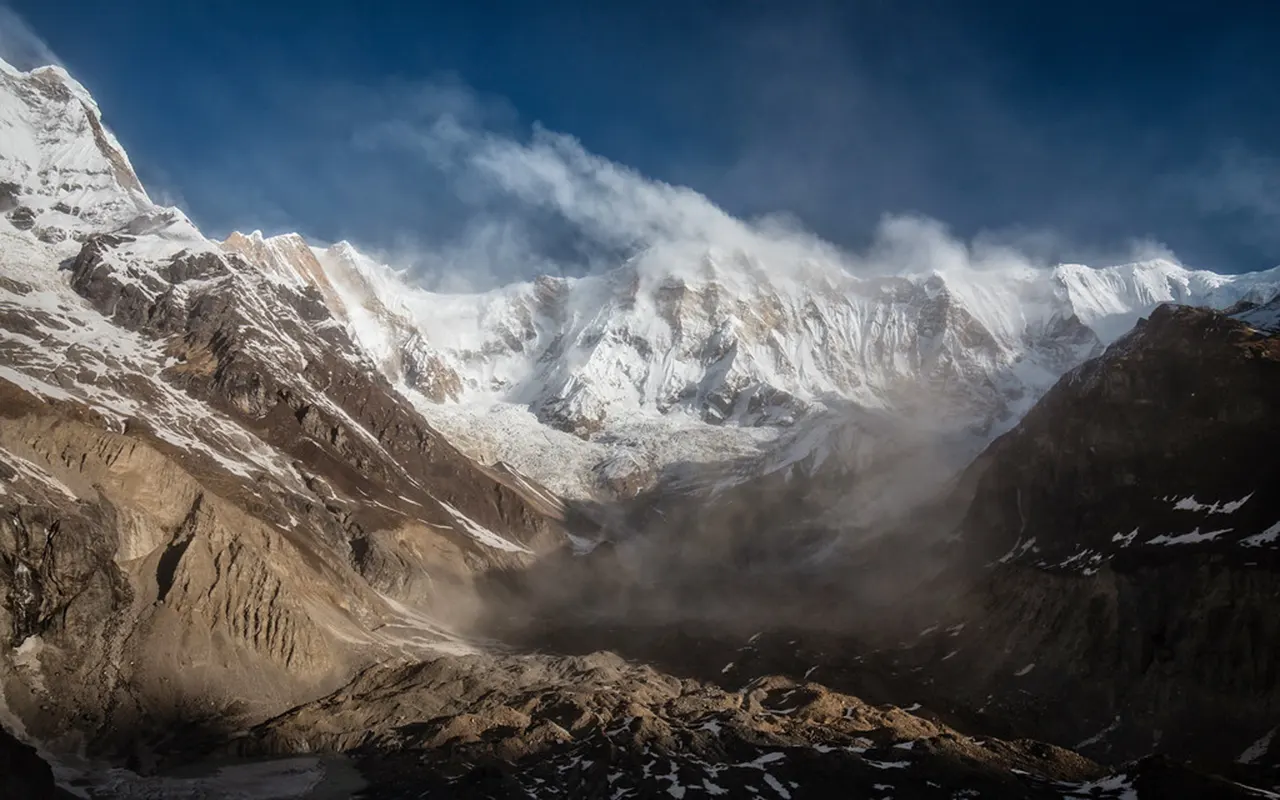
One of the most critical steps to take before embarking on a trek to Annapurna Base Camp is deciding the best time to go. The weather, mountain visibility, trail conditions, temperatures and overall atmosphere of the trip can vary with seasons. The Annapurna area can be trekked year-round, but the spring and autumn seasons are considered the best.
When you are looking for the ABC Trek Best Time, you’ve probably encountered varying opinions. Spring is suggested by some trekkers for its colourful rhododendron forests and warmer weather, whereas autumn is mentioned for its clear skies and excellent mountain views. The reality is that both are good seasons for trekking, but they are different.
Depending on how you like to travel, you can opt for one or the other. Do you want to stroll through a blooming forest in warm daytime or would you prefer the best possible view of the Annapurna range in deep blue skies? Knowing the distinctions will aid you in making the best choice.
This guide outlines the differences between the spring and autumn seasons in depth–weather, temperatures, scenery, trail conditions, crowds and best months to visit. At the end of the day, you will know the best time to trek Annapurna Base Camp.

Overview of the Annapurna Base Camp Trek
One of the most popular treks in Nepal is the Annapurna Base Camp Trek. The path passes through traditional villages, terraced farmland, bamboo forests, rhododendron woodlands, rivers, waterfalls and alpine landscapes and eventually reaches Annapurna Base Camp (4,130 m /13,550 ft) in the Annapurna Conservation Area.
The trip lasts from 7 to 12 days, depending on the starting point and the trekking speed. The trek is a treat of viewing some of the highest peaks of Annapurna, Annapurna South, Hiunchuli, Machapuchare, Gangapurna and many other surrounding peaks along the way.
This trek is not a technical ascent; no climbing experience is required. It ascends to high elevations and weather conditions and correct acclimatisation are important factors. Selecting the ABC Trek Best Time can help make trekking safer, views better and the experience more enjoyable.
Why Choosing the Right Season Matters
There are four seasons in the Annapurna region. The cold season and the monsoon season are the two most significant seasons of the year, with cold temperatures and snowfalls occurring during the former and heavy rain along with muddy trails and low mountain visibility during the latter.
The best weather is in the spring or fall. These seasons are ideal for trekking, as they are not rainy and the mountain views are good. Trails are also in much better condition than during the rainy season.
Both seasons are good for seeding but aren’t the same. Spring is the season for colourful natural scenery and autumn is the time for fantastic visibility and weather. Knowing about these differences will enable you to make your own decision on when to do the Annapurna Base Camp Trek according to your requirements.
Spring Season on the Annapurna Base Camp Trek
Nepal is one of the most popular trekking seasons in the country, with March to May being considered the spring season. With the end of winter, the temperature slowly increases, the forest turns green again and flowers start to sprout along the hillsides.
The biggest attraction of spring is the rhododendron forest. The national flower of Nepal is red, pink and white in colour and produces colourful scenes between villages like Chhomrong, Bamboo and Deurali. The walk through such woods is a wonderful experience at this time of year only.
The weather in spring is generally favorable. Morning is typically sunny with great views of the mountains. Clouds may build up in the morning or in the afternoon during the day in late April and May, but mornings can still be clear enough for great photos.
It’s a good temperature for strolling around. Daytime temperatures in lower villages can be from 15°C to 22°C and higher sites can be much cooler.
The temperatures at Machapuchare Base Camp (3,700 m / 12,139 ft) are typically between 5°C and 10°C during the day and often drop below freezing at night.
The temperature in Annapurna Base Camp (4130m /13550ft) is generally in the range of 5°C to 10°C during the daylight hours under the sun and -5°C or below at night. Clothing should be worn in the spring, as it is all year round.
In addition to the nice weather, spring is filled with greenery all around the area. Winter snowmelt brings a strong flow into the streams and waterfalls, making it a lively place along the trail.
This season is also a time of increased activity of wildlife. Walking through the forests, trekkers can also encounter a variety of colourful birds and small mammals of the Himalayas.
Spring is a great time for photographers to capture colourful forests along with snow-covered peaks of the Himalayas. Along the way, one will find lovely scented flowers and snow-capped mountains against the backdrop of one another.
The only downside is that spring is now gaining popularity. April is one of the busiest months and teahouses in popular places like Chhomrong, Deurali and Annapurna Base Camp can be full during busy weeks.
Autumn Season on the Annapurna Base Camp Trek
The monsoon season is followed by autumn, which typically starts in late September or October and continues until November. Due to its clear sky and weather reliability, it is considered by many experienced trekking guides as the best time of the year for trekking in Nepal.
The monsoons, dust and pollution are washed out of the air. Thus, mountain visibility is outstanding. Annapurna range may be visible all the time, not just in the afternoon hours as it may be during late spring.
Fall temperatures are comparable to those in spring, but slowly decrease during the mornings and evenings in November. Temperatures are comfortable during the day in the lower villages from 15°C to 22°C.
The weather at the Base Camp of Machapuchare 3700m (12139ft) is relatively mild, with daytime highs of 5-10°C and nighttime lows (below freezing). The temperature at Annapurna Base Camp (4,130 m /13,550 ft) is generally in the range of 5°C to 10°C during the day and -6°C to -10°C during the night.
Autumn has one benefit: it’s consistent. The weather stays clear for extended periods of time, which decreases the risk of rain or low visibility.
The forests remain green after the monsoon, although colourful rhododendron flowers are no longer in bloom. Rather, the focus turns to the dramatic topography of the Himalayas, which many trekkers will find to be the highlight this season.
This time of year is also when Nepal celebrates the biggest festivals of the year, Dashain and Tihar. Depending on the date of your trek, you might see traditional celebrations in villages along the trail, adding a cultural touch to the trek.
Fall is also the busiest season when it comes to trekking, as the weather is great. October is especially popular with thousands of trekkers from around the world. Popular stops may reach full capacity and booking ahead is strongly recommended.
Spring vs Autumn Comparison
Below is a table that shows some of the key differences between the two seasons.
| Feature | Spring (March to May) | Autumn (Late September to November) |
| Weather | Stable with occasional afternoon clouds | Very stable with clear skies |
| Mountain Views | Excellent, especially during mornings | Outstanding throughout the day |
| Temperature | Slightly warmer during daytime | Pleasant but cooler in late November |
| Trail Conditions | Dry with occasional snow in early March | Dry and firm after the monsoon |
| Forest Scenery | Rhododendron flowers and fresh greenery | Lush green forests and clear landscapes |
| Photography | Flowers with mountain backdrops | Sharp Himalayan panoramas |
| Wildlife | More active | Moderate activity |
| Festivals | Few major festivals | Dashain and Tihar celebrations |
| Crowds | Busy during April | Very busy during October |
| Accommodation | Booking recommended | Early booking strongly recommended |
| Best For | Nature lovers and flower photography | First-time trekkers and mountain photography |
Both seasons offer great trekking weather, but are different for different kinds of travellers. One question when trying to decide between the Annapurna Base Camp Trek in the spring and autumn season is which one you prefer—colourful landscapes or the best views of the mountains?
Weather and Temperature Comparison
Daytime temperatures are nice in both seasons and cold nights at higher elevations. There are also a few differences to be noticed, though.
The weather gradually warms up through the spring (March, April and May). May will be warmer with more cloud in the afternoon, but there may still be small snow patches lying above 3,500 m (11,483 ft) in early spring.
In the autumn, it goes the other way round. At the end of September, a new landscape after the monsoon; October offers a steady period of fine weather; November brings the onset of winter and colder weather.
Autumn has a slight edge when it comes to visibility. During the post-monsoon period, the air is clear and the mountain vistas are one of the clearest of the year.
Spring has the most colorful scenery with the rhododendron forests in bloom and the new leaves. Both seasons are not much different from each other. Instead, each provides its own take on the Annapurna adventure.
Month by Month Comparison
Spring and autumn are the time of the year when the trekking season is at its peak; however, each month offers its own weather, scenery and trekking conditions. It’s important to know what to expect so that you can decide when to go on your excursion.
March
Spring is starting to come out in March, so it’s time to trek. As the cold days of winter slowly recede, the weather starts to get warmer and the lower hills start to green up. Rhododendrons are starting to flower in some places and there is still snow on the higher slopes above 3500m (11483 ft).
March is typically less busy than other months, so if you like a less hectic experience, the trails are an option. Mornings can be great with views of the mountains; midday temperatures are pleasant for walking.
April
April is one of the busiest and most beautiful months to trek Annapurna Base Camp. Rhododendron forests are in full bloom, forming colourful landscapes all along much of the path. This month is a favorite for photographers because of the flowers, green forests and snow-covered peaks.
The weather is calm with sunny mornings and pleasant daytime temperatures. Please make a reservation if you want to stay at an accommodation.
April is one of the top contenders for the ABC Trek Best Time as it is an ideal mix of scenery and weather.
May
May is the hottest month in spring. The higher parts of the trail are easier to walk during the day, but in the afternoons, it is more likely to become cloudy as the monsoon settles in.
Good conditions for viewing the mountains are possible before the cloud level rises later in the day for trekkers who begin early in the day. On occasion of pre-monsoon showers in May, but by the end of the month, in general it is trekker-friendly.
Late September
It is the end of the monsoon and the start of fall late in September. Forests are green and lush, rivers are full and air is fresh. There may be some light rain early in the month, but weather improves rapidly.
Trails are not as busy as in October, which may be a good time for those who like to enjoy autumn on trails with fewer people.
October
October is considered the best month for trekking in Nepal. Weather is very stable, skies are clear and mountain visibility is excellent during the day.
The day hikes are comfortable from the lower villages to Annapurna Base Camp, which makes the walk more enjoyable. October is also the peak month, due to the ideal conditions, so booking is advisable.
October is for many the Best time for the Annapurna Base Camp trek due to the reliable weather and spectacular mountain views.
November
There are fine mountain views and dry trails still around this month. As the weather turns cold, however, the temperature begins to drop.
Morning frosts begin to occur above 3000 m (9843ft) and nights at Annapurna Base Camp can be quite chilly. Nevertheless, November is a popular month for trekking, as the climate is still cool and the crowds are smaller than in October.
Crowds and Trail Experience
Spring and autumn are both trekking seasons, but the experience is different in each season.
The spring season is a popular time to visit for its rhododendron forests and warm weather. The trails are pretty busy in April, but not as busy as October.
The fall season is the peak time to trek. October is the busiest month of the year, as visitors flock to the Annapurna area from all over the world. Teahouses are usually warm and welcoming places where trekkers can meet and share experiences from the trail in the evening.
For individuals who like to connect with fellow tourists, fall is a great time of year. If you are looking for a more peaceful trekking experience, March, late September and November might be a better time.
Accommodation and Food
Teahouses are available all year round, offering warm and inviting rooms as well as freshly prepared food.
The rooms tend to be basic, with two beds, blankets, pillows and shared bathrooms. As you increase in elevation, you will find the facilities are becoming more basic, although it’s still comfortable for most people who trek.
The food selection doesn’t change much during the year. Most villages have Dal bhat, noodles, fried rice, soups, pasta, potatoes, pancakes, eggs, tea and coffee. Both seasons are popular, so it’s advisable to make reservations, especially in April or October.
Which Season is Better for Photography?
Photography is one of the best aspects of the Annapurna Base Camp Trek and both seasons will present you with fantastic photo opportunities.
The spring season offers some of the best opportunities for shooting vibrant rhododendron forests, lush greenery, waterfalls and snowy mountains. Flowers and the surrounding mountains form special landscapes that can only be viewed during this season.
The theme of autumn is more in the mountains. With clear air, photographers can shoot crisp panoramic shots of the Annapurna I, Machapuchare, Hiunchuli and other peaks. Fall is the time of year for mountain photography, as the skies are usually clear and blue.
Spring is the preferred time if you prefer flowers and forests. Autumn may have just a bit of an edge if you’re looking for dramatic Himalayan views.
Safety and Trekking Conditions
The best seasons to trek are spring and autumn. Spring and autumn are safe seasons for trekking in comparison to winter and monsoon. Trails are dry with little variation in weather and visibility is much better.
Whenever you go on a trek to the base of Annapurna Mountain, you must consider the possibility of changing conditions in the mountains. Temperatures can drop quickly after sunset, especially above 3,000 m (9,843 ft).
Another important factor is the elevation. Some trekkers might suffer from altitude sickness at Annapurna Base Camp at 4130m (13550ft). Taking time to acclimatise, drinking water regularly and following a gradual itinerary will minimise the risk.
Good clothing is very important in both seasons. Always remember to pack warm layers, a waterproof jacket, gloves and a warm hat.
Should You Choose Spring or Autumn?
No right or wrong answer, as each trekker will have his or her own expectations.
If you love forests dotted with colour, rhododendrons in bloom, mild summer days and vibrant nature, then you will prefer the time of the year that is springtime. For nature enthusiasts and photographers, it’s a great time of year with views beyond the mountains.
If you prefer to see consistently clear skies, reliable weather, dry trails and superb visibility of the Annapurna range, opt for autumn. Fall is also a popular season for first-time trekkers because of its more predictable weather.
After contrasting the Annapurna Base Camp Trek in Spring vs Autumn, it’s evident that both seasons provide unique, memorable experiences. The decision will depend on whether you like colourful landscapes or the best views of the Himalayas.
Final Verdict
Spring is a great option if you’re looking for pleasant daytime temperatures and nature. The trekking through the rhododendron forests and with the snow-covered peaks is an unforgettable experience.
For weather, visibility and traditional Himalayan views, autumn is hard to beat. It is the best season for many seasoned trekkers due to its favorable weather conditions and clear skies.
October and April are the two high-point months for most people. April offers forests in colour and good temperatures and October offers outstanding mountain views and good weather.
In the end, the best time to visit the ABC Trek is a matter of what you want to see. In both seasons, the Annapurna Base Camp trek is filled with stunning scenery, charming mountain villages and unforgettable moments as you gaze upon the Himalayas.
Best Price Guaranteed, Easy to change Date, Instant Confirmation
Book This Trip Have Questions?
Talk to Expert
Meet Mr. Purushotam Timalsena (Puru), Nepal's best trek and tour organizer, who has been working in the Himalayas for more than 24 years.
WhatsApp/Viber +977 98510 95 800