Customize Your Trip
 Latest Nepal Flood Update: Affected Areas and Alternative Travel Routes
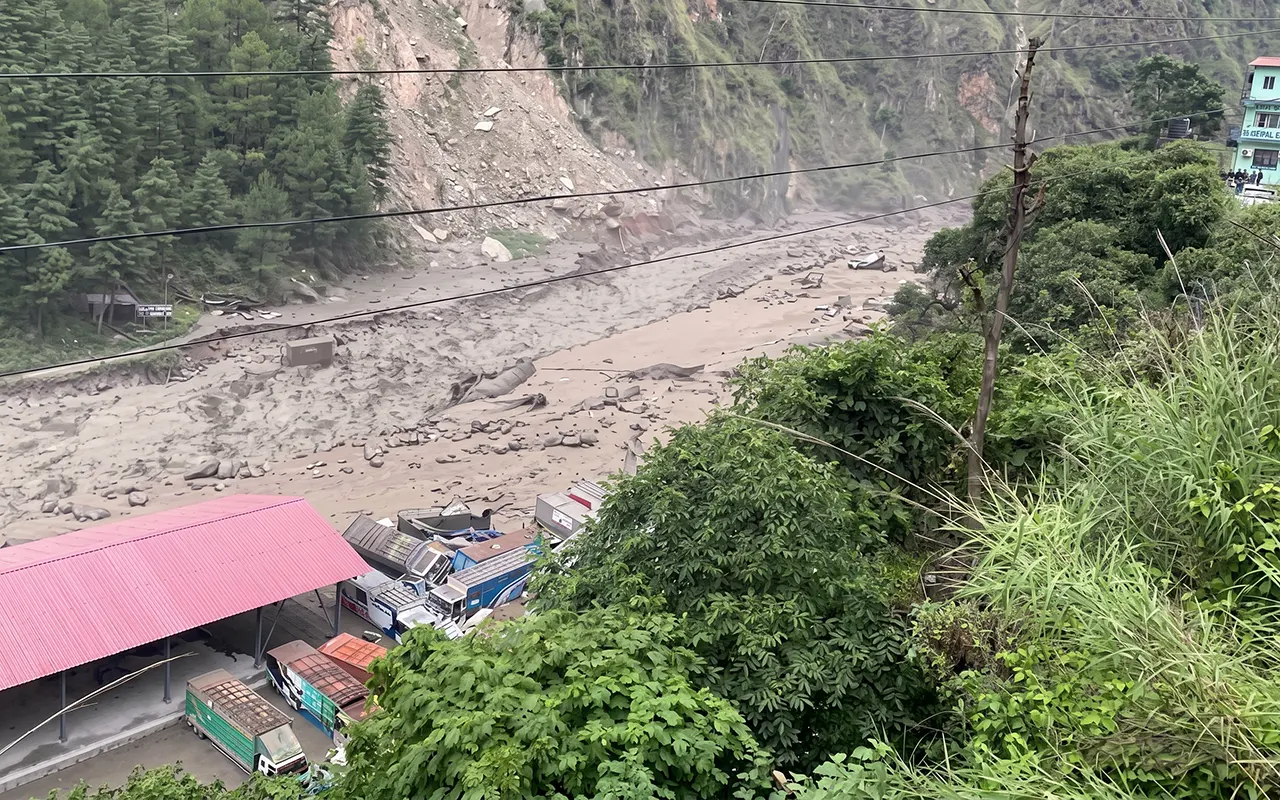
Nepal is continuing rescue and recovery work after the serious flash flood that struck the Rasuwa and Trishuli and Bhotekoshi river corridors on August 26, 2026. This Nepal Flood Update covers the damage in affected areas, including roads, bridges, settlements, hydropower projects and border infrastructure, while also looking at the current situation for travelers.
The situation is serious in the directly affected areas, but the impact is not the same across the country. Many popular trekking and tourist destinations are outside the main flood zone and remain available for travel with normal weather and access checks. When a traveler decides to go to Nepal, the most significant thing is to get informed which routes are impacted and which options are currently available.
This Nepal Flood Update is based on data up to August 31, 2026. Road conditions, walks and rescue operations can change and you are advised to check the latest local information before undertaking any journey.
What Happened in Rasuwa on August 26, 2026?
The destructive flood reached northern Rasuwa near the Nepal China border and quickly moved through the Bhotekoshi river system. Nepal’s Ministry of Home Affairs says the major flood occurred at around 8:40 AM on August 26 and caused heavy loss of life and property. The government also reported serious effects along riverbank areas in Rasuwa, Nuwakot, Dhading and Gorkha.
The event was particularly destructive around Rasuwagadhi and Timure. Floodwater and debris damaged roads, bridges, buildings, vehicles and hydropower facilities. Search and rescue operations have continued in the affected areas, including difficult operations at hydropower project tunnels.
By August 31, authorities had reported 903 deaths in Nepal, while more than 4,200 people were still listed as missing. These figures cover the wider disaster and should not be treated as the casualty figure for Rasuwa alone. The numbers may change as search, rescue and identification work continues.
What Caused the Rasuwa Flood?
Early reports considered several possible explanations for the sudden flood. Satellite imagery and later expert assessments have increasingly pointed toward a collapse of part of a glacier near the Langtang area, followed by an avalanche involving ice and rock.
Reuters reported that the lower part of a glacier near Langtang Lirung collapsed and that the resulting ice and rock avalanche entered the Lhende Khola. The debris flow then moved rapidly downstream and contributed to the major flooding near the Nepal China border.
The exact sequence of events is still being studied. It is therefore better to describe the disaster as a flood linked to a high mountain ice and rock collapse rather than simply calling it a glacial lake outburst flood.
The event can be understood in simple terms:
High mountain glacier collapse
↓
Ice and rock avalanche
↓
Large amount of debris enters the river system
↓
Sudden and powerful downstream flow
↓
Rasuwagadhi and Timure are severely affected
↓
Flood moves through the Bhotekoshi and Trishuli river corridors
Which Areas Were Affected?
The main Nepal flood affected areas are concentrated around northern Rasuwa and sections of the Bhotekoshi and Trishuli river systems.
Rasuwagadhi and Timure
Rasuwagadhi and Timure suffered severe damage. The area is important for both local communities and Nepal China border travel. Roads, buildings, vehicles and other infrastructure were affected by the flood.
Syabrubesi and Dhunche
Syabrubesi is an important access point for the Langtang region, while Dhunche is the administrative center of Rasuwa and a traditional access point for Gosaikunda. The disaster has caused serious disruption to normal road access through this area.
Bhotekoshi and Trishuli Corridors
The flood continued downstream through the Bhotekoshi and Trishuli river systems. Several communities and infrastructure sites were affected. The Ministry of Home Affairs has confirmed impacts in Rasuwa, Nuwakot, Dhading and Gorkha.
Travelers should also be aware that road conditions can change quickly during the monsoon. On August 30, a section of the Kathmandu to Muglin road was disrupted after a road collapse at Krishnabhir in Dhading linked to river erosion. This shows why travelers should check current road information even when their destination is outside Rasuwa.
Current Road and Transportation Situation
The biggest travel concern is not that every destination is closed. The main issue is that some access routes have been damaged or temporarily closed.
The Rasuwagadhi and Kerung border route is currently affected and closed. Travelers planning overland journeys between Nepal and Tibet should not assume that this crossing is available.
Road access toward Syabrubesi and the normal Trishuli and Betrawati approach has also been affected. This has an immediate effect on Langtang, Gosaikunda, Ganesh Himal and Ruby Valley trips because these destinations traditionally depend on roads through northern central Nepal.
Alternative road access toward Dhunche is being restored in stages, but the normal highway route remains disrupted. Travelers should check the latest road conditions before leaving Kathmandu, as access can change quickly while repair work continues.
For this reason, a destination can remain safe while its usual access route is temporarily unavailable.
Is Langtang Safe After the Flood?
The upper Langtang and Kyanjin Valley areas were reported as safe in the trekking route assessment issued by the Trekking Agencies’ Association of Nepal. However, the normal road approach through the Trishuli and Syabrubesi corridor has been affected and closed.
This distinction is important. The current situation does not mean that the entire Langtang trekking region has been destroyed or that every section of the trail is unsafe. The main concern is reaching the trekking area safely.
Travelers planning a Langtang trek should therefore confirm road access, bridges, trail conditions, accommodation and local weather before departure. Conditions can change while repair and recovery work continues.
Alternative Route to Langtang
TAAN has suggested an alternative trekking approach for travelers who want to reach Langtang and Kyanjin while the normal access route remains affected.
The suggested route is:
Kathmandu → Sundarijal → Chisapani → Thadepati → Ghoptebhir → Gosaikunda → Thulosyabru → Pairo → Lama Hotel → Langtang → Kyanjin
Travelers would return through the same route according to the current TAAN guidance.
This is a longer and different approach from the normal Kathmandu to Syabrubesi journey, so trekkers should not use it without confirming the latest trail conditions and accommodation availability.
Is Gosaikunda Safe?
Gosaikunda was also reported as safe in the current trekking route assessment, although the usual approach through the affected Rasuwa corridor has been disrupted.
Nepal Tourism Board already identifies Sundarijal as an alternative trekking approach to Gosaikunda.
Another route currently suggested for travelers is:
Kathmandu → Dupcheshwor → Sisipu → Talu → Phedi → Suryakunda Pass → Gosaikunda
Because the situation is changing, trekkers should confirm the current condition of trails, bridges and accommodation before starting the journey.
Ganesh Himal and Ruby Valley
Ganesh Himal and Ruby Valley have not been reported as directly affected in the same way as the Rasuwa flood zone. However, access through Dhunche and Syabrubesi is currently affected.
TAAN has recommended considering alternative approaches through Dhadingbesi or Arughat.
These alternatives should be checked locally before departure because road conditions can change during the monsoon.
Manaslu Travel Update
The Manaslu region, including Tsum Valley and the Nubri and Larke Pass areas, was reported as safe from the direct impact of the recent Rasuwa flood. The main concern is access.
TAAN has advised travelers heading toward Machhakhola and Jagat to avoid the Malekhu and Dhadingbesi route because of bridge damage and instead consider the Benighat and Arughat approach.
Travelers should also remember that separate weather related problems can affect mountain routes during the monsoon. A destination being outside the Rasuwa flood zone does not guarantee that every road or trail is open.
Kailash Mansarovar and Rasuwagadhi Border Update
The Rasuwagadhi and Kerung route is currently closed following the flood damage. This is particularly important for travelers planning Kailash Mansarovar journeys through Nepal.
Possible alternatives being discussed include Kodari and Tatopani, Simikot and Hilsa, or flying to Lhasa and continuing toward Kailash through Shigatse and Saga. These should not be treated as confirmed substitutes until current road, border, flight, permit and transportation conditions have been verified.
These routes have different transportation arrangements, permits and travel requirements. Travelers should confirm current border, road and flight conditions before making a new booking.
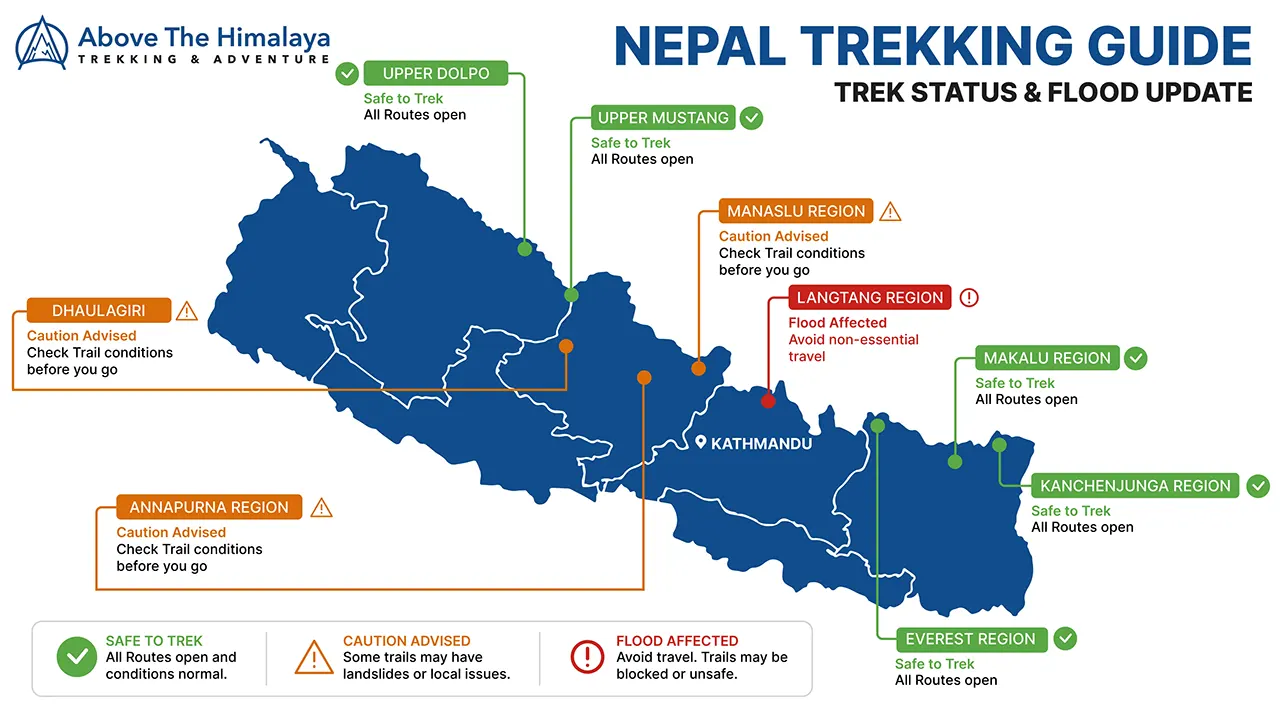
Nepal Trekking Destinations: Current Safety Status
The current assessment from TAAN shows that the Rasuwa disaster has not directly affected all major trekking regions. Several destinations remain outside the main flood zone.
| Destination or Route | Current Situation | Travel Advice |
| Langtang and Kyanjin | Destination reported safe, normal road access affected | Check alternative trekking routes |
| Gosaikunda | Destination reported safe, normal access affected | Consider an alternative approach |
| Ganesh Himal | Destination reported safe, access affected | Check routes through Dhadingbesi or Arughat |
| Ruby Valley | Destination reported safe, access affected | Confirm alternative approach |
| Manaslu | No direct impact from the August 26 Rasuwa flood reported | Check road conditions toward the trailhead |
| Everest | No direct impact from the August 26 Rasuwa flood reported | Normal weather and transport checks |
| Annapurna | No direct impact from the August 26 Rasuwa flood reported | Check current road and trail conditions |
| Kanchenjunga | No direct impact from the August 26 Rasuwa flood reported | Normal trekking preparation |
| Makalu | No direct impact from the August 26 Rasuwa flood reported | Check local weather and access |
| Rolwaling | No direct impact from the August 26 Rasuwa flood reported | Confirm road and trail conditions |
| Helambu | No direct impact from the August 26 Rasuwa flood reported | Normal travel precautions |
| Dhaulagiri | No direct impact from the August 26 Rasuwa flood reported | Check local access |
| Dolpa | No direct impact from the August 26 Rasuwa flood reported | Check transportation before departure |
| Rara and Jumla | No direct impact from the August 26 Rasuwa flood reported | Confirm road and flight conditions |
| Humla | No direct impact from the August 26 Rasuwa flood reported | Check local access and weather |
| Saipal, Khaptad, Badimalika and Api Himal | No direct impact from the August 26 Rasuwa flood reported | Normal precautions and local checks |
This table refers specifically to the direct impact of the August 26 flood. Other weather related road or trail problems can occur during the monsoon, so travelers should still check conditions shortly before departure.
Alternative Travel Routes in Nepal
The current situation has also highlighted the importance of flexible travel planning in Nepal.
Travelers who originally planned to visit Rasuwa may need to postpone that part of their trip while rescue and repair work continues. Those planning Langtang or Gosaikunda can ask their trekking agency about alternative approaches.
Travelers with flexible itineraries can also consider regions outside the affected corridor. Everest, Annapurna, Kanchenjunga, Makalu, Dolpa and several western destinations were not directly affected by the Rasuwa flood according to the current trekking route assessment.
This means the disaster does not require every traveler to cancel a Nepal trip. In many cases, changing the destination or approach can provide a practical solution.
Is Nepal Still Safe to Visit?
In many parts, Nepal remains open for tourism but travelers heading to Rasuwa and nearby northern central areas need to plan carefully. The most important thing is to understand the difference between areas that are directly affected and the rest of the country.
The most important thing is to understand the difference between the directly affected areas and the rest of the country. The Rasuwa flood was a major disaster, but its direct impact is concentrated along specific river corridors and access routes.
Tourism authorities are also continuing to coordinate information for travelers. On August 30, the Nepal Tourism Board announced plans for a dedicated information desk involving tourism authorities, Tourist Police, TAAN and other tourism organizations to provide verified information about affected and rescued tourists.
Travelers need to up to date on current information and not depend on old social media posts or outdated travel blogs.
Advice for Travelers Planning an Autumn Trip
The autumn trekking season is approaching, and many travelers are already preparing their Nepal trips. The Rasuwa disaster may affect some of the routes to the north, but is not an indication that the whole of the autumn trekking season is canceled.
Always check the condition of the road and trail to your destination before you leave Kathmandu. Check with your trekking agency or guide and ensure there is accommodation and transport.
Be flexible with your itinerary. This is especially useful during the transition from monsoon to autumn, when heavy rainfall can still affect roads and mountain trails.
Avoid recently damaged roads, bridges, riverbanks and closed areas. Follow instructions from local authorities and trekking officials rather than trying to pass through a route that has been restricted.
For trekking in remote areas, traveling with a registered agency and qualified guide can also make communication and emergency support easier.
Conclusion
The latest Nepal Flood Update shows a serious situation in Rasuwa and along sections of the Bhotekoshi and Trishuli river corridors. Rasuwagadhi, Timure and several nearby areas have suffered major damage, while normal access to destinations such as Langtang and Gosaikunda has also been disrupted.
At the same time, many trekking regions across Nepal remain outside the direct flood zone. Travelers can still plan trips to suitable destinations by checking current road and trail conditions and adjusting their routes when necessary.
For Langtang and Gosaikunda, alternative approaches may provide options while the normal Rasuwa access routes are being assessed. Travelers planning Kailash Mansarovar through Rasuwagadhi should consider other routes because the border crossing is currently affected.
The situation will continue to change as rescue teams clear damaged areas and authorities assess roads and trails. A flexible itinerary, current local information and careful route planning will help travelers make sensible decisions for the coming autumn season.
Frequently Asked Questions
Is Nepal safe to visit after the 2026 flood?
Many parts of Nepal remain open for tourism. The main flood impact is concentrated around Rasuwa and sections of the Bhotekoshi and Trishuli corridors. Travelers should check the condition of their specific destination and access route before departure.
Which areas were affected by the Rasuwa flood?
Rasuwagadhi, Timure, Syabrubesi and sections of the Bhotekoshi and Trishuli river corridors were seriously affected. The Ministry of Home Affairs also reported impacts in riverbank areas of Rasuwa, Nuwakot, Dhading and Gorkha.
Is Langtang Trek open after the flood?
The upper Langtang and Kyanjin areas were reported as safe, but the normal road approach through Syabrubesi has been affected. Alternative trekking approaches have been suggested, but current trail and access conditions should be confirmed before departure.
Can tourists still visit Gosaikunda?
Gosaikunda was reported as safe, but the normal access route through the affected Rasuwa corridor has been disrupted. Alternative approaches are available for consideration, subject to current trail and weather conditions.
Is the Rasuwagadhi border open?
The Rasuwagadhi and Kerung route is currently affected and closed. Travelers planning to reach Tibet through this crossing should consider other arrangements and confirm current border conditions before traveling.
Which trekking regions are less affected?
Everest, Kanchenjunga, Makalu, Rolwaling, Helambu, Annapurna, Dhaulagiri, Dolpa, Rara, Jumla, Humla and several destinations in western Nepal were reported to have no direct impact from the August 26 Rasuwa flood. Normal weather, road and trail checks are still necessary.
Best Price Guaranteed, Easy to change Date, Instant Confirmation
Book This Trip Have Questions?
Talk to Expert
Meet Mr. Purushotam Timalsena (Puru), Nepal's best trek and tour organizer, who has been working in the Himalayas for more than 24 years.
WhatsApp/Viber +977 98510 95 800