Customize Your Trip
 Kailash Mansarovar Yatra via Nepal: Route, Permits, Itinerary & Cost
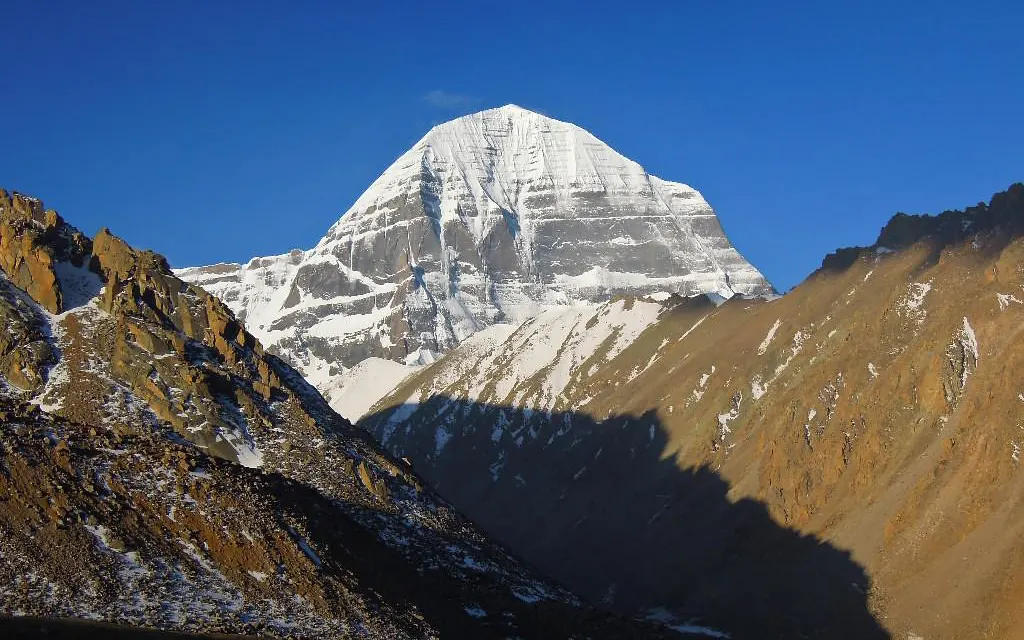
If you have been planning the Kailash Mansarovar Yatra via Nepal, you have probably already done a lot of reading. You know this is not a regular holiday. It is one of the most sacred journeys in the world for Hindus, Buddhists, Jains, and followers of the Bon tradition. And for many trekkers and pilgrims alike, it is also one of the most physically demanding overland trips in Asia.
Our team has been operating this journey for many years. We have seen what makes it work and what can go wrong. In this post, we want to walk you through everything honestly, the route, the permits, a realistic itinerary, and what it actually costs, so you can plan with clear information rather than guesswork.
The Nepal route is generally considered the more accessible option compared to the route via Uttarakhand in India, and for many international travelers, it is also one of the most practical choices. The route has improved significantly over the years, although road conditions can still vary depending on the season, weather, and ongoing road maintenance. Here is everything you need to know.
Why Choose the Kailash Mansarovar Yatra via Nepal Route
There are two main routes to reach Mount Kailash: the Uttarakhand route through northern India, and the Nepal route via Kathmandu and Hilsa or Kerung. For most international visitors, and for Indian pilgrims who want a more comfortable journey, the Nepal route has several practical advantages.
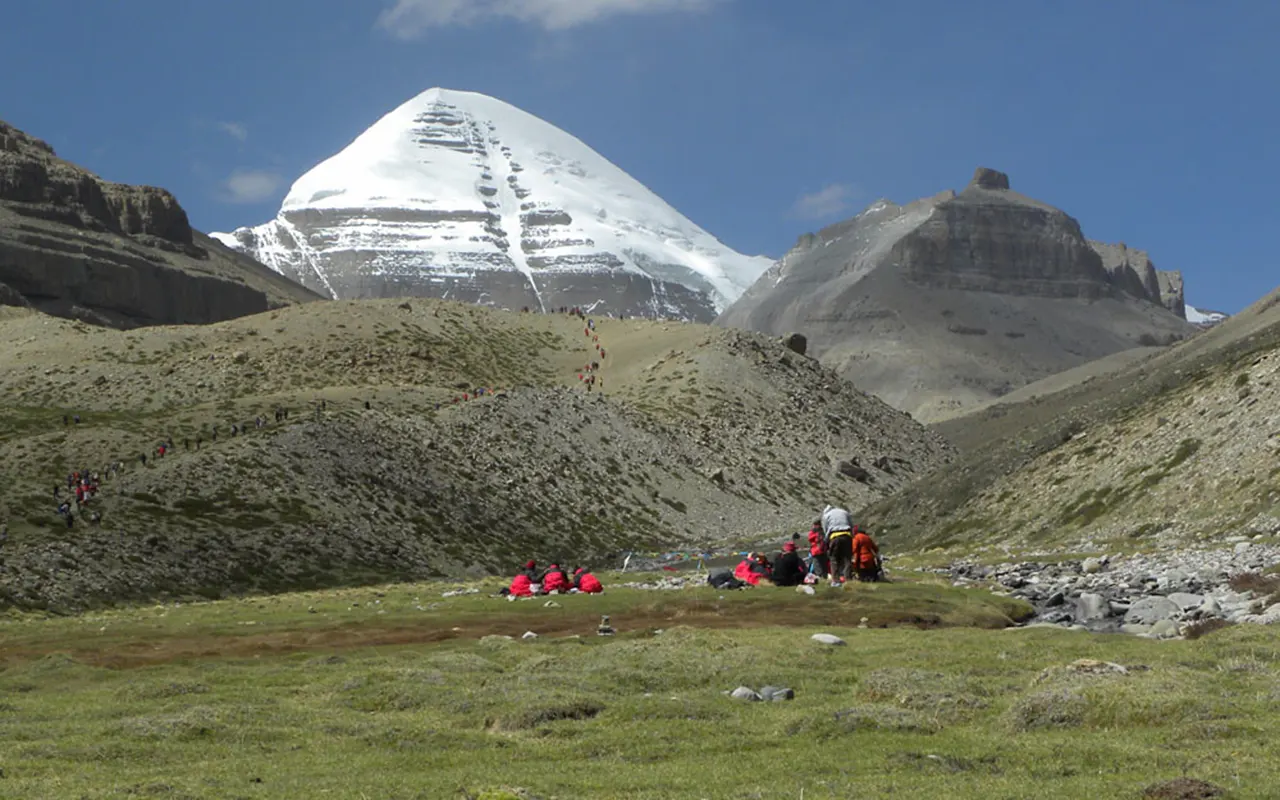
The road connections from Kathmandu are well established. The border crossings at Kerung and Hilsa are functional, and Kathmandu offers good facilities for gear, medical checks, and acclimatization before crossing into Tibet. Flights into Kathmandu are available from most major cities in Asia and many international hubs.
We also find that the Nepal route allows for a gentler acclimatization plan. Flying to Lhasa and westward, you climb more slowly, which is less likely to cause serious altitude sickness for many travelers.
The Route: How the Journey Unfolds
The Kailash Mansarovar Yatra via Nepal takes a set route, although which road you take may change depending on what border crossings are open and the roads condition at the time of travel. Here is the general flow of the journey.
Kathmandu to the Nepal Tibet Border
The journey starts in Kathmandu, where all paperwork, permits, and group preparations take place. From Kathmandu, travelers drive west or north toward the border. The Kerung border crossing (also called Gyirong) is the most commonly used crossing for this route at present. The drive from Kathmandu toward the Nepal Tibet border generally takes around 8 to 12 hours, depending on road conditions, weather, traffic, and the time required for border formalities.
The road passes through Prithvi Highway and then climbs steadily through hilly terrain before reaching the border zone. This stretch is beautiful but can be rough, particularly after monsoon season when sections of the road are sometimes damaged by landslides.
Kerung to Saga
After crossing the border and completing the Chinese entry formalities at Kerung port, the group drives northeast into Tibet. The landscape changes quickly. Within an hour or two of the border, you are on the Tibetan plateau, and the contrast with the green hills of Nepal is striking. The first major overnight stop is usually Saga, a small town that serves as an important rest point on the route west.
Saga to Lake Mansarovar and Mount Kailash
From Saga, the journey continues west along the southern Tibetan plateau. The road passes through Paryang before reaching the area around Lake Mansarovar and the Darchen base area near Mount Kailash. This section of the drive can take two to three days depending on the itinerary and any stops along the way.
The views along this road are genuinely unlike anything most travelers have seen. Wide flat plains, distant snow peaks, and the rare sight of wild Tibetan wildlife including kiang and Tibetan antelope are all part of this stretch of the journey.
The Kora: Circumambulating Mount Kailash
The central spiritual act of the entire journey is the Parikrama or Kora, the ritual circumambulation of Mount Kailash. The circuit is approximately 52 kilometers and is traditionally completed on foot over three days, though some pilgrims complete it in a single very long day.
The route goes clockwise around the mountain. The highest point of the Kora is the Dolma La Pass at 5,636 meters above sea level. This is the most physically challenging part of the entire journey. The pass is steep, the air is thin, and the weather can change very quickly. Our guides stay with every member of the group throughout the Kora, and we pace the ascent carefully.
Ponies and yaks are available for hire at Darchen for pilgrims who need or prefer not to walk the entire circuit. Completing the full Kora is optional. Some pilgrims choose to visit only Lake Mansarovar and the Darchen area without walking the entire circuit due to age, health conditions, or personal preference. Our team can help you choose the option that best suits your fitness level.
Permits Required for the Kailash Mansarovar Yatra via Nepal
Permit requirements are one of the areas where travelers most often get confused, and also one of the areas where mistakes can be most costly. Our team handles all permit arrangements, but it helps to understand what is needed and why.
Tibet Travel Permit
This is the main permit required to enter Tibet Autonomous Region. It is issued by the Tibet Tourism Bureau and cannot be obtained independently. It must be arranged through a registered Chinese travel agency, which in practice means your trekking or tour operator in Nepal handles it on your behalf. Individual travelers cannot obtain this permit directly.
Alien Travel Permit
This additional permit is required for travel to restricted areas outside the main cities in Tibet, including the Ngari Prefecture where Mount Kailash is located. It is arranged by your Tibetan tour operator as part of the overall permit process, so travelers do not need to apply for it separately.
Ngari Restricted Area Permit
Mount Kailash and the surrounding Ngari region is a restricted zone that requires a separate permit beyond the standard Tibet Travel Permit. This is arranged alongside the Alien Travel Permit.
Chinese Group Visa
The visa requirements for travelers entering Tibet from Nepal are different for each nationality and according to the latest Chinese immigration policies. Depending on current policy, travelers may need to obtain a Chinese Group Visa or some other approved visa arrangement. Since visa requirements change, our team will advise you on the correct procedure according to your nationality and will make the necessary arrangements for your tour.
Indian citizens can travel to Mount Kailash either through the official Kailash Mansarovar Yatra organized by the Government of India or by joining a commercial tour through Nepal. These two options follow different permit procedures. Our team will explain the current requirements and arrange all necessary documents for travelers joining the Nepal route.
Suggested Itinerary for the Kailash Mansarovar Yatra via Nepal
A well planned itinerary for this journey runs between 14 and 18 days from Kathmandu and back. Below is a general framework of how our team structures the trip. Exact days can shift depending on group pace, weather, and road conditions.
Days 1 to 2: Arrival in Kathmandu
Upon arrival at Kathmandu permits, equipment check and a full briefing from our team. This is a good time for each member of the group to prepare and know what to expect. If you have any existing medical conditions, we recommend consulting your doctor before the trip and informing our team in advance so we can provide appropriate advice.
Days 3 to 4: Drive to Nepal Tibet Border
Overland journey from Kathmandu heading towards the Kerung border with one night stop on the way. This allows bodies to start acclimatising to the change of environment before entering higher altitude regions.
Day 5: Border Crossing and Entry into Tibet
Cross the border at Kerung, complete entry formalities, and drive north into Tibet. First overnight on the Tibetan plateau. Some groups experience the altitude shift here and we monitor everyone carefully during this day.
Days 6 to 8: Drive West Across the Plateau
Multi-day drive west through Saga and Paryang toward the Kailash region. Nights in local guesthouses along the route. The drives are long but the landscape is genuinely worth it. We build rest time into the schedule so this stretch does not feel like a race.
Day 9: Arrival at Lake Mansarovar
Arrival at Lake Mansarovar, one of the highest freshwater lakes in the world at around 4,590 meters. Many pilgrims take a ritual bath in the lake. The setting here is deeply peaceful and for most visitors, emotionally significant regardless of religious background.
Days 10 to 12: The Kora Around Mount Kailash
Three days for the Parikrama of Mount Kailash. Day one covers the approach to Dirapuk. Day two is the most challenging, crossing Dolma La Pass at 5,636 meters and descending to Zuthulphuk. Day three completes the circuit back to Darchen. Our guides manage the pace carefully on all three days.
Days 13 to 15: Return Drive East
Drive back east along the plateau, retracing the route toward the Nepal border. Nights at Paryang and Saga, and then at Kerung.
Days 16 to 17: Return to Kathmandu
Drive back to Kathmandu, Nepal. Last evening in Kathmandu to rest and enjoy.
Day 18: Departure
Final departure from Kathmandu. Our team can assist at any time during the pre-flight need.Kailash Mansarovar Yatra cost at Nepal.
Cost of the Kailash Mansarovar Yatra via Nepal
One of the most frequent questions that we are asked is cost, and we would like to be open about it. Kailash Mansarovar Yatra through Nepal is not an inexpensive trip. The permits alone are considerable and the logistics of entering Tibet, the visas of the groups, the transportation across the Tibetan plateau, and the supply of qualified guides and support all combine.
In general terms, the following are the typical cost components of international travelers.
Permits and Visa Fees
Government permit and visa fees form an important part of the overall package cost. These are Tibet Travel Permit, region permits, and any Chinese visa requirements. These costs are usually included in the overall price of the package instead of being charged as they may vary according to government regulations and fees.
Transportation
Overland transport from Kathmandu to the border, across the Tibetan plateau, and back is a significant cost element. Private vehicles or group jeeps are used throughout. This portion of the trip typically costs in the range of USD 500 to 900 per person depending on group size and vehicle type.
Accommodation
Accommodation along the route is simple and designed for remote high altitude travel. Most nights are spent in local guesthouses with basic facilities, while Kathmandu offers a wider range of hotels depending on your package. Comfort is modest in Tibet, but the accommodations are suitable for the journey.
Guide and Crew Fees
Every group is accompanied by a licensed Tibetan guide, as required by local regulations. Depending on your package, additional services such as Nepalese support staff, porters, ponies, or yaks for the Kora may also be included or arranged at an extra cost.
Total Package Cost
When our team puts together a full package covering permits, transport, accommodation, guide fees, and support crew, the total for a well supported 16 to 18 day Kailash Mansarovar Yatra via Nepal journey typically falls in the range of USD 2,200 to 3,500 per person depending on group size, the level of accommodation chosen in Kathmandu, and any additional services. Smaller groups cost more per person because fixed costs are shared between fewer people. We can provide a detailed quote based on your specific dates and group size when you reach out to us.
What to Expect Physically
This journey involves several days of driving at very high altitude, three days of walking the Kora, and the crossing of Dolma La Pass at 5,636 meters. You do not need to be a mountaineer or a very experienced trekker. But you do need to be in reasonable physical health and you should prepare your body before you come.
We recommend at least two to three months of regular walking, light hiking, and cardio training before departure. If you have any heart or lung conditions, speak to your doctor before booking. We are happy to discuss the physical demands with you in more detail and give you an honest assessment of whether this journey is the right fit for your current fitness level.
Altitude sickness is a real possibility at the elevations involved. We carry supplemental oxygen, emergency medication, and our guides are trained to recognize early symptoms. We also build rest time into the itinerary at key points so your body has the best possible chance to adjust. But preparation on your end before you arrive makes a significant difference.
Travel insurance is strongly recommended for this journey. Your policy should cover high altitude travel, medical emergencies, trip interruptions, and emergency evacuation where available. Before traveling, make sure your passport is valid for at least six months beyond your planned travel dates.
Best Time to Do the Kailash Mansarovar Yatra via Nepal
The journey is only possible during certain months of the year because of weather on the Tibetan plateau and conditions on the high passes. The main travel window runs from May to September, with June and July being the busiest months for pilgrims. Late May, early June, and September tend to offer the most stable weather with fewer crowds.
We avoid the winter months completely. The plateau is extremely cold from October through April and most road routes are either blocked or very difficult. The Dolma La Pass can be dangerous or impassable with snow in early spring and late autumn.
If you have flexibility in your travel dates, September is our preferred recommendation. The skies tend to be clearer, the crowds are smaller than in June and July, and the light on Mount Kailash in September is something very special.
Travelers should also remember that internet and mobile network coverage is limited across much of western Tibet. Chinese mobile networks operate in the region, but access to many international websites and apps may be restricted. Carrying some Chinese Yuan (RMB) in cash is recommended, as card payment facilities are limited outside the larger towns.
A Word from Our Team Before You Book
The Kailash Mansarovar Yatra via Nepal is not just a trek or a tour. For most people who make this journey, it is one of the most significant experiences of their life. We take that seriously. We have been on this road many times with pilgrims, with trekkers, with families, and with solo travelers of all ages. We know the permit offices, the guesthouse owners, the Tibetan guides who know the plateau like the back of their hand.
We will not push you onto this trip if we think you are not ready for it. And we will not cut corners on permits, support, or safety to make the price look better. What we will do is give you the clearest possible picture of what the journey involves, answer every question you have, and then put together the best possible trip if you decide to go ahead.
Best Price Guaranteed, Easy to change Date, Instant Confirmation
Book This Trip Have Questions?
Talk to Expert
Meet Mr. Purushotam Timalsena (Puru), Nepal's best trek and tour organizer, who has been working in the Himalayas for more than 24 years.
WhatsApp/Viber +977 98510 95 800