notification-icon
Join our solo, private, family, & small group joining trips Plan your trip

Tamang Heritage Trail Trek – 7 Days

||
trip-expert-puru-timalsena

Need Help? Let's Talk

+977 985-1095800
10% OFF
Trip Price US$ 1070
US$ 950 per person
Book This Trip
Trip Duration 07 Days
Group Size 2-12 people
Maximum Altitude Briddim (2290m/7513ft)
Difficulty Grade Moderate
Start & End Point Kathmandu/Kathmandu
Best Seasons Feb-Jun, Sept-Dec

Small Group Departure Dates for 2026 and 2027

Note: We can run a trip for solo travelers, couples, friends, and family with children. Our private trips run daily. For small group travel, please check the dates below. If the dates below do not suit you, please email us or WhatsApp us at +9779851095800 to travel on your preferred dates.

September: 05,10,18,22,30
October: 02,05,08,13,16,20,24,30
November: 04,07,11,14,17,21,25,30
December: 03,07,12,17,21,24,30
Janurary: 02,12,20
February: 08
March: 03,07,11,14,17,21,25,29
April: 02,06,10,13,16,19,22,28
May: 02,07,11,15,20,28
June: 05,10,15,20

Highlights of Tamang heritage trek

  • Experience the Tamang culture and its customs by visiting Tamang villages such as Gatlang, Briddim, Thuman, and Syabrubesi.
  • Stay in traditional Tamang houses in villages where homestays are a thing. Live like one of the locals for a night.
  • The views along the way and from the different Tamang villages are worth every step of the way.
  • Get warm and relaxed at the natural hot spring in Tatopani.
  • A less-crowded alternative to the famous Langtang Valley trek.
  • A short and easily accessible trekking destination that offers a remote village experience.

Overview of Tamang Heritage Trail Trek – 7 Days

The Tamang Heritage trail trek is one of the under-rated trekking destinations of Nepal mostly because it is not advertised as much and people in general do not really know about this trek. This means that the trial is not very active with people and you are highly unlikely to have a crowded stay.

This trek takes you through the Langtang region, visiting a bunch of villages throughout the way. You will get to experience the lives of the locals firsthand by staying in homestays and also get to taste their homemade dishes which are certainly a highlight of the trek. Being a relatively new trekking itinerary, most trekkers are unaware of this but this is a pretty good experience that showcases the Tamang culture of the Langtang region.

To promote sustainable and environmentally responsible tourism in Nepal, the Nepal Tourism Board came up with the idea to design this beautiful experience through the Langtang Valley. So far, it has not turned out to be a flop but it is not a hit either.

The rich culture of the Tamang people must be protected, appreciated, and showcased. The traditional instruments, the folk music, the beautiful synchronized dance, and the traditional practices are entertaining and interesting to watch, to say the least. The Tamang Heritage trail trek takes us to several of the authentic Tamang villages where you will experience the culture first-hand.

The traditional stone-roofed houses, the intricate patterns on the windows and doors, and the multi-colored prayer flags make up the aesthetic of the villages in the region. The village of Tatopani even has a natural hot spring where trekkers can take a relaxing hot bath to rid themselves of sore muscles.

The 7 days Tamang Heritage trail trek is not a popular choice, visiting the economically struggling villages is a great way to support them directly. Staying in their homestays, eating their food, using their services, etc. is a direct contribution to the remote Langtang villages’ economy. It helps them earn a couple of bucks while also maintaining and showcasing their cultural practices.

Here’s all you need to know about the Tamang Heritage trail trek. If you have some unanswered questions about the trek, you can contact our travel expert anytime you want, just leave a text or an email and we’ll get back to you as soon as possible.

Itinerary of Tamang Heritage Trail Trek – 7 Days

DAY
01

Day 01: Kathmandu drive to Syabrubesi

Syabrubesi is one of the main towns of the Langtang region, located about 120 kilometers from Kathmandu this ride will take around 6-7 hours since the road condition is not up to standard. Additionally, we will have to cross multiple hills going up and down windy roads which makes the journey require more time. Syabrubesi is the starting point of all the Langtang region treks including, the Langtang Valley trek, Gosaikunda Lake Trek, Helambu Trek, and more.

We will start off the morning with a light breakfast to fuel us till lunch. Following that, we will get on a jeep since they are faster in comparison to buses; we will cut over an hour of travel time. If you are a solo traveler, you can get on a public bus to Syabrubesi from the Machhapokhari Buspark. The bus park is about 10km far from the international airport.

Leaving Kathmandu, we will head northwest, driving over the Prithivi Highway. We will soon make our way to Galchi, followed by a short refreshment stop once we get close to the Pasang Lhamu Highway. On the way, green terraced farmlands will accompany us while the Trishuli River flows deep down. Occasional views of the Himalayas up north are also a scene to look out for.

From there, our next stop will be Dhunche, the major town of Rasuwa. We will stop there for lunch or we can just carry on if the lot is not that hungry. From there, our destination of the day is about 20 km away which could take around an hour to reach since we are now in Himalayan terrain. Following the Bhote Koshi River basin, we will ascend up north with views of the dry Himalayan land.

Getting to Syabrubesi, 1460 meters above sea level, is pretty bumpy and you should expect to hit huge potholes, uneven roads, and tight turns over cliffs. The Himalayan terrain is infamous for offering uncomfortable road rides and the roadside hills are prone to landslides during the monsoon season. That is why we do not do the Tamang Heritage Trek in the monsoon period.

Despite the unappealing nature of the road, the scenic treat you get during this road ride is worth it all. The lush hills at the start of the journey turn to rugged Himalayan terrain full of waterfalls while the Himalayas in the distant north show up. Ganesh Himal, Dorje Lakpa, and Langtang Lirung are the peaks you can see today.

Before the travel begins we will get you a permit from the Nepal Tourism Board in Kathmandu or we can get permits at Dunche if we cannot get it in Kathmandu.

Jeep 7-8 hrs
Accommodation Guesthouse
Meals Breakfast, Lunch, Dinner
Altitude Syabrubesi (1,550m)
DAY
02

Day 02: Syabrubesi to Gatlang

Today marks the first day of trekking the Tamang Heritage trail trek within the beautiful Langtang region. We will start the day at 1460 meters of altitude and end up at 2240 meters in Gatlang, this means that the trail today does not require much uphill trekking.

Separated by 8-10 kilometers, we will trek for about 5 to 6 hours to reach Gatlang. The trek starts with a plain trail to one of the best viewpoints of the region, from there you will be able to see Goljung Valley, Ganesh Himal, and Surya Peak. We will follow that up by descending down to Goljung village and getting out of there with an ascent.

Goljung is a traditional Tamang village and offers a great insight into the lives of the locals. We can stop there for lunch if you would like. After we are done we will move on to Gatlang, crossing terrace farmlands and lush alpine vegetation.

Gatlang is yet another Tamang village that is famous for Parvati Kunda Lake, a sacred Himalayan freshwater lake. The locals and followers of Hinduism believe that the water of Parvati Lake holds the divine power of healing. The village also houses a Tamang Monastery that is a hotspot for religious practices, you will often find people praying and chanting mantras there.

Traditional dance (wearing traditional costumes) while the locals play traditional instruments is their way of welcoming visitors to their village. If you are lucky enough they might just ask you to join the dance.

Hotels are nonexistent in the Himalayas, the best type of accommodations during your Tamang Heritage trail trek is teahouses and lodges. Some of the villages in the region support homestays and Gatlang is one of them. Basically, you can stay in a local villager’s house, they will cook you food, give you beds to sleep in, and serve your needs as their guest.

This system is great as everyone in the community gets a turn to host visitors, so everyone gets paid. Homestays are also great for visitors as they get to experience what it is like to live and dine in a traditional Himalayan village. It’s almost like an Airbnb but with the house owner serving you as a host.

After a long trekking day, we will have a delicious dinner, and get ready for bed soon after as rest is very important for this trek.

Walking Day 5-6 hrs
Accommodation Guesthouse
Meals Breakfast, Lunch, Dinner
Altitude Gatlang (2,240m)
DAY
03

Day 03: Gatlang to Tatopani

Similar to yesterday, today’s trek spans 10 to 12 km and takes about 6 hours to complete. From 2240 meters in Gatlang, we will gain over 360 meters of altitude and reach Tatopani, 1190  meters above sea level. Starting off, we will go down a slope, through farmlands and small settlements. Following the Bhote Koshi River Basin, we will reach Chilime, and eventually Thangbuchet. From there, the trail leads us to a suspension bridge followed by a steady uphill slope to Gonggang village, our lunch stop.

Gonggang is a lovely little Tamang village sitting at an altitude of 2227 meters. From there, the trail ascends, yet again, to Tatopani. Trekking windy paths full of alpine trees and bushes, we will finally reach our destination of the day.

The name Tatopani translates to hot water which signifies that the area has a natural hot spring source. You will find many places named Tatopani all over Nepal and all of those places have natural hot springs. You can take a relaxing bath at one of these hot springs, your tensed muscles will feel relaxed and the locals believe that the hot spring water is the best cure for sore muscles.

In terms of accommodation, Tatopani is similar to Gatlang, you will find tea houses and homestays that provide basic services. You should not expect extra services here such as WiFi, laundry, and similar amenities. Homestays and teahouses are set up to provide the necessary services only, this includes food, drinks, and beds.

Walking Day 7 hrs
Accommodation Camp
Meals Breakfast, Lunch, Dinner
Altitude Tatopani (2240m)
DAY
04

Day 04: Tatopani to Nagthali Gyang / Thuman

Tatopani to Thuman measures 9.5 km which should take about 5 hours to reach. Remember that, the higher we ascend the more time it takes to cover the distance. After breakfast, we will start our day trek with an uphill trek through a forest. The Himalayan forests are not heavily crowded by animals like in the hills but still, you have a high chance of encountering monkeys, wild cats, deer, a bunch of Himalayan birds, and more.

Our first stop of the day will be at Nagthali which is a hotspot for religious activity. You will find a number of monks chanting and locals praying to the gods. The majority of the people in the Langtang region follow Buddhism which is closely related to their ancestral tradition and daily practices. Meanwhile, some locals have found their way to Christianity which is a rising belief in the community.

From Nagthali, the trail follows deep into the valley and leads us to Thuman where Jhankri (Shamans) are the main attraction. Shamans are known for their weird personality, connection with the underworld, and energetic dance in a trance-like state. The village is showered with views of the mountains in the north, you will get to see the views from anywhere in the village.

Traditional music, dance, and other performances are very frequent in the village. Visitors from all over the globe have a great time watching the locals perform, some even have a chance to participate. The houses are traditionally made and resemble the houses in Tibet. The windows and doors are made of wood carving while the building blocks are clay soil mixed with other things to strengthen the mixture.

Walking Day 5-6 hrs
Accommodation Teahouse
Meals Breakfast, Lunch, Dinner
Altitude Thuman (2338m)
DAY
05

Day 05: Thuman trek to Briddim

Starting the day in Thuman (2400 meters), we will reach Briddim (2229 meters) by the end of the day, covering about 5-6 kilometers in the process. Today’s day trek will last about 3 – 4 hours as we have to go over a series of uphill and downhill sections.

From Thuman, we will first get to the village of Timure. This path was once one of the most important trade routes in Nepal since it enabled trade with Tibet. At the time Tibet was way richer in terms of minerals which made it necessary to have trade connections. Being a landlocked country, salt was very hard to come by in Nepal but thankfully Tibet opened its door for trade which made it possible to have surplus salt.

From Timure, our next stop is Lingling village which is yet another Tamang village full of traditional values and norms. The last leg of today’s trek is Lingling to Briddim which requires a steady ascent through farmlands and forested areas. Briddim is set on the foothills of Mt. Langtang and suffice to say, the village is as stunning as they get. The traditional stone houses and the views of the Himalayas make it a picturesque scene to remember.

Walking Day 6 hrs
Accommodation Guesthouse
Meals Breakfast, Lunch, Dinner
Altitude Briddim (2,229m)
DAY
06

Day 06: Briddim to Syabrubesi

Today’s day trek is going to be a short one, we will cover a distance of 9 km trekking for a maximum time of 4 hours. The initial section of the trek descends gradually through small settlements and patches of forests. You can also see local farmers going by their daily lives, herding, farming, and tending to their crops.

Our first stop of the day is at Wangal, it is at the midpoint of today’s entire trail and a good place to stay for lunch. As the Langtang River joins the trail, the sounds of the raging water overfill the silence we were getting used to. Birds chirping becomes less dominant and the trail is pretty plain for most of the way.

After about 2 hours of trekking from Wangal, we will finally reach Syabrubesi, the starting point and ending point of the Tamang Heritage trail trek.

Walking Day 3-4 hrs
Accommodation Guesthouse
Meals Breakfast, Lunch, Dinner
Altitude Syabrubesi(1,550m)
DAY
07

Day 07: Syabrubesi to Kathmandu by bus

The next day, we will have one last breakfast in Syabrubesi and get on the jeep to Kathmandu. It will take about 7 hours to get to Kathmandu and we will drop you off at your accommodation after we reach there.

Bus 7 hrs
Accommodation Hotel
Meals Breakfast, Dinner
Altitude Kathmandu (1,400m)

Trip Extension

Suppose you have more time in Nepal after this trip. In that case, we can help you to extend your trip by running different treks in Nepal, tours in Bhutan and Tibet, Jungle safari tours at Chitwan, Bardia, and other National parks, Nepal luxury hotel booking, Rafting, Ultra-light flights, or any other travel-related services. You can get more information here.

Includes/Excludes

What's Included?
  • A trekking guide certified and licensed by the government has training in high-altitude sickness and first aid.
  • Local trekking porter for the trek, one porter for two trekkers basis.
  • Trekking staff, food, accommodation, salary, equipment, insurance, and clothing.
  • Local Tea house and homestay twin sharing during your journey.
  • Your daily meal (breakfast, lunch, and dinner). You can choose your meals from the menu, which includes different types of food.
  • Langtang National Park Trekking Permit.
  • TIMS Card for the Langtang Trekking.
  • Group medical supplies (Guide will carry essential medicines).
  • Above the Himalaya Gifts (T-shirt for Gents & Pashmina shawl for Ladies, Trekking certificates)
  • Kathmandu to Trek start point transfer by Local Bus ( private land cruisers are also available by adding separate cost)
  • Trek finish point to Kathmandu transport by Bus. (Private land cruisers are also available by adding separate cost)
  • Comprehensive pre-departure information and trip dossiers
  • Above the Himalayan Gifts and Trekking certificate after finishing your Trek.
  • Government taxes and service charges.
What's Excluded?
  • Any services in Kathmandu
  • Nepal entry visa fee,
  • International Airfare.
  • Alcoholic, hot and cold drinks, hot water.
  • Personal expenses include laundry, telephone calls, sweets, snacks, beverages, bar bills, and camera battery charging.
  • Travel Insurance should cover both rescue and medical assistance.
  • Personal trekking gears
  • Tips for tour/ trekking staff.
  • Any other expenses which are not mentioned in the Price Include section.

Route Map & Altitude Chart

How does our Tamang Heritage trail trek starts?

Our trip starts in Kathmandu, we will take an early morning jeep to Syabrubesi since it takes 7 hours to reach the village. If you decide to take a helicopter ride instead, you can start later in the morning since it just takes 20 minutes by air. The jeep ride is a scenic trip that takes you around the hills and waterfalls to get to our starting trekking point. We will reach the village by the late afternoon hours, leaving us a couple of hours to explore the village.

The next day, we will begin the trekking days of the Tamang Heritage trail trek by getting to Gatlang, a beautiful Tamang village.

How difficult is Tamang Heritage trail trek

The Tamang Heritage trail trek is among the easiest trekking destinations in Nepal; you barely even reach a maximum altitude of 3300 meters above sea level. The trails along the itinerary are very beginner-friendly, even kids can join the trek without any special training. The trails are well-paved paved, marked, and follow settlements along the Langtang valley.

Best seasons for the trip

The Tamang Heritage trail trek receives the most trekkers in the spring season as it is the flowering season. Trekkers and nature lovers love to see green hills and flowering buds along the trekking trail. The average temperature throughout the day is very mellow and perfect for daytime trekking sessions over the hills.

The clear skies provide great visibility for panoramic views of the Langtang Valley while the stable weather conditions make sure that your views are not unexpectedly blocked by clouds. Wild animals in the region are more active during spring as it is the time of year when nature blooms to life.

Second to spring, autumn is a great choice. During this season, you are least likely to experience rain and similar to spring, the skies remain clear. Autumn is also the festive period in the highlands, the biggest festival in Nepal, Dashain and Tihar, falls in this season. You can witness people celebrating this festival throughout the country; some families might even ask you to take part in the festival.

Summer season captures the third spot for the best season to do the Tamang Heritage trail trek. The views are as great as spring and autumn but the fact that it gets too hot for most people is the greatest drawback of this season. In addition to that, summer is full of rain which is a deal breaker for most people since you would not want to trek in rain.

Now, there are seasons that you must avoid, these include winter and monsoon seasons. Winter is not preferred as a viable option because of the fact that it hosts the worst scenes out of all. The lands become dusty, the air becomes foggy, and the overall experience becomes somewhat monotone. Monsoon is another season that you should avoid as the trail becomes muddy and slippery. The black clouds block the beautiful view as well.

Can a beginner join this trip?

Yes, our Tamang Heritage trail trek  package is very beginner-friendly, in fact, if you are a first-timer, this is one of the best options for you since Himalayan trekking destinations can get really taxing on your body. This trek takes you on an easy stroll through the Langtang Valley while our porters carry your heavy bags on their backs so you can just focus on the scenes of nature.

Altitude Sickness during the Tamang Heritage trail trek

Altitude sickness is not a threat during this short trek. The maximum altitude we will reach during this trek is 3300 meters above sea level which is completely safe from altitude sickness. If you are really sensitive to elevation change, you might experience Loo which is a slight discomfort but other than that you are completely safe.

Accommodation, Food and Drink during the Tamang Heritage trail trek

Accommodation during your Tamang Heritage trail trek  is limited to teahouses and homestays, both of which are a part of the experience. Staying in tea houses gives you the sense of being far from cities and your soft comfortable bed.

Himalayan tea houses are just equipped enough to provide you with basic needs such as beds, food, water, bathroom, etc. These establishments are not built by rich investors but by the locals of the village so staying in tea houses supports the economy of the village.

Services like WiFi, hot showers, laundry, etc. are not available at every tea house; the ones that do offer these services usually charge extra for them. Bathrooms do not come attached to your room but are a shared luxury. The big hall plus kitchen is also a communal property which is a great place to meet and chat with other trekkers on the trail.

Meanwhile, homestays give you the sense of living with the locals even if it’s just for a night. The house owner will welcome you, show you your room, cook your meals, and make sure that your stay there is as comfortable as possible. This is a great way to taste the local dishes as you will be eating what the locals eat, see how they prepare it, and what local ingredients they use. You will never be closer to the locals than this experience.

Breakfasts are usually limited to eggs (in many forms; boiled, fried, and poached), toasts, pancakes, flat bread made of different food grains, Tibetan bread, hot beverages, and more. Since you are trekking in a rural setting, modern equipment and ingredients are hard to come by which sets a limit on the services and food options you can choose from.

Lunch and dinner are a bit more varied, with dishes like Dal Bhat (Rice and Lentils), Tibetan Stew, momo, chowmein, noodles, fried rice (veg and non-veg), Tsampa, stir-fried veggies, different types of curry, etc. You might even find spaghetti, pasta, and other international dishes in some places during your Tamang Heritage trail trek.

However, in general, you should avoid eating meat since some of the eateries do not have freezers. The locals just slaughter the animal and cook it within hours. The locals seem to be okay with this idea but since you are not them, it’s better to not take the risk of upsetting your stomach.

Packaged snacks are also available throughout the Tamang Heritage trail trek along with canned drinks and soda. Make sure that the plastics that you use throughout your trek are disposed of at the proper place, garbage cans might be hard to find and some of them might even be full but hold on to your waste till you find the trash pit or garbage bin.

As for drinks, different types of tea including, lemon tea, black tea, milk tea, and herbal tea, are available at every tea house. Locally made alcoholic drinks are also an option but just taste it and don’t ask for seconds.

Visa and Permits

For anyone planning the Tamang Heritage trail trek, obtaining the proper visa and permits is essential. To enter Nepal the traveler will require a valid Nepal visa and the visa on arrival at the Tribhuvan International Airport in Kathmandu is easily obtainable to most nationalities. In addition to the visa, a Langtang National Park entry permit and a Trekker Information Management System (TIMS) card are required for trekking along the Tamang Heritage trail trek.

The arrangement of all the required permits is done by our team in advance before your trek begins to make sure you do not experience any delays. It is advisable that trekkers always carry with them copies of their passports, permits and visa documents when in the trail. These documents are beneficial to save time and avoid difficulties, and it is also a matter of peace of mind. Proper documentation also supports local authorities in maintaining safety and regulations throughout the Tamang Heritage trail trek region.

Health and Safety

While the Tamang Heritage trail trek is considered safe for most travelers, maintaining good health and safety practices is important. Trekkers must drink plenty of water, consume clean and safe food, and avoid drinking untreated water. Though the trek may lead to minor injuries such as blisters, muscle pains or fatigue, our guide will have a small first aid kit with antiseptics, bandages, painkillers and any personal medications.

In remote areas where small villages such as Syabrubesi exist, there is limited access to medical facilities. Tourists must be able to deal with minor emergencies themselves or with the help of guides. Appropriate attire and quality shoes, adherence to trekking rules and instructions by seasoned guides contribute to a safe experience. By taking simple precautions, trekkers can enjoy the scenic beauty, local culture, and peaceful environment of the Tamang Heritage trail trek without health concerns.

Travel Insurance

Travel insurance is highly recommended for everyone undertaking the Tamang Heritage trail trek. Medical emergencies, evacuation, accidental injuries and unexpected trip cancellations are to be covered by policies. The trek will go through isolated Himalayan villages and therefore, insurance will give one peace of mind in case of unexpected health complications or weather inconveniences. Insurance cover also means that the trekkers get modern medical attention without paying large out of pocket expenses.

Although the Tamang Heritage trail trek is not a physically challenging one, accidents, discomforts at altitude, or minor injuries are possible, and insurance is necessary. Trekkers are recommended to choose a policy that would include helicopters or vehicles evacuation in the event of any unforeseen situation. A good travel insurance will help you to concentrate on the beautiful landscapes, culture and the experience of the Tamang Heritage trail trek without being disturbed by other things that are not essential.

Mobile Network, Internet and Charging Facilities

On the Tamang Heritage trail trek, the coverage of the mobile networks is limited and is mostly available in larger villages such as Syabrubesi and Gatlang. Some of the teahouses have internet access, but this is slow or intermittent due to the remoteness of the Himalayan location.

Power is not always available everywhere, with constant power cuts in rural areas on the trail. Certain teahouses offer solar or battery-based charging facilities against a nominal fee, for recharging phones, cameras, etc. Carrying a good power bank is advisable for longer treks between villages.

While trekking, travellers are advised to keep their mobile and internet devices at a minimum so that they can enjoy the nature and cultural aspects of the Tamang Heritage trail trek without getting distracted with digital devices all the time. Planning ahead to meet communication needs and maintain connection where possible.

Language and Communication

The Tamang Heritage trail trek passes through areas where the local language is primarily Tamang, although Nepali is widely spoken throughout the region. Guides and teahouse staff often have a fair understanding of the English language, making communication easier for international travellers. It is possible to learn some of the basic local phrases, like Namaste, which will allow you to interact with the villagers better and be respectful of the local culture.

A smile and polite communication can go a long way in Tamang culture and they are usually received with a warmer reception in the Tamang heritage trail trek.Simple actions, such as greeting the locals before photographing them or asking permission before entering private areas, leave positive experiences to both trekkers and communities. Interacting with villagers respectfully enables travellers to better understand local customs, traditions and daily life and adds to the overall Tamang Heritage trail trek journey.

Don’ts on the Trip

During the Tamang Heritage trail trek, travelers should follow certain guidelines to stay safe and respect the local culture. Littering must be at all costs avoided; always carry your trash to proper disposal points. Photography of villagers or areas of sacred importance should only be done with permission. Do not touch the religious objects or enter the prayer rooms without approval. Dressing modestly is extremely important, particularly when you are staying in homestays or visiting villages.

Public displays of affection are discouraged because the communities are conservative and traditional. These are the few guidelines to make the user interact with the locals with all the respect and have a more natural cultural experience in the Tamang Heritage trail trek. The local practices are included in the safe, enjoyable and responsible trek route of all.

Photography and Drone Rules

Photography is encouraged during the trek of Tamang Heritage trail, as the route is very spectacular with its views of the mountains and valleys and the traditional villages. However, it is always recommended that travelers obtain permission before taking pictures of individuals or religious locations in order to respect privacy and cultural sensitivity. The use of drones is restricted and requires special government permission due to safety and privacy regulations.

Even without drones, trekkers will be able to use regular cameras or even smartphones to capture incredible shots of landscapes, wildlife and cultural events. Making time to look around and framing shots helps to make the experience more natural. Adherence to these recommendations will make your photography activity on the Tamang Heritage trail trek responsible, safe, and culturally appropriate without damaging the unique beauty of the villages and landscape.

Cultural Festivals along the Trail

Tamang Heritage trail trek goes through the villages where the local traditions and festivals are observed with zeal. Visitors will be able to share Buddhist rituals, traditional dances and community meetings which reflects the rich heritage of Tamang people. Lhosar, the Tamang New Year is one of the most prominent events and is celebrated with music, dancing and religious practices.

Participating respectfully in these cultural festivities offers a unique opportunity for trekkers to experience the local life first hand.Seasonal events, such as harvest celebrations or village rituals, may also be observed depending on the time of year. Attending these cultural events will give the Tamang Heritage trail trek an extra edge since the travelers will be better equipped to learn about the beliefs, practices, and social relations of the locals.

Tips for First Time Visitors to Nepal

Trekking the Tamang Heritage trail trek as a first-time visitor, one should be ready to experience physical activity, cultural experience, and weather changes. Bring enough money in small amounts as in most cases digital payments are not accepted in the remote villages. Wear good hiking shoes, which protect your feet and support your ankles along rough paths.

Layer your clothing to adapt to changes in weather conditions, especially in the mornings and evenings.It is suggested that the safe hydration is made available with reusable water bottles and purification pills. It is also important to be flexible with your schedule as the weather, traffic conditions, or local events can require changes to occur. Being ready, respectful and versatile will make your trekking experience on the Tamang Heritage trail trek a more enjoyable and comfortable experience.

Transportation

Transportation required for the Tamang Heritage trail trek is managed and provided by us as your travel partner. Your jeep ride to Syabrubesi at the start of the trek and back to Kathmandu at the end of the trek along with airport pick up and drop off are a part of the package. This expense will be covered by the package.

Trip preparation and fitness

Our Tamang Heritage trail trek is not a demanding trek when it comes to physicality, any normal person with an average physique can go through this trek but there are some things that you can do to further upgrade your experience. First off, you do not need plenty of stamina to make it through but having more stamina means that you won’t get tired easily and you can focus on the scenes instead of your sore legs. Having a slightly above-average fitness level will enhance the experience of the trek.

Alternative routes for Tamang Heritage trail trek

Here are some alternative routes that you can enjoy.

Langtang Valley Trek with Tamang Heritage trail trek

Day 1 Kathmandu to Syabrubesi

Day 2 Trek from Sybarubesi to Gatlang

Day 3 Trek from Gatlang to Tatopani

Day 4 Trek from Tatopani to Thuman

Day 5 Trek from Thuman to Briddim

Day 6 Trek from Briddim to Lama Hotel

Day 7 Trek from Lama Hotel to Langtang Village

Day 8 Trek from Langtang village to Kyanjin Gompa

Day 9 Acclimatization Day at Kyanjin Gompa (short acclimatization hike)

Day 10 Trek from Kyanjing Gompa to Lama Hotel

Day 11 Trek from Lama Hotel to Syabrubesi

Day 12 Back to Kathmandu

Tamang Heritage trail trek with Sherap Gaon

Day 1 Kathmandu to Syabrubesi

Day 2 Trek from Sybarubesi to Gatlang

Day 3 Trek from Gatlang to Tatopani

Day 4 Trek from Tatopani to Thuman

Day 5 Trek from Thuman to Briddim

Day 6 Trek from Briddim to Sherpa Gaon

Day 7 Trek from Sherpa Gaon to Sybarubesi

Day 8 Jeep ride to Kathmandu

Extended Tamang Heritage trail trek

Day 1 Kathmandu to Syabrubesi

Day 2 Trek from Sybarubesi to Gatlang

Day 3 Trek from Gatlang to Tatopani

Day 4 Trek from Tatopani to Nagthali

Day 5 Trek from Nagthali to Taruche viewpoint and back

Day 6 Trek from Nagthali to Briddim

Day 7 Trek from Briddim to Sybarubesi

Day 8 Drive from Syabrubesi to Kathmandu

Cost & Budget

Our Tamang Heritage trail trek lasts for 7 days wherein we will be responsible for your meals (breakfast, lunch, and dinner), transportation expenses, permit fees, wages for the porters and guides, local taxes, accommodation, and more. Considering that our trek package covers most of your expenses. We recommend you carry a couple hundred dollars worth of hand cash to use in villages where digital payments are unheard of.

Your Extra expenses

Although our Tamang Heritage trail trek package covers the majority of your trek-related expenses, you still have to pay separately for some services and goods. For instance, laundry bills, WiFi charges, hot shower fees, any kind of bottled/canned beverages, packaged food from shops, etc. are to be paid separately. The trek package does not cover any of these expenses.

Things to Remember Before Tamang Heritage trail trek:

  • Although our 7 days Tamang Heritage trail trek itinerary is not physically demanding, it’s a plus point to physically prepare yourself for the trek. Having surplus physicality will never be unbeneficial.
  • A 60-liter bag should be enough to house all your gear for the Tamang Heritage Trek. The porters will carry your bags while you will have a daypack on your back to carry stuff like water bottles, energy bars, personal devices, and such.
  • Hiking boots are mandatory, no other type of shoes are as tailor-made for Himalayan lands as hiking boots. Flip-flops should be packed as well since you will need them during the nightly tea house stay.
  • Travel insurance is also mandatory, you are highly unlikely to get hurt during the Tamang Heritage trail trek but it is always better to be on the safe side and insure anyway.
  • Do not expect to have working cell networks throughout the trek, some of the places have zero reception. Come prepared to live a few days without being connected to the internet.
  • Be responsible for your trash, environmental responsibility has kept this trail clean for years and we expect every trekker to follow the same mentality.
  • The villages in the region are very conservative and religious, do not dress in revealing outfits, and make sure that you respect their culture.

Add-On Options for Tamang Heritage Trail Trekking

Upgrade Your Accommodation in Kathmandu

For your stay in Kathmandu, we will arrange a standard hotel that provides all the basic services along with a couple more extra services. This stay can be upgraded to your liking (4-star or 5-star hotels), to upgrade your stay in Kathmandu, make sure that you request it during the booking period. If you have any other special requests, you should mention them before you book the Tamang Heritage Trek.

This upgrade is exclusive to the trek package, your final bill will be adjusted accordingly to include this new expense.

Private Helicopter flight to and from Syabrubesi

A jeep ride to Syabrubesi is an experience you must try at least once as you will know what it is like to travel the way the locals do. In addition, the scenes during the ride are worth it. However, we understand that some trekkers might not want to spend 7 hours on a jeep ride and instead get to the starting point early for a headstart. For those trekkers, we offer a private helicopter ride to Syabrubesi and back.

What takes 7 hours by a jeep is covered by helicopter in just over 20 minutes, cutting your travel time by over 6.5 hours. The ride is scenic as well, you will get an expansive view of the Langtang region in its entirety. This private helicopter ride is not a part of the Tamang Heritage trail trek package and will be accounted for in the trek package price separately.

Elevation and Distance

The Tamang Heritage Trail Trek begins with a scenic drive from Kathmandu at 1,400 meters to Syabrubesi at around 1,550 meters. The trail then moves gradually upwards through the classic Tamang villages that include Gatlang, Tatopani, Thuman and Briddim. The highest point reached during the Tamang Heritage Trail Trek is Nagthali, which rises to approximately 3,165 meters above sea level. This is an average elevation that will ensure the trek is not very dangerous in terms of high altitude complications to most travelers.

In terms of distance, the Tamang Heritage Trail Trek covers approximately 45 to 55 kilometers of walking over five trekking days. The trail itself consists of forest trails, terraced agricultural fields, stone steps and village trails. The increase in altitude is gradual enabling the trekkers to adapt at their own pace as they also experience cultural exchange and mountain scenery. All in all, the walk is a moderate distance and elevation that can be completed by a beginner but is also rewarding to a seasoned walker.

Maximum and Minimum Walking Hours per Day

During the Tamang Heritage Trail Trek, daily walking hours generally range from 4 to 6 hours depending on the terrain and elevation gain. The maximum amount of time the trekking day takes is normally approximately 6 to 7 hours between Gatlang and Tatopani; this is because the trekkers go through forested trails and steep uphill trails. Such days demand a constant rhythm, but not a high level of technical work.

The most usual distance between Briddim and Syabrubesi is the shortest at approximately 3 to 4 hours of gradual and downhill walking. Because the Tamang heritage trek passes through settled villages, walking days feel comfortable and manageable. Rest stops, exploring culture, and photography on the trip have enough time. Trekking schedule will be provided in a slow pace as opposed to a hasty pace in the villages to enable the trekkers to appreciate the scenery as well as the culture of the people.

Altitude Sickness and Challenge

The Tamang Heritage Trail Trek is graded as an easy to moderate trekking route. The tracks are clear and go through villages, forests and low hills as opposed to severe alpine terrain. While there are uphill and downhill sections, the Tamang heritage trek does not require technical climbing skills or previous high altitude experience. The average-fit trekkers will be able to finish the journey at a good pace.

Altitude sickness is generally not a major concern on the Tamang Heritage Trail Trek because the maximum elevation remains around 3,300 meters. Most healthy travelers tolerate this elevation comfortably, although mild altitude symptoms are still possible. Mild symptoms like shortness of breath or fatigue can, however, be encountered in case of an excessively rapid uphill climb.

Adequate intake of water, slow but consistent walks and adherence to the instructions of the guide are some ways of making the experience good and safe. This trek is also moderate, thus beginners who are willing to have a Himalayan experience but not overly demanding in terms of high altitudes will find this trek perfect.

Solo Trek – Is It Allowed?

The Tamang Heritage Trail Trek is not a restricted area, which means solo trekking is technically allowed. Special restricted area permits are not required by independent trekkers to walk along the marked trails within the Langtang region. However, even though the Tamang heritage trek is considered safe and village based, hiring a licensed guide is highly recommended for a smoother and more meaningful experience.

A guide assists in making the way, communication in local villages, knowing about the culture of Tamang and traditions. Professional support is an additional measure of safety in case of minor health complications or unpredictable weather changes. There are also porters in case one wants to walk with a lighter daypack. While solo trekking is possible, guided trekking enhances the overall Tamang Heritage Trail Trek experience by providing cultural insights and logistical support throughout the journey.

A Typical Day on Tamang Heritage Trail Trek

A typical day on the Tamang Heritage Trail Trek begins with a warm breakfast at a teahouse or homestay, often including eggs, Tibetan bread, porridge, or tea. Trekking tends to begin at approximately 7:00 or 8:00 in the morning, on village trails, terraced fields and forest trails. It is moderate and easy going and some time can be taken to have short breaks, take photographs and even interact with the local villagers on the way.

We take lunch at a little teahouse in one of the trail villages. Trekking continues after another few hours and by the mid afternoon trekkers reach the next destination. Evenings during the Tamang heritage trek are peaceful and culturally rich, with opportunities to observe traditional village life. Your dinner will be early, and you will have a pleasant evening in an unsophisticated but hospitable mountain lodge or teahouse.

Common Risks During the Trek

The Tamang Heritage Trail Trek is generally considered safe, but like any Himalayan journey, certain risks should be understood. Rain makes the trails to be slippery particularly during the pre monsoon or post monsoon seasons. In case of rainy season, landslides can sometimes cause road transportation between Kathmandu and Syabrubesi. Less serious health problems like muscle tiredness, blisters or dehydration are more frequent than severe health problems.

Although altitude sickness is rare on the Tamang heritage trek due to its moderate elevation, sudden weather changes and cold evenings at higher points like Nagthali should be considered. Proper shoes and clothing can help alleviate pain to a great extent. With careful preparation, responsible trekking habits, and guidance from experienced staff, the Tamang Heritage Trail Trek remains a safe and enjoyable cultural adventure.

Most Asked Questions by Travellers

General General

This journey is situated in the Langtang valley in the north of Nepal bordering Tibet. It begins in Syabrubesi and traverses the age-old Tamang villages flanked by hills and Himalayan landscape.

What is the number of days that is required in the trek?

This is not a high altitude mountain adventure but more culture centered and village life. It enables tourists to spend their nights in homesteads and learn more about the ancient way of life of the Tamang people.

The path is far less busy than in the Annapurna or Everest areas. It provides a relaxing trekking adventure with the silence of trails and the real village experience.

Yes, it is regarded as beginner friendly since the altitude is not too high and the amount of time spent walking is not too big. Most first time trekkers will be able to go through it easily with the right amount of fitness and preparation.

There will be terraced agricultural lands, forested hills, river valleys, and views of the Himalayas. On clear days, beautiful mountains such as LangtangLirung and Ganesh Himal can be seen.

Active families and active elderly with healthy people can participate with adequate preparations. Villages are within reachable walking distance without being extremely tedious.

It is more culture oriented and it gives a great accent on the traditions and community life. Nevertheless, it still offers scenic mountainous views along the way.

Preparation & Fitness Preparation & Fitness

This trek does not need special mountaineering training. A few weeks before traveling, light cardio exercises like walking, jogging, or climbing the stairs, etc. can help to make the experience more comfortable.

The majority of trekking days include 4 to 6 hours of the gradual ascent and descent on the uphill and downhill tracks. The speed is moderate, and it can be handled by individuals of moderate fitness.

There are also some portions with stone steps and uphill forest tracks, which demand constant and slow breathing and stepping. Regularly taking short walks can help keep the energy going.

Past experience in trekking is also an asset but not compulsory. With adequate preparations, beginners who are moderately active can fulfill this trek.

Stamina can be enhanced through long walks on rough surfaces or walking little hills. Regular exercise of no less than four weeks prior to the trek is good.

When you employ a porter, you will be only carrying a light daypack of water and personal things. This means that the experience of walking becomes a lot easier and less tiresome.

Yes, flexibility and positive attitude are vital since there can be small modifications in plans that are necessitated by weather or other local conditions. Flexibility is beneficial in that it allows you to make the ride fun.

The teens to the elderly good health travelers can comfortably complete this trek. The trail is easy to walk provided that the participants are able to walk a few hours a day.

Permits Permits

The Langtang National Park Entry Permit and TIMS card are required to walk in this area. The permits assist in controlling the records of trekking and aid in conservation.

In Kathmandu the Nepal Tourism Board can organize permits or a registered trekking company can do it. Most of the trekkers find it more convenient to have their agency do the paperwork.

Yes, always bring your permits in the trek. Authorities might check them upon entry points and the trail.

The cost of the permits differs based on the nationality and government regulations. Before beginning the trek, it is better to check the current charges.

No, a TIMS card is required for trekking in this area. It assists the authorities in monitoring the trekkers so that they can be safe.

Permits are typically non refundable after they have been issued. Before applying, you are better to have your dates of travel finalized.

Yes, children also have to have permits, but the price might vary depending on their age and nationality. Before traveling, it is necessary to check existing regulations.

The majority of trekking companies registered do the permitting beforehand. This simplifies the process and will conserve time prior to the commencement of the trek.

Insurance and Visa Insurance and Visa

Yes, every foreigner will require a legitimate Nepal visa prior to entering the country. Visa is provided to most of the nationalities on arrival at Tribhuvan International Airport in Kathmandu.

Tourist visa is offered at varying time periods like 15, 30 and 90 days. You have the choice of option that fits your traveling plan and trekking schedule.

The trek is moderate but it is highly advised to have travel insurance. It offers financial security in the event of any medical emergency or in the event of a sudden medical trip interruption.

Your insurance policy will take care of medical and emergency evacuation as well as accidental injuries. It is prudent to select a policy that covers trekking activities in Nepal.

Although this hike is not very high, there are health problems that might arise unexpectedly. Evacuation coverage provides one with insurance against any emergency.

You should also bring along a copy of the insurance cover and emergency contacts. This assists guides or authorities to be of aid to you in case of necessity.

Before travelling, it is preferable that you get travel insurance in your country of origin. This will save headaches and cover every corner of your journey.

Lack of insurance means you would have had to finance the medical care or evacuation on your own. When it comes to the cases of emergency, prices may be high, and in that case, a good coverage will allow me to be calm.

Guides & Support Staff Guides & Support Staff

Lack of insurance means you would have had to finance the medical care or evacuation on your own. When it comes to the cases of emergency, prices may be high, and in that case, a good coverage will allow me to be calm.

Yes, the professional trekking guides are licensed by the government and trained in first aid and mountain safety. They are also well versed with altitude related discomfort and trail conditions.

Sure, you can walk without a porter in case you want to carry your own backpack. Nonetheless, by getting a porter, you would be able to walk around with a light daypack.

A porter can normally transport between 20 and 25 kilograms and in most cases shared between two trekkers. This is done to guarantee good working conditions and a reasonable workload.

The majority of trekking guides have basic up to good English communication skills with both the international travelers. Others can also speak more languages with regard to their training.

Tipping is optional, though it is regarded as a sign of respect in Nepal. It is a means of rewarding their efforts and commitment during the trek.

Yes, guides and porters tend to remain within the same village yet have different staff rooms. This gives them the ability to be available in case you require their help.

The guide evaluates the circumstances and acquires help in the event of illness or injury. They organize the transportation or evacuation, where necessary.

Accommodation and Facilities Accommodation and Facilities

Tamang villages have mostly local teahouses and traditional homestays where accommodation is available. The rooms are basic yet comfortable with twin beds and basic bedding.

Some villages may have private rooms (according to season and availability). Sharing rooms during peak months is increased because of the lack of space.

Shared bathrooms are common in most teahouses as opposed to attached ones. Hot water showers can be offered at an extra charge.

Most villages have electricity, which is normally generated by local hydro or solar power. There may be a short supply of power particularly on bad weather.

Yes, a lot of teahouses have the charging facilities on a small additional fee. A power bank can be useful as an additional tool.

There is WiFi at certain larger villages (but can be slow and unreliable). In more distant areas, connectivity should not be anticipated.

Villages along the route have extremely minimal laundries. The majority of trekkers handwash small objects when there is a need.

Yes, the road has simple but appropriate lodging facilities to families and older tourists. It is more comfortable than high mountain treks because the altitude is relatively lower, and the stays are located in villages.

Food and Drinks Food and Drinks

You will have a combination of traditional Nepali, Tamang, and simple continental cuisines that are served in teahouses and homestays. They are prepared using local ingredients in the villages, which are freshly made.

Yes, the vegetarian food is very common and frequently suggested to trekking in country regions. Common and nutritious foods include dishes such as dal bhat, vegetable curries, noodles and soups.

Water is consumed in all the villages boiled, filtered, or bottled. Most of the trekkers like to bring purification tablet or a reusable water bottle with a filter.

The villages have small shops which offer packaged snacks, biscuits and energy bars. Nevertheless, one might be hungry and have little to no choice, and it is a good idea to bring a few personal snacks.

Yes, in most of the teahouses along the trail tea and coffee can be obtained. Most of the options are popular in the form of milk tea, black tea, lemon tea, and plain instant coffee.

In certain villages they sell locally produced alcohol and bottled beverages. Consuming alcohol is recommended in moderation, particularly at elevated altitudes.

A majority of the teahouses attempt to meet simple food orders provided with prior information. Before beginning the trek, it is a nice idea to alert your guide as to any food allergies or limitations you may have.

Most of the organized packages include breakfast, lunch and dinner on the trekking days. Additional beverages, bottled water and snacks are normally sold as additional items.

Weather & Seasons Weather & Seasons

The most comfortable seasons are spring and autumn when the weather is stable and one can see the mountain clearly. These are the months of pleasant weather on the ground and the sight is clear.

The weather is cold during early morning and evenings, particularly at elevated villages. Nonetheless, the altitude is not high and thus extreme cold is not very common as with high Himalayan treks.

Yes, it is open in the winter, but mornings and evenings it can be cold. Higher areas may receive snowfall although uncommon and can make walking slow.

Rain, wet roads, and delays on the road are some of the things to expect during the journey to Syabrubesi because of the monsoon. The mountain views could also be restricted by clouds and mist.

Most seasons have moderate daytime temperatures, which allow one to trek comfortably. It is normally cool or warm depending on the season.

The visibility is also normally good during spring and autumn when the skies are clear. The panoramic views of Langtang and Ganesh Himal ranges are usually the best in early mornings.

The weather in the hills is unpredictable particularly during change of seasons. Light rain jacket should be packed even on clear days.

Some of the road sections can be prone to landslides during heavy monsoon rains. These risks are much less during dry periods other than during the rainy season.

Health & Safety Health & Safety

Yes, this is a safe trek and is appropriate to the majority of healthy persons. The trail also cuts across villages where the settlements are frequent and therefore it is not that remote as mountainous paths.

The highest height is moderate and severe cases of altitude sickness are rare. Nevertheless, a slow pace of walking and maintaining fluid intake can be used to avoid mild discomfort.

In some larger villages, there are basic health posts, but there are very few. In severe medical cases, one can be evacuated to Kathmandu.

Yes, you should bring your regular medicines and any prescribed medication. Our guide will also carry a small first aid kit.

To avoid ingesting contaminated tap water, it is recommended to consume boiled or well-filtered water. To be more on the safe side, purification tablets or a reusable filter bottle are carried.

The licensed trekking guides generally possess basic first aid skills and carry basic first aid kits. They are prepared to deal with small problems and organize assistance when necessary.

Wildlife experiences are few and not dangerous. Majority of the animals evade human presence and more so in the set trekking paths.

Wear good shoes, keep hydrated, and pay attention to the instructions of your guide. Do not walk alone at night and adhere to local instructions in order to have a safe experience.

Packing & Gear Packing & Gear

You must also carry some layered clothes so that you can adapt to fluctuating temperatures throughout the day. Light down jacket, fleece and waterproof outer wear are suggested.

Yes, it is highly recommended that comfortable and well broken in hiking boots with good ankle support are strongly recommended. The right footwear will help prevent blisters and reduce the risk of slipping on uneven trails.

Blankets are available in most teahouses, but a small sleeping bag will be an added layer of warmth and personal hygiene. It can particularly be used in colder months.

A porter will probably be adequate to carry your primary luggage, particularly in the case of a 50 to 60 liter duffel bag. A small daypack with water, snacks and personal items should also be carried.

Trekking poles are useful as an aid in balance particularly on the downhill parts. They alleviate the pressure on the knee and help to walk more easily.

Yes, even during the non-monsoon season a rain jacket or poncho is a necessity. Conditions in the mountains are unpredictable.

In certain villages, basic toiletries can be offered, but the options are quite small. You should come with personal hygiene products of Kathmandu.

Yes, there are numerous stores in Kathmandu that hire or sell trekking gear at affordable rates. Renting is also a convenient alternative when you do not have to transport heavy gear at home.

Booking & Payment Booking & Payment

It is possible to book the trek using an email, the web query, or contact via WhatsApp to a registered trekking firm. Once you have confirmed your preferred dates, the company will then take you through the reservation process.

Yes, you normally pay a deposit to hold your seat and make permits, guides and accommodation arrangements ahead of time. The rest of the balance is usually collected at Kathmandu before the trek starts.

The trekking companies will accept bank transfers, online payments, or cash payments in Kathmandu of most trekking companies. Before making the deposit, it is always better to verify the payment options.

The price will usually be determined by the number of people and the services offered as part of the package. Larger groups often have a reduced price per head over individual trekkers.

The package usually covers accommodation, meals, permits, guide and transportation as stated in the itinerary. On personal expenses like drinks, WiFi, hot showers, and tips are typically not provided.

Yes, in most companies you can make some small changes to the itinerary according to your time schedule and preferences. The details about customization should be discussed before you can confirm your booking.

The policies of cancellations differ by company but deposits can be refundable to some extent based on the period of notice. Before payment is made, it is always advisable to read the terms of cancellation.

Once the deposit is paid, you will get a confirmation email with the trip details and preparation guidelines. It is a good idea to keep a copy of this confirmation so that you can plan your travel.

Transportation & Flight Transportation & Flight

The trek typically starts with a road travel between Kathmandu and Syabrubesi. Depending on the package, transportation is done via jeep or a local bus.

Approximately 6 to 8 hours are required by the drive based on traffic and weather conditions. The road goes through picturesque hills, rivers, and small villages.

The highway is partially paved and partially in rough state, particularly the mountainous areas. Although the ride is sometimes bumpy, the views around it are enjoyable.

Yes, there are private jeep services at a higher price. This alternative will be more comfortable and flexible in the departure time.

No normal domestic flights to Syabrubesi. Special arrangements can be made at an additional cost in special cases of a private helicopter charter.

The majority of trekking packages also cover services of airport pick up and drop off in Kathmandu. This should be verified during booking.

Road conditions may be impacted during heavy rains or in case of a monsoon season. In this instance, traveling plans can be changed to be safe.

On the last day, you will take a ride back to Kathmandu after completing the trek. Evening rest is encouraged because the trip back typically takes a whole day.

Reviews on Tamang Heritage Trail Trek – 7 Days


Profile
Tom Agmon
Israel
Trip of a life time
Star Star Star Star Star

“Above the Himalayas was with us every step of the way for our Tamang Heritage Trek. Basu was an excellent guide, and Our porters, Purna and Pratap, were invaluable.

They are getting our bags from one place to the next. We had a great time with us along the way. Much recommended.”

Tom Agmon

Israel

Profile
Nira Yaffee
Israel
Best Tamang Heritage trek
Star Star Star Star Star

“Great Tamang Heritage trek organized by Above the Himalayas and Basu, the super guide. Our special thanks to Puru, the company’s owner, for planning to arrange everything.

We recommend this company to make this trip to our friends from Israel.


Nira Yaffee

Israel

Profile
Julia Markus
Poland
Best guide and great company
Star Star Star Star Star

“Above The Himalaya is worth recommending. Excellent organization, extremely nice people. Great guide and porter. Without them, our Tamang heritage trek would not be so pleasant.”
Highly recommended

Julia Markus

Poland

Profile
Paul Barnscheidt
Netherlands
Excellent Tamang Heritage Trek
Star Star Star Star Star

“We would like to thank Puru and Basu for organizing such a great trip to the Tamang Heritage Trek. Mr. Puru was beneficial and responded to our questions very well! Our Special thanks go to Sitaram, our guide, who made this trek memorable.

Sitaram went out of his way to ensure we felt safe and enjoyed ourselves. We recommend trekking in this area as the scenery is incredible, and walking is not difficult.

This is a less traveled area, and the teahouses were very basic with basic food choices. Thank you, Above The Himalayas, for the best trip.

Paul Barnscheidt

The Netherlands

Profile
Simon Tucker
USA
We made it - Tamang Heritage trek
Star Star Star Star Star

We did the Tamang heritage trek with this local travel expert. We were a small group of friends for the tour. The service was excellent in all details. The best part of the trip was our guide, Basu, who was terrific.

He took care of all management issues during the trip. The food was good, but the room was quite basic.

I hope to do the Everest base camp trekking year with them. I  recommend this travel company.

Simon Tucker

USA

Profile
Gabriel Franko
Brazil
Best company for Tamang Heritage trek
Star Star Star Star Star

“Great family-run trekking company with good communication and excellent English. The whole team worked hard to ensure we had the best possible experience. They supply us with the best guide and porter for our Tamang heritage trek.

I would highly recommend the Tamang heritage trek to anyone.”

Gabriel Franko

Brazil

Profile
Michael Burch
UK
Tamang Heritage trek a less travel trekking in Langtang region
Star Star Star Star Star

We have finished our Tamang heritage trekking. We like to explore real Nepal and the unspoiled area of Nepal. Mr. Puru suggested this trek.

We enjoyed the local lifestyle, farming, terraces, and fantastic mountain views. We recommend the Tamang Heritage Trek to everyone.

Michael Burch and friend

Uk

10% OFF
Trip Price US$ 1070
US$ 950 per person
Book This Trip
Book with Confidence
  • Flexible bookings and easy trip date changes
  • Personalized service and customized group sizes
  • Safe travels with owner-operated services and highly experienced guides
  • Best price guarantee for the most value for your money
  • Secure & easy online booking
Your Trek Leader

Trek Leader Enjoy Himalayan scenery with the help of Nepal’s best guides with Government license holders and got training in first-aid, our Trip Leaders, know where you’ll find the best photos, most fascinating wildlife, and the best stream crossings.

Trips for All

Divider
Private Trip
Peaceful tour with your travel buddy and guide
Small Group Travel
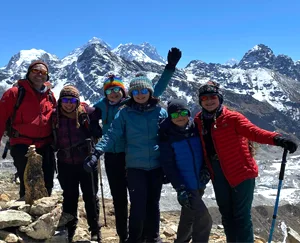
Travel with people having similar adventure dreams
Trips for Kids
Calling all young adventurers - join us for a journey of a lifetime!
Trips for Adventurers
Climbing & mountaineering adventures for thrill-seekers
Live Chat Support
Purushotam Timalsena
Purushotam Timalsena Travel Expert
We'll plan the perfect personalized vacation for you.
Request for Assistance ⮞