Customize Your Trip

Need Help? Let's Talk
+977 985-1095800


10% OFF
Tilicho lake trek
- Visit the World’s highest lake, Tilicho Lake (4919m),
- Picturesque villages, turbulent river gorges.
- We will ascend to Marshyangdi Valley, which has the best view of the Himalayas.
- Best View of Mout Manaslu, Himalchuli, Lamjung Himal, Annapurna 2, Annapurna 3, Gangapurna, and Tilicho peak.
- Visit the old Buddhist monastery in Braga.
Trip Extension
Suppose you have more time in Nepal after this trip. In that case, we can help you to extend your trip by running different treks in Nepal, tours in Bhutan and Tibet, Jungle safari tours at Chitwan, Bardia, and other National parks, Nepal luxury hotel booking, Rafting, Ultra-light flights, or any other travel-related services. You can get more information here.
Route Map & Altitude Chart

Most Asked Questions by Travellers
 General
The Tilicho Lake Trek normally takes about ten to twelve days depending upon the route taken and the speed. Some trekkers make the journey longer by combining it with the Annapurna Circuit.
Tilicho Lake is accessible during a number of seasons, but the trail and weather conditions may influence one’s ability to reach Tilicho. Heavy snow, or monsoon rain can sometimes make the parts of the trail more challenging.
Tilicho Lake is located at the elevation of approximately 4919 meters above sea level. This high elevation makes it one of the highest in the world.
Individual climbers are capable of completing the Tilicho Lake Trek as long as they put in a proper plan and observe the requirements of the trail. There are also a lot of travellers who prefer to travel in guided groups in order to get additional support and protection.
Yes, there are a few traditional villages, which are situated on the way of the trek to Tilicho Lake such as Chame, Pisang, and Manang. These are villages where one can stay as well as get a glimpse of the mountain culture.
Yes, Tilicho Lake is often frozen during the lower months of the year. The mountains around and the ice covered surface create a dramatic winter scene.
During the Tilicho Lake Trek trekker can visit the monasteries, prayer wheels and traditional settlements. These places reflect the strong Buddhist culture of Annapurna region.
Yes, The Tilicho Lake Trek is perfect for the travellers who love natural landscapes and mountain scenes. The route also has views of glaciers, alpine valleys and high Himalayan peaks.
 Preparation & Fitness
Trekkers need to have good basic fitness to walk a few hours a day on mountain trails. Light exercise or simply walking regularly before the trip can help to increase the endurance.
Prior experience in trekking is good but not compulsory. Tilicho Lake Trek is an adventure that is successfully accomplished by a great number of travelers who are well prepared and advised.
Hikes, jogging, cycling or climbing stairs are some of the activities that can be used to prepare the body. Such exercises strengthen the legs and improve stamina during long walking days.
Yes, you can carry a light backpack around to make your body accustomed to weight carrying before the walk. This arrangement will ensure that Tilicho Lake Trek is more comfortable.
Stretching helps to decrease the stiffness in the muscles and increase flexibility. It can be useful before the trek, as well as after long days of walking.
Mental preparation for long journey in mountains is important. A positive attitude is helpful for trekkers to stay motivated during difficult sections.
Basic preparation in a matter of a few weeks can still improve stamina if done regularly. However, if training is started earlier, the body can better adjust.
Yes, wearing trekking shoes before the trip helps to avoid blisters during the trek. Comfortable footwear facilitates long days on foot.
 Permits
Permits help control the trekking activity and help with the conservation of the Annapurna region. They also help authorities to keep track of trekkers for safety purposes.
Permits can usually be arranged at Kathmandu or Pokhara before the trek of course begins. Many trekking agencies help travelers to get a permit.
Yes, there are checkpoints on the route of The Tilicho Lake Trek where the permits may be verified. Trekkers are supposed to carry their permits.
Yes, independent trekkers can purchase permits themselves at the authorized permit offices. Nevertheless, most tourists choose to leave any paperwork to trekking companies.
The regulations of permits between Nepali citizens and foreign visitors can vary. The local trekkers tend to have a slightly different permit system.
You are not allowed to walk in the areas with protection without the necessary permission. Police can just impose fines or deny entry without any permits.
Most permits are valid for the length of the trek in the region. They usually cover a full itinerary of Tilicho Lake Trek.
The permits are sometimes renewable or modifiable according to the travel plans. It is advisable to inquire with the local authorities or the trekking agencies.
 Insurance and Visa
Most international travelers need a tourist visa to enter Nepal. The visa can be obtained at the airport in Kathmandu most of the times.
Trekkers should select a specific period of visa duration which includes the full period of traveling. Many travelers choose a visa that permits additional days in the event of delays.
Travel insurance is used to be protected in unexpected situations like illness or accidents. It also aids in the possibility of covering emergency evacuation if required.
Yes, insurance policies should specially cover high altitude trekking. This ensures the protection during the Tilicho Lake Trek.
Some travel insurance policies will cover helicopter evacuation. Trekkers should be sure of this before they buy insurance.
Many trekking companies ask for the copy of insurance details before starting the trek. This helps them to assist fast in emergencies.
Some travellers obtain insurance while in their destination, but it is often easier to buy insurance prior to travelling. This ensures protection since the beginning of the journey.
Insurance information should be carried in a digital or printed form. Guides may also retain a copy to reference in case of an emergency.
 Guides & Support Staff
It is strongly recommended to hire a guide when doing the Tilicho Lake Trek because they are familiar with the trail and the local conditions. A guide is also helpful to navigate, to be safe and to communicate with local populations.
A trekking guide takes care of the everyday schedule and makes sure that the trekkers take the right route. They also keep track of the health conditions and give valuable information about the region and culture.
Yes, porters are available to assist carry trekking luggage in Tilicho Lake Trek route. This support makes it easy for trekkers to get by with only a small day pack.
Most porters carry the luggage for two trekkers and the weight is usually limited to around fifteen kilograms per person. This helps in keeping the work balanced and safe for the porter.
Yes, some trekkers like to carry their own equipment. However, it is more comfortable and less physically demanding to hire a porter for the trekking of the Tilicho Lake.
In Nepal, most professional guides have experience in high altitude trekking routes. They also undergo first aid and mountain safety training.
Many guides for trekking walks speak English and have good communication skills with the international travelers. They also help to explain local culture and tradition during the trek.
Tipping is not compulsory but it is appreciated as a gesture of gratitude. Many trekkers give tips at the end of the Tilicho Lake Trek itinerary.
 Accommodation and Facilities
The lodging facilities of Tilicho Lake Trek are primarily in a simple mountain lodge referred to tea houses.These lodges offer basic rooms and a shared dining area to trekkers.
The mattresses and pillows used in beds and the blankets are common in tea houses. They are not too complicated, but comfortable enough to sleep after an arduous day of trekking.
Some villages along the route of the trek of Tilicho Lake provide hot showers for which an extra fee is charged. Facilities can become scarcer in areas with higher altitude.
Most tea houses have shared toilet facilities for the guests. The type of toilet may vary depending on the Village and altitude.
Electricity is available in a number of villages along the trek. However, charging devices may come with a minimal additional payment.
Some tea houses permit simple hand washing of clothes. However, the drying of clothes may take longer during the colder mountain weather.
Most tea houses have blankets to provide warmth during the nighttime. Many trekkers also bring in their own sleeping bag for comfort.
Yes, facilities are usually more comfortable in lower altitude villages. As trekkers ascend along the Tilicho Lake Trek route, the services get more basic.
 Food and Drinks
Most of the meals on the journey of Tilicho Lake Trek are simple and nutritious dishes. Rice, vegetables, noodles and soups are usually available in the tea houses.
Tea houses typically offer breakfast options, such as porridge, eggs, bread, and tea. Breakfast helps trekkers prepare for walking during the day.
Yes, traditional nepali meals are available in many of the tea houses. Dal bhat is a popular dish as it gives you good energy to do trekking.
The tea house menu can be adjusted somewhat depending on the available ingredients. Basic food orders can be made easily.
There are numerous villages along the trail where one can buy bottle water. Nevertheless, a lot of trekkers tend to replenish the bottles and to clean water using some water purification technique.
Hot beverages like tea, coffee and herbal beverages are readily available. These beverages are especially comforting in the evenings of colder weather.
Small shops and tea houses sell snack items including biscuits and chocolate. Trekkers can also bring their own snacks for the sake of convenience.
Food prices tend to rise as the trek goes higher. This occurs due to the fact that supplies need to be carried up to remote mountain villages.
 Weather & Seasons
The weather conditions can have an impact on the visibility and trail conditions of the trek. When the weather is clear, there is a high probability of clear views of the mountains.
In many cases there are clearer skies and better views in the mornings. Depending on seasonal conditions, afternoon clouds may sometimes appear.
Yes, but mountain weather can change quickly. Trekkers should always be prepared for temperature changes as well as sudden winds.
Temperatures usually drop as trekkers gain altitude. Nights may get rather cold in villages nearer to the Tilicho Base Camp.
The trail conditions in elevated regions can sometimes be affected by snowfall. The trekking schedules will vary depending on the weather conditions.
Mountain views are reliant on weather conditions and cloud cover. Clear days permit often excellent panoramic scenery.
Strong wind is sometimes experienced in open high altitude areas. Proper clothing helps trekkers be comfortable in these conditions.
It is good to check the forecast before going trekking so that one can be prepared for any changing conditions. Guides also stay on top of weather updates during the trek.
 Health & Safety
Trekkers must drink sufficient water, eat a balanced diet and walk at a steady pace. A good rest and listening to your body help to remain healthy during the trek.
Basic medical services are available in some of the larger villages along the trail. Guides tend to carry first aid in case they need to assist trekkers.
It is common to feel exhausted when hiking at elevated altitudes. You can take little pauses and walk slowly to make your body get back on track and do it comfortably.
Mountain trekking comes always with its natural complications such as changes in altitude and weather. These risks can be minimized by careful planning and adherence to the instructions given by the guides.
Trekkers should treat drinking water before drinking it. Using purification tablets or filters are helpful to ensure that the water is safe.
Wearing the proper footwear and walking carefully on uneven trails helps avoid injuries. Stretching and resting regularly also limit muscle strain.
Emergency rescue services can be organized, if necessary in serious situations. Helicopter evacuation is sometimes employed for medical emergencies for remote areas.
It is always a good idea to share your travel plans with family or friends. Trekking companies also maintain records about itineraries for the purpose of safety.
 Packing & Gear
A comfortable day backpack is good to carry personal things such as water, snacks, clothing. Larger bags are typically carried by porters on the trek.
Yes, warm layered clothing is important because the temperatures can get cold at higher altitudes. Jackets, gloves and hats, help keep the body warm.
Trekking poles can be used to maintain balance on uneven trails. They also help to reduce the pressure on knees in long walking days.
Sunglasses are very helpful to you for protecting your eyes from stronger sunlight. They also decrease the glare from snow and bright mountain landscapes.
Weather conditions in the mountains can be changeable. Carrying a lightweight rain jacket for times when rain is anticipated and helps keep trekkers comfortable.
Water bottles (reusable) are recommended for trekking in mountain areas. They reduce waste plastic and enable trekkers to refill the water during the trek.
A headlamp is good when you are walking around tea houses early in the morning or at night. It also helps when on the trail in low light conditions.
Yes, gloves and warm hats are important for being comfortable in colder areas. Temperatures may be much lower in the evening and morning.
 Booking & Payment
The bookings done several weeks or months beforehand enable the availability of both guides and accommodation during the seasons of great demand. Early reservation also leaves time to prepare the travel.
Yes there are many trekking companies that organize group departures all year round. Joining a group can be a good option for the solo traveler.
Most of the trekking companies ask a small deposit to confirm the booking. The balance is usually paid prior to the start of the trek.
The payments are often made through bank transfer, online payment system or in cash. Different policies can be applied by different trekking companies.
Yes, the private groups can generally customize the Tilicho Lake Trek itinerary to their requirements. Trekking companies are permitted to modify the schedule wherever necessary.
In case there are changes in the plans, one should inform the trekking company as soon as possible. They are generally able to assist in the modification or re-positioning of arrangements.
A large number of trekking packages also cover the necessary permits as a service. Before you book, it is always good to be sure of the details.
Most companies will offer advice for preparation prior to the start of the trek. This information helps travelers to understand the route, equipment and travel arrangements.
 Transportation & Flight
Travelers generally arrive at the starting point by road from Kathmandu. The journey goes through picturesque mountain roads and villages.
Private vehicles can be arranged depending upon the trekking package. They are a more comfortable way of traveling than a shared transport.
Yes, there is road travel before and after the trekking portion of the journey. This enables the trekkers to access the mountain trailheads.
The travel time is based on conditions of the road and the choice of transportation. The journey normally takes several hours through mountain highways.
Yes, there are travelers who prefer to start their journey from Pokhara. Transportation is available from either city based on travel plans.
Shared jeeps are generally used in the mountain areas for transportation. They are a convenient option to get to remote villages.
Most of the trekking companies arrange transportation as part of their package. This helps travelers in order to avoid logistical difficulties.
Road conditions may vary with weather conditions and season. Drivers who have experience in the mountains help ensure safer traveling.
Reviews on Tilicho Lake Trek





Stephen Hendrik
London, United Kingdom
Best Trek to Tilicho Lake

I signed up for an 11-day Tilicho lake trek with Above The Himalaya Trekking. It was an unforgettable experience. I had a great view of the mountains from Mamang, and the Tilicho Lake view was great. Our guide and porter were very accommodating. They made necessary changes to the routes. I had an enjoyable time with them throughout the trip.
Thank you, Above The Himalaya and team, for a wonderful experience.
Stephen Hendrik
Joanne Lefson
Italy
Great trekking to Tilicho Base Camp
We have come back from our 10-day trip from Tilicho laLakeke. The arrangement was from Above The Himalaya Trekking. Our trekking guide, Basu, was beneficial and flexible. He gave us better insight into the local culture and helped us with what we needed. He was very friendly and funny with lots of fun. He ensured everything went well and chose the best guest house on the trail.
I had a great time and recommend Above The Himalayas.
Joanne Lefson
Robin Willinson
USA
Tilicho lake trek with Above the Himalaya
Thank you for organizing such a fantastic trip to Tilicho Lake on short notice. We chose this trek with Above the Himalayas in October. The scenery during the day was excellent, with sunset and sunrise views. The trail was busy in mid-October, and I met many other trekkers.
We recommend this trek to anyone planning their trip. We also suggest using this fantastic local company.
Robin Wilkinson
Rituraj Mate
Germany
Best company and guide for Tilicho lake trek
Recently, I was trekking in the Tilicho Lake trek of Nepal. I was undertaking the Annapurna circuit. As few Indians go for adventure sports in other parts of the world, I worried about taking the trip. A person like me can never imagine being on something like trekking.
My guide, PURU, was quite optimistic about my plans to trek. In the first three days, I thought I had made a mistake as I used to stay behind other people in our group, Frane Hanah & Dirk. But PURU always motivated me and kept me positive. Through his efforts, I could climb the Thorong Pass after the Tilicho Lake trek.
The arrangements made by PURU for this Annapurna trekking on the way were excellent. It was of an excellent standard. I never had any problem. If I had trouble, PURU gave me valuable advice and friendly instructions. The food was fantastic.
PURU answered my questions about various issues. Be it the weather, high altitude, or transport systems. If somebody is planning to go to Nepal for Tilicho Lake trekking, consulting PURU would be a plus point. He is quite helpful and would not give the wrong advice.
Ritu Raj Mate
Correspondent Freelance Analyst
TCC News
Cindy Pham
Singapore
Had a great time in Tilicho Lake trek
This is my first time trekking in Nepal, and I have done the Tilicho Lake trek. The journey was a total of 10 days. They tailored the itinerary to our needs. This route was challenging, especially after Khangsary.
But with the help of our guide, Sitaram, we could complete it without any problem. The weather was perfect in April, and most days brought sun and blue skies. I thoroughly enjoyed this trip and highly recommend this company to anyone.
Cindy Pham
10% OFF
Book with Confidence
- Flexible bookings and easy trip date changes
- Personalized service and customized group sizes
- Safe travels with owner-operated services and highly experienced guides
- Best price guarantee for the most value for your money
- Secure & easy online booking
Your Trek Leader
 Enjoy Himalayan scenery with the help of Nepal’s best guides with Government license holders and got training in first-aid, our Trip Leaders, know where you’ll find the best photos, most fascinating wildlife, and the best stream crossings.
US$ 1350 Per Person
Have Questions?Talk to Expert
Meet Mr. Purushotam Timalsena (Puru), Nepal's best trek and tour organizer, who has been working in the Himalayas for more than 24 years.
WhatsApp/Viber +977 98510 95 800



You May Like



Trips for All
Private Trip
Peaceful tour with your travel buddy and guide
Small Group Travel
Travel with people having similar adventure dreams
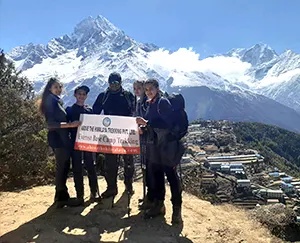
Trips for Kids
Calling all young adventurers - join us for a journey of a lifetime!
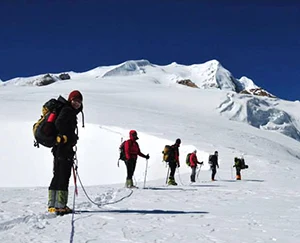
Trips for Adventurers
Climbing & mountaineering adventures for thrill-seekers