notification-icon
Join our solo, private, family, & small group joining trips Plan your trip

Manaslu Circuit Trek

| |
trip-expert-puru-timalsena

Need Help? Let's Talk

+977 985-1095800
10% OFF
Trip Price US$ 1850
US$ 1665 per person
Book This Trip
Trip Duration 12 Days
Group Size 2-12 people
Maximum Altitude Larkya Pass (5213m/17103ft)
Difficulty Grade Difficult
Start & End Point Kathmandu/Kathmandu
Best Seasons Mar-May, Sept-Nov

Small Group Departure Dates for 2026 and 2027

Note: We can run a trip for solo travelers, couples, friends, and family with children. Our private trips run daily. For small group travel, please check the dates below. If the dates below do not suit you, please email us or WhatsApp us at +9779851095800 to travel on your preferred dates.

September: 05,10,18,22,30
October: 02,05,08,12,16,20,24,30
November: 04,07,11,14,17,21,25,30
December: 03,07,12
March: 03,07,11,14,17,21,25,29
April: 02,06,10,13,16,19,22,28
May: 02,07,11,15,20,28
June: 05,08,15

Highlights of Manaslu Circuit Trek

  • Stunning views of sacred mountains
  • Familiarity with various ethnic and cultural groups
  • One of the best places for photography
  • Favorable climatic conditions
  • Exciting natural views
  • Rarest Flora and fauna
  • Excellent route filled with natural beauty and landscape

Overview of Manaslu Circuit Trek

Manaslu Circuit Trek is one of Nepal’s most challenging and less-traveled treks. The Manaslu region of Nepal will give us more adventure on this high alpine journey. The trek opened in 1992. This location provides a dynamic life history: unsurpassed majesty and natural variety.

Trekking in these areas is a unique chance to experience Nepal’s “untouched” region. It also provides an opportunity to witness the beauty along the border of Nepal and China. Manaslu area is genuinely one of the excellent treks in Nepal.

Firstly, it is a trek through remarkable ethnic and scenic ranges. Secondly, it gives breathtaking perspectives of snowy mountains. Some mountains are Mt. Himalchuli, Mt. Ganesh Himal, and Mt. Manaslu (eight,163m), which have different elevations. About ten peaks of over 6,500 meters are in this region.

Likewise, the Manaslu Conservation Area gives us the best experience on this trek. It is also rich in precious kinds of flora and fauna. Furthermore, it is a habitat for plant life in all ecological regions. It receives fewer tourists than any other trekking area.

The Short Manaslu Circuit Trek is getting more popular every day than ever. It gives a spectacular mixture of the typical Nepali culture. The slight influence of the Tibetan lifestyle makes it enjoyable for outside visitors. Thus, they are amazed to see and feel the unique ethnicity.

We will hike in this region on the less-traveled trekking route. The area to the east of the Annapurna is the peaks of the Manaslu group. Few trekkers trek to this area, which visits here all the more unique and unspoiled. River Budi Gandaki is in the east, and River Marshyangdi is at the west border of this area.

Two cultural highlights mark the significance of this place. They are Gorkha, the ancestral seat of the reigning Shah dynasty, and the temple of Manakamana.

Why Manaslu Circuit Trek?

1. Moderate Difficulty level

The Short Manaslu trek is relatively easy so that you can do it without specific knowledge or expertise. You do not need previous experience. It is for both beginners and experienced ones as well. The more accessible trekking difficulty level makes it easier for trekkers of any group to join and enjoy the trek.

2. Amazing views

Undoubtedly, the trip is famous for its mesmerizing mountain views. The views of stunning mountains look so perfect and dreamy. You can enjoy the best sunrise view over mountains when the sun shines above them. It makes you feel so heavenly. Enjoy The rays of the sun touching the white snow mountains, which gives you the best feeling.

3. Flora and Fauna

As mentioned, you can also visit the Manaslu Conservation Area during this trek. And this is the home of various rare wildlife and plants. So, you get to see different species of plants and wildlife in a completely natural setting.

4. Affordability

Another primary reason to go on a Manaslu circuit trek is its affordability. It is a middle-budget destination, and now we do a tea house trek to make the tour cheaper. So, even with a limited budget, you can easily afford this trek to Manaslu. So, the cost will not be a big issue having this fantastic experience and blissful memories.

Itinerary of Manaslu Circuit Trek

DAY
01

Day 01: Kathmandu Drive to Machhakhola

On the first day of the Manaslu circuit trek, you will mainly drive through the mountain scenery. It is about an 8-hour drive. For the first part of the day, you will travel on the beautiful Kathmandu-Pokhara Highway until Dhading Bensi.

It is comfortable to drive from Kathmandu to Dhading Bensi (district headquarters of Dhading 1050m) for 4 hours, and from there to Arughat for another 4 hours. We will be driving on a rough road with scenic views of the landscape, villages, river, Mt. Ganesh Himal, and Manaslu. We will overnight at a local guest house.

Jeep 8-9 hrs
Accommodation Guesthouse
Meals Breakfast, Lunch, Dinner
Altitude Arughat (570m)
DAY
02

Day 02: Machhakhola trek to Jagat

We will cross the small bridge over Doban Khola. From here, we have a flat route first, and after, we climb on a rugged rocky trail to Duman.

We cross another long suspension bridge over the Yaru Khola (1330m). We climbed some stone stairs until we reached Tharo Bharyang. Enjoy walking on the River bank before climbing through small villages. You get to Jagat, which is a beautiful flagstone village.

Walking Day 7 hrs
Accommodation Teahouse
Meals Breakfast, Lunch, Dinner
Altitude Jagat (1,410m)
DAY
03

Day 03: Jagat trekking to Ngyak Bensi

Start our Manaslu Circuit trek journey by climbing a rocky ridge to Salleri (1440m). Here, you have excellent views of Sringi Himal. From here, we are descending to the valley. The path widens a bit as the trail continues up to the stone houses of Ghatta Khola.

We will trek on the old path up to Pangsing and climb to Ngyak. It is one of the few large settlements on this route. It is home to the Manaslu Conservation Area Project office. From here, you can view Mt. Lapuchun (5,950m).

Walking Day 4 hrs
Accommodation Teahouse
Meals Breakfast, Lunch, Dinner
Altitude Ngyak Bensi (2,300m)
DAY
04

Day 04: Ngyak Beshi trekking to Ghap

Today, at the start of the Manaslu Circuit trek, we walk down to the grassland with tall pine trees. The trek takes us through a heavily forested area in a narrow valley.

It finally widens and offers a pleasant walk through a bamboo forest and a collection of rocks. We reach the little settlement of Deng (1800m). After we cross the Budhi Gandaki River, the trail climbs to Rana (1980m).

We will walk along with some local houses. The trail climbs high above the river and drops into the Sringi Valley. The path continues ups and downs through the forest, giving us views of the Manaslu Massif before reaching Ghap.

Walking Day 4-5 hrs
Accommodation Teahouse
Meals Breakfast, Lunch, Dinner
Altitude Ghap (2,160m)
DAY
05

Day 05: Ghap trekking to Namrung

While on the Manaslu Circuit trek today, we passed a few houses and three streams in a forest. The forest has giant firs alive with birds, including Danphe (Nepal’s national bird). We are climbing a bit long in the bamboo and rhododendron forests.

We cross the river several times. We are crossing the wooden bridge over Budi Gandaki. We pass the beautiful gorges before entering Namrung through a stone archway.

It is a Buddhist village. We can see monasteries, a water turbine, and an electricity powerhouse. Mani walls, Chortens, and prayer flags flutter in the sky.

Walking Day 3-4 hrs
Accommodation Teahouse
Meals Breakfast, Lunch, Dinner
Altitude Namrung (2,660m)
DAY
06

Day 06: Namrung trek to Samagaon

Today, on our Manaslu Circuit trek, we are taking the path that moves through the inner Himalayan range. We enjoyed the mountain views of Rupina la Pass. You can enjoy the best views of Mount Manaslu, Gorkha Himal, and Dwijen Himal.

You see Saula Himal, Lajing Peak, and many other snow-capped mountains. We are walking in the forest of firs, rhododendrons, and oaks. The trail enters the carefully packed houses of Lihi (2900m).

It passes several Buddhist villages along the way. Due to their proximity to Tibet, Tibetan culture has influenced these areas. You will find many monasteries, Chortens, and mani walls.

Samagaon has about 150 houses, so it is surprisingly large and bustles with the energy of remote village life. From Samagaon, you can see Mt. Manaslu and the Kutang Himal Massif.

Walking Day 5-6 hrs
Accommodation Guesthouse
Meals Breakfast, Lunch, Dinner
Altitude Samagaon (3,530m)
DAY
7

Day 7: Rest Day in Samagaon

We recommend resting in Samagaon for one night to acclimate. Enjoy the village and a short trip to Manaslu Base Camp or Punggen Gompa.

Mountains surround the area in a peaceful forest. You can hike to Manaslu Base Camp for excellent views of Samdo (Pang Phuchuli). You also get the opinions of Nagdi Chuli, Simnang Himal, Manaslu Glacier, and Manaslu Icefall.

Accommodation Guesthouse
Meals Breakfast, Lunch, Dinner
Altitude Samagaon (3,530m)
DAY
8

Day 8: Samagaon trekking to Samdo

Today, on our Manaslu circuit trek, we are walking uphill on a desert path and a windy village to Samdo. We cross the Kyagru Chholing Gompa. We walk in the juniper and birch forest and the stone hut of Kermo Kharka.

We start climbing to the Samdo. Before entering the village, we pass through the point where the Budhi Gandaki starts. It is at the confluence of Larke Khola and the river coming from Samdo Glacier. It is a refugee camp for Tibetans and gives you a rare glimpse into the lifestyle of the Tibetan people.

From here, we can enjoy the magnificent view of Mount. Manaslu, Nagdi Chuli, Samdo (Pang Phuchuli), Simnang Himal, and also Manaslu glacier. You can see the Manaslu icefall and several other majestic peals. Stay at a local guest house.

Accommodation Guesthouse
Meals Breakfast, Lunch, Dinner
Altitude Samdo (3,860m)
DAY
9

Day 9: Samdo to Dharmashala/Larkya Rest house

Today, the Manaslu circuit trek starts with gentle trails descending through many fields to a large Mani wall and stone archway. We mostly follow rocky and zigzag trails today. Small streams meet the big Budi Gandirn River with thundering sounds.

We continue to follow its course ever upward. Spectacular mountains surround the area from all sides. First, we cross the east bank of the river.

We reach Sumdu, the last permanent settlement in the valley. From here, we cross the stream that runs down from the Gya La (Pass), the pass to Tibet.

Finally, we are an abandoned village known as Larkya Bazaar. Start climbing on the high-rise trail from the Larke Khola. It leads to Dharmashala, where the course finally meets the river.

Walking Day 4-5 hrs
Accommodation Guesthouse
Meals Breakfast, Lunch, Dinner
Altitude Dharmashala (4,480m)
DAY
10

Day 10: Dharmashala to Bimtang

The  Manaslu Circuit trek trail becomes rocky as it goes along a moraine and reaches a beautiful turquoise lake. It reflects the surrounding snowy mountains. The path becomes tedious.

It climbs on rocky moraines hills surrounded by rocky cliffs and snowy ridges beyond. Today, crossing the Larkya Pass (5213m) is more complex than on our other trekking days.

The impressive Larke Pass leads to a steep, tiresome descent. The path is a slippery trail towards the moraine of Salpudanda Glacier. The course then becomes gradual along the moraine and parallel to Bimtang glacier. It goes towards Bimtang.

From here, there are tremendous views of Himlung Himal (7126m), Cheo Himal (6820m), Gyaji Kung (7030m), Kang Guru (6981m), and Annapurna II (7937m). Bimtang has several Mani walls and deserted houses.

Walking Day 7-9 hrs
Accommodation Guesthouse
Meals Breakfast, Lunch, Dinner
Altitude Bimtang (3,720m)
DAY
11

Day 11: Trek from Bimtang to Dharapani

The Manaslu circuit trek trail drops from Bimtang and crosses a glacial stream, the headwater of Dudh Khola, on a wooden bridge. Make a gradual descent through rhododendron and pine forests. You see the north face of Manaslu along the way.

You reach the highest cultivated land in this valley of Karcher at 2785m. Walking down, you cross a stream through fig trees and rhododendron forests to reach Tilje. From here, we will continue trekking to Dharapani for our overnight stay.

Walking Day 7-8 hrs
Accommodation Guesthouse
Meals Breakfast, Lunch, Dinner
Altitude Dharapani (1,963m)
DAY
12

Day 12: Dharapani drive back to Kathmandu

From Dharapani, we will meet on the road now on our Manaslu Circuit trek. We can take a local jeep or bus to Besisahar. From there, there is a bus to Kathmandu. We can stay overnight at Besisahar and drive to Kathmandu the next day. You can book another new trekking trail with us if you have more time in Nepal.

Jeep 6-7 hrs
Accommodation Hotel
Meals Breakfast & Lunch
Altitude Kathmandu (1,400m)

Trip Extension

Suppose you have more time in Nepal after this trip. In that case, we can help you to extend your trip by running different treks in Nepal, tours in Bhutan and Tibet, Jungle safari tours at Chitwan, Bardia, and other National parks, Nepal luxury hotel booking, Rafting, Ultra-light flights, or any other travel-related services. You can get more information here.

Includes/Excludes

What's Included?
  • Kathmandu Airport to Hotel and back to Airport transfers by tourist coach.
  • Your hotel twin-sharing accommodation in Kathmandu includes breakfast.
  • Complimentary day tour of Kathmandu valley with good English-speaking tour guide, private car, and driver.
  • Trekking guide certified and licensed by the Government and got training on high altitude sickness and first aid.
  • Trekking porter from Kathmandu, one porter for two trekkers.
  • Trekking staff, food, accommodation, salary, equipment, insurance, and clothing.
  • Local Tea houses, also called guest houses/ lodges, twin sharing during your journey.
  • Your daily meal (breakfast, lunch, and dinner). You can choose your meals from the menu. There are different types of food available.
  • Local transportation from Kathmandu to Soti Khola and from Tal to Kathmandu by local bus and private jeeps are available, adding the extra cost. Let us know before you book the trip.
  • Annapurna trekking permit fee
  • Manaslu trekking permit fee Special permit and Manaslu Conservation Permit
  • The guide will carry an essential medical supply first aid Kit.
  • Above the Himalayan duffel bag. ( If you need to, please let us know before you book the trip and remind us before you arrive in Kathmandu so that it is easy for us to prepare.)
  • All the trip information and details for the trek.
  • Above the Himalayan Gifts and Trekking certificate after finishing your trek.
  • We offer you one farewell dinner in Kathmandu in a Nepali restaurant
    Government taxes and service charges.
What's Excluded?
  • Meals other than breakfast in Kathmandu.
  • Nepal Visa fee: you can get a visa upon arrival at the Airport.
  • International Airfare/Airport tax, Kathmandu tour entrance fees.
  • Alcoholic, hot and cold drinks, hot water, hot and cold showers.
  • Personal expenses include laundry, telephone calls, sweets, snacks, beverages, bar bills, and camera battery charging.
  • Travel Insurance should cover rescue and medical
  • Personal trekking gears
  • Gratitude to the trekking/tour staff and driver
  • Any other expenses which are not mentioned in the Price Include section.

Route Map & Altitude Chart

Staying in the best of health on the Manaslu Circuit Trek

While you are on the Manaslu trail, the first thing you can always take on priority is how to stay fit throughout the journey. Here are a few tips

1. Keep hydrated! Drink plenty of safe water

When trekking in the mountains in a dry area, we lose moisture. Humidity is lower at higher altitudes. High altitude can also make you need to urinate more often. The elevation height can blunt your thirst response.
You lose water through respiration at a high altitude twice as quickly as at sea level.

Even while sleeping, we can become dehydrated! When dehydrated, you will feel very thirsty and have a dry mouth. You will urinate and sweat less than usual. You will have dark-colored urine and dry skin. You will feel tired and dizzy.

How to away from dehydrated

Drinking enough water will protect you from altitude illness in the Manaslu circuit trek. Staying hydrated is important at altitude. Drinking water is often the best and cheapest way to keep hydrated and rehydrate. Furthermore, the water contains no added sugars or calories. So, it is ideal to drink throughout the day or when you need to rehydrate.

So, drink at least 3/4 little water during your Manaslu circuit trekking. Get hydrated and feel energized for your Manaslu base camp trek.

2. Clean hands!

Regular cleaning of your hands gets you halfway there to being healthy for your Manaslu circuit trek trail. The most common way to get bugs (bacteria, protozoa) into your system is by using your hands. When you pick up food, touching your face and unwrapping food with dirty hands can lead to stomach upsets.

Use hand sanitizer, soap, and water before eating and after the toilet. Clean your hands. Don’t use towels in public washrooms. Try to avoid touching your face. Always clean your hands after using the bathroom. Buy yourself small bottles of sanitizer. Purchase a clip that goes over the lid to hang this from your pants, belt, or backpack.

3. Use a buff/scarf over your mouth during the short Manaslu Hiking

A Buff is surprisingly helpful for your kit bag during your Manaslu circuit trek. A bandana primarily aims to protect the wearer from the sun or assist with absorbing sweat. This moisture helps to reduce the dryness of the air you breathe in.

It is beneficial to keep the dust-out. Scarves are pretty versatile. You can use them as a towel or pillow or wrap them over your eyes to block out the light, allowing you to sleep beyond sunrise.

4. Sunblock everywhere!

The sun is extremely strong during the daytime of the short Manaslu base camp trek. So, the UVA and UVB rays penetrate much more deeply in the thin air at high altitudes. It is essential to use high-SPF sunscreen at high altitudes to get complete protection from harmful sun rays.

You must use sunscreen with an SPF of 40 or higher to protect your skin from UVA and UVB rays. No matter what SPF rating your cream has, reapply every 2 hours. We suggest you buy a ‘broad-spectrum’ sunscreen that blocks both rays.

5. Wear a hat

The sun hat is also essential during your Manaslu circuit trek. It protects your face from the sun rays and helps to reduce the sunburns on your skin. Direct sunshine can harm hikers, especially if the skin is susceptible to direct sun rays. It would help to have an excellent trekking hat during the daytime for the early morning and nighttime. You can get a woolen hat to protect from cold.

6. Careful about what you wear and your shoes!

Be careful with your trekking shoes for the Manaslu circuit trek; sometimes, it can get blisters. Stop and prevent that blister from forming. Get the trekking boot with a good one with ankle support and plenty of toe room for long descents.

The light shoes with slightly stiff soles make it easy to lift your boot. Thick trekking socks are better for higher-up and cool evenings, and get 2/3 pairs of them. You can use thin walking socks for the down part of the Manaslu circuit trek. Wear the proper warm clothing before you get too cold. Stop and rest and tell your guide if you have any problems or difficulties.

Manaslu Round Trek

Nepal is a country full of hiking and trekking experiences. Trekking places in Nepal, like Manaslu Round, EBC Trek, and many others, are famous worldwide. This region also has variations in scenic and cultural beauty.

You can get a breathtaking view of Mount Manaslu at an altitude of 8163 meters. This trek is a lifetime experience. It is also the eighth-highest mountain in the world. The government sealed the Manaslu region earlier, but since 1991, it has been open.

The route consists of off-beaten and less-explored trekking trails. In 1998, Nepal established the Manaslu Conservation Area. Its main goal was to preserve Manaslu’s fragile natural and cultural heritage. You will be amazed by the fascinating views of Simrang, Mt. Manaslu, Hiunchuli, Ngadi, Ganesh Himal, and Larke Peak.

During the short trek, we will visit the Manaslu conservation area. This area includes more than eight types of forest. You can find endangered animals and birds like snow leopards, Himalayan Thar, and Blue Sheep.

The attraction of this trek is Larke La Pass, which is also its highest point. From there, you can get a magnificent view of the high snow-peak mountain. You will also glance at Cheo Himal, Ratna Chuli, Kangaroo Himal, and the Annapurna Range.

The best times to trek the Manaslu circuit are Spring (March, April, and May) and autumn (September, October, and November). You will be mesmerized by the beautiful hidden valleys of the Manaslu region.

Manaslu Circuit Trek Cost

The Manaslu circuit trek costs a little more than the Annapurna round trek. Manaslu is in restricted areas, and the permit fees are expensive. The permit fees from September to over are USD 100 for the first week and USD 15 per day. We need the Manaslu Conservation fee and Annapurna Conservation fees. Traveling from December to August costs less than USD 75 for the first week and after USD 10 per day.

Transportation makes a big difference in cost. The local bus would cost about USD 10; if we travel by private jeep, it will cost between USD 150 and USD 200. If you are in a group, a Jeep is also a good option as it is a more comfortable means of transport. You can book our entire board Manaslu trek for USD 2090 per person to make your travel easy and hassle-free.

We need a minimum of 2 people for this cost. To get a special permit, we also need two people. Walking in the Manaslu circuit trek region originates at around 1,000 meters. It reaches as high as 5250 meters. The trekkers will see a wide range of flora typical of Nepal’s middle hills and alpine regions.

You can find rare plant species around here, like pine and rhododendron. You also find wildlife, including barking deer, pika, and Himalayan marmots. Furthermore, you can also see various birds like pheasants, ravens, and choughs. The best time to travel here is in the Autumn and Spring months. Along with that, we suggest camping and trekking in this area.

Manaslu Circuit Trek Itinerary

Suppose you are doing the short Manaslu circuit trek and tour and want to make your itinerary. Our team of expert tour consultants can arrange a tailor-made plan to suit your time and budget. We can adjust our trip schedule to meet your interests and needs closely. We are running tailor-made trekking in the Manaslu, which fulfills every aspect. You can make your private departure date.

Manaslu trek 14 days package

The short Manaslu circuit trek will reward the adventurous. It will provide an unparalleled alpine experience. Opened in 1992, we can offer a brief 14-day itinerary. The trek combines rich cultural heritage with its unsurpassed beauty and biological diversity. The mountaineering expeditions have had extended access to this area.

Manaslu (8156m) mountain is the 8th highest peak in the world, located near the border of Nepal and Tibet. Because it is a restricted area for trekking, the Manaslu region trek is relatively virgin. It is another populated trekking trail in Nepal, like Annapurna and Everest Trekking. The journey short Manaslu 14-day package is enjoyable and challenging.

We can start from the town of Soti Khola to make it faster. Then, we ascend the impressive gorge of the Burhi Gandaki. We pass by with the spectacular views of snow-covered peaks over 6500m towers. The descent takes us through alpine and then tropical areas. The rocky trail goes up and down. It passes through a large stand of nettles.

It also passes tropical waterfalls from Labu Besi to Doban. This trek involves crossing Rupina La Pass, Larke La Pass (5105m), and Samagompa. It feels challenging but worthy of the absolute pleasure of trekking.

Manaslu circuit short Trek 10 days

Short Manaslu Circuit Trek, which takes ten days, is challenging trekking in Manaslu regions. This short trek allows us to study the area’s biodiversity and rich global heritage. The 10-day itinerary for the Manaslu circuit starts in Kathmandu. Then, it drives to Soti Khola and ends at Besisahar. The trek provides stunning views of Mount Manaslu, Ganesh Himal, Everest, Annapurna, and many more.

The route takes us walking through the Tibetan Buddhist and authentic Hindu-style villages. During this trek, we will reach the highest point at Larkya Pass. It sits at a height of 5213 meters. It is one of the most dramatic passes that cross the mountains.

Acclimatization in Manaslu Circuit Trek

If you are trekking above 3000m in the mountains, you need to acclimatize. When you arrive above 3000m, it is better to spend time at high elevations before you go to higher altitudes. During our Manaslu circuit trek, we will trek above 5000m, so it is essential to have a rest day.

Allowing your body to adjust to the new environment is crucial. Once you arrive, you can take one day’s rest to acclimate. Shorter day hikes and walking around colorful sites are advisable. Acclimatization means not only resting. It is how your body reacts so you can go on a day trip to a higher altitude and fall asleep.

As you reach high elevations, air pressure drops, giving oxygen molecules more room to spread out in the air. You’ll receive less oxygen with each breath than at sea level. It would help if you took time to acclimate appropriately before a hiking trip to avoid being at higher risk for altitude sickness.

The higher the elevation, the greater the risk. Acclimatization is a slow and necessary process that takes time. In the Manaslu circuit trek, altitude sickness is not discerned by fitness, age, or experience level.

Manaslu Circuit Trek Nepal Guide

Manaslu Circuit Trek Nepal requires a Government license holder guide. You must do your trek with a government-registered trekking company. As it is in a restricted area, you must make a special trekking permit. Above The Himalayas, trekking will help you get a license and provide you with the best local guide for the trek.

While on the trail, it’s always a good idea to use a local guide and porter to support the local economy. Your guide has a Government license and has training in different training courses. They have proper training in altitude and first aid. It helps them provide better services.

Manaslu Circuit Trek Nepal is only allowable with an Independent trekking Guide for individual trekkers. They need to register a trekking agency. Book your holiday with us. We lead this trekking local guide and porters with sound equipment and an insurance coverage team.

Manaslu circuit trek Cost Involved

The notable costs involve transportation, personal expenses, travel insurance, lodging and flooding, and considerable permit costs. For this reason, to trek, you need to have specific permits. Let us explain all of them, including their fees.

This Manaslu Circuit trek also allows you to explore the local culture and customs of various ethnic groups. People like Tamang, Gurungs, etc., live in villages along the trekking routes. This trek allows you to explore the rural lifestyle and its values. If you travel in certain months, like October, you can be part of their various major festivals. So, all these things add up to your experience.

How is the Weather in the Manaslu circuit trek?

The Weather and temperatures of this region’s trek depend on which time of the year you are trekking. Manaslu Circuit trek routes become harder during winter and monsoon seasons. While hiking in winter, the snow may cover the trails, and crossing the Larke la Pass is difficult.

The monsoon season could be more favorable for trekking. The routes to the Manaslu Circuit are usually muddy and slippery. The best time for the trek in the Manaslu regions is autumn and Spring. The Weather is good then, with clear skies and stunning views. In Spring, the flowers look beautiful, and temperatures are not cold.

Manaslu Larkya La pass Trek

The short Manaslu circuit trek to the region’s mythical mountains is enjoyable and arduous. For instance, it includes places like the Gorkha Budi Gandaki Valley River. We will cross the snowbound Larkya La pass (5213m) and snow-filled peaks over 6500m towers. The descent takes us through alpine and tropical areas.

It bursts with ferns, bamboo, pine timber, waterfalls, and aqua-blue-green lakes. Along with that, cotton-white beaches cover the entire route. We pass through the exciting and one-of-a-kind Buddhist villages of Samagaon, Sirdibas, and Samdo. We pass the numb valley to descend to Marsyangdi valley in the Annapurna round path.

This trekking leads to Besisahar. The area is less traveled and falls under Nepal’s restricted area. As a result, the trek takes you to surprising places like Macchakhola(930m), Philim(1570m), Ghap(2050m), and Lho(3180m).

Along with that it also covers Namrung(2660m), Samagaun(3525m), Samdo(3690m), Dharmasala(4470m), Larke La(5160m) and beautiful Bhimtang(3800m). The trekkers are welcoming with warm air and beautiful flowers.

Elevation and distance

The Manaslu Circuit Trek starts in the valley of lower BudhiGandaki and ascends slowly to the high region of Himalayas. The highest point of the trek is Larkya Pass at 5,106 meters which is one of the highest trekking passes in Nepal. The journey takes you through a wide range of altitudes, from warm river valleys to alpine landscapes and the views of glaciers.

The progressive elevation allows your body to adjust to high altitude naturally over a period of several days. Forest trails, traditional villages and rocky mountain paths provide a diverse trekking experience. Although the itinerary is 12 days, the route involves a good deal of ascent and descent over a mountain route.

For travellers who have little time for holidays, this plan can also be executed as a Short Manaslu trek. It contains the highlights of Manaslu Circuit Trek itinerary and at the same time keeps the schedule practical and well balanced for acclimatization and exploration.

Difficulty and altitude sickness

The Manaslu Circuit Trek is known to be a difficult trek because of the altitude and the long hours of walking. The trail is not technically difficult climbing but has steep ascents, rocky areas, and high mountain terrain. The most challenging day is crossing Larkya Pass at an elevation of 5213 meters, with reduced air thickness and colder and windier conditions.

Altitude sickness is a very common issue in high elevation trekking. Even strong and experienced hikers can feel its effects if they climb too fast. For this reason, proper acclimatization is a must. There is a rest day in Samagaon to help your body adjust before going higher.

Walking at a reasonable and sustained pace, drinking plenty of water, and letting your guide know if you have any discomfort are important steps in safety. With some careful planning and slow ascending of altitudes, most trekkers complete the Manaslu Circuit Trek itinerary safely and successfully.

Maximum and minimum number of walks per day

During Manaslu Circuit Trek, you will generally walk between 4 to 9 hours per day depending upon the nature of the trail and distance between villages. Some lower section days are shorter and more relaxed. These days are in the time to explore little settlements and enjoy the surroundings.

As you get higher, the days of walking can get longer as there are wider gaps between villages and the terrain is more challenging. The longest and most demanding day is the crossing of Larkya Pass which can take up to 9 hours including both ascent and descending. Regular breaks are provided for rest, tea and short photo stops.

Even though this itinerary can be considered as Short Manaslu trek compared to longer versions, it still requires steady daily effort. The remote nature of the trek means each of the walking days is carefully planned according to the mountain landscape.

Accommodation, food and drink

Accommodation in the Manaslu Circuit Trek is offered in local teahouses and simple mountain guesthouses. Rooms are usually twin sharing with basic beds, mattresses and blankets. Most villages have communal bathroom facilities and services get more basic the further up you go.

Meals are freshly made and served with each stop. Trekkers can have a choice of things like rice, lentils, vegetables, noodles, soups, potatoes, eggs and local bread. Dal bhat is the commonest meal since it gives steady energy for the long trekking days.

Hot drinks such as tea, coffee and lemon water are available in most villages. Since this is a remote region, the food price rises at higher altitudes due to transportation problems. Eating warm meals and drinking sufficient water helps to maintain strength during the entire Manaslu Circuit Trek itinerary.

Can a beginner join this trip?

The Manaslu Circuit Trek is a difficult high altitude trek but it is possible for beginners to take this trek if they have proper preparation and know what they are in for. This trek is not technical and does not require climbing skills, ropes or mountaineering experience. However, it does require physical endurance, patience and the ability to hike several hours a day on mountain terrain.

If you are active in your daily life and comfortable with hiking or long walks, you can consider this trek even as your first Himalayan trek. Still, it is important to understand that the altitude reaches above 5000 meters, hence more demanding than lower elevation treks.

For those who are looking for a shorter schedule a Short Manaslu trek option can make your journey time efficient but still cover the highlights. With the right guidance and efforts such as acclimatization and a steady walking pace, many determined beginners successfully complete the Manaslu Circuit Trek itinerary.

Preparation and fitness

Physical preparation is very important for the Manaslu Circuit Trek as there are long walking days and high altitude conditions. You do not need extreme athletic ability, but you should develop stamina before you arrive in Nepal. Training two or three months before the trip is highly recommended.

Regular walking, hiking on uneven routes, jogging, cycling or climbing stairs can help to strengthen your legs and build endurance. Simple strength exercises to the core and lower body also help with balance on rockier trails. Along with physical training, mental preparedness is also important, as conditions along the weather and trail can change.

Packing proper clothing and gear is part of preparation as well. Warm clothing, waterproof jackets, easy trekking boots and a good sleeping bag are essential. Even if you choose a shorter itinerary, fitness preparation should not be neglected. Being well prepared, you can enjoy Manaslu Circuit Trek itinerary with more confidence and comforts.

A typical day

A typical day on the Manaslu Circuit Trek goes through a simple and organized routine. You normally wake up at around 6 or 7 in morning and have a hot breakfast at the teahouse. After packing your bag, the walk starts at around 7.30 or 8 am as long as the weather is clear and calm.

The morning hours are often the best times of day to walk. You pass through villages, forests, and trails in the mountains while enjoying fresh air and scenic views. After three to four hours, you stop for lunch at a local settlement on the route.

In the afternoon, you leave for another few hours of trekking to reach another overnight stop. Evenings are laid back, with time for a rest, short walks, or conversation with fellow trekkers. This constant daily routine makes Manaslu Circuit Trek itinerary structured and peaceful.

Trekking permits

The Manaslu Circuit Trek is in a restricted area of Nepal, hence special permits are required before embarking on the journey. Independent trekking is not permitted in this region without a licensed guide. All documentations have to be arranged by a registered trekking company.

The primary permits are Manaslu Restricted area Permit and Manaslu Conservation area Permit. Since the trail later connects to the Annapurna region, it is also necessary to take an Annapurna Conservation Area Permit. Permit fees depend upon the season and number of trekking days.

These laws assist in controlling the tourism sector and the environment and culture of the locals. Such permits will be obligatory even in case you choose to follow a Short Manaslu trek itinerary. To have the legal entry to the region and also assist in the conservation of the area, proper documentation will be a great requirement. The permit system is also a means of keeping the Manaslu Circuit Trek itinerary a safe and responsible tourist destination.

Transportation

Transportation For Manaslu Circuit Trek starts with a drive from Kathmandu to the starting point in the Budhi Gandaki valley. The journey is done by private jeep or local vehicle depending on your package choice. The road is adjacent to rivers, hills and small towns, and you will reach the trekking trail. Some sections of the road are rough so the drive can be long but scenic.

At the end of the trek, you return by road from Dharapani towards Besisahar and and then you return to Kathmandu. This final drive takes you once again out to the main highway.

Although the trekking route makes it appear remote and peaceful, road communication makes it possible to access it in a limited timeframe. Even for a Short Manaslu trek itinerary, transportation planning is important as this is important to ensure smooth arrival and departure from the Manaslu Circuit Trek region.

What to expect from this trip?

The Manaslu Circuit Trek provides a total Himalayan experience, with natural beauty, cultural diversity and physical challenge. You can expect quiet trails in comparison to trekking areas that are more crowded. The route goes through traditional villages where the local culture is still strongly preserved.

As you gain altitude, the scenery changes from green hills and river valleys to wide alpine landscapes and snow covered peaks. Mountain views include Manaslu, Himalchuli, Ganesh Himal and a few other high summits.

Weather can change rapidly in the mountains especially near Larkya Pass. Some days are sunny and clear while others can be cold and windy. The Short Manaslu trek option still offers dramatic landscapes and cultural encounters. On the whole, trek offers a good balance of adventure, nature, and cultural interaction with locals.

Language and communication

Nepali is the national language that is spoken throughout the region in the Manaslu Circuit Trek. In the lower villages you may also hear local dialects from Gurung and other ethnic communities. As you travel to higher elevations, Tibetan influenced culture becomes more visible, and some inhabitants speak Tibetan related languages.

Your trekking guide will speak English and Nepali, which makes communication easier during the journey. In most teahouses some basic English is understood, especially in popularly visited villages. However, communication can become restricted in smaller settlements and more remote settlements.

Learning a few simple Nepali greetings such as Namaste is always appreciated by local people. Friendly interaction makes the trekking experience more meaningful. Even on a Short Manaslu trek cultural exchange is an important part of the journey.

Mobile network, internet & charging facilities

Mobile network coverage is available in many lower sections of Manaslu Circuit Trek but the signal becomes weaker as you move higher. In some villages, there may still be the possibility to have limited mobile reception based on the service provider.

Internet access is available in some teahouses at an extra cost but the connection is often slow and not always reliable. It is best to brief family members before the trek that communication may be limited.

Charging facilities are available in most teahouses and usually only for a small fee. As the supply of electricity is limited in remote areas, it is useful to carry a power bank as a backup. Even if you are on a Short Manaslu trek, having your preparations ready for limited connectivity means that you can enjoy more of the nature beauty of the Manaslu Circuit Trek itinerary.

Important Don’ts in Manaslu Circuit Trek

While doing Manaslu Circuit Trek, it is important to respect the local culture and mountain safety rules. Do not walk too fast especially at higher altitude. Rapid ascent is associated with an increased risk of altitude sickness and can have an impact on your health. Always follow your guide’s instructions related to pace and acclimatization.

Do not ignore the early symptoms such as headache, nausea, or unusual tiredness. Tell your guide as soon as you feel uncomfortable. Avoid drinking alcohol at higher elevation as it can slow the acclimatization process.

Respect local traditions and religious sites. Do not step over mani stones, sit on prayer walls or enter monasteries without permission. Keep the environment clean and don’t leave the plastic waste out in the trail.

Photography and drone rules for trekkers

The beautiful landscapes and traditional villages as well as the impressive mountain views make Manaslu Circuit Trek an ideal trek for photography. You are free to take photos of scenery and trails. However, it is polite to ask for permission to take close up photos of local people.

Inside monasteries, photography may be restricted. Always ask your guide or local caretaker before using your camera. Religious places do not always allow flash photography.

The use of drones in Nepal is highly controlled. In Manaslu area, it is not easy to get permission to fly a drone and this must be granted by the government. Unauthorized drone flights can result in fines or legal problems.

Even on a Short Manaslu trek, the rules of photography preserve the privacy and cultural values of the local people. Responsible photography creates meaningful memories of your Manaslu Circuit Trek experience.

Tips for first time visitor to Nepal

If you are planning to visit Nepal for the first time for Manaslu Circuit Trek, then planning your trip in advance will make your journey a bit smooth. Ensure that your passport is valid and prepare your visa either on arrival or before traveling. Travel insurance that incorporates the altitude trekking up to high altitude in addition to emergency rescue is very necessary.

Bring along some local currency in Nepali rupees because in remote villages there are no card payment machines. Pack layered clothing has been adopted because the temperatures of the mountain can shift quickly.

Show respect to the local culture and dress decently in villages.Greeting people with a simple Namaste establishes a friendly relationship.

Even if you decide to go on a Short Manaslu trek, having basic travel information about Nepal helps you feel more confident. Proper preparation makes sure that your trek starts and ends in comfort.

Common Risks During Trek

Like any journey to a high mountain, there are some risks associated with the Manaslu Circuit Trek. The most frequent concern is that of altitude sickness because of elevation above 5000 meters. Gradual ascent and proper acclimatization greatly reduces this risk.

Weather conditions can change rapidly in the mountains. Sudden snowfall, wind, or rain can make the trails difficult, especially near Larkya Pass.Areas such as slippery paths, rocky areas are places where one should be careful when walking.

It may also be possible to have minor injuries like blisters, muscle strain or fatigue especially during long trekking days. Going with an experienced guide would help to keep safe and guide through the way.

Although you may be on a Short Manaslu trek, being aware of these dangers will make you prepare mentally and physically against such dangers. The trek is a safe and successful Himalayan adventure with adequate planning, awareness, and guidance.

Is Solo Trek Allowed?

Manaslu Circuit Trek is a limited region of Nepal and as such, one cannot just go into the trek without a licensed guide. At least two trekkers would need to secure the restricted area permit and the trek would have to be organized by a registered trekking firm with a licensed guide. This regulation is put in place to promote safety and improved administration of tourism in the distant mountain areas.

Even though independent trekking is not allowed, it is not uncommon for many solo travelers to join Manaslu Circuit Trek by booking through an agency. If you are travelling on your own, you can be paired with another trekker to fulfil the permit requirement.

It is mandatory and very beneficial to hire a licensed guide. The trail goes through remote villages and high altitude sections where guidance and local knowledge is important. Even for Short trek these rules are the same. Organised trekking helps in ensuring safety, legal entry and a better overall experience.

Cultural Festivals on the Trail

The Manaslu Circuit Trek passes through villages where the traditional culture is still very strongly retained. A lot of the communities in this region share the traditions of Buddhism that are influenced by Tibet. The trail is likely to have monasteries, prayer flags, mani walls and chortens.

When you do your trek during the local festivals, then you may witness special ceremonies and celebrations. Others like the Lhosar, the Tibetan New Year, are also celebrated with prayers, music, traditional clothing and community meetings.These events provide a better understanding of life and beliefs in the area.

Even a simple Short Manaslutrek, small parts of the culture like morning prayers or village rituals can leave an impression on you. During festivals, it is important to be respectful. Cultural sensitivity in observation without interfering and seeking permission to take photos demonstrates their sensitivity.

The Manaslu Circuit Trek is more of a cultural experience as well as a trip to the mountains.

Most Asked Questions by Travellers

General General

The Manaslu Circuit Trek usually takes between 12 to 16 days based upon the itinerary and acclimatization schedule. Some trekkers opt for an addition of extra rest days for a better adjustment to altitude. The speed of walking and the weather also determine the time.

The trek lies in Gorkha district, in the western region of Nepal. It circles the eighth highest mountain in the world which is the Mount Manaslu. The road cuts across remote villages and high mountainous areas in the Himalayas.

Its highest point is Larkya La Pass 5,106 meters sterile level. This pass is the most physically challenging in the trip. The panoramic views of the mountains from the top make the effort worthwhile.

Yes, the Manaslu area is more generally quiet than Everest and Annapurna. The trekkers are limited by the restricted area permit. This makes for a more peaceful less commercial trek.

Previous experience is useful, but not essential. Good physical fitness and mental preparation is more important. First time trekkers should be serious in their preparation and follow proper acclimatization.

The trek has a variety of scenery, ranging from green river valleys to alpine terrain. You will travel through forest, through the traditional villages, through glaciers and over the passes at high altitude. Slowly the landscape changes as you gain altitude.

Yes most of the trekking agencies can make the itinerary flexible according to your time and the fitness level. Extra acclimatization days can be included, if they are needed. It’s helpful to make the trek safer and more comfortable to go on a custom planning.

Solo travellers are allowed to join the trek, but no independent trekking. For permit purposes, you will need to trek with a licensed guide and at least one other person. Many agencies are able to organize group joining options.

Preparation & Fitness Preparation & Fitness

You need a good level of physical fitness to complete this trek in comfort. Daily walking may vary between 4 and 9 hours on uneven and occasionally steep ground. Strong legs and stamina make the trip much more pleasant.

It is recommended that you begin preparing at least 2 or 3 months prior to the trek. Constituent walking, hiking or cardio exercises assist in enhancing endurance. A slow training is meant to reduce chances of injury and fatigue along the way.

Brisk walking, jogging, cycling, stair climbing are very effective to work stamina. Strength exercises for legs and core muscles to improve balance on the rocky trails. Light stretching is also helpful in preserving flexibility.

No technical climbing skills are needed for Manaslu Circuit Trek. It is a walking path and ropes and mountaineering equipment are not used. Nonetheless, there are rugged and physically demanding areas.

The hardest day of the trek is the day of crossing Larkya La pass. It is elevated with a cold and windy climate. A good pace and good acclimatization make it manageable.

Altitude training is not required, but useful if available. Most trekkers adapt over the course of the planned acclimatization days. Following the itinerary carefully is the safest way.

Yes, even a strong, fit beginner can successfully do the trek if he or she is well prepared. They must know that traveling at high altitude is more demanding. Walking at a constant pace is very important.

Mental preparation is as important as physical training. The region is remote and facilities are basic in higher villages. Staying flexible and patient helps you to deal with weather changes and long walking days.

Permits Permits

You require three primary permits for this trek; the Manaslu Restricted Area Permit, the Manaslu Conservation Area Permit and the Annapurna Conservation Area Permit. These are compulsory to all trekkers. Without these permits, the entry into the region is not permitted.

Manaslu is a region that is close to Tibetan border and was still able to preserve traditional culture. Tourism in this area is controlled by the government; this is because it is aimed at preserving the local people and the nature. The limited permit system is adopted to assist in the responsible control of the visitors.

No, the restricted area permit must be made to be structured with the help of registered trekking agency in Nepal. No independent application is accepted. This trek also requires a licensed guide.

Yes, at least two people trekking are required to get the restricted area permit. Solo travelers normally join another trekker through an agency. This rule is specified by the government for safety and regulation.

Permit prices are different depending on the season and length of trek. During the peak trekking months, the restricted permit is more expensive. Permit fees are usually included with the total package price by most agencies.

Permits are good for the number of days indicated in your itinerary. If you are extending your trek, additional fees might be charged. It is important to follow the approved schedule.

A Nepal visa needs a copy of a valid passport along with the necessary visa information. Photographs of the passport size can also be necessary. The trek agency generally manages the entire procedure of paperwork.

Yes, children also need the same permits as adults. There are no special exemptions of age. Some regulations regarding entry are the same for all trekkers.

Insurance and Visa Insurance and Visa

Travel insurance is strongly recommended for this trek. It must entail hiking at elevated altitudes at least to 5500 meters. The evacuation by helicopters is especially necessary in case of severe altitude sickness or trauma.

Medical bills, emergency evacuation and trip cancellation cover should be part of your policy. Ensure that high altitude trekking is well highlighted in the policy specifications. The price of the rescue and medical services may be quite expensive without appropriate cover.

Yes, majority of travellers are allowed to obtain a visa at the Kathmandu airport Tribhuvan International airport. You should also have a valid passport and visa fee payment. It is also convenient to have some cash in major currencies to pay a visa.

Your passport must have a minimum of 6 months to your entry date in Nepal. This is an international travelling requirement. Before booking your trip, ensure that your passport is valid.

Tourist visas are normally granted to 15, 30 or 90 days. You can decide upon the duration depending upon your travel plan. Extensions are possible at the immigration office at Kathmandu.

Most trekking agencies require that you send them a copy of your insurance policy before you leave. This will ensure that you are adequately covered against illness in case of emergency. It is a part of responsible trekking management.

If your condition requires immediate evacuation, your guide will arrange for rescue services. The helicopter company would normally call your insurance provider to obtain approval. Having right policy details help to speed up the process.

There is not any special insurance required specifically for restricted areas. However, your policy should cover high altitude trekking in Nepal. Before you purchase insurance always double check the maximum altitude limit.

Guides & Support Staff Guides & Support Staff

Yes, you must hire a licensed guide for this trek. The Manaslu region is classified as a restricted area and independent trekking is not allowed. A registered trekking agency has to make the arrangements for the permits and the guide.

A trekking guide takes care of navigation, permits, accommodation and daily planning. They monitor your health, pace and acclimatisation progress. Guides also teach about the culture and local knowledge on the journey.

Yes, the hiring of a porter is optional but highly recommended. Porters handle your main luggage and it takes the physical stress out of your walking and gives you a chance to walk more comfortably. Being the case, this support is particularly useful at higher altitude.

A porter normally carries up to 20 kilos on two trekkers. Responsible agencies have weight guidelines to ensure fair working conditions. It is important not to overload support staff.

Most of the licensed trekking guides speak English and Nepali. Many have several years of experience in the mountains. The communication is usually clear and helpful when walking the trek.

Yes, professional guides receive basic first aid training, as well as altitude sickness training. They are highly conversant with diagnosing the initial signs of health issues. They are in charge of organizing the processes of such rescue in case of an emergency.

Tipping is not only welcome but it is also a norm in Nepal and a form of appreciating good service. It depends on the satisfaction and the trip duration. Most agencies give general tipping guidelines before the trek is over.

Yes, female guides are offered by some agencies. If you want one it is best to request in advance. Availability may depend upon the season and schedule.

Accommodation and Facilities Accommodation and Facilities

Accommodation is largely in the form of local teahouses and simple mountain lodges. Rooms are usually twin sharing with basic beds, mattresses and blankets. Facilities get more basic the higher you go.

Private rooms may be available in lower villages depending upon availability. In higher and remote areas shared rooms are more prevalent. In peak season, room sharing may be necessary.

Attached bathrooms are uncommon in the higher parts of the trek. Most of the teahouses have shared bathroom facilities. In remote villages, the toilets are simple and basic.

Hot showers are available in many villages, at an extra fee. The water is typically heated using gas or solar power. At the higher altitudes, availability may be restricted by the weather.

Electricity is provided in most of the teahouses, often with solar panels. Charging your devices will in most cases require a small extra charge. Bringing a power bank is one sensible back up solution.

Some teahouses provide WiFi service, upon additional charge. The connection tends to be slow and not always reliable. The weaker network coverage is found at the higher levels.

Yes, most of the teahouses offer blankets. However, the temperatures can get very cold at night, especially on higher altitude. Carrying a good sleeping bag is strongly recommended.

Facilities in remote villages are simple and operationally adequate. Expect simple dining halls with heating stoves in the evening. Comfort levels are reduced gradually as you go higher into the mountains.

Food and Drinks Food and Drinks

Teahouses serve various simple and freshly prepared meals. Common options are rice, lentils, vegetables, noodles, soups, potatoes, eggs, and local bread. The menu is similar in most villages, although choices are limited at higher altitudes.

Dal bhat is the traditional meal taken in Nepal comprised of rice, lentil soup, vegetables and sometimes pickles. It is popular with trekkers as it is a good source of energy for long walking days. Many teahouses include free refills, so it is a practical option.

Yes, vegetarian meals are available all along the trek. As a matter of fact, vegetarian food is usually advisable at elevated altitudes so as to be easily digested. Remote villages do not have fresh meat as much.

A few of the teahouses offer basic western food like pasta, fried rice and porridge, pancakes. However, there may be limited options in the higher settlements. It is best to keep expectations loose in the remote areas.

Tap water should not be consumed without purifying it. You can purchase boiled water at teahouses or you can take water purification tablets. Carrying a reusable bottle is environmentally responsible.

Yes, there is tea, coffee, hot lemon and ginger tea. Hot drinks are particularly comforting in cold weather. Prices rise slowly with increasing altitude.

In most of the villages, alcohol is sold, but it should not be used at high altitude. Consuming alcohol may also slow down the process of acclimatization, and expose you to altitude sickness. It is safer to avoid alcohol throughout the trek.

Food prices are higher as you go higher because food is transported by porters or animals. Meals are not very expensive in lower villages and a little more expensive in higher areas. It would be a good idea to carry some extra cash.

Weather & Seasons Weather & Seasons

Spring (March – May) and autumn (September – November) are the best seasons. During these months the weather is generally stable with good views of the mountains. Temperatures are moderate and good for high altitude trekking.

Spring is a time with pleasant temperatures during the day and flowering rhododendron forests in the lower parts. Skies tend to be clear, and hence visibility of the mountains is good. Nights may still be chilly at higher elevations.

Autumn is reputed to have clear skies and good visibility after the monsoon season. The air is fresh and the views of the mountains are sharp. It is one of the most popular trekking seasons in Nepal.

Winter trekking is possible but more difficult because of the cold temperature and snow at the higher passes. Larkya La Pass is sometimes blocked due to heavy snowfall. Proper winter gear is essential if going for trekking during this time of the year.

Monsoon season lasts from June to August and is accompanied by regular rainfall. Trails may be muddy and slippery in some lower sections. Mountain views are likely to be cloudy at this time.

At higher altitudes, temperatures can be below freezing at night. Early mornings close to the pass are very cold and windy. Proper layering is required to keep comfortable.

Yes, the weather in the mountains can change very rapidly without much warning. Clear mornings may become cloudy or windy in the afternoon. Guides watch conditions carefully and in particular before crossing the pass.

Winter and monsoon seasons are less crowded than during spring and autumn. However, it is more difficult weather conditions at these times. Trekkers who enjoy the quieter trails tend to choose shoulder seasons.

Health & Safety Health & Safety

Yes, altitude sickness is one of the major concerns as the trek exceeds 5,000 meters. Anyone, at any age and fitness level, can be affected. Proper acclimatization and a slow ascent reduce the risk greatly.

The symptoms include headache, nausea, dizziness, loss of appetite and unusual tiredness. These signs are often seen after climbing too fast. It is important that you tell your guide if you feel unwell straight away.

Walking in a slow pace and adhering to the set plan of activities is of importance as a preventive measure. Drinking lots of water and not drinking alcohol also help your body adjust. Scheduled acclimatization days are very important.

If symptoms develop to the point of severity, descent is the first and most effective treatment. In an emergency, evacuation down by helicopter may be arranged. Having appropriate travel insurance means that aid is quickly available.

Basic health posts are in some larger villages. However, there are limited medical facilities in remote high altitude areas. Guides are equipped with basic first aid kits for minor injuries.

The trail is mostly safe but there are some steep and rocky sections. Landslides may sometimes occur in lower areas during heavy rain. The safety is enhanced by walking carefully and taking the guidance of the guides.

An authorized guide is extremely crucial, not only as a matter of safety, but also as a guide. They keep track of your health and make weather and trail-based decisions. Their practice comes in handy in distant locations of mountains.

Blisters, dehydration and light muscle weakness become frequent during the days of long walks. Proper footwear and hydration help to prevent these issues. Rest and stretching in the evening aid in recovery.

Packing & Gear Packing & Gear

You should pack layered clothes appropriate for the ever-changing mountain temperatures. A base layer, a warm fleece, an insulated jacket, and a waterproof outer layer are a must. Temperatures differ in great ways from the lower valleys to high passes.

Yes sturdy trekking shoes with good ankle support is very essential. The road is rugged, rough and at certain places even slippery. The right shoes are needed to prevent wounds and blisters.

Although teahouses provide blankets, a warm sleeping bag is very much recommended. Nights at higher altitude can be quite cold. A sleeping bag temperature rated for sub zero temperatures is ideal.

Trekking poles are very useful, especially going down long distances and crossing Larkya La Pass. They help to take the strain off of knees and to improve balance. Many trekkers find them useful on difficult terrain.

If you hire a porter, you will need a small daypack of 20 to 30 liters for daily essentials. It should carry water, snacks, camera and light jacket. Your main luggage will be transported separately.

Yes, the quality down jacket is required for cold mornings and evenings. Temperatures are much lower at higher elevations. It offers warmth in rest stops and when in teahouses.

Sunscreen, sunglasses, lip balm and a hat are quite important at high altitude. Expose time to UVs is high in the mountains. Basic toiletries and personal medication should be carefully packed, too.

Yes, it is really useful to carry a power bank because the charging facilities might be limited. Electricity tends to be solar powered and it might not be reliable. Extra camera batteries are also recommended.

Booking & Payment Booking & Payment

It is advisable to make at least one to two months in advance of the spring and autumn seasons. These months are the most popular and the permits require proper arrangement. Early booking also enables the guides and accommodation to be planned for better.

Yes, most trekking agencies require you to give them some deposit to assure them of your reservation to their agencies. The deposit will help in obtaining permits, guides and logistics. The rest of it is usually paid when the travellers arrives in Nepal.

Agencies commonly accept bank transfer, credit card or cash payment. Card payments can have a service charge added on to them. Before transferring money, it is preferable to confirm the payment details with the agency itself.

The majority of packages comprise the permits, guide, lodging during the trek and the transportation to the trailhead and back. Some include meals and porter service as well. Always look at the detailed inclusion list before booking.

No international flights are generally included in the routine trekking package. Trekkers organize their own flights to and from Nepal. Domestic transportation that is related to the trek is almost always included.

Cancellation and rescheduling policies depend on the agency. Some deposits may be partially refundable and some are non refundable, because of permit costs. It is important to read the terms carefully before confirming.

Personal expenses such as drinks, charging fees, hot showers and tips are normally not included. Travel insurance is also an additional cost from the package cost. Clear communication with the agency is avoided.

Yes, there are a lot of registered trekking agencies in Nepal that are professional and active on the internet. Always check that the company is government registered and has positive reviews. Clear communication and official receipts lead to greater security.

Transportation & Flight Transportation & Flight

The trek usually begins with a drive from Kathmandu to the Budhi Gandaki valley. This is a journey that is either by private jeep or local vehicle according to your package choice. The drive takes several hours, and passes through rivers and hills as well as small towns.

The drive takes about 7 to 9 hours generally depending on road conditions and traffic. Some parts of the road are rocky, particularly towards the starting point. Despite the length of the journey, the scenery along the way is interesting.

At the end of the trek, you drive from Dharapani to Besisahar and further to Kathmandu. This return journey also takes a number of hours. The road leads gradually back to the main highway.

No domestic flights are needed for Manaslu Circuit Trek. The path is completely accessible from Kathmandu. This makes it unlike treks such as Everest Base Camp that require flights.

Private jeeps are more comfortable and faster than local buses. They are especially useful in rough mountain roads. Many of trekkers prefer to travel by private transport for their convenience and time management.

Road conditions are generally safe but in some places may be bumpy and dusty. During the monsoon season, there could be delays due to landslides. Experienced drivers know how to drive on mountain roads.

Yes, it is recommended to arrive at least one day before the trek. This allows you time to rest, check equipment and go through permit formalities. It also gives flexibility in the event of travel delays.

Many of the trekking packages come with airport pick-up and drop-off services. It is best to check with your agency ahead of time to make sure. This service is helpful in making your arrival and departure smoother.

Reviews on Manaslu Circuit Trek


Profile
Mterbes
Chicago, Illinois
Beautiful Manaslu circuit trekking
Star Star Star Star Star

The  Manaslu circuit trek was excellent. Everything was well organized. Our guide and porter did their job on the best aspect. The guide knew all the routes and essential questions and requests.

The service was perfect, and we had a great time trekking. I just finished the Manaslu Circuit Trek with Above The Himalaya Trekking. I am sharing my experience with others who might be considering choosing this company.

I had a fantastic time in Nepal, which I can fully credit to the professional staff at Above The Himalaya Trekking. Our guide was fun, knowledgeable, and entirely professional. Our tea houses were fantastic, and the food was delicious.

When I return to Nepal, I will trek again with Above The Himalayan Trekking.

Meter Bin

Profile
Eran Dorfman
Israel
Manaslu Circuit Trek
Star Star Star Star Star

The Manaslu circuit trek was excellent. Everything was well organized. Our guide and porter did their job on the best aspect. The guide knew all the routes and essential questions and requests.
The service was perfect, and we had a great time trekking.

Eran Dorfman

Profile
Karen Sanders, Nancy Schoelf
NC USA
Manaslu Circuit Trekking in March - Great Weather
Star Star Star Star Star

Thank you for the professional guidance and support for our Manaslu circuit trek. Above the Himalaya trekking is a fantastic company that provides custom trips for Nepal visitors. They organized our tour nicely with excellent guides.

The guide’s intimate knowledge of Manaslu trails and accommodations was helpful for our hiking. Our trek was well organized + supplied with everything we needed. Containing our Nepal trekking with Puru from Above The Himalayan Trekking was a pleasure. We would use AHT again for our next trip to Nepal. Thank you

Karen Sanders, Nancy Schoelf

Profile
martin
Australia
“Beautiful Manaslu Circuit Trekking”
Star Star Star Star Star

My husband and I went on a 3-week Manaslu Circuit trek with Purna for our honeymoon. Purna took care of the both of us from start to finish. I highly recommend Hari to anyone looking for a guide who can provide a safe, fun, and educational trek. You’ll leave feeling like Purna is a part of your family! Any trips we’ll have back to Nepal will be with Purna.

Purna always ensured we were safe – from checking on the kitchens and food prep to ensuring we had the best accommodations. Purna also made sure that this was our trek the entire way.

Purna would always give us accurate information about our day, routes, and potential changes we could make to our itinerary.

He’d let us push harder on days we felt strong. But more importantly, he knew when to be more conservative with our efforts. Purna also quickly helped us re-arrange our itinerary when we finished the trek a day early. He made it all seamless and personally escorted us back to the airport.

Purna also provided us with educational information that no other guide on the same trek provided. Purna would discuss the flora, fauna, various regions, castes, Nepal’s history and culture. Everything was open for discussion. Purna garnered the nickname “Master Purna” for being our teacher.

Purna also served as a guide to the other manuals on the same trek. We knew we had the best guide. Other guides would always and regularly ask Purna for advice throughout the trip. Purna treated us like family.

Many other guides on the Manaslu Circuit trek would split off with their clients/trekkers from their porters. But Purna ensured we were in this together, including our fantastic porter, Prahlad. So, I recommend Purna and his company( Above the Himalayan trekking) to everyone considering visiting Nepal.
Thank you so much.

www.abovethehimalaya.com
martin

Profile
Eran Dorfman
Israel
Manaslu Circuit Trek
Star Star Star Star Star

The Manaslu circuit trek was excellent. Everything was well organized. Our guide and porter did their job in the best aspect. The guide knew all the routes and essential questions and requests.
The service was perfect, and we had a great time trekking.

Eran Dorfman

Profile
Michael
Dubai
Another Fantastic Trek By Above The Himalaya Trekking
Star Star Star Star Star

We’re just back from another fantastic Manaslu circuit trek with Above the Himalayas. This time, it was the Manaslu Circuit trek, after trekking to Everest Base Camp and the Three High Passes last time.

We spent half-days on newly constructed roads at the very start and very end of the route (this is now an ongoing trekking issue in Nepal, generally). So, we should have done the trek years ago when ATH first recommended it for a pristine trail experience.

Our guide and porter were excellent. As promised, the scenery was better than ATH said it would be. Our compressed-time transfer arrangements were faultless.

Yes, we’re biased; we love trekking in Nepal. And much of the love is because ATH’s organization has never disappointed us.

It’s only a matter of time before we’ll be back. What’s next? Mustang? Nar Phu Valley? Kanchenjunga? Makalu Base Camp? Dolpo? Whatever it is, using ATH to organize it will be a no-brainer for us.

Guy Michael Solling and Tredd Bett

Michael

Profile
Calinin Alexei Dacia
Chisinau, Republica Moldova
Annapurna - Manaslu circuit Trek - Nov - Dec
Star Star Star Star Star

Above the Himalayas, Trekking organized a friendly and, at the same time, really not expensive tour in the Annapurna and Manaslu circuit trek area. All was wonderful, with good service, a lovely and robust porter, and excellent views on the way.

The view from Larkey La pass was incredible. I thank all the working agents of that company, especially Mr. Puru, who worked with me directly, organizing my trip, and whose openness and care were friendly. Again, thank You for my wonderful trip!

Calinin Alexei Dacia

10% OFF
Trip Price US$ 1850
US$ 1665 per person
Book This Trip
Book with Confidence
  • Flexible bookings and easy trip date changes
  • Personalized service and customized group sizes
  • Safe travels with owner-operated services and highly experienced guides
  • Best price guarantee for the most value for your money
  • Secure & easy online booking
Your Trek Leader

Trek Leader Enjoy Himalayan scenery with the help of Nepal’s best guides with Government license holders and got training in first-aid, our Trip Leaders, know where you’ll find the best photos, most fascinating wildlife, and the best stream crossings.

Trips for All

Divider
Private Trip
Peaceful tour with your travel buddy and guide
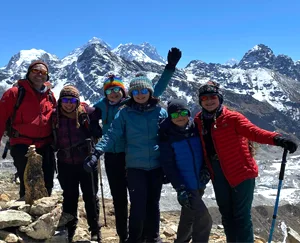
Small Group Travel
Travel with people having similar adventure dreams
Trips for Kids
Calling all young adventurers - join us for a journey of a lifetime!
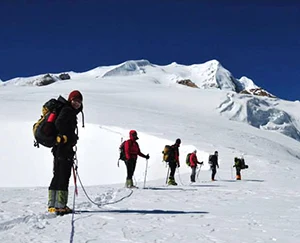
Trips for Adventurers
Climbing & mountaineering adventures for thrill-seekers
Live Chat Support
Purushotam Timalsena
Purushotam Timalsena Travel Expert
We'll plan the perfect personalized vacation for you.
Request for Assistance ⮞