Customize Your Trip

Need Help? Let's Talk
+977 985-1095800Nepal Bhutan Tour – 10 Days
Explore Nepal & Bhutan in One Journey


20% OFF
Highlights of Nepal and Bhutan Tour
- Visit the UNESCO World Heritage sites of Kathmandu Valley.
- Best Sunrise and fascinating Himalayan panorama view from Nagarkot
- Enjoy the natural beauty with the lovely terraces and farmland on the way to Nagarkot.
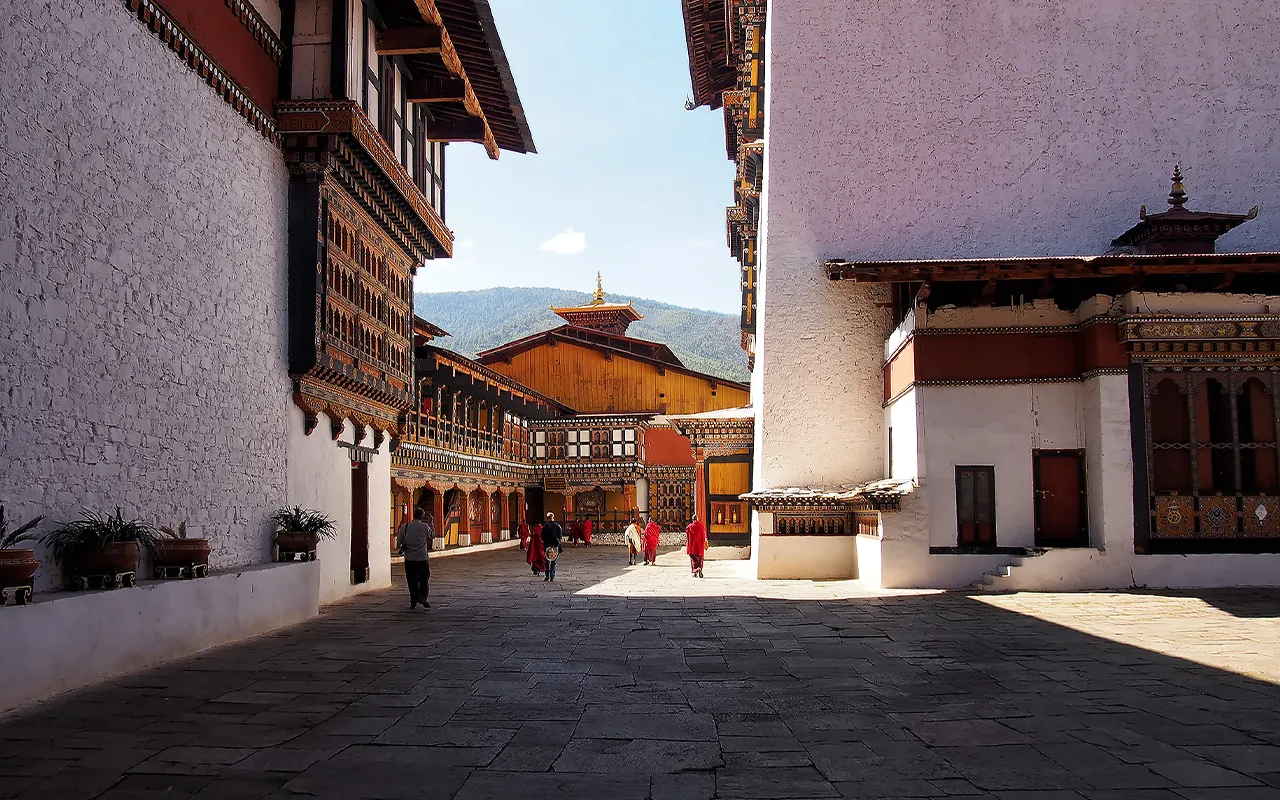
- Best of Nepal and Bhutan tour with stunning temple architecture and breathtaking mountain scenery.
- The scenic flight from Kathmandu to Paro is breathtaking and overwhelming. You can see the world’s highest mountain, Mout Everest.
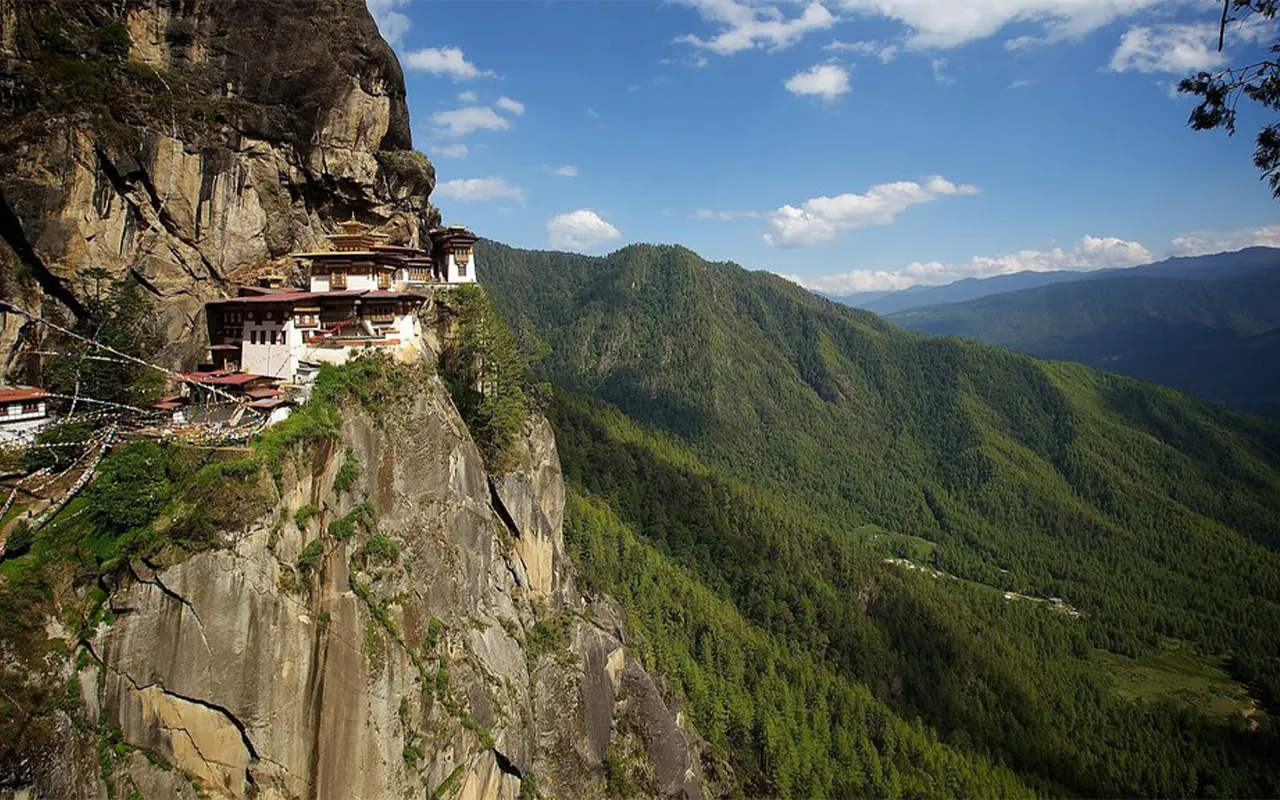
- Hiking on the top of the tiger’s nest, Bhutan’s most iconic religious place.
Trip Extension
Suppose you have more time in Nepal after this trip. In that case, we can help you to extend your trip by running different treks in Nepal, tours in Bhutan and Tibet, Jungle safari tours at Chitwan, Bardia, and other National parks, Nepal luxury hotel booking, Rafting, Ultra-light flights, or any other travel-related services. You can get more information here.
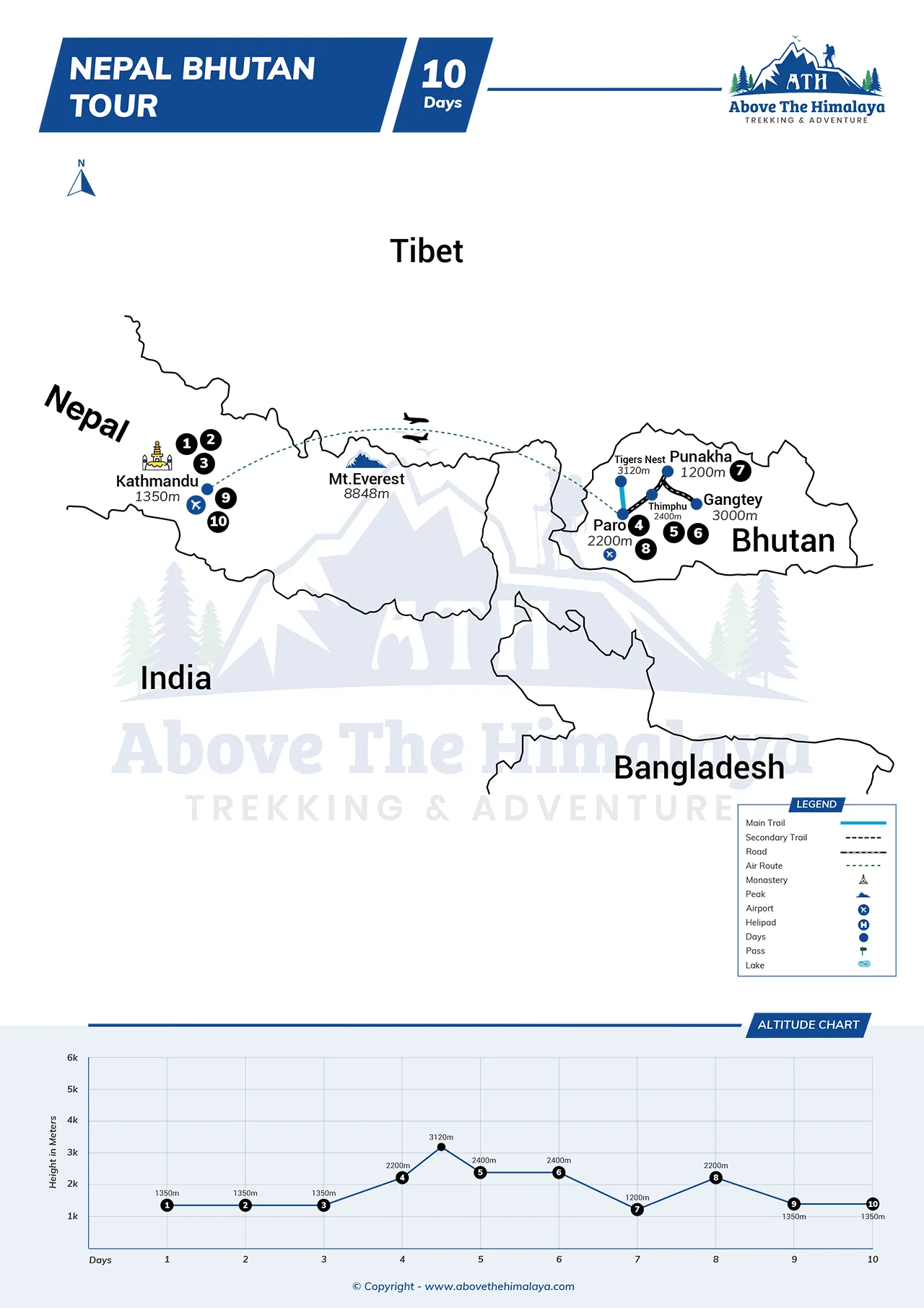
Route Map & Altitude Chart
Most Asked Questions by Travellers
 General
This tour covers two beautiful countries of the Himalayas, Nepal and Bhutan.
The duration of the Nepal Bhutan tour is a total of 10 days.
This is a private tour, which means we can arrange this tour for solo travelers, couples, families, or small groups as per your preference.
The tour will include clean rooms and private bathrooms, and you will stay in comfortable 3-star standard hotels or similar.
Yes, the tour is suitable for children too, especially for those who enjoy culture and nature. Families with very young children are welcome to contact us for individual advice.
Nepal has the Nepali rupee, and Bhutan has the Bhutanese ngultrum (which has the same value as the Indian rupee).
Yes, we suggest bringing a universal adapter because the electricity in Nepal and Bhutan is 230V and it has different types of plugs.
Wi Fi is available in most hotels in Kathmandu, Paro & Thimphu. Connectivity may be less in more remote areas.
In the cities, major hotels and shops accept credit cards. There are ATMs in Kathmandu and Paro, but it is advisable to carry some money to the villages and small stores.
Tipping is also expected and welcomed in Nepal, especially to guides and drivers. Small tips are always welcome, and service is typically provided in Bhutan as an expression of appreciation.
 Preparation & Fitness
A moderate level of fitness is adequate. You should be comfortable with walking in the city and doing a few hours of uphill hiking, like the Tiger’s Nest trail.
We also advise you to move at a slower pace, keep yourself very well hydrated, and not be very active during the arrival days. Light strolls help in acclimatization.
Strong walking or hiking shoes are encouraged. Sightseeing in the city should be done in comfortable shoes.
Light exercise, such as walking or short hikes, before departure can help to improve comfort during the tour.
Layered clothing works best. Bring light clothes for the day, warm layers for the mornings and evenings, and a rain jacket. A hat and gloves come in handy for higher areas.
Hiking poles are optional but may be helpful on the steeper parts of the Tiger’s Nest hike.
 Permits
No special trekking permits are required as the itinerary follows public trails and cultural sites.
Bhutan visas are organised by our team. After your booking, you just send us a copy of your passport and a photo of you.
Yes, most of the travelers get a Nepal visa on arrival at the Kathmandu airport. You may also apply online in advance if you wish.
Changes of dates are possible depending on availability. We do appreciate your advance notification as other charges may apply.
 Insurance and Visa
Yes, travel insurance is compulsory for Bhutan and heavily recommended for Nepal.
We advise a minimum coverage of one hundred thousand US dollars, covering medical treatment, evacuation, and moderate-altitude walking activities.
No, Bhutan has a rule that all tourists must travel in the company of licensed guides. Our Bhutanese guides will accompany you all the way.
 Guides & Support Staff
You will have an English-speaking guide in Nepal and a licensed local guide in Bhutan, as well as experienced drivers.
Yes, all guides communicate clearly in English and are happy to explain the local culture and history.
We ensure sufficient guides and drivers to allow for safe and comfortable service for your group size.
 Accommodation and Facilities
You will be staying in clean and comfortable tourist-class hotels with private rooms. Some lodges in Bhutan may be simpler but well-kept.
Daily breakfast is included. Other meals are included as mentioned in the itinerary, with the flexibility to eat locally.
Yes, single rooms are available for an extra cost. In such case, please inform us if you prefer this option.
 Food and Drinks
You will eat Nepali and Bhutanese cuisine as well as international food at hotels.
Yes, vegetarian and other dietary requirements can be arranged if we are informed before travel.
We recommend drinking bottled or purified water throughout the tour only.
Alcohol is available in restaurants, but the prices are more in Bhutan due to the local regulations.
 Weather & Seasons
Spring and autumn are the best seasons because of the pleasant weather and clarity of the views.
Monsoon season is the season of greenery and rain. Travel is still possible, although views may be limited.
Evenings can be cool, particularly in the winter and at higher altitudes, so warm layers are important.
 Health & Safety
Routine vaccinations are recommended. For personal advice, please see your doctor.
If you are sensitive to altitude, medication (Diamox) may help. Always consult your doctor first.
There are hospitals and clinics in the bigger cities; your guides will help if required.
Both Nepal and Bhutan are relatively safe places for travelers. Basic precautions like keeping an eye on possessions and following the instructions of the guide ensure a smooth and enjoyable journey.
Reviews on Nepal Bhutan Tour – 10 Days





Patricia Martell
Italy
Nepal and Bhutan Tour - We had best time

It was a wonderful experience with Above the Himalayas. I had booked a 9-night and 10-day private tour to Nepal Bhutan with eight members. It was very comfortable and well-organized by them. Mr. Puru, the owner, had scheduled the itinerary in an organized manner. He gave us the freedom to provide our input.
The package involved sightseeing major sights of Nepal and Bhutan and small hiking. The staff provided by him were friendly. Since it was an all-women tour, they prioritized our safety and comfort. Overall, it was a delightful experience. I want to recommend them to my friends and family and would like to contact them.
Partizia and friends
Gabriel Gabrol
Sao Paulo, Brazil
Best time in Bhtuan tour
It was a great time around Nepal and Bhutan. Well organized and always ready to change when possible!
Puru, thanks for your attention and care about my trip!
Bhutan was excellent and the best in my mind.
Thanks for all
Best wishes
Gabriel Gabrol
20% OFF
Best Price Guaranteed, Easy to change Date, Instant Confirmation
Book This TripBook with Confidence
- Flexible bookings and easy trip date changes
- Personalized service and customized group sizes
- Safe travels with owner-operated services and highly experienced guides
- Best price guarantee for the most value for your money
- Secure & easy online booking
Your Trek Leader
 Enjoy Himalayan scenery with the help of Nepal’s best guides with Government license holders and got training in first-aid, our Trip Leaders, know where you’ll find the best photos, most fascinating wildlife, and the best stream crossings.
Have Questions?Talk to Expert
Meet Mr. Purushotam Timalsena (Puru), Nepal's best trek and tour organizer, who has been working in the Himalayas for more than 24 years.
WhatsApp/Viber +977 98510 95 800



You May Like




Trips for All
Private Trip
Peaceful tour with your travel buddy and guide
Small Group Travel
Travel with people having similar adventure dreams
Trips for Kids
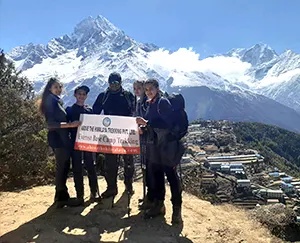
Calling all young adventurers - join us for a journey of a lifetime!
Trips for Adventurers
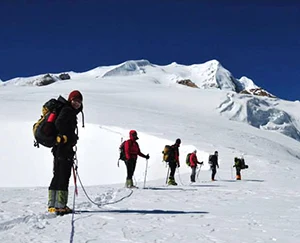
Climbing & mountaineering adventures for thrill-seekers