Poon Hill Short Trek Cost
The Poon Hill Short Trek costs US$350 per person. The price includes the main services needed for the two day trek, such as a licensed trekking guide, one night of accommodation in Ghorepani, meals during the trek, required permits, private jeep transportation and hotel pickup and drop off in Pokhara.
Personal expenses are not included. These may include Nepal visa fees, meals outside the trek, drinks, snacks, hot showers, Wi Fi, charging, personal trekking gear, travel insurance and tips.
| Cost Details | Package Information |
| Trip Price | US$350 per person |
| Duration | 2 days / 1 night |
| Accommodation | 1 night in Ghorepani |
| Guide | Licensed trekking guide |
| Permits | ACAP and TIMS |
| Transportation | Private jeep |
| Meals | Lunch and dinner on Day 1, breakfast and lunch on Day 2 |
Weather and Season for Poon Hill Trek
Poon Hill Short Trek can be considered all year round; however, the selection of the season will significantly enhance your entire experience. The ideal season to the Poon Hill trek 2 days is in spring (March to May) and autumn (September to November). In the spring, you will have pleasant weather and rhododendron woods of every colour on the hillsides.
It is generally clear in the mornings and slightly hazy in the afternoons with beautiful mountain views. The season of autumn is characterized by stable weather and crystal clear skies following the monsoon season.
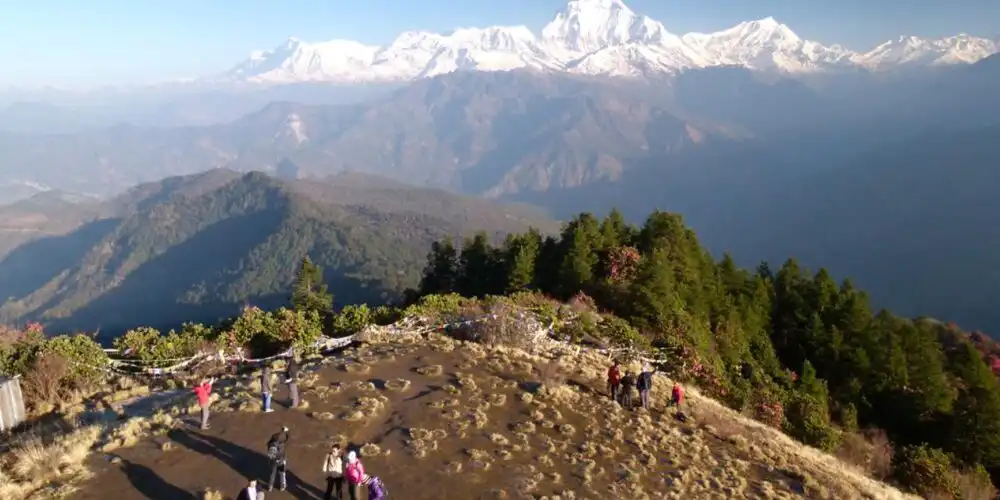
The season offers optimum visibility of the Annapurna and Dhaulagiri ranges that makes it a good season to be photographed and see the sunrise. Winter (December to February) is quiet and peaceful, with fewer trekkers.
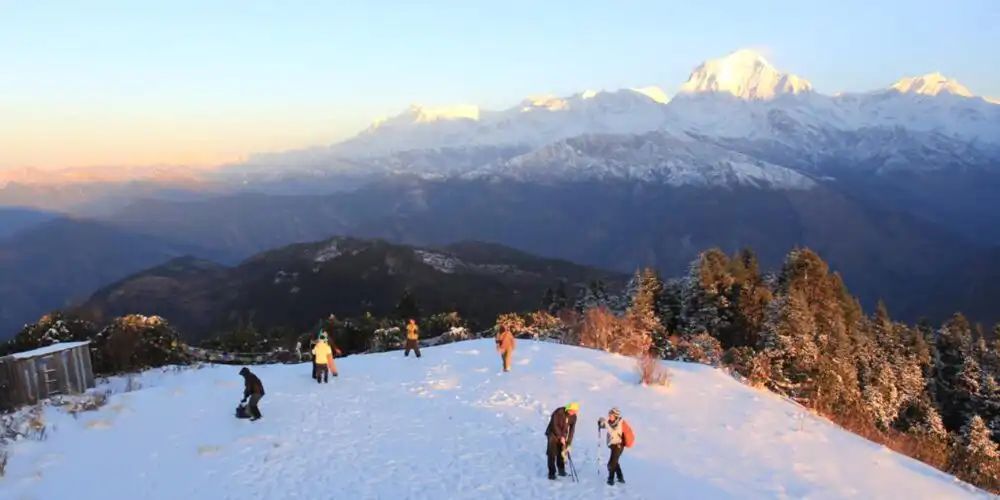
Temperatures can drop below 0°C, and snow is possible at Ghorepani and Poon Hill, so warm clothing is essential. The scenery can also be fantastic on a clear day.
The time frame least advisable is June to August because there is a lot of rainfall, loose tracks, as well as cloudy weather, which might obscure the mountain scenery. Nevertheless, the terrain turns as green as it can be. In general, spring or autumn is the best time to enjoy the Poon Hill Short Trek as it is comfortable and scenic.
| Season | Months | Conditions | Trekking Experience |
| Spring | March to May | Mild weather, rhododendron blooms | Excellent |
| Monsoon | June to August | Rain, clouds and wet trails | Less suitable |
| Autumn | September to November | Stable weather and clear skies | Excellent |
| Winter | December to February | Cold mornings, possible snow | Suitable with warm clothing |
Food and Drink during the Poon Hill Short Trek
On the Poon Hill short trek, you will be served with simple, abundant, and freshly cooked meals at teahouses along the trail. The 2-day Poon Hill trek includes warm breakfasts, hearty lunches, and dinners to keep you energized during the walk. Dal bhat is the most widespread and popular dish and is made of rice, lentil soup, vegetable curry, and pickles.
This is a typical Nepali food that is healthy and offers great energy for trekking. Other alternatives available include noodles, fried rice, soups, pasta, momos, pancakes, and eggs. Vegetarian food is common and mostly suggested as fresh and easy to digest.
Lower villages probably offer meat dishes, though lots of trekkers choose vegetarian food during the trek. When it comes to drinks, you will have an option of ordering tea, coffee, hot lemon with honey, and other hot drinks that will keep you warm during colder seasons.
Staying hydrated is very important. Bottled water is available on the way; however, the higher the price you will find higher you go. It is possible to use a reusable bottle with purification tablets or a filter. Comprehensively, the food on the shortest Poon Hill trek is decent, and it is a part of the cultural experience of trekking in Nepal.
Altitude Sickness and Suggestions
Poon Hill (3,210 m) is at a moderate altitude. Most trekkers do not experience serious altitude sickness, but mild symptoms such as headache or dizziness may occur. Walk slowly, stay hydrated, and follow your guide’s advice to minimize risk. Altitude sickness is resultant when you become too swift in ascending and fail to give your body a chance to acclimate.
Symptoms are frequent, such as headache, dizziness, tiredness, nausea, and loss of appetite. As you will be able to acquire altitude at speed between Pokhara and Ghorepani, you need to walk slowly, take a lot of water, and not rush uphill.
Your guide will walk at a moderate pace and promote frequent pauses. In case you are experiencing any discomfort, you must report to your guide. An overnight stay in Ghorepani and a short visit to the peak in the early morning can reduce the chances of altitude sickness.
Alcohol and smoking should be avoided during the trek, as they can exacerbate symptoms. Dehydration and diet will also assist in adapting the body. Altitude sickness is uncommon on the shortest Poon Hill trek, but it is important to listen to your body. Most trekkers successfully complete this trek safely and comfortably with proper care and guidance.
Visa and Permits for the Poon Hill Short Trek
Valid Nepal tourist visa and trekking permits will be required before you begin the Poon Hill shorter trek. The tourist visa is readily available to most travelers at Kathmandu or at points of entry into the country.
Your passport must have a minimum of six months’ time left to expire. The visa procedure is easy and involves the completion of a form along with paying the visa fee. Carrying a passport-sized picture is advisable, though digital pictures are usually taken at the airport.
In the case of trekking permits, the Poon Hill trek for 2 days will need an Annapurna Conservation Area Permit. It is a permit to walk and camp in the protected Annapurna area. You also require a Trekkers Information Management System card.
Such passes are inspected at various points of the trail. When you book your trek with Above The Himalaya, we will do all the permit formalities on your behalf with your passport details.
Regulations do not allow independent trekking without a guide anymore. To have the right permits in place and to be on the right side of the mountain, hiring a guide is a good idea. You can pay the minimum amount of attention to the short Poon Hill trek as your visa and permits are ready, and you do not have to worry.
| Requirement | Details |
| Nepal Tourist Visa | Required for most international visitors |
| Passport | Minimum 6 months validity recommended in your package |
| ACAP | Required for the Annapurna Conservation Area |
| TIMS | Included in the package |
| Permit Arrangement | Handled by Above The Himalaya |
Health and Safety
During the Poon Hill short trek, your health and safety matter very much. Though this is regarded as an easy and appropriate trek to get used to, some preparation will make you enjoy it even more. You must be fit enough and capable of walking for a few hours a day. Frequent practice or light exercise prior to the trip will render the trek easier.
You are expected to move slowly as you enjoy the journey and obey your guide. The path is mostly secure with a few stone steps and woodland trails, and you must watch your steps.
The weather in the mountains is highly unpredictable, and thus, a change in weather may occur within a short period. The layered clothes will assist you in keeping warm and staying comfortable. It is also significant to carry a rain jacket and use sunscreen. Stay hydrated and eat regularly to maintain energy.
Guides will carry a basic first aid kit, but you should bring personal medication and report any illness or injury promptly. The Poon Hill trek 2 days, is a secure and frequently used route, and local residents are welcoming and helpful. Following basic precautions ensures a safe and enjoyable trek.
Transportation
Poon Hill Short Trek transportation is easy and properly organized. Pokhara is the central point of the beginning and the end of the trek. You may fly to Pokhara via Kathmandu in a short domestic flight or by road in a number of hours by the tourist bus or a personal vehicle. The transport to the trailhead is included in your trekking program once you are in Pokhara.
The first day, during the Poon Hill trek 2 days, you will arrive at Ulleri or other villages by jeep starting in Pokhara. This journey typically covers three or four hours and goes through picturesque landscapes and along river valleys. The drive will save at least a day of walking and will make the trek more comfortable, although some of the roads can be rough.
Once the trek is over, a jeep will pick you up at the road access location and drive you back to Pokhara on the same day. Jeep transportation is the most efficient mode of transport that can be used in the shortest Poon Hill trek, and it is even appropriate to use by the travelers who have limited time. Every transport option will enable you to enjoy the trek without being stressed.
| Route | Transportation | Approx. Time |
| Kathmandu to Pokhara | Flight, tourist bus or private vehicle | Varies |
| Pokhara to Ulleri | Private Jeep | 3 to 4 hours |
| Road access to Pokhara | Private Jeep | About 3 hours |
Travel Insurance for the Poon Hill Short Trek
The Poon Hill Short Trek is a short and not a difficult trip, and therefore, travel insurance is highly advised, even though it is a short trip. With insurance, you will be assured of peace and financial security in case of an eventuality.
This policy should include medical care, emergency evacuation, hiking, and the summit of Poon Hill, which is the highest point in the trek. Though emergencies are uncommon on the Poon Hill trek for 2 days, except in case of major emergencies, the cost of helicopter rescue may be expensive without insurance.
It is also important to make sure that your insurance can cover the delay of trips, cancellations, and lost luggage. Flights and travel plans can at times be influenced by weather conditions in Nepal, hence this coverage comes in handy.
Never forget to bring a copy of your insurance and contact number during the trek in case of an emergency. It is also useful to give these details to your trekking guide or agency. Although you might never have to use your insurance, knowing that you have it gives you a sense of peace of mind and safety in that you can have the shortest Poon Hill trek ever.
Your Extra Expenses on the Trek
Most of the major expenses that the Poon Hill Short Trek package includes are permits, guides, accommodation, trek meals, and transportation to and out of the trail. Nevertheless, there are some extra personal costs you are supposed to make. These are your Nepal visa charges, travelling to Pokhara not included, and accommodation and meals in the cities before and after the trek.
Additional costs can be added to the Poon Hill trek, 2 days that include snacks, bottled beverages, hot showers, an electronic device charge, and internet access in teahouses. The cost of staying will rise with altitude, so it is prudent to bring in adequate cash in Pokhara, as there are no ATMs on the trail.
Guiding tips and porter tips are not included and are offered at your own will as a gesture of gratitude. It is also suggested to carry a little bit of extra cash in case of some unforeseen need. Altogether, additional costs on the shortest Poon Hill trek are small and can be handled by simple organization.
Language and Communication
During the Poon Hill short trek, communication is usually convenient and simple for any international visitor. The official language used in Nepal is Nepali, although English is also common in trekking regions, through guides and owners of lodges.
During the trek, you will have an English-speaking guide who will help you communicate. People are friendly and hospitable, and even a simple greeting like Namaste is well received.
Some of the villages have mobile phone access, but the signal is poor and unstable. Access to the internet is minimal and can only be accessed at specific teahouses at a minimal fee. It is also low-speed and is only applicable to messages and not browsing.
The Poon hill 2 days trek is very refreshing to many trekkers who choose to disconnect and enjoy nature. Your guide may help in emergency communication where it is needed. This shortest Poon Hill trek is the ideal place to take a serene break in the digital world.
Donts on this Trip
On the Poon Hill short trek, some simple rules will ensure a safe and respectful journey. Littering should be avoided, and you should always keep your trash until you can dispose of it properly.
Adhere to the local culture by wearing decent clothes in the villages, seek permission before taking photos of the locals, and avoid taking photos of elderly people. You must not neglect the symptoms of fatigue or soreness and need to alert your guide if you are not well.
Never walk off the tracks or alone, particularly in the early morning or in foggy conditions. Do not drink untreated water, and consume alcohol sparingly during the trek. Negotiating must be done in a nice and fair manner.
And, of course, do not hurry the experience. The Poon Hill 2 days trek is supposed to be at a slow pace. Being kind to nature, locals, and yourself will make the shortest Poon Hill trek more rewarding.
Trip Extension for the Poon Hill Short Trek
You can easily add more days and make your Poon Hill Short Trek into a longer and more varied adventure, should you have more time. A common alternative is to keep trekking between Ghorepani to Tadapani and Ghandruk and make a three or four-day plan.
This will give you time to visit the classic villages and have more mountain views. Alternatively, it is possible to add the Poon Hill trek 2 days to other treks that are similar to it, like Mardi Himal or Annapurna Base Camp, in case you have additional days.
There are also other activities that you can do in Pokhara after the trek, such as boating, sightseeing, or adventure sports. Additional wildlife safaris or cultural tours in the other parts of Nepal can also be added. The shortest poon hill trek usually encourages the traveler to explore even more of Nepal. You can have extensions tailored to your interests and schedule.
Photography and Drone Rules
The Poon Hill Short Trek provides great photography experiences, particularly at sunrise at Poon Hill. Photography of landscape and village life is acceptable, but you should not consider taking photos of local people without seeking permission. Certain cultural places can prohibit photography, and therefore, it is best to listen to your guide.
In Nepal, the use of drones is controlled and must be approved by authorities and conservation offices. Flying drones without authorization is prohibited and could lead to a penalty or seizure.
Drones also cause disturbance to other trekkers and wildlife. Due to this reason, the use of drones should not be considered in the Poon Hill trek 2 days unless official approval is made. Considerable photography assists in the maintenance of the peaceful environment of the shortest Poon Hill trek.
Poon Hill Short Trek Difficulty
The Poon Hill Short Trek is suitable for beginners and travelers with basic trekking fitness. There is no technical climbing involved, but the two day itinerary has fairly long walking days.
The first day includes around 6 to 7 hours of uphill walking from Ulleri to Ghorepani. On the second day, you will wake up early for the climb to Poon Hill and then continue downhill toward the road access point. Regular walking or light exercise before the trip will help you feel more comfortable on the trail.
For this reason, we recommend considering the two day route easy to moderate rather than simply easy.
| Difficulty Details | What to Expect |
| Overall level | Easy to Moderate |
| Technical climbing | Not required |
| Day 1 walking | 6 to 7 hours |
| Day 2 walking | 5 to 6 hours |
| Highest point | Poon Hill, 3,210 m |
| Main challenge | Long uphill and downhill sections |
| Suitable for beginners | Yes, with basic fitness |
Accommodation During the Poon Hill Short Trek
You will spend one night at Ghorepani in a local teahouse or lodge. Your package includes twin sharing accommodation and meals during the trek.
The facilities are simple but suitable for a short mountain trek. You can expect a bed, dining area and basic bathroom facilities. Hot showers, Wi Fi and charging may be available at the lodge for an additional cost.
Ghorepani can be cold, especially during winter, so carrying a warm layer is important.
What to Pack for the Poon Hill Short Trek
Since the trek lasts only two days, you do not need to carry a large backpack. Pack the basic clothing and personal items you will need for the trail and the early morning walk to Poon Hill.
A pair of comfortable trekking shoes is important because the trail includes stone steps and uphill and downhill sections. You should also carry warm clothing for the early morning at Poon Hill, along with rain protection and basic personal items.
A useful packing list includes:
- Comfortable trekking shoes
• Trekking trousers and T shirts
• Warm jacket or fleece
• Gloves and warm hat
• Rain jacket
• Sunglasses and sunscreen
• Reusable water bottle
• Water purification tablets or filter
• Headlamp for the early morning Poon Hill walk
• Personal medication
• Basic toiletries
• Phone and power bank
• Trekking poles if needed
Your package also states that sleeping bags, jackets and trekking poles can be rented in Pokhara if required.
2 Day vs 3 to 4 Day Poon Hill Trek
The two day itinerary is designed for travelers who have limited time. It uses jeep transportation to Ulleri and keeps the walking route focused on Ghorepani and Poon Hill.
A three or four day itinerary gives you more time on the trail and allows the walking to be spread over more days. Depending on the route, you can also include places such as Tadapani and Ghandruk.
| 2 Day Trek | 3 to 4 Day Trek |
| Best for limited time | Best for a slower trip |
| 1 night in Ghorepani | More nights in mountain villages |
| Longer walking days | More relaxed walking |
| Jeep to Ulleri | More walking depending on route |
| Poon Hill sunrise | Poon Hill sunrise |
| Focused itinerary | More time for villages and scenery |
| Returns to Pokhara on Day 2 | Allows additional places such as Tadapani and Ghandruk |
If you only have two days, this package lets you experience Ghorepani and Poon Hill without adding extra trekking days. If you have more time, extending the trip gives you a more relaxed experience and more opportunities to explore the surrounding villages.
Tips for First-Time Visitors
When it is your first trekking experience in Nepal, the Poon Hill Short Trek is a good option. To keep your backpack light, you should do some light exercise and carry only the necessary items. Comfortable and well broken-in footwear will also help to prevent blisters. Pacing and keeping hydrated are important in enjoying the trek.
Listen to your guide and obey local traditions and nature. Eat well and rest when needed. Spend time to appreciate the views and be in touch with nature. 2 days Poon Hill trek does not just focus on arriving at the viewpoint; it is also a journey that is to be enjoyed.
Through a positive attitude and basic preparation, your initial encounter on the shortest Poon Hill trek will be worthwhile and satisfying.


 Customize Your Trip

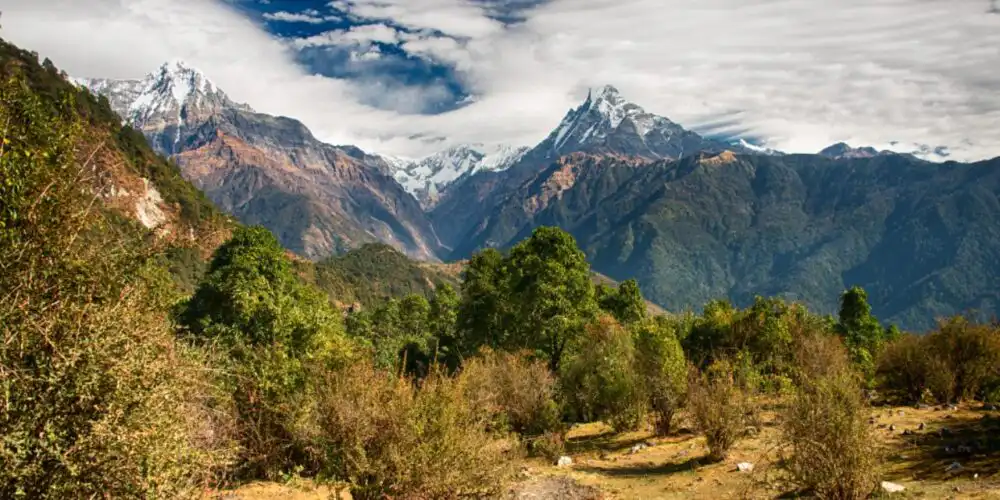





 Enjoy Himalayan scenery with the help of Nepal’s best guides with Government license holders and got training in first-aid, our Trip Leaders, know where you’ll find the best photos, most fascinating wildlife, and the best stream crossings.