notification-icon
Join our solo, private, family, & small group joining trips Plan your trip

Upper Mustang Trek

||
trip-expert-puru-timalsena

Need Help? Let's Talk

+977 985-1095800
10% OFF
Trip Price US$ 2390
US$ 2190 per person
Book This Trip
Trip Duration 11 Days
Group Size 2-12 people
Maximum Altitude Chogo La (4325m)
Difficulty Grade Moderate
Start & End Point Pokhara/Pokhara
Best Seasons Feb-May, Sept-Mid Dec

Small Group Departure Dates for 2026 and 2027

Note: We can run a trip for solo travelers, couples, friends, and family with children. Our private trips run daily. For small group travel, please check the dates below. If the dates below do not suit you, please email us or WhatsApp us at +9779851095800 to travel on your preferred dates.

September: 05,10,18,22,30
October: 02,05,08,12,16,20,24,30
December: 03,07,12,17,21,24,30
February: 08,15,25
March: 03,07,11,14,17,21,25,29
April: 02,06,10,13,16,19,22,28
May: 02,07,11,15,20,28
June: 05,10

Highlights of Upper Mustang trek

  • See the empty desert environments while gazing upon colorful cliffs and deep gorges along with their dramatic rock formations.
  • Experience the historic Lo-Manthang walled city which shelters ancient royal palaces and monasteries throughout multiple centuries.
  • The Chhoser caves remain an enigma because they were excavated into the rock walls to serve as prehistoric residences in Tibet.
  • Pay a visit to the historic villages Kagbeni, Chele and Ghami which present traditional Tibetan-Buddhist cultural heritage.
  • Jampa Thubchen and Chode monasteries create a spiritual environment through their collection of ancient murals and relics which bring out a spiritual ambience.
  • The experience involves tracing along the Kali Gandaki River until visitors reach the deepest gorge on Earth with majestic peaks of the Himalayas as witnesses.
  • The trek exists in a rain-shadow zone which provides good weather conditions despite monsoon season.
  • Experience natural beauty between traditional villages while observing a culture maintained away from present-day development.

Overview of Upper Mustang Trek

The Upper Mustang Trek will guide visitors through the isolated Mustang zone which people consider as the “Last Forbidden Kingdom.” Travelers on this trek experience desert-climate terrain while traversing the Kali Gandaki Valley that reveals spectacular cliffs alongside deep gorges and aged caves.

This trek stands apart from others in Nepal because it combines Tibetan heritage with monastic sites from centuries ago as well as walled cities like Lo-Manthang.

The trek initiates with distinct flights from Pokhara to Jomsom before leading visitors past the historical villages of Kagbeni, Chele and Ghami.

While walking you will traverse ridge terrain and plateaus through high mountain passes before arriving at the desolate hilltops. This region exists in the Himalayan rain shadow which allows travel through it despite monsoon conditions.

Visitors must acquire a special permit before entering Upper Mustang because the region has restricted status, thereby maintaining minimal tourism and preserving quietness throughout the experience.

Lo-Manthang stands as the maximum altitude (3,800m) during this trek at the former capital of Mustang. A traditional Tibetan culture combined with traditional prayer flags alongside Mani stone walls and white-hued domiciles make the area tremendously captivating.

The combination of perceptual richness and physical beauty and cultural heritage from the Upper Mustang Trek creates an uncommon trip unlike other standard trekking paths across Nepal.

Is Upper Mustang Trek worth it?

A visit to Upper Mustang Trek provides a rich cultural experience combined with remarkable historical value alongside unusual visual sights.

The Upper Mustang presents an untouristed adventure unlike the busy trekking options at Annapurna Circuit and Everest Base Camp. It is an excellent option for travelers seeking solitude because the remote nature of this area attracts low numbers of trekkers.

Tibetan-Buddhist culture flourishes across this region as its central point of allurement. Visitors can explore an ancient world through monasteries combined with prayer flags and the enclosed walls of Lo-Manthang.

The distinctive topography consisting of arid hills and dramatic gorges and multicolored cliffs at Upper Mustang provides a visually dramatic atmosphere totally unlike Nepal’s usual mountainous regions of vegetative forests and alpine peaks.

Safe travel to Upper Mustang only becomes possible with a regulated permit system that also serves to enhance the experience. Participating in this trek becomes possible in monsoons because this region remains protected from Himalayan rains in its rain shadow location.

Searching for unique trekking adventures in Nepal should include Upper Mustang Trek throughout your expedition.

Itinerary of Upper Mustang Trek

DAY
01

Day 01: Flight to Jomsom and trek to Kagbeni

The first day begins with a breathtaking Jomsom flight departing from Pokhara during which visitors can enjoy exceptional views of the Annapurna and Dhaulagiri ranges from above. When your aircraft lands at Jomsom you feel the mountain chill of the arid surroundings which creates an atmosphere for the upcoming trek.

Travelers who choose to trek to Kagbeni must follow the Kali Gandaki River along an ancient trade path where fossil discoveries are common. The walking path extends across straight terrain while sporadic wind gusts accompany the scenery of Nilgiri and Tilicho Peak.

The medieval settlement of Kagbeni presents itself through its combination of ancient mud-brick houses and winding alleys and its historic monastery. Villagers who wish to enter Upper Mustang must pass through this community where permit verification happens at the checkpost.

Multiple 20 min flight, 3-4 hrs trek
Accommodation Teahouse
Meals Lunch & Dinner
Altitude Kagbeni (2,858m)
DAY
02

Day 02: Trek from Kagbeni to Chele

The trek enters the Upper Mustang restricted zone from Kagbeni through trails which follow the Kali Gandaki River along its dusty course. The terrain shifts to show deep canyons between colorful cliffs which feature various eroded rock formations.

The arid environment changes to reveal a rare sight in Tangbe village when you see the combination of white-washed houses and apple orchards alongside barley fields. Chhusang reached by trail presents a sight of red cliffs that expose Buddhist monk caves from ancient times.

Chele presents itself as a compact village built atop a hill where trekkers can experience breathtaking sights of the Mustang valley. The area shifts culturally when entering the village due to strong Tibetan architectural and way of living influences.

The evening offers opportunities to see both locals and taste the traditional cuisine of Mustang while the prayer flags shake in the wind above the mountains.

Walking Day 5-6 hrs
Accommodation Guesthouse
Meals Breakfast, Lunch, Dinner
Altitude Chele (3,050m)
DAY
03

Day 03: Journey from Chele to Ghiling

This trek’s diversity includes demanding mountain climbing phases alongside deep canyon exploration and crossing multiple peaks at high elevations.

Such challenges deliver satisfying fulfillment to participants. The path covers winding ridged terrains with carved out cliffs that deliver breathtaking views across Mustang’s desert topography.

The adventure takes you through Taklam La Pass (3,624 meters) and Dajori La Pass (3,735 meters) where visitors can admire outstanding panoramas of distant peaks and desert hills in motion.

During your trip, you will find ancient caves situated at elevated positions in the cliffs which are believed to have served as meditation sanctuaries for centuries.

The route descends towards Ghiling where the area shows a mixed appearance with few plots of farmed land amidst the greenery. The tranquil village of Ghiling contains original Mustang dwellings and fields of barley, which features one interesting monastery attraction.

The red-and-white monastery sits majestically against the brown hills which create a peaceful enclave among the landscape.

Evenings in this area provide constant tranquility, which makes the place perfect for relaxation and consumption of local cuisine and Himalayan mountain serenity.

Walking Day 6-7 hrs
Accommodation Guesthouse
Meals Breakfast, Lunch, Dinner
Altitude Ghiling (3,806m)
DAY
04

Day 04: Route from Ghiling to Charang

Ghiling serves as the starting point to lead travelers into the ancient religious core of Mustang on their way to Charang. The pathway is bordered by extensive walls covered with Buddhist prayer inscriptions.

The path stretches between dry plateaus and rocky land areas where distant snow-covered peaks become visible along the way. You reach the highest elevation yet when you cross Nyi La Pass (4,010m) before descending toward the expansive Mustang valley.

When you reach Charang you will notice Kag Chode Monastery, a recognized red stone monastery that stands as the second-largest temple in Mustang. A historic place of the Charang Dzong stands in the village as a preserved fortress and palace that displays beautiful religious texts and murals.

Buddhist artworks fill the monastery as the local people in this region maintain traditional Mustang customs. In Charang, visitors can interact with the residents to understand their lifestyle in this remote kingdom because locals continue practicing yak farming along with barley agriculture.

Walking Day 4-5 hrs
Accommodation Guesthouse
Meals Breakfast, Lunch, Dinner
Altitude Charang Village (3,575m)
DAY
05

Day 05: Walk from Charang to Lo-Manthang

The trek’s main highlight emerges during the final segment, which takes you to Lo-Manthang. A gradual elevation on this path guides travelers between the wide open valley to the Lo La Pass which reaches 3,950m in elevation.

The summit provides the first visual panorama of Lo-Manthang which serves as the walled capital of Upper Mustang. From the descent the breathtaking view emerges of the town with its walls protecting the vast desert landscapes.

To step inside Lo-Manthang means experiencing a feeling as if you have entered a different period. Alleyways in the town guide visitors towards historic monasteries as well as chortens and royal palace buildings.

Jampa and Thubchen and Chode monasteries together compose the three main religious centers of the town where visitors can find their walls decorated with Tibetan Buddhist objects while covered in ancient artwork.

You should observe traditional painters working as you explore caves that remain hidden from most visitors. A magical mood envelops Lo-Manthang when sunset blankets the Mustang hills in golden hues, thus making the town one of the foremost Himalayan treasures.

Walking Day 5-6 hrs
Accommodation Teahouse
Meals Breakfast, Lunch, Dinner
Altitude Lo-Manthang (3,700m)
DAY
06

Day 06: Exploration around Lo-Manthang & Chhoser Area

The walled capital of Upper Mustang known as Lo-Manthang becomes our place for resting and acclimatizing as the altitude is high. The historic monasteries of Jampa, Thubchen, and Chode include decorations of Tibetan artifacts and prayer wheels and murals that have survived for many centuries.

The distinctive patterns alongside the tranquil atmosphere reveal how religious life operated in this area.

A visit to the royal place enables one to witness the historic structure which served as Mustang’s royal abode. The traditional mud-brick houses and prayer flags together with the workshops of local artisans product handmade items decorate the streets of Lo-Manthang. Moving through the town produces an experience of journeying into the past.

The historic caves cut into cliff faces were previously used by monks for their spiritual practice during meditation. The old caves that have existed for over one thousand years present an extraordinary sight.

The peaceful evening of Lo-Manthang showcases a golden sunset lighting up the barren hills that produces a surreal environment.

Accommodation Teahouse
Meals Breakfast, Lunch, Dinner
Altitude Lo-Manthang (3,700m)
DAY
07

Day 07: Trek back from Lo-Manthang to Ghami

After departing from Lo-Manthang you will follow your path back to Ghami with fresh appreciation for the Mustang valley.

Just before descending into dry and rugged terrain the trail leads across Lo La Pass which presents last wide view of the valley. The extensive wide-open areas and mountain ranges off in the distance produce an enchanting sight.

Walking to reach Ghami you get to pass by chortens that decorate the area along with Mani walls and traditional Tibetan villages with residents who maintain their original way of life. Easier conditions result from the altitude shift when descending compared to when climbing upwards.

Ghami presents visitors with stone walls among its houses along with the remarkable architecture of its monastery. Visitors have the opportunity to view historic murals at the monastery while discovering its sacred religious aspects. Ghami protects one of Mustang’s longest Mani walls which contains stunning prayer inscriptions that have been carefully carved.

Walking Day 6 hrs
Accommodation Teahouse
Meals Breakfast, Lunch, Dinner
Altitude Ghami (3,520m)
DAY
08

Day 08: Descend from Ghami to Samar

The path on this day guides you down from Ghami to Samar as you traverse the shifting terrain of Mustang. The plains around the hills transform into tiny green areas. The way traverses the canyon and ridge formations with incredible sights extending toward the mountain range.

The trek features the thrill of crossing suspension bridges which span across deep gorges. The air gets fresher while descending through the region and you can see Himalayan blue sheep grazing on the slope.

The village of Samar contains tranquil homes built with reddish walls while its residents live in a peaceful mood.

A distinct difference exists between the desert terrain and the minuscule agricultural areas. You have plenty of time in Samar to eat a hot dinner while getting to know locals or relaxing after your extended hiking journey.

Walking Day 6 hrs
Accommodation Teahouse
Meals Breakfast, Lunch, Dinner
Altitude Samar (3660m)
DAY
09

Day 09: Trek down from Samar to Kagbeni

From Samar the path progresses downward toward Kagbeni through territory along the Kali Gandaki River banks.

The trail reveals a progressive transformation that introduces more vegetation into view. The Mustang desert recedes into the background as the path leads into fields with terraced agriculture and apple orchards begin to appear.

When passing Kagbeni you will recognize its architecture with its narrow streets and houses that nod toward a medieval period. The distinctive village architecture unites Nepali and Tibetan building traditions into its structures. The Kagbeni Monastery from ancient times provides visitors with a space to find tranquility.

The sights of local homes with traditional architecture let visitors explore while they can see both the monastery and drink tea as they watch the flowing water. The peaceful evening atmosphere of Kagbeni emerges as the wind carries the continual sounds of nearby prayer flag motion.

Walking Day 7 hrs
Accommodation Teahouse
Meals Breakfast, Lunch, Dinner
Altitude Kagbeni (2,858m)
DAY
10

Day 10: Walk from Kagbeni to Jomsom

The final trekking day leads visitors from Kagbeni through the wide Kali Gandaki valley all the way to Jomsom.

Travelers will find a smooth trail of easy terrain while walking through this route. Afternoon winds in this area make the usually effortless trail path more difficult to traverse.

While hiking between settlements, you will enjoy stunning panoramas of Nilgiri and Dhaulagiri while looking at the bare terrain. Before finishing your trek, you can experience emotional tranquility while walking through this large open valley.

Jomsom presents a lively atmosphere that contrasts with the peaceful villages you visited on the trek. Visitors to Jomsom can both shop at the market and become acquainted with the local monastery and enjoy a visit to a teahouse.

The town features perfect conditions to finish your trek by eating a fulfilling meal while sipping hot drinks and packing souvenirs.

Walking Day 3 hrs
Accommodation Guesthouse
Meals Breakfast, Lunch, Dinner
Altitude Jomsom (2,700)
DAY
11

Day 11: Morning flight from Jomsom to Pokhara

The flight from Jomsom to Pokhara operates early in the day while presenting aerial views of the Kali Gandaki Valley. The brief 20-minute flying journey provides an unforgettable mountain view of Annapurna and Dhaulagiri before the passenger leaves Mustang behind.

You will find all the urban amenities in Pokhara after arriving there. Phewa Lake presents an excellent place to unwind because people float their boats on peaceful waters.

You will find many eateries along the lakeside that provide a spot to relax following your extended hiking adventure. A visit to the  World Peace Pagoda and Davis Falls is possible when you have available time.

The difference between Mustang’s desertlike terrain and Pokhara’s green landscapes produces an unreal feeling upon returning. Your Upper Mustang travel will come to an end here yet the remarkable memories from your expedition will remain with you forever.

Flight 25 min
Meals Breakfast
Altitude Pokhara (822m)

Trip Extension

Suppose you have more time in Nepal after this trip. In that case, we can help you to extend your trip by running different treks in Nepal, tours in Bhutan and Tibet, Jungle safari tours at Chitwan, Bardia, and other National parks, Nepal luxury hotel booking, Rafting, Ultra-light flights, or any other travel-related services. You can get more information here.

Includes/Excludes

What's Included?
  • A trekking guide certified and licensed by the government has training in high-altitude sickness and first aid.
  • Local trekking porter who carries your luggage, 1 porter for 2 trekkers basis.
  • Trekking staff, food, accommodation, salary, equipment, insurance, and clothing.
  • Local Tea houses, also called guest houses/ lodges, twin sharing during your journey.
  • The menu offers different types of food for your daily meals (breakfast, lunch, and dinner).
  • Round Trip flight ticket for Pokhara Jomsom Pokhara.
  • Transport from Kathmandu to Pokhara and back by tourist bus/private car/van and flights depends on the client’s requirements and budget.
  • Special Permit for Upper Mustang.
  • Annapurna Conservation Area Trekking Permit.
  • Group medical supplies ( Guide will carry essential medicines).
  • Above the Himalaya duffel bag. ( If you need to, please let us know before you book the trip and remind us before you arrive in Kathmandu so that it is easy for us to prepare.)
  • All the trip information and details for the trek.
  • Above the Himalayan Gifts and Trekking certificate after finishing your trek.
  • We offer you 1 dinner in Kathmandu in a Nepali restaurant
  • Government taxes and service charges.
What's Excluded?
  • Any services in Kathmandu and Pokhara
  • Airfare to Nepal
  • Nepal entry visa fee: you can get a Nepal visa upon arrival at the Airport.
  • Alcoholic, hot and cold drinks ( Tea anmd coffee), hot water, hot and cold showers.
  • Personal expenses include laundry, telephone calls, sweets, snacks, beverages, bar bills, and camera battery charging.
  • Insurance for trekking with medical rescue up to 5000+ meters).
  • You can buy and rent personal trekking equipment in Kathmandu or Pokhara trekking stores.
  • Gratitude for the tour/ trekking staff and driver
  • Other of your expenses that are not mentioned are costs included in the section.

Route Map & Altitude Chart

Best time to Trek Upper Mustang

A visit to Upper Mustang Trek should be scheduled during the spring months of March to May together with the autumn timeframe from September to November because this time offers perfect weather conditions and gentle temperatures.

The Himalayas reveal breathtaking views of Nilgiri, Dhaulagiri along with Annapurna during the spring and autumn months. Trekking conditions exist optimally because daytime temperatures are pleasant while the evenings stay comfortable.

Monsoon months (June to August) are suitable for trekking Upper Mustang because it is sheltered from Himalayan rain by the rain shadow effect.

The paths are free of moisture, which makes the surroundings more lively in appearance. The Tiji Festival, which stands as a significant cultural festival, takes place either in May or June when it brings in numerous tourist guests.

During the wintertime (December to February) the weather becomes icy while snow covers everything along with numerous closed lodges.

Throughout the season, trekking operations prove challenging because local people choose to relocate to regions with milder temperatures. The area remains suitable for those who have no problem with cold weather during early December months.

Spring and autumn provide optimal conditions for travelers through Upper Mustang Trek due to their pleasant climate, clear mountain perspectives and comfortable trekking conditions.

The monsoon months present a chance to visit Upper Mustang with low crowds while enduring some wind conditions. Travelers can enjoy the trekking experience of Upper Mustang during any season because the destination features both desert-like features and traditional Tibetan culture.

Mustang: the hidden paradise of Nepal

The Himalayan zone of Upper Mustang offers travelers an isolated adventure in which they will encounter a distinct Himalayan realm.

The area holds the status of “Last Forbidden Kingdom” among the accessible regions in Nepal which maintains its distinctive heritage together with its historical aspects and natural features.

The trek takes visitors through Tibetan Buddhist sites that hide historic meeting halls and caves along with royal dwellings in between mountainous bluffs and desert terrains. You can feel the spiritual and traditional importance of this region throughout its territory which includes the centuries-old Lo-Manthang with its walled city and the sacred caves of Chhoser.

Traveling through Upper Mustang transports people to a prehistoric era of Tibetan influence which moves slowly and exists beyond current world technology. The region boasts desert terrain, rocky natural formations, deep canyons that create amazing natural beauty for anyone taking this adventure.

As the Kali Gandaki River flows along the territory it creates an eye-catching landscape while the Nilgiri, Dhaulagiri and Annapurna mountain peaks make the region seem even more remote yet stunning.

Upper Mustang Trek provides rainy-season accessibility because of its rain-shadow location which allows experts to trek the area when most of Nepal remains restricted. Adventurers and culture enthusiasts will discover a secret paradise in this place.

Enjoy the panoramic view of Mount Nilgiri

The enigmatic Upper Mustang Trek allows visitors to witness Mount Nilgiri (7,061m) at every turn since it stands as the tallest peak that rules the entire region with its presence.

Trekkers at every location of the route can see Nilgiri whose height rises above the desert landscape which defines Mustang’s distinct geographic area. Nilgiri stands as one of the most memorable mountains during any trek thanks to its rocky cliffs and valleys which contrast perfectly with its snowy peak and blue sky background.

Views of Nilgiri that showcase its absolute grandeur are reachable from multiple locations during the trek such as Jomsom, Kagbeni as well as Lo-Manthang.

The mountain presents spectacular views at dawn and dusk because both the initial morning rays cast gentle light and evening illumination turns its peaks into shimmering yellow.

Trekkers will stand in complete admiration before Nilgiri’s grandeur due to its enormous appearance within Himalayan landscapes.

You can enjoy Nilgiri as a permanent visual companion on your trek through wind-pruned valleys and communities of Tibetan origin because each stride brings you closer to it.

The remarkable position of Nilgiri Height adds special enchantment to the Upper Mustang Trek since it combines visual spectacles with deep emotional engagement.

Upper Mustang Trek Difficulty

The Upper Mustang Trek ranks as moderate in terms of difficulty because it necessitates both fitness levels of high-moderate and strength since it crosses mountainous regions exceeding 3,500 meters.

The trek proceeds through different elevations from Jomsom at 2,700 meters and concludes at Lo-Manthang at 3,800 meters where the increased altitude enables body adaptation. Due to challenges related to physical demands, people should prepare adequately before starting this trekking adventure.

The moderate trek dates from five to seven hours per day with many rest breaks because it serves beginners who already have hiking skills.

Walkers will have no trouble following the marker trails although the mountain slopes present steep sections as well as steep drops. The windy, excessive dryness of the desert environment makes the trip between Jomsom and Kagbeni particularly demanding.

The main obstacle during the trek is the high elevation level. Trekkers must watch out for altitude sickness in Lo-Manthang since the area does not present risks at serious heights.

Proper adjustment to higher elevations becomes necessary to prevent symptoms of dizziness alongside headaches. Although the dry trail with poor vegetation and dust can tire some people the Himalayan vista alongside Tibetan cultural sites and historic monasteries create an experience that delivers full worth.

The critical aspect for success is careful preparation because this trek requires people to have average fitness levels.

Preparation for Upper Mustang Trek

The Upper Mustang Trek leads visitors to a distant Nepalese region while effective preparation stands vital for both safety and the enjoyment of this remarkable adventure.

A good physical state must exist since this trek presents moderate challenges through multiple days of challenging mountain routes. You should perform cardiovascular exercise and strength training exercises to develop endurance, combined with stamina.

Acquire the special entry permission which the authorities mandate for accessing the restricted Upper Mustang territory before starting your adventure.

The permit for entering the restricted zone becomes available solely through authorized trekking agencies who require advance applications spanning several weeks.

Nepal tourist visa documentation together with high-altitude trekking travel insurance must be presented for the permit application process.

Choose layered garments over single pieces of clothing because weather conditions can transition rapidly during every season, despite indicating warmer conditions.

Your success on the Himalayan trail requires sturdy trekking boots combined with a sleeping bag meant for cold nights along with water purification equipment and safeguarding sun equipment such as hat and sunscreen and sunglasses. A quality backpack together with a first aid kit need to be included in your travel gear.

The ideal time to traverse this region presents itself in the spring and autumn months because it offers optimal meteorological conditions. Acclimatization requires enough rest time between trekking days for managing altitude sickness risks effectively. Receive a doctor’s examination together with vaccination guidelines during a consultation before beginning your trek.

The proper preparation gives you access to relish the spectacular views and distinct cultural heritage of Upper Mustang Trek while being secure for the entire trip.

Wildlife and Plants

The Tibetan Plateau climate determines the existence of unique flora and fauna which can be seen during the Upper Mustang trek.

The dry high-altitude terrain contains only limited vegetation because it supports mainly shrub vegetation and wildflowers and grasses.

The lower regions of Upper Mustang display color through Himalayan juniper shrubs along with rhododendrons together with the wheat and barley plantations. The elevation of your path determines plant life changes from dry bushes to flowering grasses along with small bloomers that appear in spring.

Upper Mustang offers an environment where various high-altitude animal species reside. Blue sheep (bharal) together with Himalayan tahr and snow leopards reside in the area yet their sighting occurrences remain extremely unlikely.

Among Upper Mustang’s wildlife community, the most abundant species consist of pikas together with marmots and wild yaks. The bird-watching opportunities are strong in this area because of the presence of griffon vultures together with snowcocks and Eurasian kestrels.

High-altitude wildlife can be best observed in their natural state at this site that remains undisturbed.

The Kali Gandaki River together with its adjacent areas serves as a natural habitat for specific river plants, which you can observe along with willows and alder trees that line the riverbanks. Despite the appearance of unfriendly conditions, Upper Mustang maintains diverse forms of life.

Permits Requirements

Special permits function as mandatory requirements when seeking the Upper Mustang Trek. The Upper Mustang Trekking Permit can be acquired exclusively through Nepalese licensed trekking agencies because independent applicants cannot obtain it. One must secure both permits in advance since each trekking season brings abundant visitors.

Apart from the Upper Mustang permit, trekkers must obtain the standard trekking permit called TIMS (Trekkers’ Information Management System) Card used for most treks in Nepal.

Safety is ensured by TIMS cards while authorities use them to track trekkers who operate in isolated locations. The trekking agency generally provides this inclusion during their booking process.

Travelers must pay higher permit fees due to the restricted status of this region in Nepal. The Restricted Area Permit costs $500 for foreigners while visiting for 10 days and adds another $50 fee for each extra night. The necessary documents for permit applications include all copies of passports and the present Nepal visas.

The verification process for permits needs to be done at all checkpoints during your trek until you reach the main city of Lo-Manthang in Upper Mustang. Not having correct permits during Upper Mustang Trek will lead to both fines and potential deportation penalties. Every regulation must be followed for preserving this exceptional area.

Foods and Tea houses along the route

While the available dishes remain robust yet basic, the traditional Tibetan cuisine dominates the food options across the Upper Mustang Trek.

When you visit Upper Mustang, you can enjoy three staples, dal bhat, which includes lentil soup served with rice, momos (Tibetan dumplings), and tsampa that are prepared from roasted barley flour.

The typical dishes in Upper Mustang Trek include Tibetan bread as well as yak cheese, while yak butter tea acts as a favored regional drink. When seeking familiar meals along your trek, you can order noodles along with fried rice and potatoes from the majority of food stalls.

During the trek, the basic accommodation of Upper Mustang tea houses provides warm and comfortable facilities to rest. The establishments provide traditional Nepalese service to visitors who can also get to know local people there.

All tea houses within Upper Mustang serve hot meals and snacks but the basic accommodation facilities provide necessary comforts for a good stay.

The accommodation involves two or more people sharing a single room, which contains basic furnishings and some locations make use of wood-burning stoves for heating the rooms. Some places in the villages offer hot shower facilities although they are limited to particular locations.

During the journey, you will face fewer towns and villages, so you must bring energy bars as well as other snacks to maintain your energy through the extended journey sections.

The diet on the Upper Mustang trek provides essential energy for hikers as the food remains basic but authentic to area traditions.

Cultural and Historical Significance

Upper Mustang Trek delivers a strong historic and cultural value due to its deep connection with Tibetan Buddhism. During centuries, the Kingdom of Lo shut itself off from other governments until Nepal took control. Lo-Manthang serves as the cultural center of the Kingdom of Lo because it houses both the royal palace as well as sacred monasteries.

The Tiji Festival stands as a special Tibetan Buddhist religious event that annually occurs at Lo-Manthang. During this celebration, the masked dances perform to represent good triumphing over evil.

Archaeological studies show great importance to the Chhoser caves because ancient monastic caves exist inside the cliff walls. All hikers who want to learn about the history of this area stop at these caves because they previously functioned as monk meditation centers.

Exploring Upper Mustang Trek lets you live in untouched Tibetan culture. Tibetan Buddhist cultural influences appear throughout the trip through the stupas, as well as the mani walls, and the prayer flags. The monasteries in the region showcase profound architectural and artistic elements that expose the religious historical background.

Safety Tips for Upper  Mustang Trek

Protection and preparedness become crucial factors for success on Upper Mustang Trek since it navigates through remote and high mountain locations.

You should bring enough water together with purification tablets since several village areas lack safe drinking water. You should bring a sufficient number of high-energy food items for maintaining your energy throughout the adventure.

The weather in this region guarantees unpredictable conditions, thus it is necessary to bring both warm clothing and windproof layers during cold nights and windy days. You need proper sturdy trekking boots to handle uneven surfaces together with rocky terrain.

Personnel hiking at elevated altitudes during the trek need to take frequent rest stops and drink plenty of fluids because the trek extends across multiple days. Hiring a local guide or porter should be your immediate response because they will both protect you and provide additional help.

Before engaging in the trek, pay attention to locally observed customs and show respect to the cultural traditions of people you will encounter during your journey.

Before you start the Upper Mustang Trek, make sure to relay your whereabouts to someone who can contact you and to report your arrival times at each stopover. Help can be sent to you in case of an emergency because you have notified someone about your schedule.

Altitude Sickness and Acclimatization in Upper Mustang

Due to the elevated location exceeding 3,800 meters at Lo-Manthang, people can develop altitude sickness during exploration of this region.

Adequate acclimatization serves as the main means to reduce this risk. Your trek should include adequate rest sessions that let your body adapt to elevation changes.

A carefully executed strategy on the trek requires trekkers to move slowly upward while making quick descents because rapid ascension to heights should be followed by proper rest. The process of trekking high elevations and sleeping at lower regions at nighttime aids body adaptation to altitude changes.

The main symptoms that develop from altitude sickness are headaches along with dizziness, nausea, and an extreme feeling of tiredness. Any sign of the mentioned symptoms requires immediate descent to lower elevations along with medical assistance search.

Keep track of your personal health status while maintaining constant observation of other members in your trekking group.

Altitude sickness prevention requires proper hydration as well as body acclimatization. You can bring medications like Diamox to acclimate better during your Upper Mustang trek, but if symptoms are worse, you can inform the guide and move to lower altitudes..

Travel Insurance

Travel insurance becomes a necessity while trekking in distant areas such as Upper Mustang Trek because it provides coverage for unexpected medical situations. The remote location with challenging conditions requires emergency evacuation insurance because you cannot easily reach medical services at high altitude and extreme terrains.

Select a travel insurance policy which delivers protection for mountain climbing adventures and cancellation reimbursements, as well as lost baggage support. The insurance policy you select should provide repatriation services to send you home after health emergencies as well as medical issues or unexpected accidents.

Your insurance must include coverage for treks above 3,500 meters since typical standard policies do not provide this protection. Ensure that the travel insurance policy includes coverage for expensive search and rescue services which operate in remote areas.

Begin your trek by making duplicates of your insurance information alongside emergency contact information. Store these documents somewhere secure and make sure to convey the details to a reliable person who resides at your home location.

Having your travel insurance allows you to stay calm and enjoy the beautiful landscapes and cultural attractions of Upper Mustang.

Elevation Profile & Route Progression

The Upper Mustang Trek starts with a short mountain flight from Pokhara (822m) to Jomsom (2,700m) and then proceeds to follow the Kali Gandaki Valley north to Kagbeni (2,858m). From here the trail enters the restricted Upper Mustang area and the landscape becomes arid and more open with a steady ascent through villages such as Chele (3,050m), Ghiling (3,806m) and Charang (3,575m).

The altitude gain is gradual because the route follows through broad valleys, dry plateaus and ridgelines instead of steady steep ascents, but the altitude is still high enough so that pacing is important.

As you get closer to Lo-Manthang (around 3,700 – 3,800m), the terrain is far more exposed to the wind and the sun and, especially in the afternoon. Most trekkers adjust quite well because altitude gain is gradual over the course of many days, but you should still walk slowly, drink enough water and not rush the higher days.

While Lo-Manthang is the highest sleeping point for many trekkers, the trek also crosses high passes such as Nyi La Pass (4,010m), which is typically the highest point on the standard Upper Mustang itinerary. This makes Upper Mustang a moderate trek with sections at high altitudes where steady walking and proper rest will allow you to enjoy the trek comfortably.

Total Trek Distance & Daily Walking Hours

The total walking distance of the Upper Mustang Trek depends on the exact variation of the trails, detour around Lo-Manthang and the return, but it is normally a medium-long trekking trek distributed in 11 days with 9 trekking days. Most trekking days involve around five to seven hours of walking and some shorter days such as the last approach to Jomsom. The walking pace is normally very relaxed with photo stops, monastery visits and tea breaks in small villages along the way.

In terms of trail character, Upper Mustang is different from forest treks like Annapurna Base Camp because much of the route is dry, dusty and exposed, with long open sections across valleys and high ridges. The terrain is not technical, but the wind and the sun can make fatigue, especially in the afternoon.

The days of longest walking are often found in the middle section of the trek when crossing passes and traveling between villages such as Samar, Ghami and Kagbeni, whereas the easier days are the wider valley trails. This balance makes the trek possible for even the trekkers with average fitness, provided you maintain a steady pace.

Normal Daily Schedule during Upper Mustang Trek

A normal day on the Upper Mustang Trek is a simple and comfortable mountain routine. Most mornings begin early with warm tea or coffee followed by breakfast in the teahouse dining area. After packing your day bag, you start walking at a time of day when the air is fresh and calm and this is often a good time to do photography as visibility is clear and it is likely that the wind will be lighter. You will normally stop for lunch in one of the teahouse villages along the route, where you can have dal bhat, noodles, fried rice or local Tibetan-style dishes before continuing the afternoon walk.

Afternoons in Mustang can be windy, especially around Jomsom and the Kali Gandaki corridor, so it is common to plan the day, to finish walking before the strongest winds build up. Once you arrive in the overnight village you have time to rest, explore nearby monasteries or walk through the old alleys and mani walls before dinner.

Evenings are spent in the warm dining hall, sharing stories with other trekkers, feasting on hot meals and preparing for the next day. This steady pace makes the trek feel manageable while also allowing you time to explore the unique desert landscape and cultural sites.

Accommodation & Facilities of Upper Mustang Trek

The Upper Mustang Trek is mostly catered by local teahouses and guesthouses where one can expect simple yet comfortable accommodation in the remote Himalayan scenario.The rooms are usually twin sharing with a simple bed, pillows and blankets and the style is a traditional one, in many cases constructed using stone and mud bricks.

In villages such as Kagbeni, Charang and Lo-Manthang, you can expect to enjoy a cosy mountain feeling with restaurant rooms that are the focal point of social life during the evening. Attached bathrooms are not available everywhere and many stops you may be using shared toilets, so it is helpful to carry around your own toilet paper and hand sanitizer.

Facilities along the route are basic but practical for trekking. Some teahouses will provide hot showers, but availability is variable and there may be an additional fee, particularly in the more upper villages. Charging for phones and camera batteries normally is possible, sometimes even by solar energy, but it might cost extra depending on the lodge.

WiFi is not reliable in all the villages, so it is best to think of Internet access as something that happens occasionally, not as a guarantee. Even with simple facilities, the teahouse system of Upper Mustang is reliable and the warmth and hospitality of local families makes the trip more comfortable and culturally meaningful.

Availability of Drinking Water, Electricity & Internet

During Upper Mustang Trek, safe drinking water is available at the teahouses on the way but this depends on the village. Bottled water can be bought at most of the major stops such as Kagbeni, Charang and Lo-Manthang, although the price rises as you gain altitude. Many trekkers prefer to use water purification tablets or a reusable filter bottle to minimise plastic waste and overall cost. Hot drinking water is also provided in lodges for extra charge, particularly in higher villages where fuel is limited.

Electricity is available in most of the settlements, often using solar energy or small local hydro systems. Charging mobile phones, camera or power banks can usually be done in dining areas at a small cost. Internet access is limited and not always consistent, and some villages have basic internet access via WiFi, but the connection can be slow.

Mobile networks like NTC may function in a few parts of the trail, especially around Jomsom and Kagbeni, but signal will progressively diminish the deeper into Upper Mustang. It is best to notify family members ahead of time that there may be limited communication during the trek.

Transportation

The Upper Mustang Trek usually starts from an early morning flight from Pokhara to Jomsom, which takes about 20 to 25 minutes. This short flight from the mountains is an impressive way of viewing Annapurna and Dhaulagiri, but it is very weather condition dependent. Strong winds in the Kali Gandaki Valley, particularly coming after the late morning, can result in delays or cancellation. For this reason, flights are done early in the day when the air is calmer.

Baggage allowance is limited on the Pokhara-Jomsom flight and trekkers are generally advised to keep luggage light. If flights are cancelled due to weather conditions, there is an overland jeep route between Pokhara and Jomsom but the journey can be long and bumpy. A buffer day is recommended to have after the trek in case of flight delays. Proper knowledge of transportation logistics assist trekkers to set expectations and travel in this isolated area of Himalayas with ease.

Cultural Festivals along the Trail

The Upper Mustang is a not only a trekking area but a rich cultural area with a strong association to the Tibetan Buddhism. The Tiji Festival is one of the most significant cultural events of the region that is held annually in the city of Lo-Manthang, in May, or in some cases, early June, according to the lunar calendar of Tibetan people. This is a three day festival consisting of traditional masked dances by the monks that represents the triumph of good over evil and the safety of the Mustang kingdom.

Local people wear their traditional clothes and visitors flock to observe the ceremonies during the time of Tiji festival, when the usually quiet walled city of Lo-Manthang is filled with life.Many travellers plan their Upper Mustang Trek particularly to coincide with this festival for a deeper cultural experience. Since this is a period with increased visitor traffic, advanced booking and early permit arrangements are highly recommended.

Photography and Drone Rules

The Upper Mustang is a very picturesque area with spectacular desert terrains, ancient monasteries, and unique Tibetan style of villages, and is highly appealing to photography. Trekkers do not have strict restrictions on taking photographs of the landscape and village life, although it is respectable to seek permission before taking photographs of locals, particularly monks or the old residents.

Within monasteries, photography is occasionally limited or incurs a minor donation and it is worth noting the local rules.Drone use is strictly regulated because Upper Mustang lies near the Tibetan border and is a restricted area. The use of a drone must have special permission by the concerned Nepal government such as aviation and local administration offices.

The most common consequences of the flying of drones without the necessary permits are fines or the seizure of equipment. You may wish to consider using professional camera equipment or drones, in which case, you are recommended to apply the permission in advance with a licensed trekking agency.

Alternative Routes

The traditional Upper Mustang Trek involves a more traditional walk path between Jomsom and Lo-Manthang and back, although there are other variants of exploration on this deserted area. Those who wish to walk less can join an Upper Mustang tour on a jeep that would visit most of the key villages using an off road vehicle. This is a good choice when a person has little time or would enjoy exploring the cultural features of Lo-Manthang without having to walk the trekking distance.

There are also route variations with side trips to Chhoser caves, DamodarKunda (for experienced and well-prepared trekkers) or combinations with parts of the Annapurna Circuit. Contingent upon the weather and according to individual preference, some trekkers start from Kagbeni after driving from Pokhara instead of flying. These flexible options make Upper Mustang accessible for different types of travelers while retaining the core cultural and scenic experience.

Responsible Travel in a Restricted Area

Upper Mustang is a cultural sanctuary and a geographically restricted region of Nepal; commonly called the “Last Forbidden Kingdom.” The special permit system serves to help regulate tourism and contribute to preservation of local culture, monasteries and fragile desert landscapes. Visitors are expected to respect local customs, religious sites and traditional ways of life throughout the journey.

Trekkers should dress modestly when visiting monasteries as well as refrain from disturbing prayer ceremonies and take guidance from local guides. It is also important to minimize impact on the environment by not using plastic waste, using refillable water bottles and not leaving litter along the trail. Responsible travel means that future generations will be able to continue experiencing the authentic culture and natural beauty of Upper Mustang.

Booking Process and Permit Processing of upper mustang

Since Upper Mustang is a restricted region self-guided trekking is not permitted and a minimum of two trekkers will usually be needed to get the Restricted Area Permit. The permit should be organized by an authorized Nepalese trekking agency and passport copies with valid Nepal visa are needed to apply the permit. The standard permit is given a minimum of 10 days and extra daily charges on longer stays.

It is also advisable to reserve your reservations earlier, particularly during the peak seasons like spring, autumn and the period of the Tiji Festival. Processing of the permits usually requires a few working days after submission of documents. Prior planning will guarantee easy arrangement of flights, accommodation and paper work necessary in the trek.

Emergency Assistance and Evacuation Services

The Upper Mustang Trek is said to be moderate in its difficulty, however, it is located in a remote area of the Himalayas, which has fewer medical services. In bigger villages, there might be basic health posts, and in severe medical cases, they need to be evacuated to Pokhara or Kathmandu. This is why the full travel insurance including the high altitude trekking and helicopter evacuation is necessary.

Your trekking guide will organize rescue operations by the local authority and helicopters, in case of emergency. It is also important to communicate clearly with your guide on the symptoms of illness or injury to respond in time. Insurance and guiding through a skilled guide will be an additional security and assurance when adventuring in this remote and culturally diverse area.

Most Asked Questions by Travellers

General General

The Upper Mustang Trek is rated to be of moderate difficulty. It is a few days of hiking on the high altitude, yet the high altitude does not involve any technical climbing abilities.

The typical schedule has 11 days with flights and acclimatization. It can take a longer time when you include trip side trips or road travel.

Yes, even beginner trekkers who are physically fit can do this trek. Some previous trekking experience is desirable but not obligatory.

At upper Mustang, there are desert scenery and strong influence of Tibetan culture. It is not as much congested as the routes of Everest or Annapurna.

Independent trekking alone is illegal since it is a restricted region. You have to pass via a certified trekking company along with one other trekker.

Lo-Manthang is normally the highest sleeping point, with an elevation of approximately 3,800 meters. There are some mountain passes on the route that rise above 4,000 meters.

Even in the high season, Upper Mustang is less crowded than most other popular treks. Nevertheless, the Tiji Festival season has the potential to attract additional visitors.

Yes, a number of elderly travelers pass this trek successfully. It matters whether one is healthy and walks at a comfortable pace.

Preparation & Fitness Preparation & Fitness

You need to be moderately fit and free to walk 5 -7 hours a day. Pre-trek cardio exercise will come in handy.

You can train by hiking, climbing stairs, and doing some light weight training. It is also helpful to practice long walks carrying a small backpack.

Experience at high altitudes is preferable, although not a necessity. The itinerary enables you to climb slowly to enable adaptation of your body.

It is extremely important to walk slowly and be hydrated. Avoiding alcohol and having a good sleep is also beneficial.

It is prudent to get the advice of your doctor before traveling in case you have any medical condition. An overall health check- up will provide you with an added confidence.

Yes, mental preparation is equally significant as fitness. Patience and flexibility are needed in the remote environment.

Yes, endurance can be improved with treadmill incline walking and leg exercises. Focus on endurance rather than building muscle mass.

It is advisable to start preparing at least 6-8 weeks prior to the trek. Slow training is a safe way of building strength.

Permits Permits

Yes, Upper Mustang is a restricted zone, and it needs special Restricted Area Permit. This permit must be arranged through a registered Nepal trekking agency.

The Restricted Area Permit is USD 500 during the initial 10 days. There is an extra daily charge as long as you are staying longer.

Upper Mustang requires a Restricted Area Permit and an Annapurna Conservation Area Permit (ACAP). TIMS is generally not required for restricted area treks. We arrange all necessary permits.

No, this region does not allow individual applications. The permit should be done with a registered trekking agency.

There are at least two trekkers who are needed to have the Restricted Area Permit. Independent trekking is not allowed single-handedly.

You will require the copy of your passport and valid Nepal visa. Photos in passport sizes can be required as well.

The processing of permits normally takes several working days after all the documentation is provided. They are better to book it before the high seasons.

Yes, it has some checkpoints where the permits are checked. You must always have your permit papers.

Insurance and Visa Insurance and Visa

Yes, this trek should be highly recommended to be covered by travel insurance. It must include mountainous trekking and rescue.

This policy must cover above 4, 000 meters. It should also take care of the helicopter rescue and medical costs.

Trekking without insurance in the remote areas is not advisable. Without coverage, evacuation of the emergency can be quite costly.

Nepal tourist visa is obtained by visiting Kathmandu Airport. It is also possible to apply in advance via a Nepalese embassy.

There are 15 days tourist visas, 30 days tourist visas and 90 days tourist visas. You have the choice of the duration depending on your travelling plan.

Yes, you should have a copy of your insurance. This information may be required by your guide in case of an emergency.

Other policies will cover trip delays or cancellations. The terms should be reviewed prior to your purchase of your insurance.

Travel insurance is not required for permit processing, but it is strongly recommended for safety and emergency evacuation coverage.

Guides & Support Staff Guides & Support Staff

Yes, you have to have a licensed guide since Upper Mustang is a restricted zone. This region does not permit independent trekking.

A guide is necessary to be safe as well as to control permits and to manage logistics during the trek. They describe also local culture, monasteries and traditions.

It is not compulsory, but it can be strongly advised to hire a porter. The main luggage is carried by a porter and you walk with a light day pack.

Typically, a porter will carry two trekker luggage. The total weight capacity is usually approximately 20-25 kilograms.

Yes, most of the professional trekking guides are trained in altitude sickness and first aid. They know about how to react in case of an emergency.

Yes, most licensed guides are good English speakers. During the trek, normal communication is usually direct and productive.

Tipping is not a compulsory practice, but rather a sign of courtesy. The size is determined by your satisfaction and the service in general.

The guide tracks your health condition and pace of walking every day. When they need rest or descent, they will schedule a time when the symptoms appear.

Accommodation and Facilities Accommodation and Facilities

The accommodation is mainly in the local guesthouses or teahouses. Rooms are plain and normally on a twin sharing basis.

Some villages may have private rooms, but this is dependent on the availability. Sharing is more prevalent during the high season.

Remote villages have limited attached bathrooms. The majority of teahouses have common bathrooms.

Some of the villages have hot showers at an additional fee. At elevations it may get lower.

Yes, there is electricity in most of the villages, which is usually solar-powered. Electronic devices could be charged with a small fee.

There is WiFi in larger villages although the speed is not very quick. Constant internet access should not be depended upon.

Eveningly, dining rooms have a stove to keep warm. Personal rooms are usually not warmed.

There is cold weather in winter and particularly during the night. A fine sleeping bag aids to keep one comfortable during lower temperatures.

Food and Drinks Food and Drinks

Teahouses offer a combination of Nepali, Tibetan and rudimentary international cuisine. Common meals are dal bhat, noodles, fried rice, soups and momos.

Yes, vegetarian options are available widely at all villages. Many trekkers like to eat vegetarian meals for easier digestion at altitude.

Food is freshly made, in a local kitchen and usually is safe to eat. It is recommended to choose cooked meals instead of raw items.

Basic snacks such as biscuits and chocolates are available in the larger villages. It is still a good idea to carry some sort of energy bars from Pokhara.

You should not consume untreated tap water. Purification tablets or filtered water are safer options.

Yes, tea and coffee is available in all teahouses. Herbal tea and local butter tea are common drinks.

Yes, some lodges sell beer and local alcohol. However, alcohol is not advisable at high altitude.

Yes, most lodges do try to cater to simple dietary needs. It is useful to tell your guide ahead of time.

Weather & Seasons Weather & Seasons

Spring (March to May) and autumn (September to November) provide clear skies and stable weather. These are the months when the weather is comfortable for trekking.

Yes, Upper Mustang is in a rain-shadow region and has less rainfall. The trails are typically dry as compared to other parts of Nepal.

The temperatures also fluctuate depending on the season and the altitude. Nights can be quite cold particularly above 3,500 meters.

Winter trekking is possible but temperatures may be below freezing. Some lodges may also close during heavy snow fall.

Yes, strong afternoons winds are common, especially near Jomsom. It is better to walk earlier in the day so that you can avoid heavy wind.

Daytime temperatures are usually mild and pleasant during the spring and autumn. Under direct sunlight, it can feel warm.

Clear views are more common during spring and autumn. Cloud cover may increase during the monsoon months.

Yes, flights are extremely weather dependent. Strong winds may cause delays/cancellations.

Health & Safety Health & Safety

It is possible to suffer from altitude sickness as the trek is more than 3,500 meters.Slow walking and hydration help to reduce the risk.

Common symptoms include headache, nausea, dizziness and unusual tiredness. If symptoms tend to get worse, then it is necessary to descend to a lower altitude.

There are basic health posts in some of the bigger villages. Serious medical cases need to be evacuated to Pokhara or Kathmandu.

Yes, the region is fairly safe for trekkers. Traveling with a licensed guide is an added measure of security and assistance.

Inform your guide immediately if you feel unwell or injured. They will get suitable help or evacuation if necessary.

Yes, there is an option of a helicopter evacuation in case there are serious medical emergencies. This service requires adequate travel insurance cover.

Drink an adequate amount of water, eat right and rest if necessary. Maintaining good hygiene is also useful in preventing the illness.

It is better to use purified or boiled water for brushing teeth. This helps to save the risk of stomach problems.

Packing & Gear Packing & Gear

Layered clothing is recommended as the temperature changes throughout the day. A warm jacket is required for cold mornings and evenings.

Yes, sturdy and comfortable trekking boots are important. They should be well broken-in prior to the trek.

Yes, a warm sleeping bag is advisable, especially to higher villages.Nights are cold even during peak seasons.

Yes, windproof clothing comes in very handy in Mustang. Afternoon winds may be strong in open valleys.

Yes, the sun can be strong at high altitude. Sunglasses and sunscreen are good for protecting your skin and eyes.

Trekking poles – balance on uneven terrain. They also help to reduce pressure on your knees when descending.

A small daypack of about 20-30 liters is sufficient for daily necessities. Your main luggages can be carried by a porter.

Yes, a buff or scarf is nice to have in dusty and windy places. It helps to keep your face from being exposed to dry air and wind.

Booking & Payment Booking & Payment

It’s recommended that you book at least a few weeks in advance of your trip especially in the spring and autumn. Early booking is important to save permits and flights.

Yes, most of the trekking agencies demand a deposit to confirm your trip. The rest is typically paid before the trek begins.

Payment can normally be made by bank transfer, credit card or by cash in Nepal. Best to verify what options are available when booking.

In most of the organized packages, the permit costs are also included in the overall price. So always have a look at the inclusions section carefully before booking.

Depending on availability and processing of permits, it might be possible to change dates. It is important to inform us at the earliest possible time.

Cancellation policies differ from company to company. You should check the terms and conditions before confirming your booking.

Most of the standard costs are covered in a complete package, but personal costs are additional. Items such as drinks, charging fees and tips are not normally included.

Yes, fixed date small group departures are available. Private trips are also possible for families or friends.

Transportation & Flight Transportation & Flight

The trek is mostly started with a flight from Pokhara to Jomsom. You first reach Pokhara from Kathmandu via road or flight transport.

The flight to the mountains takes around 20 to 25 minutes. It has beautiful perspective of Annapurna and Dhaulagiri.

Flights are weather dependent and generally they fly early in the morning. Slow or cancellations are sometimes due to strong winds.

Yes, you can go by jeep between Pokhara and Jomsom. The road travel is more and is rough in certain places.

There is generally a low baggage allowance on small planes. It is best to pack light and confirm exact limits with your agency.

Yes, it is a great idea to leave one day extra in case there is any flight delay. This helps to avoid missing the international connections.

Many trekking packages cover airport transfers. You should check this in the trip inclusions.

Yes, there are trekkers who would like to start from Pokhara by jeep. This option does not involve flight uncertainty, but requires more time.

Reviews on Upper Mustang Trek


Profile
Angela B. Carmichael
USA
Upper Mustang Trekking with best guide and porter
Star Star Star Star Star

I worked with Puru and his staff on a three-week trip to Nepal. He arranged a jungle tour of Chitwan and a trek to the Tiji Festival in Lo Manthang, Upper Mustang. Puru’s staff remains unrivaled in their commitment to ensuring their client’s best trekking experience.

Despite issues caused by the weather, they gave us an excellent and easy vacation to this beautiful country. Always there to assist and care for us, Puru was a true professional.

I recommend his services to all.

Angela B. Carmichael

Profile
Kusum L
India
Amazing Mustang trip
Star Star Star Star Star

I have recently done a Mustang Tour. I’m so happy and thankful to the company and the team for such a fantastic trip with excellent service. They organized everything perfectly. Thus, the trip was smooth and very enjoyable. I’d make more trips through this company in the future—many thanks.
Kusum L

Profile
Karen Edmund
USA
Upper mustang Trek 10 days - Excellent trip
Star Star Star Star Star

Thank you for the professional guidance and support for our Upper Mustang trek. Above The Himalaya is a fantastic company that provides custom trips for Nepal visitors.

They planned our hike with excellent guides. The guide’s intimate knowledge of Upper Mustang trails and accommodations was advantageous for our hiking. We would use AHT again for our next trip to Nepal. Thank you!
Karen Edmund

Profile
David
USA
Nepal upper Mustang Trekking- A life time advenutre
Star Star Star Star Star

I just returned from Upper Mustang Trekking. It was quite an experience. Our guide, Purna, was very professional and friendly. We had a great experience and look forward to coming back. We became good friends with the guide and porter.

Nepal is great.

Thanks for the great experience.

David and friend

Profile
Gosia Wlosek
Australia
Best Agency for Upper Mustang Trek - Highly recommended
Star Star Star Star Star

We visited the Upper Mustang trek in Nepal at the beginning of October. We decided to trek Above the Himalaya. I chose this company based on excellent reviews on Trip Advisor, and now this was a good pick.

Before our trip, communications with Puru, the Manager, had been very smooth. He responded to my numerous questions patiently and very promptly.

While in Nepal, Puru and his staff took good care of us. They picked up and dropped us off at the airport and accommodation. The airfares and bus tickets were all booked by the agency. On the trek, there were just the two of us, plus our guide and porter, so we received personalized service.

Our guide, Purna, did everything to ensure we had the best trekking holiday ever. He was attentive and knew well about the mountains, local people, and their customs. Mustang was unique—breathtaking views of beautiful people and, most importantly, few tourists.

Many thanks to Above the Himalayas for making our holiday memorable, and we hope to visit again.

Gosia Wlosek

Profile
Marcia V
Sao Paulo, SP
Great service of Above the Himalaya Trekking
Star Star Star Star Star

Puru and his team made our trip wonderful. They are charming and professional, providing the most exciting cultural travel. We should return to Nepal and Bhutan in the future, and Above the Himalaya will be our choice.

Marcia V

Profile
Abcar Michael
Gilbert, Arizona
Exceptional Service
Star Star Star Star Star

Puru and his team are the best. Puru arranged a tour of Chitwan National Park and a trek to Mustang for the Tiji Festival. His team were all fantastic. They spoke excellent English and could always make accommodations for our needs.

Part of the way to Mustang, some of us decided we would like to ride ponies for part of the trip. They found a superb horseman in Tenzing. National Geographic had featured the horseman in their documentary on Mustang.

The guides became like family to us on the trek. They sang and laughed the whole way, no matter what curves we threw them. The tour in Chitwan was a bucket list item for me. Puru is a true gentleman and always ensures the best service and accommodations for all of us.

Abcar Michael

Profile
Maureen Sheldon
Lebanon, New Hampshire USA
Upper Mustang Tiji Festival Trekking
Star Star Star Star Star

My ten-year-old son and I were in the care of Above the Himalayan Trekking in May 2010. We had been working with Puru for months before we arrived in Nepal. All communication was of the utmost professionalism, precision, promptness, and warmth.

Puru has an excellent staff, and all we met made sure our trip was running well and would be memorable.

I am also grateful for getting to know this energetic business owner. Puru is giving back to his community and country. I am thrilled to be doing business with such a conscientious person. All the best to his company, and I highly recommend their services to anyone for the Upper Mustang trek.
Maureen Sheldon

Maureen Sheldon

10% OFF
Trip Price US$ 2390
US$ 2190 per person
Book This Trip
Book with Confidence
  • Flexible bookings and easy trip date changes
  • Personalized service and customized group sizes
  • Safe travels with owner-operated services and highly experienced guides
  • Best price guarantee for the most value for your money
  • Secure & easy online booking
Your Trek Leader

Trek Leader Enjoy Himalayan scenery with the help of Nepal’s best guides with Government license holders and got training in first-aid, our Trip Leaders, know where you’ll find the best photos, most fascinating wildlife, and the best stream crossings.

Trips for All

Divider
Private Trip
Peaceful tour with your travel buddy and guide
Small Group Travel
Travel with people having similar adventure dreams
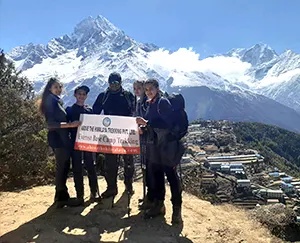
Trips for Kids
Calling all young adventurers - join us for a journey of a lifetime!
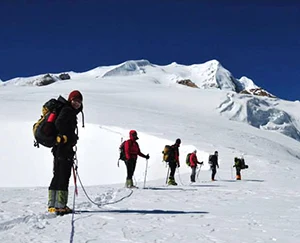
Trips for Adventurers
Climbing & mountaineering adventures for thrill-seekers
Live Chat Support
Purushotam Timalsena
Purushotam Timalsena Travel Expert
We'll plan the perfect personalized vacation for you.
Request for Assistance ⮞