Customize Your Trip
 How to Prepare for Kailash Mansarovar Yatra 2026: Fitness, Documents & Mindset

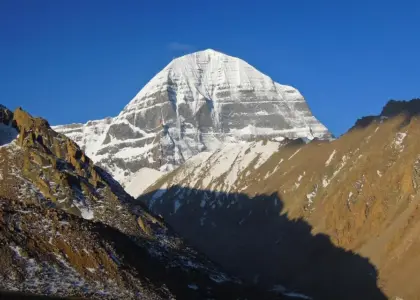
Preparing for the Kailash Mansarovar Yatra 2026 is more than planning a normal holiday. It seems more of a journey that involves the body, the mind, and the spirit to many travelers. Mount Kailash is located in remote Ngari region of Tibet at approximately 6,638 meters. It is respected by Hindus, Buddhists, Jains, and Bon followers as a sacred place with deep meaning.
Every year, pilgrims travel to Mount Kailash and Lake Manasarovar with personal reasons that are often hard to put into words. There are those who come to satisfy a long time desire, those who come to pray, and those who come to reflect on. The number 2026 is also a special year to many due to the fact that it is the Year of the Horse. Many pilgrims believe that completing one kora around Kailash in this year brings greater spiritual benefit, so interest may be higher and planning should start early.
At the same time, the yatra is not only physically arduous but also logistically challenging. It is high in altitude, has thin air and rudimentary facilities. Days of traveling may be long and weather may be unpredictable. Being well prepared will make you feel safer, more relaxed, and concentrate on the purpose of the pilgrimage instead of being stressed.
It is a guide that incorporates spiritual knowledge with practical travel plans that may be taken by foreign visitors in the year 2026. It addresses the fitness and altitude preparedness, essential paperwork and permits, travel insurance and health measures, optimal timing, attitude, etiquette, packing, and route choices either via Nepal or via India. Above the Himalaya supports travelers with clear planning guidance so the journey feels structured and calm from the beginning.
By the end, you should feel more confident about what the yatra involves and how to prepare in a simple and steady way.
Kailash Mansarovar and its Spiritual Significance
Many consider Mount Kailash to be a spiritual centre and it attracts pilgrims of various traditions. It has a connection with lord Shiva and is considered as a devotional site in Hindu faith.In Buddhism, it is connected to the sacred idea of Mount Meru and the spiritual center of the universe. In Jain tradition, it is associated with the liberation of the first Tirthankara. In the Bon tradition, it is respected as a powerful place linked to deities and natural forces.
Before focusing on logistics, it helps to connect with why people take this yatra. Mount Kailash and the adjacent lakes Manasarovar and Rakshastal are long since honored. Lake Manasarovar is regarded by many pilgrims as a purification, prayer and inner renewal site. Rakshastal also carries meaning, and the presence of both lakes side by side often invites reflection.
For Buddhist pilgrims, the period around Saga Dawa is especially meaningful because it is linked to major events in the life of the Buddha. In 2026, Saga Dawa is expected to peak on May 31, and the region may feel more crowded and more devotional during that time. Ceremonies, prayer flags, and group rituals can create a strong atmosphere that many pilgrims remember for years.
The central act of the pilgrimage for many travelers is the kora, the walk around Mount Kailash. The route is about 52 kilometers and is usually completed in three days. Many pilgrims believe that one kora helps clear past burdens, and some hold the belief that many koras support liberation from the cycle of rebirth. Even for travelers who are not strongly religious, the kora can become a powerful personal experience because it demands steady effort in a sacred landscape.
It is also common to feel emotional on this journey. Some people feel tears when they first see the mountain. Some feel deep peace near Lake Manasarovar, especially early in the morning or under a clear night sky. This spiritual meaning often becomes a strong inner support when altitude and fatigue make the path feel hard. Keeping this purpose in your heart can give every step a quieter sense of direction.
Physical Fitness and Altitude Preparedness
The Kailash Mansarovar Yatra is demanding because of both effort and altitude. The lake Manasarovar is approximately 4,590 meters, and the Dolma La Pass which is the highest point of kora is approximately at 5,630 meters. At these altitudes the body receives less oxygen with each breath, and walking may seem heavier and slower than normal. Most of the travelers report feeling short of breath, having fatigued legs, and a decreased appetite, particularly in the initial days.
Even active and strong individuals can experience altitude sickness.That is why physical training and altitude planning should be taken seriously. A prepared body supports a safer journey and allows you to experience the pilgrimage with more comfort.
Try to start training three to six months before the trip. Regular practice is more appropriate than unplanned strenuous exercises. Work on endurance, leg strength, and balance, as kora involves long walking hours and uneven routes.
Start with these training areas
Your foundation should be the cardio workouts. Target an average of 30 to 45 minutes of exercise three or more days per week. Walking fast, jogging, riding a bicycle, swimming or climbing stairs will all be helpful. This enhances the heart and lung performance and boosts stamina in extended walking days.
The importance of strength training is that the trail contains long descents and climbs. Squats, lunges, step ups and mild hill training are beneficial to your legs. The core strength helps in maintaining balance and decreasing the pressure on your back particularly when you have a daypack. Stability exercises, simple planking, and yoga are effective.
Hiking practice is one of the best ways to prepare. Do weekend hikes and gradually increase distance and elevation. Wear the boots you plan to use for Kailash so they break in properly. Practice walking with a backpack so your shoulders and hips adapt. If you can hike in higher areas before your yatra, it helps, but long hikes at lower altitude still build useful strength and rhythm.
Flexibility and breathing practices help reduce injury risk and support calm pacing. Stretching, yoga, and gentle mobility work keep the body loose. Breathing practice can also help at high altitude because it trains you to stay calm when your breath becomes shorter.
Acclimatization is just as important as fitness. Even a fit person can face acute mountain sickness if the ascent is too fast. Choose an itinerary with gradual altitude gain and rest days. Many routes include time in places such as Kerung or Purang for adjustment. Do not skip acclimatization days, even if you feel fine at first.
During the journey, follow simple altitude habits. Walk slowly and keep a steady rhythm. Drink water often and avoid alcohol. Eat warm meals even if your appetite is lower. Sleep early when possible. If your group carries oxygen for emergencies, treat it as backup only. The primary response to altitude sickness is rest, descent, and medical assessment.
It is wise to get a medical checkup before departure, especially if you have heart issues, high blood pressure, asthma, or other serious conditions. Some travelers use altitude support medicine such as acetazolamide after medical advice. If you choose this, follow your doctor’s guidance carefully.
A short practice trek before Kailash can be very helpful. It shows you how your body reacts to long walking days, cold mornings, and basic accommodation. Training also builds mental resilience, which you will need on the Dolma La day. A prepared body allows the pilgrimage to feel safer and more meaningful.
Travel Documents and Permits
Paperwork is one of the biggest preparation tasks because Mount Kailash is in Tibet, and Tibet has special requirements beyond a normal China visit. The exact documents depend on the route you choose. Many foreign travelers go via Nepal with a private operator. Indian passport holders may apply through official India routes if available.
Planning early makes this smoother. It also helps to understand the basics so you can prepare your part correctly and avoid last minute problems.
- Via Nepal (Private Tour through Tibet)
This is the most common option for foreign travelers.
You will need a passport with at least six months validity beyond your travel date. Keep several photocopies and also keep a digital scan stored safely.
Most travelers entering Tibet from Nepal use a Chinese group visa that is arranged in Kathmandu. This is not the same as a regular individual tourist visa. It is usually issued on a separate sheet for the whole group and the group must enter and exit together. You should arrive in Kathmandu early enough for processing because your passport is normally submitted during this time.
You also need permits for western Tibet. These permits are processed by the registered Tibet side partner and are organized by Above The Himalaya.Independent travel is not allowed in Tibet for this route, so permits and guiding arrangements come as a package.
Do not forget Nepal entry requirements. Many nationalities can get a Nepal tourist visa on arrival. The Indian citizens do not normally require a visa to Nepal but must have good identification. In case the Nepal route contains restricted zones, we can get you extra Nepal side permits.
Weather and road conditions change the state of the border conditions, and thus it is prudent to have a small time buffer in your schedule. It minimizes the stress when you face delays or changes in routes.
- Via India (Official MEA Route Lipulekh Pass or Nathu La Pass)
This route is generally for Indian citizens with an Indian passport. It often includes an online application, eligibility rules, and selection through a quota system.
Some age and health requirements are generally required of the applicants. Sometimes medical screening is strict due to the fact that the altitude is great and the route may be long. After selection, the organizers guide pilgrims through briefings and group arrangements.
Permits and group documents are typically managed through the official system. You still must carry your passport and follow instructions carefully, including carrying copies and passport photos for checkpoints.
No matter which route you take, keep both paper and digital copies of your key documents. Carry the originals securely in your daypack, and keep copies in a separate bag. Use a waterproof folder because weather and dust can damage paper quickly.
Travel Insurance and Health Precautions
Kailash requires travel insurance. The yatra explores remote areas with high altitudes and few medical services. Such a little disease can turn into a bigger problem with the altitude and exhaustion. Evacuation can also be expensive, so a suitable insurance policy protects you from large unexpected costs.
Choose an insurance plan that clearly covers high altitude travel, including trekking above 5,000 meters. Ensure that it covers emergency medical treatment, hospitalization and evacuation. Also consider the trip interruption coverage since route delays may occur because of weather, road problems or timing at the border.
It is also important with regard to health preparation. Test your regular vaccinations and take into account travelling health recommendations in accordance with your country of origin and previous travels.Many travelers choose additional protection against food and water related illness, such as Hepatitis A and Typhoid. It is also sensible to confirm your tetanus protection is current.
Entry rules can change, so check requirements closer to your travel date. This includes any health certificates or testing rules that might be in place.
Plan a medical consultation four to six weeks before travel. Discuss altitude risks and any existing health conditions. Bring along regular personal medicines in adequate amounts to cover the entire trip. Our guide also brings a basic first aid kit with blister care, antiseptic wipes, bandages, and basic pain, fever, allergy, and stomach upset medicines.
Hygiene is an important aspect in the group travel and simple facilities. Carry hand soap and use it regularly. Water safety matters too. Boiled water is also served at several tours but it is always a good idea to carry purification pills or a small filter. Hydration helps with the acclimatization process and can help lessen headaches.
During the journey, do not hide symptoms. If you feel unwell, tell your guide early. Early action can prevent serious problems. Slow pacing and proper rest often make a big difference at altitude.

Best Time to Go in 2026
Choosing the right timing affects both comfort and safety. The usual season for Kailash travel runs from late spring to early autumn, often from May to September. Outside this window the region becomes extremely cold and snowbound, and permits are generally not issued.
Here are key points for 2026.
- May to June
This is early season and skies are often clear, but nights can be very cold. Some snow may remain on higher parts of the kora depending on the year. Many pilgrims also aim for Saga Dawa, which is expected to peak on May 31 in 2026. This period can feel deeply devotional, but it can also be crowded, and planning should start early. - July to August
These months often have warmer days and the routes are normally fully open. The kora trail is usually free of deep snow. Nepal and parts of India can face monsoon issues that may cause landslides and delays on approach roads. It is wise to add buffer days if traveling in this period. - September (early)
Early September can bring clearer skies and fewer crowds, which some travelers prefer for a quieter experience. Nights begin to get colder again, and there can be early snow at higher points. In some years the season closes earlier than expected, so flexibility is helpful. - Avoid Winter
From October through April the region is not practical for Kailash travel due to severe cold, snow, and closures.
Your best time depends on your priorities. If you want festival energy, late May to June may suit you. If you want warmer days, July to early August is practical. If you want fewer crowds, late August to early September may fit, as long as you accept colder nights.
Mental and Emotional Readiness
Kailash preparation is not only physical. The journey can test patience, comfort, and emotional balance. Long drives, simple rooms, cold mornings, and walking at altitude can affect mood. A steady mindset helps you move through these moments with calm.
Set Your Intention
Take time to reflect on why you want to do this yatra. Your reason can be spiritual, personal, or simply a deep curiosity. Note down your intention in a journal or store it in the form of a silent sentence in your heart. This goal may help you when the journey is tough.
Learn and Appreciate
To have a better connection with the place, you can read about the spiritual meaning of Kailash and Manasarovar. You do not have to be a professional, yet some fundamental knowledge can make your traveling with respect.
Cultivate Patience and Positivity
Delays and discomfort can happen. Weather may change plans, and roads may be slow. Mentally preparing for flexibility reduces stress. If a delay happens, treat it as extra rest and acclimatization.
Spiritual Practices
Many travelers find that prayer, meditation, breathing exercises, or gentle yoga help mental strength. Even simple breathing practice can calm anxiety at altitude. Some pilgrims chant mantras while walking because it creates rhythm and focus.
Emotional Resilience
There is emotional ups and downs. You can have admiration and happiness, irritation and exhaustion. Take your judgment out and watch feelings. Have a rest, have a drink and discuss with your guide in case of problems.
Mental Visualization
Suppose, you are walking slowly and steadily, breathing in, and resting where you need them. Imagine the going across Dolma La at a slow and steady pace. This is able to relieve fear and develop confidence.
A respectful mindset can turn challenges into part of the inner journey. When you treat this as a pilgrimage rather than a normal tour, small hardships often feel easier to accept.
Cultural and Spiritual Etiquette
Respectful behavior matters because Kailash is a sacred pilgrimage area. Not only do your actions have an impact on local communities and other pilgrims, but they also shape your own experience.
- Dress Modestly
Dress in plain and decent clothes particularly around monasteries and during rituals. Cover shoulders and knees. In case you want to bathe in Lake Manasarovar, then do it with respect and wrap or towel.
- Follow Ritual Protocols
When you are present to watch prayers or ceremonies, remain silent and allow room. Wear no shoe in monasteries where it is necessary. Walk in clockwise direction around stupas and shrines, and obey the guidance of your guide.
- Photography Etiquette
Ask to take pictures of other people, particularly monks or pilgrims when they are praying. Photos in monasteries are not permitted. Using flash in ceremonies and around sacred art should be avoided.
- Respect Local Customs
The majority of the groups play the kora in the clockwise direction. Do not take prayer flags down, or steal stones off sacred piles. In case you would be pleased to make an offering, make it decently.
- Silence and Serenity
Lower your voice in places of worship. Certain individuals like to keep quiet on challenging parts of the path, and therefore, you should be aware of the mood.
- No Drugs, No Violence.
Do not consume alcohol and drugs during the yatra. Alcohol raises levels of dehydration and may exacerbate symptoms in the altitude. Smoking is also not encouraged around religious places.
- Group Harmony
Encourage other members of the group, particularly the slower walkers and those who are fatigued. Even a little gesture will make the entire group feel better.
Gear Packing Checklist
Kailash Packing is all about being prepared to sun, wind, cold and have long walking days and keeping weight within reasonable limits.
Clothing (Layering is Key)
Base layers: Cold mornings and nights Moisture wicking thermal tops and bottoms.
Mid Layers: Fleece jacket and a warm insulated jacket for evening and high pass cold.
Outer Layers: Waterproof and windproof shell jacket and shell pants for wind and sudden weather.
Trekking Pants and Shirts: Quick dry pants and tops. Avoid cotton because it dries slowly.
Cold Accessories: Sun cap, gloves, warm beanie, and a neck buff or scarf.
Footwear: Strong trekking boots that are broken in, plus light camp shoes or sandals.
Socks: Trekking socks and a pair of warm-up socks.
Gear and Equipment
Backpack: Everyday bag and a bigger bag with the support of the main luggage.
Sleeping Bag: Warm sleeping bag to be used when it is cold outside, and a liner is required.
Trekking Poles: This will be helpful on Dolma La uphill and the long downhill.
Water Containers: Bottles or a hydration bladder and purification tablets or a filter.
Headlamp: handy in cases of early mornings and dark places.
Sun Protection: Sunscreen, lip balm with SPF and UV sunglasses.

Personal and Miscellaneous Items:
Documentation and Finance: Passport, permits, copies and cash in appropriate currencies.
Travel Insurance Info: printed information and emergencies contact numbers.
First Aid Kit: Bandages, antiseptic, first aid kit, and blister care.
Snacks: Electrolyte packets and snacks that are high in energy.
Toiletries: Toilet paper, wet wipes, sanitizer, quick dry towel, basic toiletries.
Other useful items: Power bank, zip bags, earplugs, a dust mask or buff.
Route Options: Nepal vs. India (Lipulekh & Nathu La) Which Path to Kailash?
Choosing the route is a major decision for Kailash Mansarovar Yatra 2026. Foreign travelers typically use the Nepal route. Indian passport holders may have the option of official India routes if available.
Route Comparison:
- Eligibility
Nepal route is open to all nationalities through private operators. India routes are generally only for Indian passport holders through an official selection process. - Journey overview
Nepal route usually starts in Kathmandu, then crosses into Tibet by road or a road and flight combination depending on the itinerary. India Lipulekh route involves a longer approach through Uttarakhand and traditional acclimatization stages. India Nathu La route is mostly motorable, with less physical strain before reaching Tibet. - Duration
Nepal route often ranges from about 10 to 15 days depending on the plan. India routes are often longer due to group logistics and approach travel, and they can take around two to three weeks. - Physical demand
All routes include the same three day kora around Kailash. Nepal approach is often moderate before the kora but can have faster altitude gain. Lipulekh approach can be more physically demanding and longer, while Nathu La is often easier before the kora. - Acclimatization
Acclimatization should not be ignored when traveling through Nepal routes since it increases altitude rapidly. The gradual ascent of India Lipulekh results in a gradual acclimatization. Nathu La is still reachable by road within a few days and hence rest days are significant. - Paperwork
The procedures of group visa in Nepal and Tibet permits that are processed by the operator are common in Nepal route. The India routes typically include formalities using the program and the medical examination. - Highlights and challenges
Nepal route may involve Kathmandu cultural tourism and the option to start and finish on different days, although weather delays and rapid ascending of altitude may be problematic. Lipulekh may be an ordinary pilgrimage with high group cohesion, but it is time consuming and physically challenging. Before the kora, Nathu La may be easier and more comfortable, which may also depend on official decisions and agreements. - Regardless of the path that you take, all pilgrims come to Darchen and finish the same kora path. Choosing the route that suits your health, time, and comfort level helps you stay calmer and safer.
Conclusion
Preparing for the Kailash Mansarovar Yatra 2026 requires steady effort and sincere intention. Fitness supports safety at high altitude. Last minute stress is minimized with paperwork and approvals. You are covered by health precautions and insurance when you are out of town. Calmness will help you to handle failure and inconveniences with patience.
Despite being well planned, the trip can still contain surprises. You can find individuals whose stories will remain in your mind. You can be in great tranquillity at Manasarovar, or quiet power as you walk along step by step on the kora. These are usually the real recollection of the pilgrimage.
Trust your preparation and listen to your guides. If you need to rest, rest. If you need to walk slower, walk slower. Safety is part of devotion because it respects the reality of the mountains and your body.
When you finally reach Mount Kailash and sit beside Lake Manasarovar, the months of preparation often feel like part of the pilgrimage too. Most tourists come back home with a more relaxed mind and gentle heart. With proper planning and careful travelling, the yatra can be a meaningful, safe, and personal experience.
Best Price Guaranteed, Easy to change Date, Instant Confirmation
Book This Trip Have Questions?
Talk to Expert
Meet Mr. Purushotam Timalsena (Puru), Nepal's best trek and tour organizer, who has been working in the Himalayas for more than 24 years.
WhatsApp/Viber +977 98510 95 800