Customize Your Trip
 Annapurna Base Camp Trek Price 2026 & 2027: Full Guide to Expenses per Day, Permits, Accommodation, and Budget Breakdown
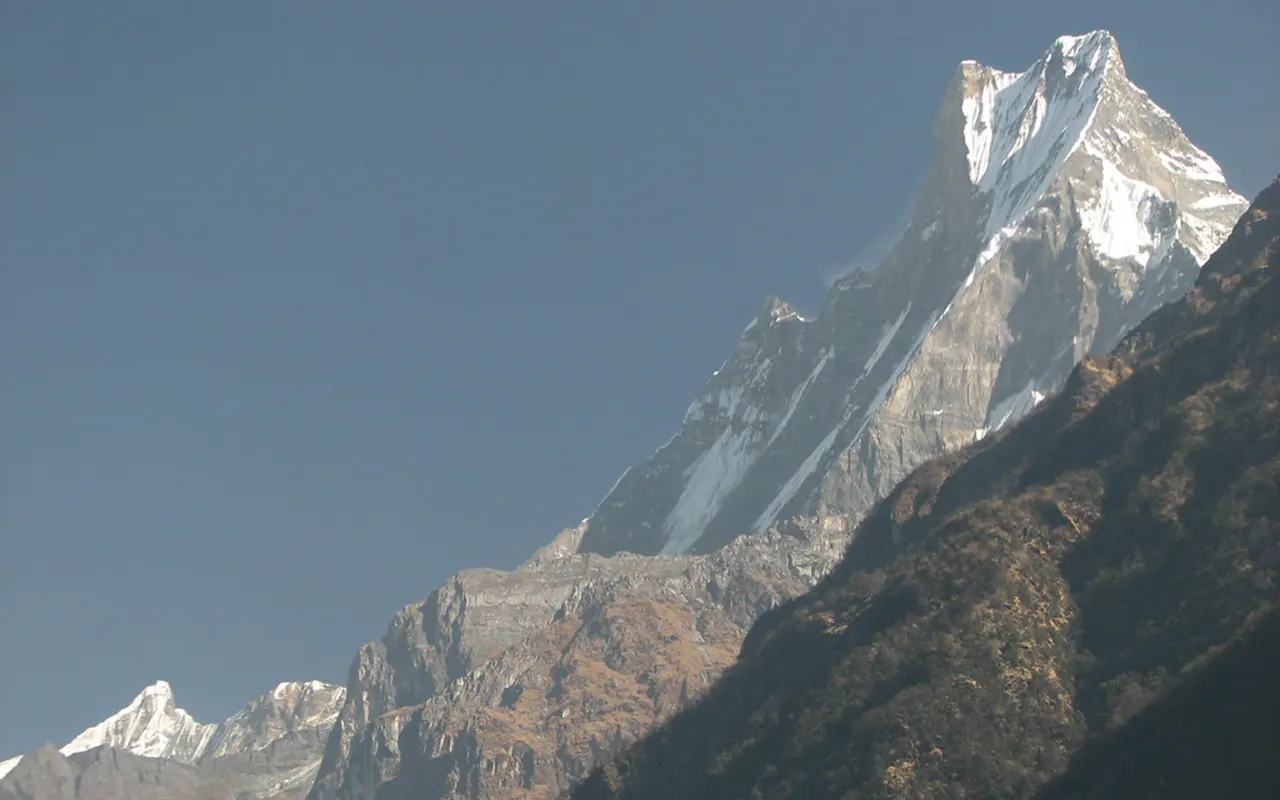
The process of planning an Annapurna Base Camp trek is a thrilling move towards one of the most enriching Himalayan journeys in Nepal, though before you start the trek. It is important to know how much the whole trek will cost you so that you can plan accordingly. The Annapurna Base Camp trek is not only one of the most frequented trekking trails in the country, but also boasts spectacular mountain scenery, ancient Gurung and Magar villages. It also has variety of landscapes, rhododendron forests, and relatively average trekking techniques as opposed to the more challenging high-altitude trek. It is a popular destination among trekkers worldwide due to its accessibility and scenic beauty.
A realistic budget is one of the most significant sections of planning this trip. The overall Annapurna Base Camp trek cost may differ greatly based on your method of traveling, the season of the year you trek, the route you choose to follow, and the comfort that you desire. Budget trekkers can travel by public transport, basic teahouse lodging, and local meals, and the total costs are still relatively low.
Mid-range travelers tend to seek comfort and cost, and decide to use private transportation at some point, a higher quality place to stay, and guide assistance. Luxury trekkers might choose 5-star hotels, new lodges where they are offered personalized services and even helicopter returns, which can shoot the total up to the heavens.
It is so simple to miscalculate your budget without a clear idea of anticipated costs and end up in a financial strain on the trek. Expenses extend beyond the apparent daily expenditure and may encompass the cost of permits, lodging, meals, transportation, guide and porter fees, gear rental, charging fees, Wi-Fi, tips, travel insurance, and emergency expenses.
This full budget of the Annapurna Base Camp trek 2026, 2027, will identify all the key costs that you will incur. You will get to know about necessary trekking permits, accommodation costs, food and beverage costs, transport, guide and porter costs, unseen expenses that most trekkers miss, and how prices vary during peak and off-peak trekking seasons.
The guide also contains some helpful cost-cutting advice to enable you to save money without compromising the safety or the overall experience of the trek, whether you are going on a low-cost adventure, a comfortable mid-range adventure, or a luxury Himalayan holiday.
Quick Stats Table: Annapurna Base Camp Trek Cost 2026 & 2027
| Category | Details |
| Trek Duration | 7–14 Days |
| Average Total Cost | $500–$2,000+ |
| Budget Trek Cost | $500–$800 |
| Mid-Range Trek Cost | $900–$1,500 |
| Luxury Trek Cost | $1,500–$2,500+ |
| Best Trekking Seasons | Spring & Autumn |
| Highest Altitude | 4,130 m (13,549 ft) |
| Required Permits | ACAP + TIMS |
| Guide Cost Per Day | $25–$40 |
| Porter Cost Per Day | $18–$30 |
| Average Food Cost Per Day | $15–$35 |
| Accommodation Cost Per Night | $5–$40 |
| Starting Point | Nayapul / Jhinu / Ghandruk |
| Difficulty Level | Moderate |
| Transportation Cost | $20–$300 depending on route |
| Recommended Budget Buffer | Extra 15–20% |
Overview of the Annapurna Base Camp Trek
Where Is Annapurna Base Camp?
The Annapurna Base Camp is situated in central Nepal in the region of Annapurna, which is one of the most popular trekking spots in the country. The base camp is at an altitude of 4,130 m (13,549 ft), and it is located in the midst of some of the most breathtaking Himalayan mountains around the world. The climbing path goes through the Annapurna Conservation Area, which is a conservation zone with diverse biodiversity, mountain scenery, ancient villages and cultural heritage.
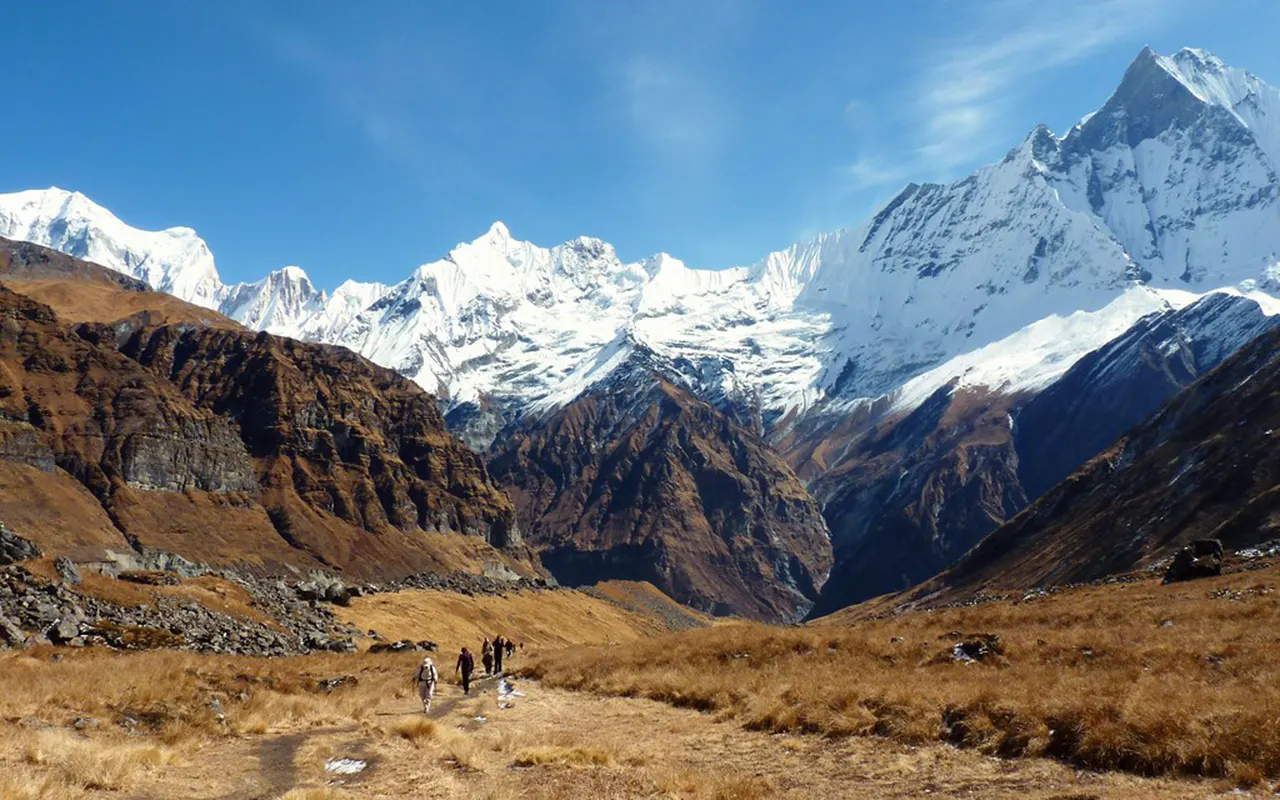
Slowly leading trekkers traverse terraced agricultural plots, rhododendron forests, rock steps, river valleys, and high alpine terrain as they approach the dramatic mountain amphitheater of Annapurna Base Camp.
Why the Trek Is So Popular
The Annapurna Base Camp trek is also popular as it is a full Himalayan trek experience that does not involve the excessive time and cost involved in longer treks. Trekkers get to enjoy scenic views of Annapurna I, Machhapuchhre, Hiunchuli, and Annapurna South, along with having a taste of the village life of the Gurung and Magar communities.
Jhinu Danda has natural hot springs available, which are a good rest point after days of trekking, and the path is deemed to be accessible to most first-time trekkers with fair fitness. Accessibility also contributes towards making the Annapurna Base Camp trek more affordable than more distant Himalayan trek.
Typical Trek Duration and Routes
The average time the Annapurna Base Camp trek can last is between 7 and 14 days based on your route, pace, and transportation choices. The shorter itineraries may begin at the Jhinu Danda or Ghandruk and travel by private transport to minimize the number of walking days. More extended paths can be accompanied by Poon Hill, which will provide a mountain sunrise and additional cultural experiences.
Trekking is occasionally used together with helicopter returns by some travelers, particularly those who are time-starved or want to have a luxurious experience. These route choices have a major impact on the final Annapurna Base Camp trek cost.
Annapurna Base Camp Trek Cost Overview for 2026 & 2027
The overall cost of trekking the Annapurna Base Camp will be heavily dependent on how you travel. It is possible to do the trip with comparatively low expenses by the budget-conscious trekkers, whereas luxury travelers are likely to spend a few times more.
Budget Trek Cost
The average cost of a budget Annapurna Base Camp trek is 500-800 dollars. This approximation is based on taking public buses, sharing jeeps, simple teahouses, simple local cuisine, and small additional expenses. Self-governing hikers who well regulate costs usually come under this bracket.
This style is more practical and less comfortable. Housing is basic, transportation is slower, and amenities such as hot showers or Wi-Fi can be utilized sparingly.
Mid-Range Trek Cost
The average price of a mid-range trek to Annapurna Base Camp is about 900 to 1500 dollars. This alternative is applicable to those travelers who want to be more comfortable and convenient but are not interested in luxury pricing.
This usually involves a higher quality teahouse accommodation, guide services, better transport, and more flexible meals and extras. This level is popular among many travelers as it offers comfort and is affordable.
Luxury Trek Cost
Most luxury trekking tours begin at approximately $1,500 and can go higher than that based on inclusions. The use of private jeeps, quality lodging, qualified guides, porter assistance, enhanced meals, and helicopter transfers adds much more money to the trek cost of Annapurna Base Camp.
Luxury trekking is offered to those travelers who prefer the highest comfort, individual approach, and reduced total time spent on the trip.
Average Daily Budget Breakdown
| Budget Type | Daily Cost |
| Budget | $40–$70 |
| Mid-Range | $80–$140 |
| Luxury | $180–$400+ |
Spending on a daily basis depends on the height, the type of accommodation, the type of transport, and the spending habits of the individual.
Annapurna Base Camp Trek Permit Costs
Trekking in the Annapurna region requires permits, which are to be part of your budget planning.
Annapurna Conservation Area Permit (ACAP)
An Annapurna Conservation Area Permit is needed since the trek is located in an established conservation area. The permit fee will aid in conservation, trail maintenance, and local management.
This permit is a standard fixed cost in the calculation of the trek cost of the Annapurna Base Camp trek, and it must be done at the start of the trek.
TIMS Card Cost
The Information Management System card of the Trekker is usually part of the trekking plans. It assists in the registration of trekkers, route monitoring, and safety control. Your total Annapurna Base Camp trek cost should also cover the TIMS cost.
Where to Get Trekking Permits
In Kathmandu or Pokhara, the permits are usually organized through authorized offices or trekking agencies. Agencies are favored by many trekkers since it eases paperwork and it saves time.
When a package trek is booked, the packages usually contain the permits as part of the cost of the package.
Documents Required
When preparing the permits, travelers are typically required to provide passport copies, passport photos, and personal information. Insurance information can also be requested by some of the agencies.
The cost of the permit is a comparatively minor aspect of the overall Annapurna Base Camp trek price; however, it is necessary.
Transportation Costs for Annapurna Base Camp Trek
One of the most variable components of the Annapurna Base Camp trek price is transportation, since participants have two choices of transportation: cost-effective and high-end.
Kathmandu to Pokhara Transportation
The trekkers start from Kathmandu to Pokhara by bus, jeep, or flight, to the entry point of the Annapurna region, Nepal.
Tourist buses are the cheapest means of transport, often costing 10-25 dollars. They are common and can be used by low-cost travelers, but the road network and travel duration are not predictable.
Flights are quicker and normally cost between 90 and 140 dollars. It will save time and is convenient, but it will make the Annapurna Base Camp trek significantly more expensive.
There is flexibility, privacy, and direct transfers offered in the private jeeps, but they are much more expensive.
Pokhara to Trek Starting Point
At Pokhara, trekkers proceed to the trek starting point. The main access points are Nayapul, Jhinu Danda, and Ghandruk.
Shared jeeps are a relatively cheaper and more convenient method, whereas personal cars are comfortable and convenient but more expensive. A closer starting point can shorten the number of trekking days, at the cost of higher transportation costs.
Return Transportation Costs
Return transportation is priced the same way based on the exit point of choice and comfort desired.
Budget travellers would tend to travel using shared jeeps and buses, whereas the premium traveller might opt to use personal transportation or helicopter returns.
Helicopter returns are costly yet save a lot of time on the total travel period.
Transportation Cost Comparison Table
| Transport Type | Cost Range |
| Tourist Bus | $10–$25 |
| Flight | $90–$140 |
| Shared Jeep | $20–$40 |
| Private Jeep | $100–$200 |
The options of transportation have a powerful impact on the overall price of the Annapurna Base Camp trek, and this is why it is necessary to choose the most appropriate balance between comfort and cost.
Accommodation Costs During the Trek
Another important aspect of the Annapurna Base Camp trek cost is accommodation. The trekking route has several accommodation facilities, including basic local teahouses to more luxurious mountain lodges.
Types of Accommodation on the ABC Trek
The majority of trekkers are accommodated in traditional teahouses. These are basic mountain lodges with simple twin-sharing rooms, communal dining areas, and common facilities. The rooms tend to be small, and beds, mattresses, blankets, and scanty furniture are provided.
Normal lodges will offer a little bit of comfort, cleaner facilities, and better services. Other, less upscale villages have accommodations with their own bathroom and luxury facilities.
There are fewer luxury mountain lodges available on this route than there are in Everest, although certain upscale alternatives can be found in certain places.
Average Teahouse Prices by Altitude
| Location | Average Room Cost |
| Ghandruk | $5–$15 |
| Chhomrong | $5–$20 |
| Deurali | $10–$25 |
| ABC | $15–$40 |
The prices are higher at higher altitudes as it becomes harder to transport supplies and more costly.
What’s Included in the Room Price
Basic twin-sharing accommodation is usually included in room prices. There is widespread use of shared bathrooms, particularly at elevations that are higher. Blankets are normally offered, and additional warmth might be needed by the use of a sleeping bag.
Access fee can be restricted and facilities more basic as elevation rises.
Extra Accommodation Charges
Other fees are usually for hot showers, Wi-Fi service, and the provision of charging electronic devices. These minor expenses may accumulate in a very short time during a number of days and must be taken into consideration when planning your Annapurna Base Camp trek cost.
Food and Drink Costs on the ABC Trek
One of the most obvious recurrent expenditures in the trek is food, as you require numerous meals daily, snacks, and beverages to keep your energy up. The prices of the Annapurna Base Camp trek are likely to rise fast, in case you are often buying high-quality food, bottled water, or snacks, which may be of foreign origin.
Typical Food Prices on the Trail
Amazingly, the teahouse menus have a rather large scope of meals, but their price increases with altitude. Dal Bhat is the most common choice as it is filling, healthy, and in most lodges, it is served as refills. Noodles, Fried rice, soups, pancakes, eggs, potatoes, and pasta are also common.
Porridge, toast, pancakes, eggs, Tibetan bread, and tea/coffee are frequently offered as breakfast. Nepali dishes and simple international-style food adapted to the needs of trekking travelers often appear in lunch and dinner menus.
Why Food Gets More Expensive at Higher Altitudes
Porters have to carry all supplies manually as you ascend the mountain; the supplies can be transported by mules or complex logistics over rugged terrain. This adds a cost to the operation of the owners of the lodges, and this cost is transferred to the menu prices. A single meal in a low village might be a lot cheaper than the same meal in a base camp.
Daily Food Budget
| Meal Type | Average Cost |
| Breakfast | $4–$8 |
| Lunch | $5–$10 |
| Dinner | $6–$12 |
| Drinks/Snacks | $3–$10 |
An actual food budget will vary between 15 and 35 dollars per day based on food consumption and eating habits, in addition to consuming drinks. Trekker coffee, chocolate, energy bar, soft drinks, and imported packaged snacks will cost significantly more to the regular coffee drinkers, chocolate drinkers, energy bar drinkers, soft drinks drinkers, and snack packers.
Cost of Drinking Water
Hydration is essential on the altitude, but bottled water may turn out to be costly with the rise in altitude. More frequently, budget-conscious trekkers are using water purification pills or reusable water bottles that have a filter.
Some of the areas may have filtered water stations that can be cheaper than bottled water. Water management can also be done to save on the overall cost of trekking to the Annapurna Base Camp.
Guide and Porter Costs
The cost of the Annapurna Base Camp trek is increased by the cost of hiring trekking support, which many travelers find convenient, safe, and provides local knowledge.
Guide Cost Per Day
An average of 25 to 40 dollars per day is charged to licensed trekking guides based on experience, language, season, and foreign or local company booking.
A guide assists in navigation, accommodation, local knowledge, pacing, and making emergency decisions. The first-time trekkers can find this help particularly useful.
Porter Cost Per Day
The price of porters is typically between 18 and 30 dollars a day, depending on the route, season, and service arrangements.
The amount of a shared load that a porter carry can vary widely, usually between 15 kg and 25 kg (with some agreements and local practices), but the shared load should always be divided between the two. It is a common practice to share a porter among two trekkers, and this may save money.
Is Hiring a Guide Mandatory?
The trekking policies may influence the necessity of guides by route policies and government policies. Hiring a guide will enhance safety even in cases where it is not necessary, such as when less experienced trekkers are involved or during uncertain weather conditions.
A guide may also prevent logistical errors that can make the cost of the Annapurna Base Camp trek rise unpredictably.
Tips for Guides and Porters
Giving tips in the trekking business is a norm in Nepal and ought to be included in your overall budget. Although the amount of the tipping is not fixed, most trekkers offer a percentage of the entire service cost or a set per day, depending on satisfaction and duration of the trip. Disregarding tipping in your budget may cause a bad shock at the end of the trek.
Annapurna Base Camp Trek Package Costs
It is convenient for package trekking since most of the key costs are encompassed in one price.
What’s Included in Trekking Packages
Accommodation, meals throughout the trek, permits, guide services, support of the porter, and transportation are usually included in most packages. Airport transfers, hotel accommodation in Kathmandu or Pokhara, gear rental, and domestic flights are also available in some packages.
Since the inclusions are diverse, it is crucial to compare packages when estimating the cost of the Annapurna Base Camp trek.
Budget Group Packages
The least expensive guided experience towards the Annapurna Base Camp is typically the budget group packages. Guides, porter assistance, transportation, permits, and logistical services among the travelers are shared with fellow trekkers, and this lowers the approximate cost per head.
These are perfect packages that suit the low-end traveler who does not wish to spend more on trekking but would still like to have an organized support, safety, and structured trekking experience at a lower price compared to the higher cost of the private arrangements.
Private Trek Packages
The private trekking packages provide a more experienced trek to Annapurna Base Camp with a flexible pace, personalized itinerary, and a specific guide or porter-guide. This will enable the travelers to vary the schedules in terms of their fitness and preferences.
Even though it is much more costly than group packages, the services of a private trek are more convenient, more personal, more comfortable, and offer more control over the entire trekking experience.
Luxury Trek Packages
The packages of Luxury Annapurna Base Camp trek are offered to tourists who want to be as comfortable and receive a high level of service during the trip. These can be luxurious hotels in the cities, renovated mountain lodges wherever possible, personal transportation, transport by helicopters, personalized meals, and personalized staff support.
Luxury trekking adds a lot of cash to the overall costs, but it serves as a more refined, exclusive, and very comfortable adventure experience of the Himalayas.
These packages may add up to the Annapurna Base Camp cost considerably, but attracts a tourist with a focus on convenience and comfort.
International vs Local Trekking Agencies
Global trekking firms tend to be pricier due to branding, foreign personnel, expanded service frameworks, and additional management.
Nepali local agencies often provide competitive prices and provide good on-the-ground services. One of the best methods to lower the cost of the Annapurna Base Camp trek without compromising the service is to book with the local operators.
Hidden Costs Many Trekkers Forget
One of the greatest factors that makes the Annapurna Base Camp trek appear less than what it is the hidden costs.
Travel Insurance
The Annapurna Base Camp trek requires travel insurance, particularly when it comes to high-altitude trekking dangers. An appropriate policy must incorporate medical, emergency evacuation, and helicopter rescue cover where necessary.
In the absence of the right insurance, unforeseen disasters can lead to extremely high costs, and so insurance is a significant factor in responsible trek budgeting.
Trekking Gear and Equipment
Trekking equipment may play a major role in your budget for the Annapurna Base Camp trek, as you will need to hire or purchase equipment. Among them are trekking boots, sleeping bags, down jackets, gloves, thermal clothes, trekking poles, backpacks, and waterproof clothing. In Kathmandu or Pokhara, it is often much cheaper to rent equipment than to buy new.
Charging, Wi-Fi, and Internet Costs
Electronic gadgets such as phones, cameras, and other gadgets usually need additional fess to charge at elevated levels when climbing to Annapurna Base Camp. Access to Wi-Fi is also typically offered at an additional cost, and is slower and less reliable in remote locations. These additional daily costs are not huge in each instance, but when added to the total trekking budget, these extras will be felt.
Snacks and Drinks
Snacks and drinks may increase your charge to the Annapurna Base Camp trek more than anticipated. The higher the elevation, the higher the prices of chocolate bars, energy snacks, bottled water, coffee, tea, and soft drinks because of the transport difficulties. Frequently, trekkers spending on extras on the way also spend more than they had initially planned to spend on a daily basis.
Tips and Donations
Your Annapurna Base Camp trek budget should include tips to the guides and porters because tipping is a popular and welcome custom. The price is different based on the quality of services and trek time.
Other trekkers are also encouraged to make small voluntary contributions in monasteries, schools, or other places in the community that are met along the way.
Emergency Expenses
Unforeseen expenses may be incurred in the Annapurna Base Camp trek because of weather delays, additional overnights, medical expenses, transport, or broken equipment replacement. Such circumstances may soon add up to your overall expenditure. It is highly advisable to maintain a buffer in the form of an emergency budget of at least 15 to 20 percent as a form of financial flexibility.
Cost Comparison by Trekking Style
The various types of travel result in significant variances in the overall Annapurna Base Camp trek cost.
Solo Trek Cost
On an independent trek to Annapurna Base Camp, a typical individual budget is around 500 to 800 dollars, which is determined depending on the mode of transport, choice of accommodation, food expenditure, and permit fees.
Solo trekking is fully flexible in terms of pace and itinerary schedule, but the price may increase since the cost of transportation, hiring a porter, and other related costs of trekking are not divided.
Group Trek Cost
The Annapurna Base Camp trek is frequently achieved at the lowest cost, through group trekking, whereby the key costs are divided amongst the trekking group.
When shared among the group, the cost of transportation, guide fees, porter services, and certain accommodation arrangements are cheaper, and thus, it is a feasible alternative in case of budget-conscious trekkers seeking value.
Guided Trek Cost
An Annapurna Base Camp trek is often guided, and thus the price is higher than the independent trek as it includes the services of a professional guide all the way through. These costs include licensed guides, logistical organization, route support, and frequently permits or transport organization. Trekking in exchange offers convenience to the trekkers, local experience, systematic assistance, and an added degree of trekking security.
Luxury Trek Cost
Luxury trekking adds a lot of money to the cost of the Annapurna Base Camp trek because the services provided and the comfort offered will be of high quality. Expenses can be expensive lodges where possible, personalized tours, special guide and porter service, improved meals, and smooth logistics, making the trekking experience more relaxed and exclusive.
| Trek Style | Estimated Cost |
| Solo Budget Trek | $500–$800 |
| Guided Group Trek | $900–$1,400 |
| Private Guided Trek | $1,200–$2,000 |
| Luxury Trek | $2,000+ |
Best Time to Trek and Its Impact on Cost
The Annapurna Base Camp trek cost highly depends on the season.
Spring Season Costs
The Annapurna Base Camp trek is most popular during spring (March to May) because of the rhododendron forests in blossom, clear weather, and good visibility of the mountain. Due to high demand, the price of guides, transportation, and accommodation can be increased compared to the low seasons.
It is usually advisable to book. Despite the cost increment, spring is still regarded by a number of trekkers as worthwhile due to favorable trekking conditions and awe-inspiring natural landscapes.
Autumn Season Costs
Another high season of trekking to Annapurna Base Camp is autumn, which spans between September and November, and is characterized by cool weather, dry trails, and excellent mountain scenery. The demand during this season may lead to increases in the accommodation rates, transport costs, and the fees charged by guides or porters, particularly on the busy routes.
In a busy period, reservations might be required. Although prices tend to be higher, autumn is still one of the best-value seasons because it is a sure weather and great trekking season.
Winter Trek Costs
Trekking in winter to Annapurna Base Camp can occasionally save money on the total expenses due to low traffic on trails, and some accommodation companies might provide discounts. But lower temperatures, snowfalls, and in some cases the challenge of routes can lead to extra expenditure on warmer clothes, better sleeping equipment, or adjustable transport plans. Although it can be budget-saving, winter trekking requires more preparation, weather awareness, and flexibility, which can counter some of the anticipated benefits of costs.
Monsoon Trek Costs
The period between June and August, also known as monsoon season, is the time when the Annapurna Base Camp trek is likely to be cheapest since the number of visitors is significantly reduced and accommodation discounts sometimes occur.
Nevertheless, excessive rainfall, slipshod paths, landslides, transportation delays, leeches, and bad mountain visibility may bring a bad experience to the whole adventure. A reduced initial price does not necessarily imply higher value since inconveniences, time loss, and extra difficulties can add up to cost in the course of the trek.
How to Save Money on the Annapurna Base Camp Trek
The Annapurna Base Camp trek can be made cheaper with proper planning.
The cost of hiring guides, porters, and transport is also reduced by traveling as a group. Travel by road is considerably slower but considerably less expensive than air travel or driving a car. Hiring the equipment in Kathmandu or Pokhara is cheaper than purchasing new equipment.
The use of purification techniques instead of bottled water helps save money that is spent daily on buying water. Local agencies may be able to provide superior prices to foreign operators. Lower costs are occasionally offered during shoulder seasons, with satisfactory trekking conditions.
Prudent budgeting does not imply compromising the trekking experience. It is merely a purposeful expenditure.
Sample Annapurna Base Camp Trek Budgets
Perhaps one of the most realistic methods of estimating the price of the Annapurna Base Camp trek is reviewing realistic sample budgets. Real expenditure depends on the type of trekking, season, individual comfort demands, and transport choices; however, the following lists are valuable planning guides.
7-Day Budget Trek Itinerary Cost
A less expensive budget trek is suitable for those travelers with less time available and who are content with less fancy services and efficient transportation options. This form of trek is aimed at ensuring that the cost is minimal and still manages to get to the Annapurna Base Camp.
| Expense | Cost |
| Permits | $40–$60 |
| Food | $120–$180 |
| Accommodation | $50–$100 |
| Transport | $40–$100 |
| Guide/Porter | $150–$350 |
| Miscellaneous | $50–$120 |
| Total | $450–$910 |
Low-end travelers in the budget category tend not to use premium services, travel by bus, restrict paid extravagances, and control food expenses.
10-Day Mid-Range Trek Budget
A mid-range trek is more comfortable, has a guide, is more accommodating, and is less fast-paced. It is among the most common methods to enjoy the Annapurna Base Camp trail.
| Expense | Cost |
| Permits | $40–$60 |
| Food | $200–$300 |
| Accommodation | $120–$250 |
| Transport | $80–$180 |
| Guide | $250–$400 |
| Porter | $180–$300 |
| Miscellaneous | $80–$150 |
| Total | $950–$1,640 |
This is the cheapest version of the Annapurna Base Camp trek that offers a compromise between comfort and affordable prices.
Luxury ABC Trek Budget Example
Luxury trekking emphasizes convenience, privacy, quality service delivery, and less logistical pressure.
| Expense | Cost |
| Permits | $40–$60 |
| Premium Accommodation | $300–$700 |
| Food | $250–$450 |
| Private Transport | $300–$700 |
| Private Guide | $350–$600 |
| Porter Support | $250–$450 |
| Helicopter Return | $500–$1,500+ |
| Miscellaneous | $150–$300 |
| Total | $2,000–$4,500+ |
The luxury travelers spend a lot more money, but the experience will be easier, quicker, and much more comfortable.
Is Annapurna Base Camp Trek Worth the Cost?
The question that most travelers pose is whether the Annapurna Base Camp trek price is worth it. The answer to most of the trekkers is yes.
What Makes ABC Trek Valuable
The trek provides an amazing Himalayan landscape with close-ups of Annapurna I, Machhapuchhre, Annapurna South, and Hiunchuli. There are not many walks that are as dramatic in terms of accessing mountains in a relatively feasible time.
The cultural experience is an added value. Village life, local hospitality, mountain food, and daily encounters bring about valuable memories not just of the scenery.
The route is also attractive due to its accessibility. The trek to the Annapurna Base Camp is less challenging to access and typically cheaper, compared with more far away treks that involve flying into secluded mountain landing fields.
The Annapurna Base Camp trek experience is expensive enough to justify the expense of the trip to many travelers due to its combination of natural beauty, cultural richness, and logistical accessibility.
Comparing ABC Trek Cost vs Everest Base Camp Trek
The trek to the Everest Base Camp is usually more expensive, as it relates to domestic flights, higher accommodation costs, more expensive food, and increased logistical difficulty.
| Trek | Average Cost |
| Annapurna Base Camp | $500–$2,000+ |
| Everest Base Camp | $1,200–$4,000+ |
Annapurna can also offer better value to travelers who would like to experience an excellent Himalayan trekking experience, but with a more affordable overall price tag.
Essential Packing List for Budget Planning
The choice of packing has a direct impact on the cost of the Annapurna Base Camp trek.
Must-Have Trekking Gear
The necessary equipment is good trekking boots, warm clothing layers, a waterproof jacket, thermal clothing, gloves, a good hat, a daypack, water bottles, trekking poles, sunscreen, sunglasses, and a good sleeping bag in case of need.
The right equipment will minimize the chances of inconvenience, morbidity, or costly emergency supplies on the hike.
Optional Luxury Items
Other travelers demand more comfort features like lightweight pillows, portable chargers, extra camera batteries, high-quality snacks, trekking gaiters, or high-quality personal gear. These additions are not compulsory but can enhance the experience.
Renting vs Buying Equipment
It can be more economically sensible to rent trekking gear in Kathmandu or Pokhara, where the traveler does not trek regularly.
Purchasing a new set of everything may make the Annapurna Base Camp trek very expensive, particularly for one-time trekkers.
Frequently Asked Questions (FAQs)
What is the cost of the Annapurna Base Camp trek 2026?
The base camp of Annapurna in 2026 will have a price at an average of 500 dollars per head when doing a cost-effective trip, and up to 2000 dollars and above when having a high-end experience. Last-minute expenditure is based on transportation options, lodging options, guide service, and individual lifestyles.
Would I be able to do the ABC trek independently?
Others enjoy a trekking experience on their own, and others have guides because it is safer, more convenient, and the logistics are simpler. The existing trekking laws are to be reviewed at all times.
What amount of cash do I have to take on the trek?
Bringing sufficient cash to pay for food, accommodation, beverages, charging, and tips, as well as any emergencies, is essential since most trekking destinations lack or have few card payment facilities.
A good number of trekkers have an extra emergency buffer to the amount they estimate to spend on their planned trip to the Annapurna Base Camp.
Is it costly on the ABC trek to eat?
Food will get increasingly costly at higher levels due to the increased logistical challenges of transportation. Simple local foodstuffs are still relatively cheap as opposed to imported products or high-quality snacks.
Are there ATMs on trial?
On trekking routes, the availability and reliability of ATMs are low. It is always safer to get enough cash prior to the trek.
How can the ABC trek be done at the lowest cost?
The cheapest Annapurna Base Camp trek price typically arises through taking transportation, accommodating in simple teahouses, purchasing minimally, splitting the costs of porters, hiring equipment, and budgeting food wisely.
What are the tips for the guides and porters?
The tipping rates differ with the length of the trip, the quality of service, and individual choice. A significant number of trekkers have an estimated amount of tipping included in their general trekking budget.
Should ABC Trek have travel insurance?
Yes, travel insurance is highly recommended. Mountain trekking is associated with the weather, medical issues, altitude related, and potential evacuation situations.
Conclusion
Annapurna Base Camp trek is among the most rewarding and accessible Himalayan adventures in Nepal, which provides world-class mountain views, unforgettable cultural experiences, and an accessible trekking experience to a large group of travelers. How much the Annapurna Base Camp trek will cost depends greatly on the mode of travel that you select, yet with proper planning, the trek can be affordable to both the low-end traveler and the high-end traveler.
Simple accommodation, public transportation, and regulated daily expenditures can enable budget trekkers to reach the route at approximately 500 to 800. Mid-level tourists can pay an extra 900- 1500 dollars to have more comfort and guide services, and high-end trekkers can spend more than 2000 dollars easily with high-quality services and helicopter transfers.
Knowing permit fees, transportation costs, food costs, accommodation prices, guide charges, other extras, and seasonal price changes can help to avoid financial surprises. The realistic budget, coupled with a reasonable emergency buffer, will make the trekking experience more comfortable and enjoyable.
To a lot of visitors, the Annapurna Base Camp trek cost is a great bargain compared to another Himalayan trek. The trip is a trip of a lifetime with amazing mountain views. With good planning and preparation, the trip will be an experience to remember and one of the most memorable treks in Nepal.
Best Price Guaranteed, Easy to change Date, Instant Confirmation
Book This Trip Have Questions?
Talk to Expert
Meet Mr. Purushotam Timalsena (Puru), Nepal's best trek and tour organizer, who has been working in the Himalayas for more than 24 years.
WhatsApp/Viber +977 98510 95 800