Customize Your Trip
 Need Help? Let's Talk
+977 985-1095800Kailash Mansarovar Yatra via Nepalgunj, Simikot and Hilsa

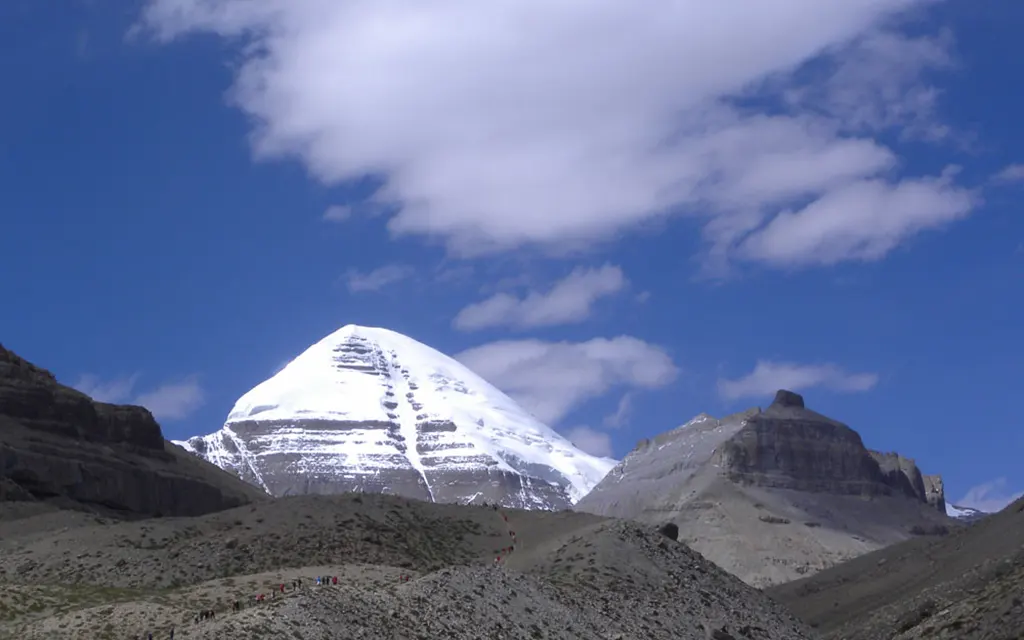

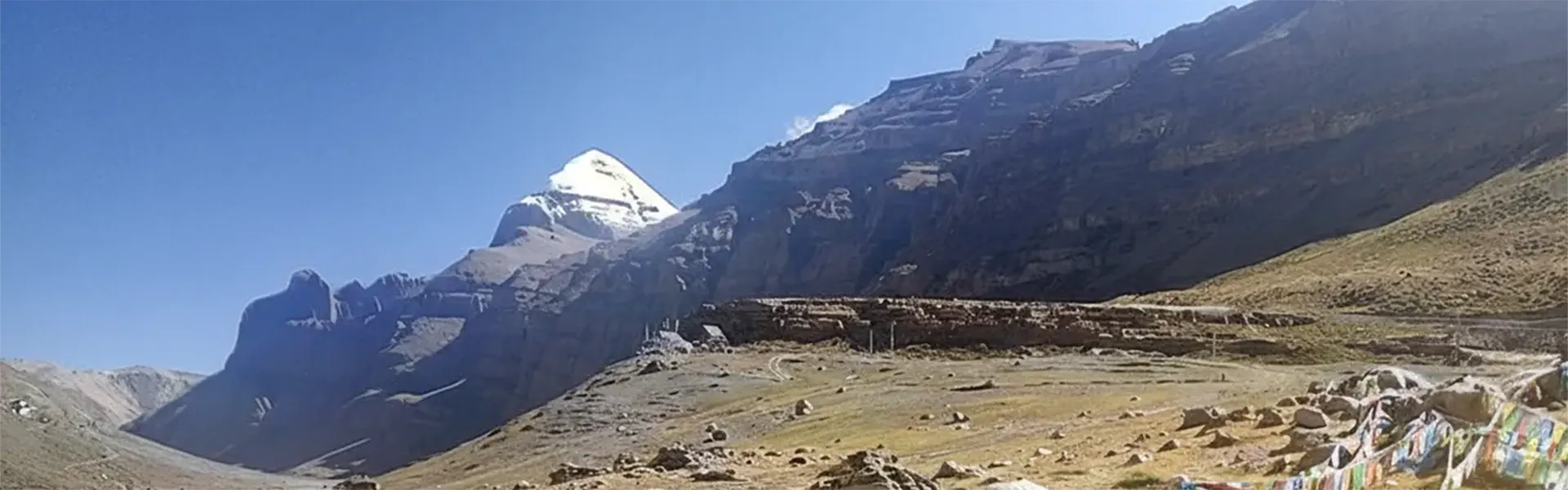

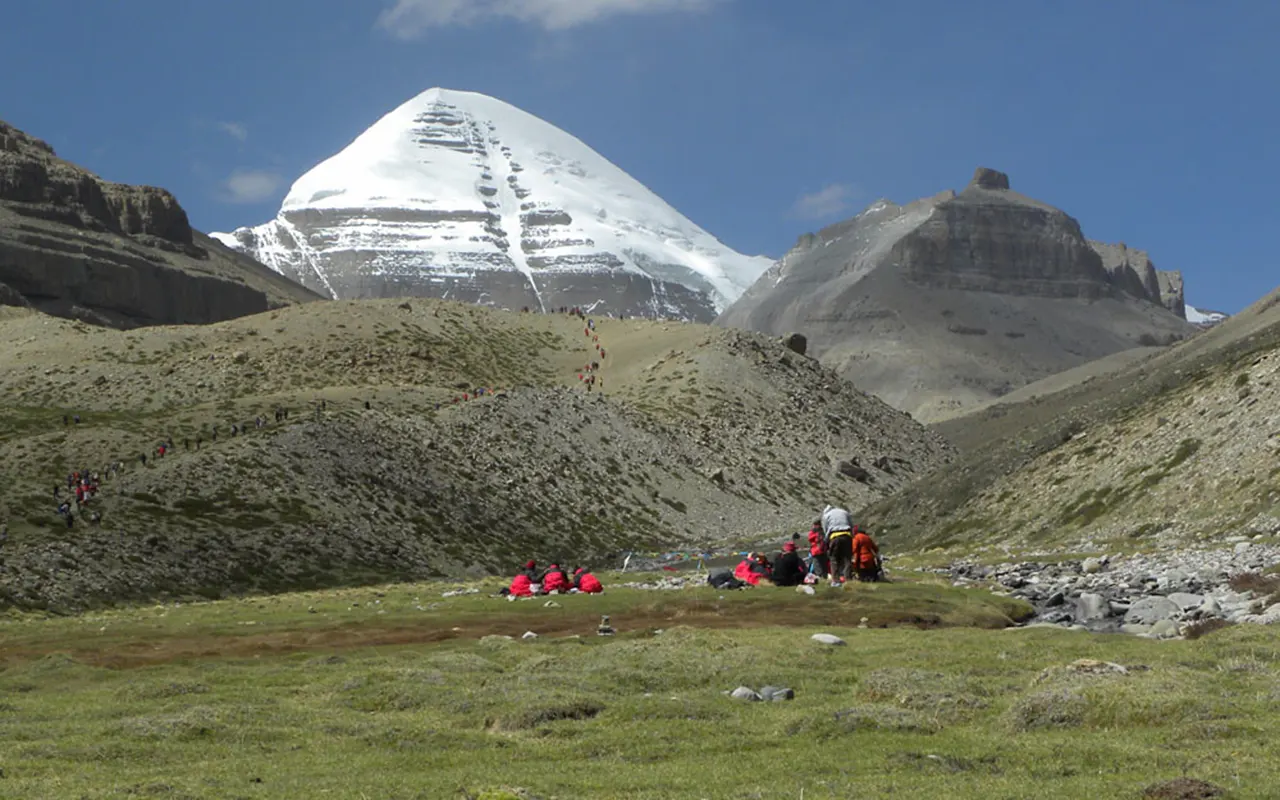
Trip Duration 12
Group Size 2-20 People
Maximum Altitude 5,630 m
Difficulty Grade Moderate
Start & End Point Kathmandu/Kathmandu
Best Seasons Feb-Mid Jun, Sept-Mid Dec
Trip Highlights of Kailash Mansarovar Yatra via Nepalgunj, Simikot and Hilsa
- Fly from Kathmandu to Nepalgunj and continue to Simikot
- Acclimatize in Simikot before the mountain road journey
- Travel by jeep from Simikot to Hilsa and continue to Taklakot
- Visit sacred Lake Manasarovar
- Begin the Kailash Parikrama from Yam Dwar and trek to Dirapuk
- Cross Dolma La Pass and continue to Zuthulpuk
- Complete the Parikrama, return through Taklakot and Hilsa, and fly back to Kathmandu
Overview of Kailash Mansarovar Yatra via Nepalgunj, Simikot and Hilsa
Kailash Mansarovar Yatra is a 12 day pilgrimage journey through Nepal and the Tibetan region, beginning and ending in Kathmandu. The route takes you from Kathmandu to Nepalgunj and then to Simikot before continuing by jeep toward Hilsa and Taklakot. After the border crossing, the journey moves toward Lake Manasarovar and Mount Kailash, where the main pilgrimage and Parikrama take place.
The first few days are important for getting used to the change in altitude. Kathmandu is relatively low, while Simikot sits at approximately (2,960 m / 9,711 ft). The altitude of Taklakot is more at (4,025 m / 13,205 ft), and hence the itinerary will have an acclimatization day at Taklakot, after which the trip proceeds to Lake Manasarovar.
Above the Himalaya takes care of the travel arrangements of the trip and offers services during the Nepal part. Our team will make the necessary arrangements to the planned flights, road transportation, accommodation, permits and border related arrangements based on the confirmed itinerary.
The 12 Days Kailash Mansarovar Yatra follows a carefully planned sequence. There is no need to rush through the early part of the trip. The time in Simikot and Taklakot gives travelers an opportunity to rest before entering the higher landscape around Mount Kailash.
From Taklakot, the journey continues toward Lake Manasarovar. The lake is situated at approximately (4,550 m / 14,928 ft), and the surroundings are noticeably different from the lower parts of Nepal. Cold temperatures, strong sunlight and thin air are common at this elevation.
The walking section begins at Yam Dwar. From there, the trail leads toward Dirapuk, followed by the most demanding day of the Parikrama. The route crosses Dolma La Pass at approximately (5,630 m / 18,471 ft), before descending toward Zuthulpuk.
This Kailash Mansarovar Yatra via Nepalgunj is suited to travelers who are prepared for long travel days, basic facilities in remote areas and several hours of walking at high altitude. The journey is not a technical climbing expedition, but the elevation makes physical preparation and sensible pacing important.
The itinerary provided for this package uses jeep transportation between Simikot and Hilsa. Road conditions can influence the actual travel time, so travelers should be prepared for some flexibility during the mountain road sections.
Route Overview
The Kailash Mansarovar Yatra follows a carefully planned route from Kathmandu through Nepalgunj, Simikot and Hilsa before entering Tibet and continuing toward Taklakot, Lake Manasarovar and Mount Kailash. The journey combines domestic flights, remote mountain road travel, border procedures and trekking at high altitude.
The first few days are focused on reaching the Tibetan side and allowing the body to adjust to increasing elevation. After the arrival to the Kailash area, the main pilgrimage part starts, and the Parikrama lasts three days. The most strenuous day of walking is the crossing of Dolma La Pass at about 5,630 m. After completing the Parikrama, we will return through Taklakot, Hilsa and Simikot before flying back to Kathmandu.
| Day | Route | Main Activity | Approximate Elevation |
| 1 | Kathmandu | Arrival and preparation | (1,400 m / 4,593 ft) |
| 2 | Kathmandu to Nepalgunj | Sightseeing and flight | (150 m / 492 ft) |
| 3 | Nepalgunj to Simikot | Flight and acclimatization | (2,960 m / 9,711 ft) |
| 4 | Simikot to Hilsa to Taklakot | Jeep journey and border crossing | (4,025 m / 13,205 ft) |
| 5 | Taklakot | Acclimatization | (4,025 m / 13,205 ft) |
| 6 | Taklakot to Lake Manasarovar | Jeep journey | (4,550 m / 14,928 ft) |
| 7 | Yam Dwar to Dirapuk | Parikrama trek | (4,900 m / 16,076 ft) |
| 8 | Dirapuk to Zuthulpuk | Trek via Dolma La Pass | (5,630 m / 18,471 ft) |
| 9 | Zuthulpuk to Darchen to Taklakot | Trek and jeep journey | (4,790 m / 15,715 ft) |
| 10 | Taklakot to Hilsa to Simikot | Jeep journey | (4,025 m / 13,205 ft) |
| 11 | Simikot to Nepalgunj to Kathmandu | Return flights | (1,400 m / 4,593 ft) |
| 12 | Kathmandu | Departure | (1,400 m / 4,593 ft) |
Trip Facts
| Trip Detail | Information |
| Trip Name | 12 Days Kailash Mansarovar Yatra via Nepalgunj, Simikot and Hilsa |
| Duration | 12 days |
| Starting Point | Kathmandu |
| Ending Point | Kathmandu |
| Main Route | Kathmandu, Nepalgunj, Simikot, Hilsa, Taklakot, Lake Manasarovar, Darchen and Kathmandu |
| Main Pilgrimage | Lake Manasarovar and Mount Kailash Parikrama |
| Highest Point | Dolma La Pass, approximately (5,630 m / 18,471 ft) |
| Main Trekking Days | 3 days |
| Main Transportation | Domestic flights and jeep |
| Difficulty | Challenging |
| Accommodation | Hotels, guesthouses and lodges according to the confirmed arrangement |
| Best Travel Period | Spring and autumn |
| Country Route | Nepal and Tibet |
| Starting Elevation | Kathmandu, (1,400 m / 4,593 ft) |
| Main High Altitude Area | Mount Kailash region |
Why Choose This Kailash Mansarovar Yatra?
Planning a pilgrimage at this altitude involves more than arranging flights and accommodation. The order of travel matters because the body needs time to adjust as the elevation increases.
This Kailash Mansarovar Yatra from Nepal gives travelers time in Simikot and Taklakot before reaching the higher pilgrimage area. Those two stops are useful for settling into the mountain environment rather than moving directly from the lowlands to the Tibetan Plateau.
The route also keeps the main walking portion together. Travelers do not need to walk the entire approach from the Nepal border. Jeep transportation is used for the road sections, while the traditional Parikrama is completed on foot.
Above the Himalaya also understands that this type of journey requires practical preparation. Before departure, travelers receive information about documents, clothing, personal medication, luggage and the conditions they can expect on the trail.
For many pilgrims, the significance of the journey is as important as the physical experience. Lake Manasarovar and Mount Kailash have long been important pilgrimage destinations, and travelers are expected to respect the religious practices and local regulations throughout the route.
What makes this itinerary practical?
- Kathmandu to Kathmandu travel plan
- Route through Nepalgunj, Simikot and Hilsa
- Acclimatization in Simikot
- A second acclimatization day in Taklakot
- Visit to Lake Manasarovar
- Three day Kailash Parikrama
- Crossing of Dolma La Pass
- Jeep travel on the approach and return sections
- Local assistance throughout the journey
- A fixed 12 day itinerary for travelers with limited time
Itinerary of Kailash Mansarovar Yatra via Nepalgunj, Simikot and Hilsa
DAY
01
01
Day 01: Arrival in Kathmandu
Your Kailash Mansarovar Yatra starts with your arrival in Kathmandu. A representative from Above the Himalaya will meet you at the airport and arrange the transfer to your hotel.
The first day is intentionally easy. You can settle into your room, rest after the flight and check that you have everything needed for the journey ahead. Kathmandu is also the right place to make any last minute purchases or organize personal items.
If your arrival time permits, our team can brief you about the upcoming route and travel arrangements. This is also a good time to check your passport and other required documents.
There is no demanding activity planned today. Getting a good night’s rest is more useful than trying to fit too much sightseeing into the first evening.
Car
30 minutes
Accommodation
Hotel
Altitude
(1,400 m / 4,593 ft)
DAY
02
02
Day 02: Kathmandu Sightseeing and Flight to Nepalgunj
There is time for selected Kathmandu sightseeing before the journey moves west. The sightseeing program depends on the flight schedule, so the visit is kept practical rather than filling the morning with several distant locations.
Kathmandu gives you a chance to experience some of the cultural background of Nepal before heading toward the mountain section of the Kailash Mansarovar Yatra via Nepalgunj.
Later, we will travel to the airport for the flight to Nepalgunj. The difference in climate is noticeable after landing. Nepalgunj lies in the southern plains and is considerably warmer than Kathmandu and Simikot.
After checking into the hotel, you can rest and prepare for the early flight to Simikot the following day. Keeping the evening relaxed is helpful because the next stage takes you into the mountain region.
Multiple
1 to 2 hours depending on the sightseeing schedule, 1 hour flight
Accommodation
Hotel
Meals
B,L,D
Trek Duration
2 to 3 hours during sightseeing
Altitude
(150 m / 492 ft)
DAY
03
03
Day 03: Flight from Nepalgunj to Simikot and Acclimatization
The flight from Nepalgunj to Simikot marks a clear change in the character of the journey. The aircraft climbs into the hills and reaches Simikot, where the elevation is approximately (2,960 m / 9,711 ft).
Rather than continuing immediately toward the border, the 12 Days Kailash Mansarovar Yatra includes time to acclimatize here. You can take a slow walk around the settlement if you feel comfortable, but there is no need for strenuous activity.
Pay attention to hydration and rest. The first signs of altitude adjustment can sometimes appear as a mild headache, tiredness or disturbed sleep.
The local surroundings also provide an introduction to the mountain landscape of Humla. Keep the afternoon free and let your body adjust naturally before the road journey toward Hilsa.
Flight
Approximately 1 hour
Accommodation
Guesthouse
Meals
B,L,D
Trek Duration
Approximately 2 to 3 hours of easy walking
Altitude
(2,960 m / 9,711 ft)
DAY
04
04
Day 04: Jeep Drive from Simikot to Hilsa, Border Crossing and Drive to Taklakot
Today involves a long road journey. We will leave Simikot by jeep and travel toward Hilsa. The road passes through a remote part of western Nepal, and conditions can be rough in sections.
The road journey is an important part of the Kailash Mansarovar Yatra from Nepal. Travel times should be regarded as approximate because road conditions, weather and local traffic can affect the journey.
At Hilsa, the required border formalities will be completed before the journey continues toward Taklakot. Keep your passport and travel documents accessible rather than packed away in your main luggage.
Taklakot is situated at approximately (4,025 m / 13,205 ft). That is a considerable increase from Simikot, which is why the next day is kept for acclimatization.
Once we reach the accommodation, rest is the priority. Avoid unnecessary walking in the evening.
Accommodation
Guesthouse
Meals
B,L,D
Altitude
(4,025 m / 13,205 ft)
DAY
05
05
Day 05: Acclimatization in Taklakot
Today is a quiet day in the Kailash Mansarovar Yatra schedule, but it has a practical purpose. Taklakot sits above 4,000 m / 13,123 ft, so spending another night here gives your body additional time to adjust.
If you are feeling well, a short and easy walk can be arranged. The idea is simply to keep the body moving while avoiding unnecessary exertion.
Drink regularly throughout the day and eat properly. Appetite can change at altitude, but skipping meals is not helpful when the following days involve higher elevations and long walks.
Let your guide know if you experience persistent headache, nausea, unusual weakness or breathing difficulty. These symptoms should not be ignored.
The second night in Taklakot is part of the acclimatization strategy before moving toward Lake Manasarovar.
Accommodation
Guesthouse
Meals
B,L,D
Trek Distance
3 to 5 km
Trek Duration
1 to 3 hours
Altitude
(4,025 m / 13,205 ft)
DAY
06
06
Day 06: Drive from Taklakot to Lake Manasarovar
After Breakfast, we will travel by jeep from Taklakot, crossing the high Tibetan landscape before reaching the lake area.
The elevation of Lake Manasarovar is about (4,550 m / 14,928 ft), and hence it is significantly high compared to Taklakot. Even the basic activities may be more exhausting here.
To pilgrims, the lake is another major destination. The place is very religious, and the visitors are supposed to act according to the local regulations and respect the environment.
It can be cold and windy, and the sun is strong in the daytime. Keep your warm layers, sunglasses and sun protection within easy reach.
After reaching the accommodation, the evening is kept simple. Rest well because the walking section begins the following day.
Bus
4 to 6 hours
Accommodation
Guesthouse
Meals
B,L,D
Altitude
4,550 m / 14,928 ft)
DAY
07
07
Day 07: Drive to Yam Dwar and Trek to Dirapuk
The walking part of the Kailash Mansarovar Yatra begins at Yam Dwar. We will take a short jeep transfer to the starting point and then continue on foot toward Dirapuk.
The trail gradually gains elevation, and the thin air becomes more noticeable as the day progresses. The distance is manageable for prepared travelers, but the altitude means that a steady pace is much more useful than speed.
There are open sections of trail where wind and sunlight can be strong. Drink water frequently and take short breaks when needed.
Dirapuk is approximately (4,900 m / 16,076 ft) above sea level. The settlement is close to the northern side of Mount Kailash, and the surrounding landscape gives travelers a different perspective of the mountain.
After reaching the lodge, the best plan is to eat, hydrate and rest. Tomorrow is the longest and highest walking day.
Jeep
Short jeep transfer to Yam Dwar
Accommodation
Guesthouse
Meals
B,L,D
Trek Distance
12 to 14 km
Trek Duration
5 to 7 hours
Altitude
(4,900 m / 16,076 ft)
DAY
08
08
Day 08: Trek from Dirapuk to Zuthulpuk via Dolma La Pass
Today is the most physically demanding day of the Kailash Mansarovar Yatra. The trail climbs from Dirapuk toward Dolma La Pass, reaching approximately (5,630 m / 18,471 ft).
The ascent is slow and can feel difficult because of the altitude. There are steeper sections, uneven ground and exposed areas. Walk at the pace set by the guide and take breaks rather than trying to maintain the pace you would use at lower elevations.
Once Dolma La is crossed, the trail descends toward the valley. The descent also requires care because loose stones and uneven ground can make walking tiring.
The path finally leads to Zuthulpuk. Its approximate distance is 20 to 22 km, which will depend on the particular route and local access arrangements.
This is a long day, so an early start and sensible pacing are important. Visiting Zuthulpuk is the achievement of the most difficult part of the Parikrama.
Accommodation
Guesthouse
Meals
B,L,D
Trek Distance
20 to 22 km
Trek Duration
8 to 10 hours
Altitude
(5,630 m / 18,471 ft)
DAY
09
09
Day 09: Trek to Darchen, Complete Kailash Parikrama and Drive to Taklakot
We will start our trek after breakfast. The path to Darchen is shorter and not as demanding as the previous day.
We will keep walking slowly and finish the Kailash Parikrama of Darchen. The walking distance may change with the assigned access point and the local arrangements.
Once the walking portion is complete, we will continue by jeep toward Taklakot. After several days at high altitude, returning to the accommodation provides a welcome opportunity to rest.
The evening can be spent quietly. A proper meal, enough water and good sleep are more useful than trying to add extra activities.
This day completes the central pilgrimage section of the itinerary before the return journey begins.
Bus
2 to 4 hours
Accommodation
Guesthouse
Trek Distance
8 to 10 km
Trek Duration
3 to 4 hours
Altitude
(4,790 m / 15,715 ft)
DAY
10
10
Day 10: Jeep Drive from Taklakot to Hilsa and Simikot
We begin our 12 Days Kailash Mansarovar Yatra return today. We will leave Taklakot by jeep and head towards Hilsa and then head towards Simikot.
The time required to conduct border formalities may vary and as such, the timeline must be flexible. Weather and road conditions may also influence the road trip on the Nepal side.
Once the border process is over, we move on to Simikot. The altitude slowly drops, thus, making it easier to go back after the upper parts of Mount Kailash.
The road itself can be tiring, particularly after the Parikrama, so use the journey to rest when possible. Keep essential documents and personal belongings close at hand.
We will stay overnight in Simikot and will have the return flight the next day.
Bus
5 to 7 hours
Accommodation
Guesthouse
Meals
B,L,D
Altitude
(4,025 m / 13,205 ft)
DAY
11
11
Day 11: Flight from Simikot to Nepalgunj and Kathmandu
The last tour phase of Kailash Mansarovar Yatra through Nepalgunj starts with the flight of Simikot to Nepalgunj.
On arrival at Nepalgunj we will transfer to the Kathmandu flight. The weather can affect flight operations in the mountain region and the time may not necessarily be at the same time it was initially planned.
In the case, that the flight schedule will impose over-night stay, our staff will organize transfer to the hotel. The evening is free for rest or a quiet meal. You can also spend the time packing your luggage ahead of your international departure the following day.
Flight
1 hour
Accommodation
Hotel
Meals
B,L,D
Altitude
(2,960 m / 9,711 ft)
DAY
12
12
Day 12: Departure from Kathmandu
Your Kailash Mansarovar Yatra ends in Kathmandu today.
Our representative will arrange the airport transfer according to your international flight schedule. Before leaving the hotel, check your room carefully for passports, electronic devices and other personal belongings.
We hope the journey has been meaningful and that you return home with good memories of the pilgrimage.
Car
30 minutes
Meals
B
Altitude
(1,400 m / 4,593 ft)
Trip Extension
Suppose you have more time in Nepal after this trip. In that case, we can help you to extend your trip by running different treks in Nepal, tours in Bhutan and Tibet, Jungle safari tours at Chitwan, Bardia, and other National parks, Nepal luxury hotel booking, Rafting, Ultra-light flights, or any other travel-related services. You can get more information here.
Includes/Excludes
What's Included?
- Airport arrival and departure transfers by private vehicle.
- Domestic flight from Kathmandu to Nepalgunj.
- Domestic flight from Nepalgunj to Simikot.
- Jeep transportation according to the confirmed itinerary.
- Transportation between the stated destinations according to the itinerary.
- Accommodation as specified in the confirmed package.
- Required Nepal and Tibet permits and travel documentation
- Border related coordination as applicable.
- Guide and local support according to the confirmed arrangement.
- Meals as specified in the confirmed package.
- Necessary local transportation during the journey.
- Kathmandu accommodation where specifically included in the final quotation.
What's Excluded?
- International airfare to and from Nepal.
- Nepal entry visa fee.
- Personal travel insurance.
- Medical expenses.
- Emergency evacuation unless specifically stated in the quotation.
- Personal medication.
- Personal snacks and additional drinks.
Alcoholic beverages. - Laundry expenses.
- Personal communication expenses.
- Tips for guides, drivers and support staff.
- Extra accommodation caused by delays outside the planned itinerary.
- Additional transportation caused by road closure, weather or other unforeseen circumstances.
- Any service not specifically listed under Cost Includes.
Route Map & Altitude Chart
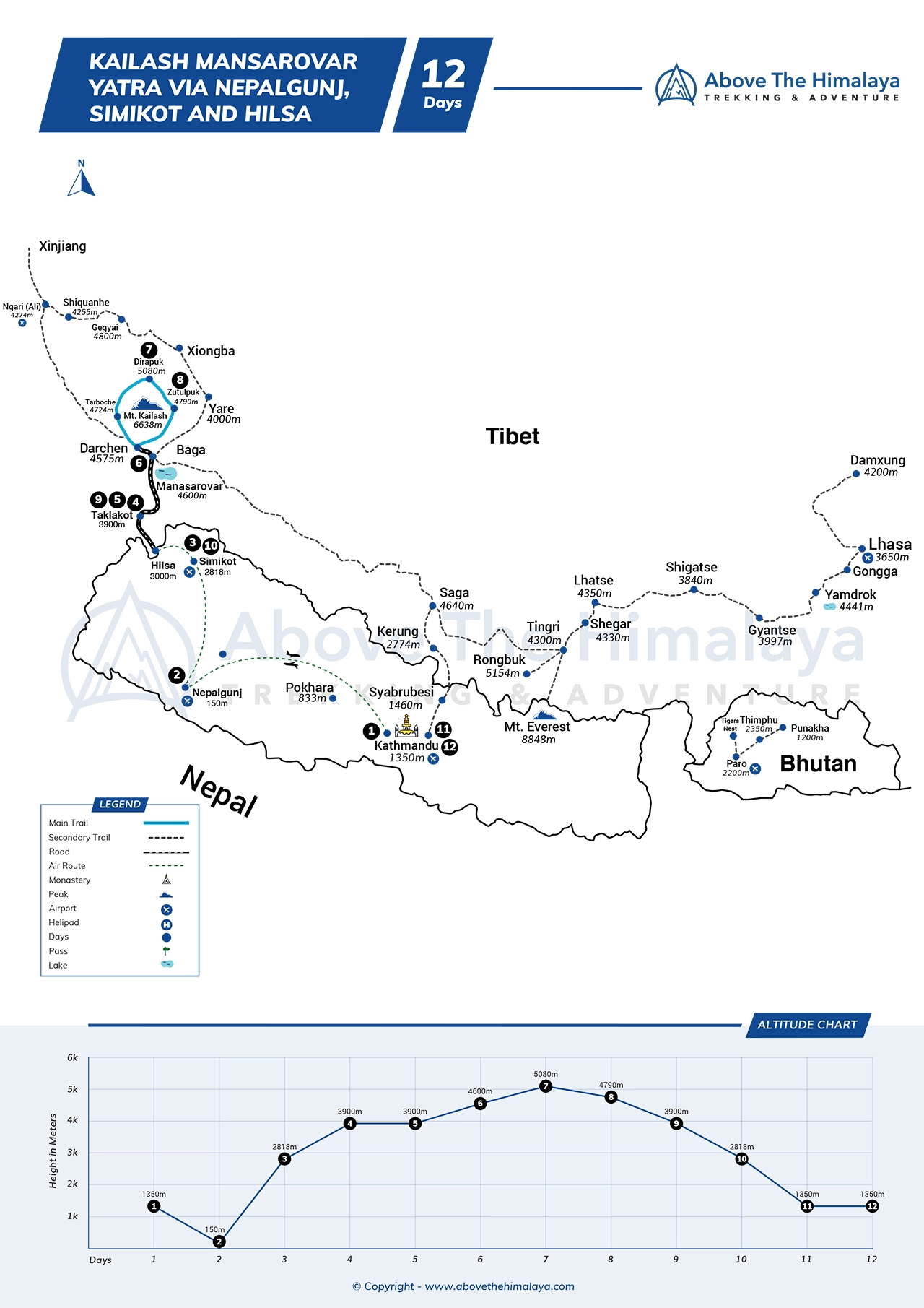
Kailash Mansarovar Yatra Difficulty
The Kailash Mansarovar Yatra is physically demanding mainly because of altitude. It does not involve technical climbing, ropes or mountaineering skills, but travelers need to be prepared for long days in an environment where the air contains considerably less oxygen.
The most difficult day is the walk from Dirapuk to Zuthulpuk through Dolma La Pass. The trail reaches approximately (5,630 m / 18,471 ft), and the walking distance can reach around 20 to 22 km.
Road travel also forms a significant part of the experience. The journey between Simikot and Hilsa is through a remote mountain area, so comfort and travel speed are different from ordinary road journeys.
Good preparation, patience and a willingness to follow the guide’s pace are more useful than trying to walk quickly.
Who Is Suitable for This Journey?
The Kailash Mansarovar Yatra from Nepal is suitable for travelers who can manage several hours of walking at high altitude and are comfortable with simple accommodation and long road journeys.
You do not need to be an athlete. However, regular walking before departure is recommended. Previous experience at altitude is helpful, although even experienced mountain travelers need to acclimatize properly.
People with existing medical conditions should discuss their travel plans with a qualified medical professional before booking. This is especially important when the condition could be affected by low oxygen levels or strenuous activity.
Travelers should also understand that conditions can be basic in remote areas. Flexibility is part of the journey.
Altitude and Acclimatization
Altitude deserves serious attention during the Kailash Mansarovar Yatra. The itinerary moves from Kathmandu to Nepalgunj, then to Simikot, Taklakot and finally the much higher area around Lake Manasarovar and Mount Kailash.
The stay in Simikot provides an initial adjustment period. Another full day in Taklakot is included before moving higher.
There is no guaranteed way to prevent altitude sickness. What helps is gradual acclimatization, adequate rest, hydration, sensible pacing and early reporting of symptoms.
A mild headache or tiredness can occur during acclimatization. Persistent or worsening symptoms should be reported to the guide immediately. Severe symptoms require appropriate medical attention and may require a change to the travel plan.
Do not treat the ability to continue walking as proof that your body is fully acclimatized.
Elevation Profile
| Location | Approximate Elevation |
| Kathmandu | (1,400 m / 4,593 ft) |
| Nepalgunj | (150 m / 492 ft) |
| Simikot | (2,960 m / 9,711 ft) |
| Taklakot | (4,025 m / 13,205 ft) |
| Lake Manasarovar | (4,550 m / 14,928 ft) |
| Dirapuk | (4,900 m / 16,076 ft) |
| Dolma La Pass | (5,630 m / 18,471 ft) |
| Zuthulpuk | (4,790 m / 15,715 ft) |
Best Time for Kailash Mansarovar Yatra
| Season | General Conditions | Suitability |
| Spring | Cool mornings, improving weather and cold nights | Good |
| Summer and Monsoon | Rain can affect western Nepal roads, while Tibetan conditions vary | Requires careful planning |
| Autumn | Generally stable mountain weather and clear conditions | Very suitable |
| Winter | Very cold conditions and difficult mountain travel | Generally unsuitable |
Spring
Spring can be a good period for the Kailash Mansarovar Yatra. Temperatures remain cold at higher elevations, particularly early in the morning and after sunset, so proper warm clothing is still necessary.
Road conditions in western Nepal should be checked before departure because lower elevation weather can affect the approach route.
Summer and Monsoon
The summer months overlap with the monsoon season in Nepal. Rain can affect the roads around the Humla region and may result in slower travel.
The Tibetan Plateau has a different weather pattern, but conditions around Mount Kailash can still change quickly. Travelers choosing these months should allow some flexibility.
Autumn
Autumn is generally a preferred season for the 12 Days Kailash Mansarovar Yatra. Weather is often more settled, and visibility can be good.
September and October are commonly selected for pilgrimage travel, although conditions vary from year to year. Final travel dates should always be checked against current road, border and permit conditions.
Winter
Winter is not normally suitable for this itinerary. Snow, very low temperatures and difficult road conditions can affect access through the western Nepal mountain route.
Permits and Entry Requirements
The Kailash Mansarovar Yatra via Nepalgunj requires permits for the restricted areas of Nepal and the Tibet section. Above the Himalaya will coordinate the necessary arrangements with the authorized agencies and local operators.
| Permit / Document | Requirement |
| Passport | Valid passport required throughout the journey |
| Nepal Restricted Area Permit | Required for the Humla region and arranged through an authorized agency |
| Tibet Travel Permits | Required for entry and travel in the Tibet region |
| Border Documentation | Required for the Hilsa to Tibet border crossing |
| Travel Insurance | Strongly recommended, including high altitude and emergency evacuation coverage |
Travelers must provide accurate passport details and other required documents within the requested timeframe. Permit requirements, fees and border procedures may change according to current regulations and will be confirmed before departure.
Accommodation
Accommodation changes as the Kailash Mansarovar Yatra moves farther into remote areas.
Kathmandu and Nepalgunj generally have standard hotels. Simikot has simpler guesthouse accommodation. Taklakot has more established lodging, and accommodation around Lake Manasarovar and the Parikrama route is basic.
You should not expect private bathrooms, hot showers and uninterrupted electricity at every stop. Facilities can also vary based on local availability and the number of pilgrims traveling at the same timeThe priority during the pilgrimage is a clean and practical place to sleep rather than hotel style facilities.
Above the Himalaya will arrange accommodation according to the confirmed package and availability along the route.
Food and Drinking Water
Food during the Kailash Mansarovar Yatra is generally simple and filling. Depending on the location, meals may include rice, vegetables, noodles, soup, bread, potatoes and other locally available dishes.
Your appetite may change at high altitude. Even when you do not feel particularly hungry, regular meals are useful because the walking days require energy.
Carry a few personal snacks for the Parikrama. Dry fruit, biscuits, chocolate and energy bars are easy to pack and can be useful during longer walking sections.
Drink safe water throughout the trip. Bottled or properly treated water should be used, and water purification tablets can provide an additional option.
Transportation
Transportation is a major part of the Kailash Mansarovar Yatra from Nepal.
The journey starts with a domestic flight from Kathmandu to Nepalgunj. The next flight connects Nepalgunj with Simikot. From Simikot, the confirmed itinerary uses jeep transportation toward Hilsa.
After the border crossing, the journey continues by road toward Taklakot and later toward Lake Manasarovar and Darchen. The return follows the road back to Hilsa and Simikot before the flight to Nepalgunj and Kathmandu.
Mountain roads do not operate like highways in the cities. Travel times can increase because of road conditions, weather, traffic, border procedures or temporary restrictions.
Trek Preparation and Fitness
Preparation for the Kailash Mansarovar Yatra should begin well before departure.
Regular walking is a useful starting point. Increase the duration gradually and include some longer walks on uneven terrain if possible.
Stair climbing, moderate cycling and other cardiovascular activities can help build endurance. Basic leg and core exercises are also useful because the Parikrama involves repeated climbing and descending.
Do not wait until the final weeks to start training. A gradual routine is easier on the body and gives you time to identify problems with footwear or your daypack.
You should also practice walking with the shoes and socks you plan to use during the pilgrimage. New footwear should not be worn for the first time on the Parikrama.
Packing List
Documents
- Passport
- Required permits and travel documents
- Travel insurance documents
- Passport photographs if requested
- Emergency contact information
- Copies of important documents
Clothing
- Thermal inner layers
- Warm fleece or mid layers
- Insulated jacket
- Waterproof jacket
- Warm trousers
- Comfortable walking trousers
- Wool socks
- Warm gloves
- Warm hat
- Sun hat
- Neck covering
Footwear
- Comfortable trekking boots
- Spare socks
- Lightweight footwear for accommodation
Personal Items
- Sunglasses
- Sunscreen
- Lip balm
- Reusable water bottle
- Headlamp
- Small daypack
- Personal toiletries
- Personal medication
- Basic first aid supplies
- Hand sanitizer
High Altitude Items
- Water purification tablets
- Electrolyte packets
- Energy snacks
- Walking poles
- Power bank
- Personal pulse oximeter if preferred
Avoid overpacking. Carry the items you genuinely need and keep important documents and medication accessible.
Communication, Internet and Charging
Communication becomes less reliable as the Kailash Mansarovar Yatra moves away from Kathmandu and the larger towns.
Kathmandu and Nepalgunj have relatively good communication services. Simikot has more limited facilities, while the remote sections of the journey can have little or no reliable connectivity.
Internet access should not be treated as guaranteed during the pilgrimage. Some accommodation may provide limited access, but service can be slow or unavailable.
Bring a fully charged power bank. The availability of charging opportunities may be restricted, particularly in rural accommodation.
To conserve battery, it is a good idea to leave your phone in the power saving mode when you are not in a location with a charging point.
Travel Insurance and Emergency Evacuation
The Kailash Mansarovar Yatra highly requires travel insurance. Before purchasing a policy, read the altitude limitations carefully.
There are policies with a limit to the highest allowable altitude of medical treatment or evacuation and the coverage might not be applicable in case the traveller has not met certain conditions.
In case there is emergency evacuation, ensure maximum elevation covered and whether evacuation by road, aircraft or any other means are covered.
Keep the insurance company’s emergency contact information accessible. A digital copy is useful, but carrying a printed copy is also sensible in remote areas.
Insurance does not replace preparation. Travelers should still report health problems early and follow the instructions of the guide and local support team.
Guide and Porter Support
The guide is an important part of the 12 Days Kailash Mansarovar Yatra, particularly during the high altitude walking days.
A guide helps coordinate the daily schedule, explains local procedures and keeps the group moving at a sensible pace. During the Parikrama, the guide also monitors the group and can respond when a traveler is struggling.
Porter and luggage arrangements depend on the confirmed package and local conditions. Travelers should confirm the luggage allowance before departure.
Above the Himalaya will coordinate the Nepal side of the journey and work with the relevant local support teams for the Tibet section.
Safety and Responsible Travel
Safety becomes particularly important during the Kailash Mansarovar Yatra because the route reaches more than 5,000 m / 16,404 ft.
Stay with the group during the Parikrama and follow the guide’s instructions. Do not take unnecessary shortcuts or separate yourself from the designated route.
Tell the guide if you develop a persistent headache, vomiting, severe weakness, confusion, unusual breathlessness or difficulty walking.
Protect yourself from the sun. At high elevation, sunlight can feel much stronger than expected, particularly when reflected from open ground or snow.
Responsible travel also matters. Dispose waste when possible in the best way, do not harm natural environment and do not violate religious sites.
Local Culture and Customs
The Kailash Mansarovar yatra traverses localities of strong religious significance to various traditions.
Tourists must behave in a respectable way around monasteries, places of prayer, holy lakes, and other worshiping sites. Follow local instructions regarding photography and movement.
Dress appropriately when visiting religious places. Seek permission to take photographs of local individuals, rituals or sensitive places. Do not remove stones, prayer objects or other materials from religious sites.
It also needs patience. Checks at the border, accommodations, and local practices might be more time-consuming than anticipated. Respecting the people who live and work along the route makes the journey easier for everyone.
Kailash Mansarovar Yatra Compared With a Regular Tibet Tour
The Kailash Mansarovar Yatra from Nepal is designed around pilgrimage rather than general sightseeing.
A regular Tibet tour may focus on monasteries, towns, landscapes and cultural attractions. This itinerary has a different priority. Lake Manasarovar and the Kailash Parikrama are at the centre of the journey.
The physical requirements are also different. The Parikrama involves long walking days at elevations above 4,000 m / 13,123 ft, with the route reaching approximately (5,630 m / 18,471 ft) at Dolma La.
Travelers choosing this journey should therefore prepare for both the spiritual purpose and the physical conditions.
| Feature | Kailash Mansarovar Yatra | Regular Tibet Tour |
| Main Purpose | Pilgrimage to Lake Manasarovar and Mount Kailash | Cultural sightseeing and exploration |
| Main Activities | Kailash Parikrama, pilgrimage and high altitude travel | Monastery visits, sightseeing and cultural visits |
| Physical Demand | Challenging due to high altitude and long walking days | Usually easier, depending on the itinerary |
| Highest Elevation | Approximately 5,630 m / 18,471 ft at Dolma La Pass | Depends on the selected tour |
| Walking | Several long walking days during the Parikrama | Usually limited walking |
| Acclimatization | An important part of the itinerary | Depends on the tour |
| Travel Style | Pilgrimage focused | Sightseeing focused |
Kailash Mansarovar Yatra via Nepalgunj Compared With Other Routes
The Kailash Mansarovar Yatra via Nepalgunj follows the western Nepal approach through Simikot and Hilsa.
This route is particularly different from itineraries that enter Tibet through another border point. It involves domestic flights into western Nepal followed by a mountain road journey and border crossing.
The route selected for this package is based on the confirmed itinerary supplied for the trip. Travelers should not assume that transportation arrangements from another Kailash package apply to this journey.
Road access, border regulations and permits can change, so the exact operational details should always be confirmed before departure.
Booking and Customization
Booking the Kailash Mansarovar Yatra requires advance planning because several parts of the journey depend on permits, flights, road transportation, accommodation and border arrangements.
Above the Himalaya will provide the necessary information before confirmation. Travelers should submit their passport details correctly and within the requested timeframe.
Before making the final payment, review the quotation carefully. Check the departure date, accommodation, meals, transportation, permits and other services so there is no confusion later.
The 12 Days Kailash Mansarovar Yatra is suitable for travelers who want to complete the pilgrimage within a relatively compact schedule. At the same time, the journey requires flexibility because mountain flights, roads and border procedures can be affected by conditions outside the control of the travel company.
Our team will remain in contact throughout the trip and coordinate the planned services as the journey progresses.
For travelers preparing for the Kailash Mansarovar Yatra from Nepal, early preparation is worthwhile. Arrange your passport, insurance, fitness routine, clothing and personal medication well before departure.
The Kailash Mansarovar Yatra via Nepalgunj is not simply a sequence of destinations. It is a demanding journey that combines long road travel, international border procedures, acclimatization and high altitude walking. With sensible preparation and realistic expectations, travelers can approach the pilgrimage with greater confidence and spend their time focusing on the purpose of the journey.
Most Asked Questions by Travellers
This itinerary is a 12 day Kailash Mansarovar Yatra beginning and ending in Kathmandu. It includes the Nepalgunj, Simikot and Hilsa route, Lake Manasarovar and the Kailash Parikrama.
The Kailash Mansarovar Yatra via Nepalgunj follows Kathmandu, Nepalgunj, Simikot, Hilsa, Taklakot, Lake Manasarovar, Yam Dwar, Dirapuk, Dolma La, Zuthulpuk, Darchen, Taklakot, Hilsa, Simikot, Nepalgunj and Kathmandu.
The highest point is Dolma La Pass at approximately (5,630 m / 18,471 ft).
The journey is challenging because of the altitude, cold conditions and long walking days. The Parikrama does not require technical climbing skills.
The walking section begins at Yam Dwar and continues toward Dirapuk. The route then crosses Dolma La and continues toward Zuthulpuk before finishing near Darchen.
The itinerary allocates approximately three days for the Kailash Parikrama.
Yes. The itinerary includes acclimatization in Simikot and another acclimatization day in Taklakot.
Dolma La Pass is approximately (5,630 m / 18,471 ft), making it the highest point of the Parikrama.
The Kailash Mansarovar Yatra from Nepal uses domestic flights between Kathmandu, Nepalgunj and Simikot, followed by jeep transportation according to the confirmed itinerary.
No. This package follows the confirmed client itinerary using domestic flights and jeep transportation. Helicopter transportation is not included in the itinerary or the standard Cost Includes section.
Previous trekking experience is useful but not essential. More important is being physically prepared for several hours of walking at high altitude.
Inform your guide immediately. Do not try to carry on without reporting severe or progressive symptoms.
There can be some options, like to spend more days in Kathmandu before or after the trip. Nevertheless, the overall pilgrimage timetable is contingent upon permits, border operations and transportation.
Reviews on Kailash Mansarovar Yatra via Nepalgunj, Simikot and Hilsa
Be first to post a review in this trip.
Posted on Tripadvisor
 H H9 December 2025
Verified
Thank you for the best tour we have ever had! I planned to stay at the Everest View Hotel this time and travel there because I wanted to see Everest, the highest mountain in the world, slowly, but despite the short schedule due to my children's school, all I got was a response that it was difficult to contact several tour companies. The Himaraya Trekking, Above, has worked out a smooth and safe schedule and had the best experience for me and my family. I will never forget the view of Mount Everest. Thank you very much.Posted on Tripadvisor Mike F26 November 2025Another Amazing Trip with Above the Himalaya This is my 3rd trip with Above the Himalaya and Puru. Each trip with Puru has exceeded expectation with the quality of the guides, porters and attention to detail. We were a team of 5 trekker and our ages were all above 67 years of age with the oldest being 73. We are all experienced hikers and trekker and our plan was to trek up the Khumbu Valley to the Cho La pass to Gokyo to the Renjo La pass to return to Lukla. However, the weather altered our plans as Cyclone Montha blanketed the country in rain at lower elevations and significant snowfall at the upper elevations. Due to the weather, no one was trekking and everyone was staying put in their current location during the storm. All the passes were closed due to the deep snow. We were in Namche when the storm was blanketing the country.This is where Above the Himalaya really shines is in the ability to adapt to the changing conditions and our safety. In conversation with our lead guide, we decided to alter our route to trek through the Gokyo valley to reach Gokyo and then do the Renjo La pass. Sitaram our lead guide and Dhurba our assistant guide was both attentive to the changing conditions and always kept a keen eye for how we were doing and feeling on the trek. The pacing was excellent as none of us had any hint of altitude sickness as we reached a maximum elevation of 5,365m.Having trekked and hiked all over the world with different tour companies, Puru’s company is simply the best. The communications, focus on safety, the guides and staff, the accommodations, and the food are all amazing. All you have to do is focus on the beauty of the mountains, enjoy the joyfulness of the Nepali people and have fun exploring the trails. I am planning my next trip with Puru for 2027 as there is no other trekking company to match Puru’s level of service.Posted on Tripadvisor
 Mie K. A.25 November 2025Take a small step into the Himalayas I went with Above The Himalaya Trekking’s Everest View Hike in November 2025 and can only recommend with my whole heart!I had never visited Nepal or the Himalayas before and had a life long dream of seeing Mt Everest. I had though, hiked a lot in various parts of the world, but never above 2000 m, so I went with the five day Everest View Trek to take a small step and see how I would handle the altitude. From first enquiry about dates and various questions, to my arrival back from the trip, Puru has been an invaluable help, always standby on mail and WhatsApp, pulling strings and making things happen.Also big shout out to the amazing guide I was teamed with, Kamal, who did everything he could to answer all my curious questions about vegetation, animal life, Nepalese culture and everything in-between :) Kamal was the perfect gentleman, offering little treats and reminding me to take breaks, and all in all I felt very safe and in good hands all the time. He also had good banter and jokes, which lifted the spirit of even the hardest climb.It was cold most nights and mornings and even though the tea houses provided heavy blankets (and I could borrow extra) I was glad I had the sleeping bag with me, which I rented through Puru. But I could definitely have survived without and saved the space in my pack.In total, I’m very pleased I’ve got to experience this lovely country with Above the Himalaya Trekking and if I ever come back for the big leap into the mountains, I’ll chose Kamal and Puru all over again :)Posted on Tripadvisor
 nameless25 November 2025Nepal trek-Gokyo Second trek with Above the Himalaya, this time to Gokyo and over Renjo La. Our lead and assistant guides (Sitaram and Dhurba) were excellent. Due to several days of rain at lower elevations and snow higher we needed to change our plans while in the midst of our trek. Above the Himalaya accomplished this smoothly and flawlessly, which ultimately resulted in a better experience. We’ll be back!Posted on Tripadvisor
 Yu S22 November 2025Great Experience and Friendly people. We had a great time with Above the Himalayas tour company in Oct. Ajay, the tour guide in Kathmandu is very friendly and knowledgeable. He took us to a lot of places that we can experience local authentic daily life. Puru, the owner, arranged and organized our trip in such way that we really feel comfortable and enjoyable. We are specially impressed by his quick action and management skills. Our flight to Pokhara got cancelled due to bed weather. Within minutes, Puru was able to arrange a car and a driver to drive us to Pokhara! It saved out trip.Posted on Tripadvisor
 Sally M14 November 2025Glorious trekking experience - ABC We had the most wonderful experience doing the Annapurna Base Camp trek with our fabulous guide, Tanka, and porter, Ravi. The trek was glorious, despite some rainy days, and although we weren't sure we would get to see the peaks at ABC, the weather cleared just in time and we had an amazing sunrise there. What made the whole trip so special, though, were Tanka and Ravi, who remained cheerful at all times and went out of their way to make everything as good as it could be. This included setting a pace with regular breaks which made the walking completely manageable, modifying the itinerary so we could visit additional villages, getting up in the middle of the night to see if the sky would be clear for sunrise, and bringing a sense of ease and humour to all our interactions. We just loved the whole thing and are keen to return to Nepal for another trek. It was magical!Posted on Tripadvisor
 Peter E27 October 2025Above the Himalayas goes above and beyond expectations! From start to finish everything was perfect! Puru, the managing director, was always quick with his responses to my questions when I first contacted him about planning our trek, and he continued to check to see that everything was going well throughout.Our guide Tanka and porter Ravi were fantastic! Their friendly demeanor kept our experience lively and interesting the entire time and made sure that we were well taken care of. Even small details like Ravi coming in and double checking our rooms to see that we had left nothing behind before leaving each morning, and seeing that meals were prepared the way we liked them weren't overlooked. Tanka was also quite knowledgeable about the mountains, the people, and just about everything "Nepal". He enthusiastically shared stories about his family and Nepalese life in a general way.Although there was a clear itinerary each day, and for the whole trek, Tanka allowed for flexibility in terms of time and where to stay. He was even willing and able to make changes to same-day accommodation based on how far we anticipated hiking that morning. I can't say enough about how much we enjoyed our hike and I would definitely recommend Above the Himalayas for anyone considering a trek.Posted on Tripadvisor
 Akane U25 October 2025Amazing tour For me and my son, Pru thought of a four-day trekking tour.His interaction was very smooth.On the first day, I went with my son to Gandrouk, and on the second day, he went to a higher place (mulde view point, Poon hill) with his guide Ashok. Ashok was very kind and took me to various local places. The food was also very good.My guide, Tangka, was very kind and helped me a lot.I recommend this travel agency because it's great.Posted on Tripadvisor
 Daniel F24 October 2025Everest Base Camp Trek My friends and I just completed the EBC trek. From the time I met Puru at the Canada Place trade show in Vancouver BC, Canada I felt comfortable going to Nepal. His communications via WhatsApp were seamless answering all our questions. Everything went exactly according to plan. Our guide Suresh was amazing. He took very good care of us the whole time. From guiding us to making sure we had everything we needed to be happy. The food the whole way up and back was amazing! 5 ⭐️. Our 2 porters were great as well. I have a whole new respect and appreciation for what they do. They are the true hero’s to what we can do as a team. We chose the basic trek the lodging was to be expected. If I was to do again I would choose the luxury trek. The hotels in Kathmandu at the Hotel Aloft and the Hotel Lo Mustang were top notch as well as the buffets. Highly recommend this local company!Posted on Tripadvisor
 adrienne h24 October 2025Great tour, would recommend! My friend and I completed the 10 day Annapurna circuit with Above Trekking Himalaya. Buddha our porter was a little mountain goat, pocket rocket. When I got altitude sickness he carried my bag, as well as mine and my friend’s big pack. He was friendly and loved to played cards with us, always with a cheeky smile on his face. Sitaram our guide was very knowledgeable of the area and quite serious. He was always available if we had any questions and went above and beyond to try get us the best/quietest rooms in the tea houses. Puru was fabulous working behind the scenes to ensure our trip was as smooth as possible. He was very quick to respond to any messages. It was a great experience to see Nepal with some locals and I certainly appreciated their support when I succumbed to altitude sickness. They stayed close to us the whole time and checked in frequently making us feeling safe and supported the entire time.Verified by TrustindexTrustindex verified badge is the Universal Symbol of Trust. Only the greatest companies can get the verified badge who has a review score above 4.5, based on customer reviews over the past 12 months. Read more
Best Price Guaranteed, Easy to change Date, Instant Confirmation
Book This TripBook with Confidence
- Flexible bookings and easy trip date changes
- Personalized service and customized group sizes
- Safe travels with owner-operated services and highly experienced guides
- Best price guarantee for the most value for your money
- Secure & easy online booking
Your Trek Leader
 Enjoy Himalayan scenery with the help of Nepal’s best guides with Government license holders and got training in first-aid, our Trip Leaders, know where you’ll find the best photos, most fascinating wildlife, and the best stream crossings.
Have Questions?Talk to Expert
Meet Mr. Purushotam Timalsena (Puru), Nepal's best trek and tour organizer, who has been working in the Himalayas for more than 24 years.
WhatsApp/Viber +977 98510 95 800



Trips for All

Private Trip
Peaceful tour with your travel buddy and guide
Small Group Travel
Travel with people having similar adventure dreams
Trips for Kids
Calling all young adventurers - join us for a journey of a lifetime!
Trips for Adventurers
Climbing & mountaineering adventures for thrill-seekers