Customize Your Trip
 Need Help? Let's Talk
+977 985-1095800Pikey Peak 5 Day Trek



Trip Highlights of Pikey Peak 5 Day Trek
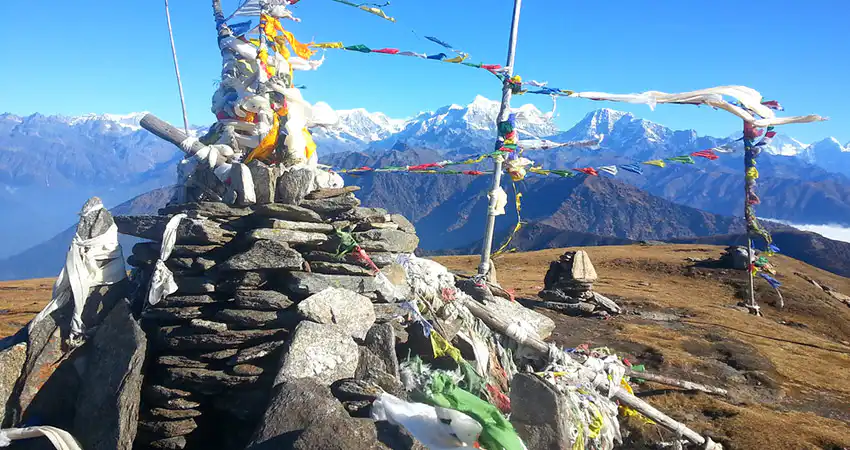
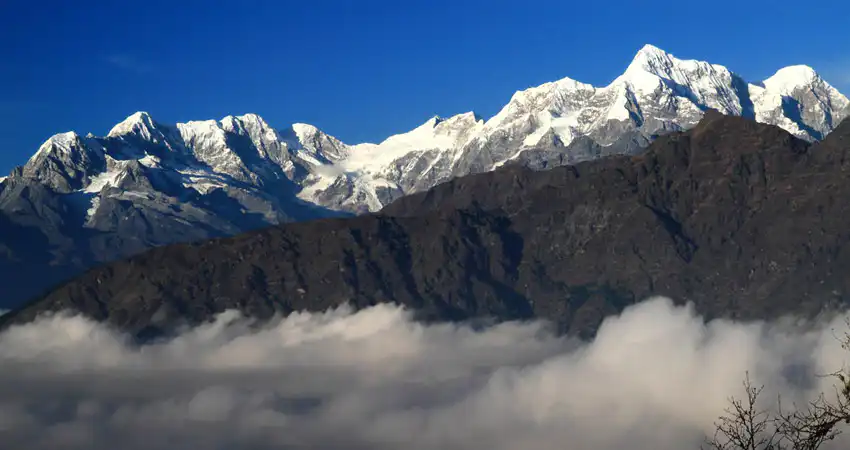
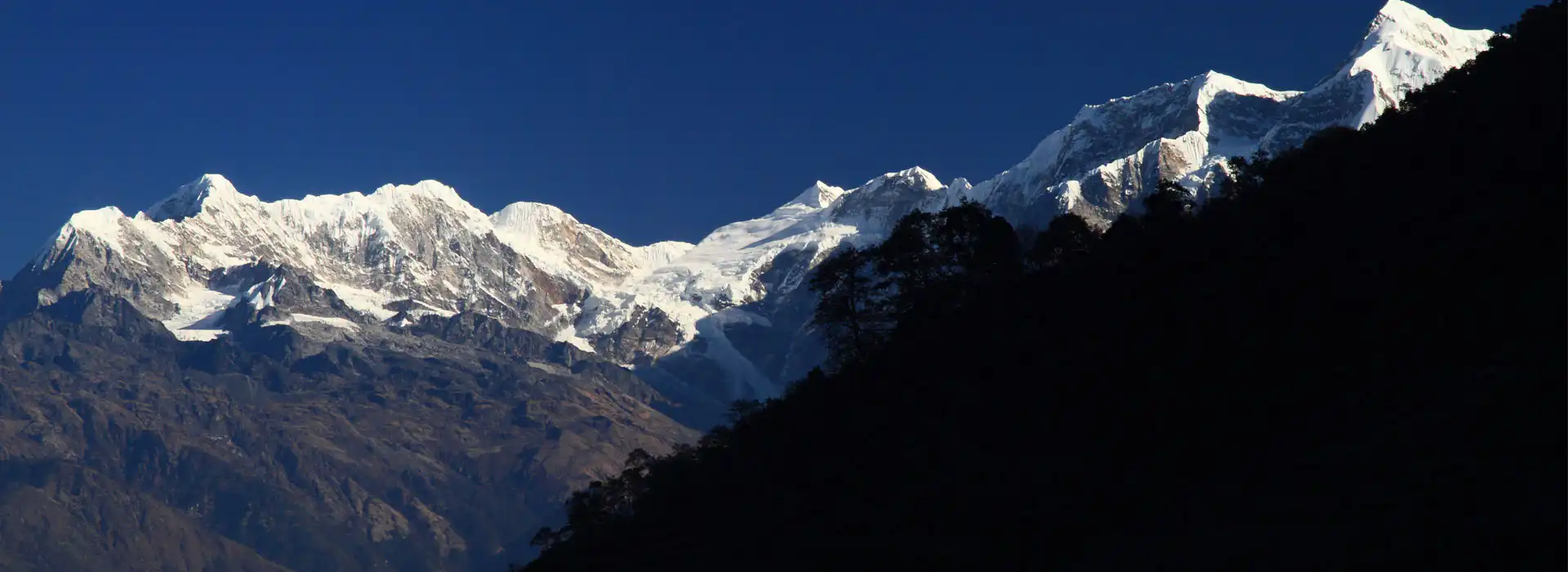
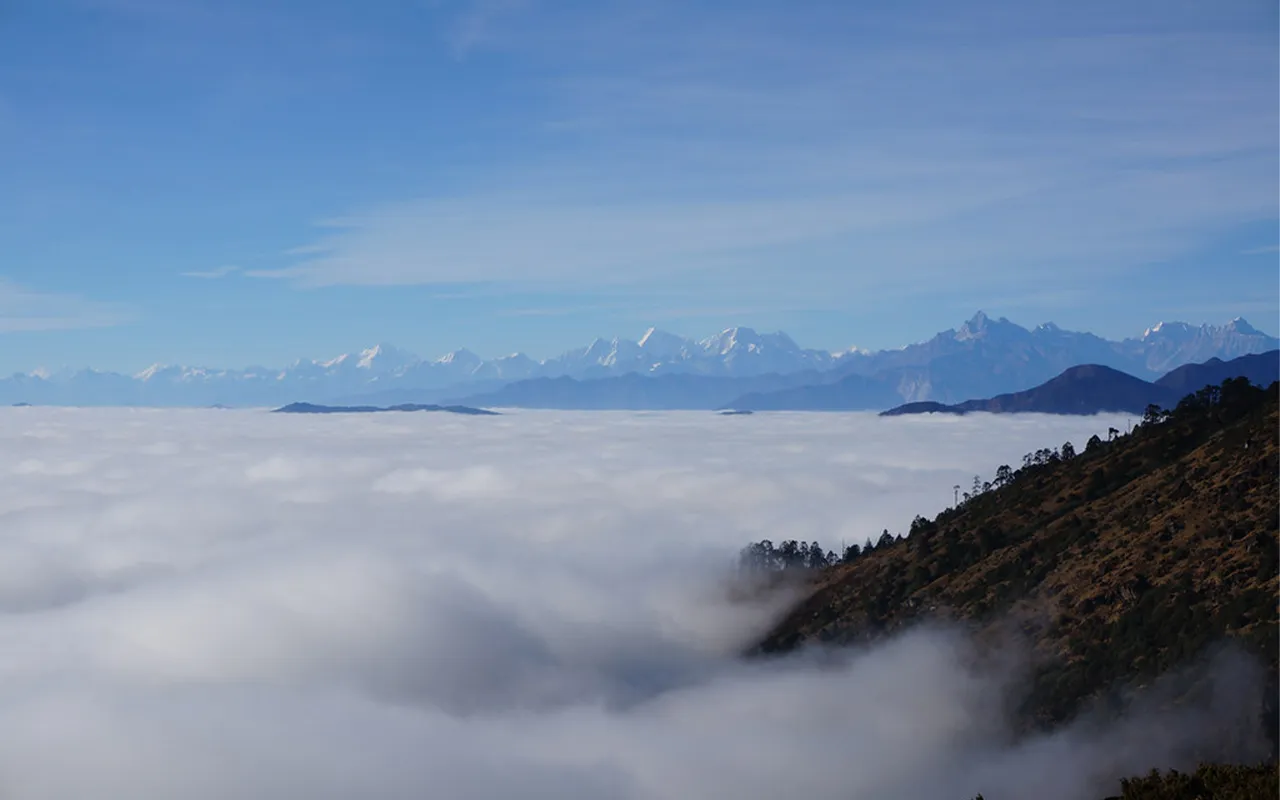
- See Everest, Lhotse, Makalu, Kanchenjunga and other Himalayan peaks with a view over the sunrise
- Enjoy a tranquil hike through quiet Sherpa villages and immerse yourself in village life in the mountains
- Take in quiet trails, which are off the beaten path of the Everest Base Camp route
- Explore lovely rhododendron and pine forests
- Reach the summit of Pikey Peak at 4,065 m (13,337 ft)
- Make a cosy stay in the mountain guest houses and enjoy the local hospitality
- Watch the evolving scenery of forests, hills and open, mountainous areas
- Take spectacular photos of the Himalayas and traditional villages
- Have scenic jeep rides through the beautiful hills of Solukhumbu
Trip Extension
Suppose you have more time in Nepal after this trip. In that case, we can help you to extend your trip by running different treks in Nepal, tours in Bhutan and Tibet, Jungle safari tours at Chitwan, Bardia, and other National parks, Nepal luxury hotel booking, Rafting, Ultra-light flights, or any other travel-related services. You can get more information here.
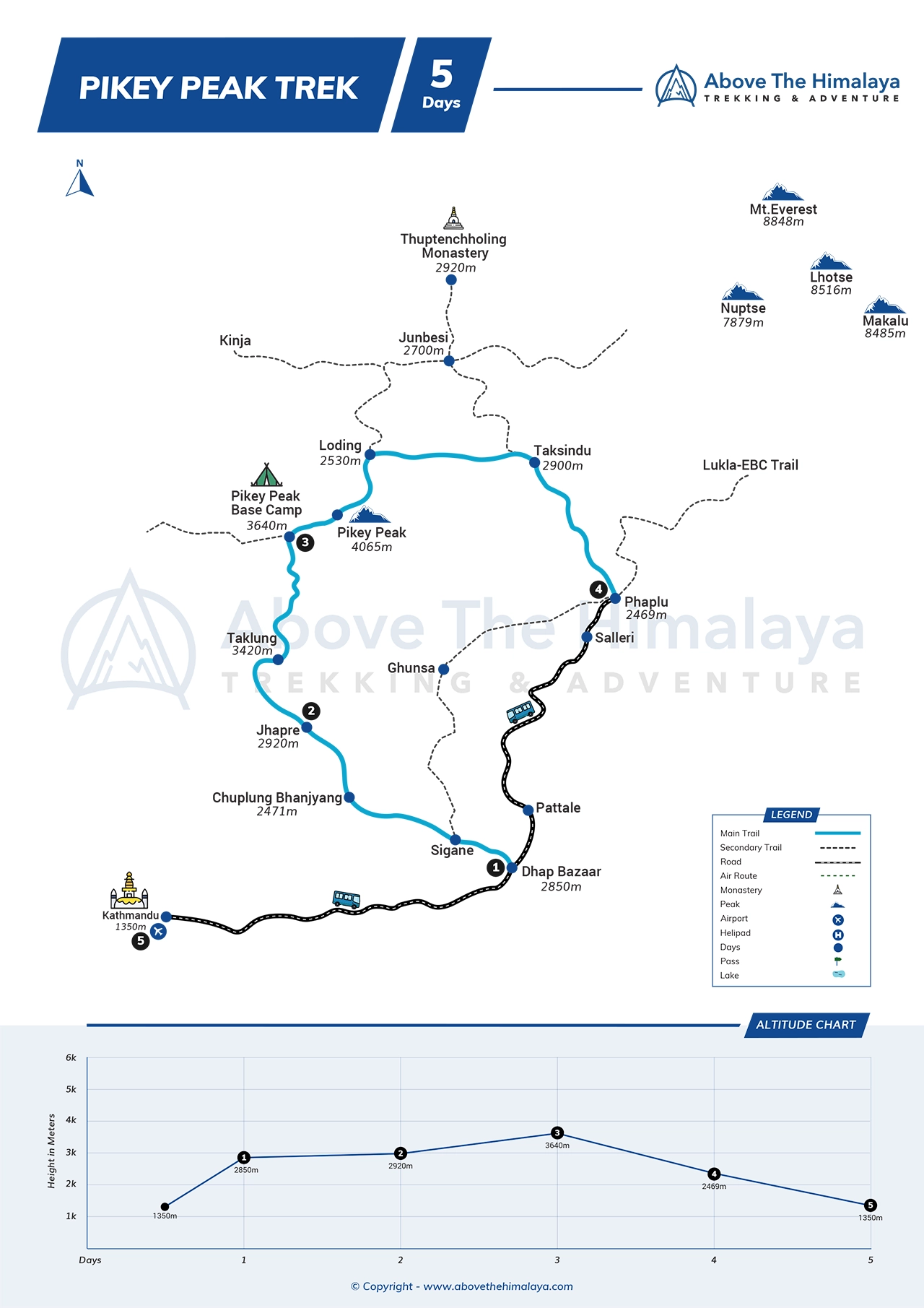
Route Map & Altitude Chart
Most Asked Questions by Travellers
 General
Cards are not accepted in the villages. Most of the villages don’t take any other currency, so it is important to have enough money in Nepalese Rupees before leaving Kathmandu.
While not required, it is typical to tip guides and porters.
No. You won’t find any currency exchange services along the Pikey peak 5 day trek.
No. Withdraw money before the trek; there are no reliable ATMs along the way.
Yes. Guests are welcome, but must do so in a respectful manner and in accordance with local customs.
Yes. Shoes are removed before entering religious buildings out of respect.
It’s not a good idea. It is a more responsible alternative to support local schools or projects in the community.
Namaste with a smile is the most respectful and accepted greeting.
Yes. Batteries have a shorter life in cold conditions and battery replacements are strongly recommended.
Yes. A power bank can be used to charge your device when you don’t have access to a power outlet or have limited charging power.
A wide-angle lens is great for landscapes and a zoom lens is useful for viewing distant mountain views.
Yes. GPS watches are effective and helpful for measuring distance, height and progress per day.
Yes. It’s best to arrive at least one day ahead to get a chance to recuperate from travel and to prepare for the trip.
Yes. Many tourists arrive in Kathmandu and stay there for an extra period of time before heading home.
Yes. Airport transfer services can be scheduled to your flight schedule.
Yes. Numerous visitors choose to take it with a sightseeing or wildlife tour or the other trekking routes in Nepal.
Yes. Valid travel insurance may be required before departure.
Yes. With planning, simple birthday or anniversary parties can be made possible in our Pikey peak 5 day trek.
No age is too early or too late for Pikey peak 5 day trek , but it is recommended that participants be able to walk several hours a day and be in good health.
Handcrafted items, prayer flags, local textiles and small souvenirs can be purchased in certain villages of Pikey peak 5 day trek.
 Guides & Support Staff
Each group will have one licensed guide and one porter for every two trekkers.
Yes. Your guide is equipped with first aid and he is in communication when network coverage is available.
Yes. If needed, extra porters can be added before the trek for an additional fee.
Yes. Your guide is with you from start to finish of your trek till you reach Kathmandu.
 Accommodation and Facilities
The majority of the guest houses provide double-bedded rooms. Single rooms are available on a seasonal basis and subject to availability.
Yes. Most guest houses will have blankets, but if you can pack a sleeping bag, it will be more comfortable on cold nights.
Generally heating is only available in the dining room. In most cases, bedrooms do not have heating.
Yes. There are many vegetarian options available and others can be made with advance notice.
 Packing & Gear
Yes. Long uphill and downhill sections are easier on your knees with the help of trekking poles for balance.
Blankets are provided in most guest houses, but it is advisable to take a sleeping bag for extra warmth in colder months.
You will normally only need a daypack of 25-35 litres for your daily needs, as the porter will handle most of the luggage.
They will be of use in winter or when a trail is muddy or covered in snow, but they are not mandatory.
 Booking & Payment
Ideally, book before two or four weeks before your travel, particularly in the spring and autumn.
No. This trek can be done alone, as a couple, as a family or as a private group of your choosing.
Yes. Private departures are available which offer more flexibility of travel dates and personalised services.
Yes. When taken by responsible adults, children who are fit and have a history of hiking can trek the trail.
Reviews on Pikey Peak 5 Day Trek
Be first to post a review in this trip.




Best Price Guaranteed, Easy to change Date, Instant Confirmation
Book This TripBook with Confidence
- Flexible bookings and easy trip date changes
- Personalized service and customized group sizes
- Safe travels with owner-operated services and highly experienced guides
- Best price guarantee for the most value for your money
- Secure & easy online booking
Your Trek Leader
 Enjoy Himalayan scenery with the help of Nepal’s best guides with Government license holders and got training in first-aid, our Trip Leaders, know where you’ll find the best photos, most fascinating wildlife, and the best stream crossings.
Have Questions?Talk to Expert
Meet Mr. Purushotam Timalsena (Puru), Nepal's best trek and tour organizer, who has been working in the Himalayas for more than 24 years.
WhatsApp/Viber +977 98510 95 800



You May Like


Trips for All
Private Trip
Peaceful tour with your travel buddy and guide
Small Group Travel
Travel with people having similar adventure dreams
Trips for Kids
Calling all young adventurers - join us for a journey of a lifetime!
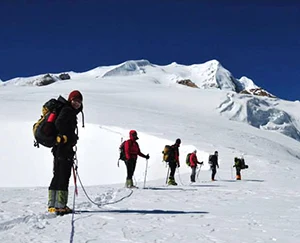
Trips for Adventurers
Climbing & mountaineering adventures for thrill-seekers