Customize Your Trip
 Weather in Nepal in January: Is It a Good Time to Visit? Travel Tips & Advice
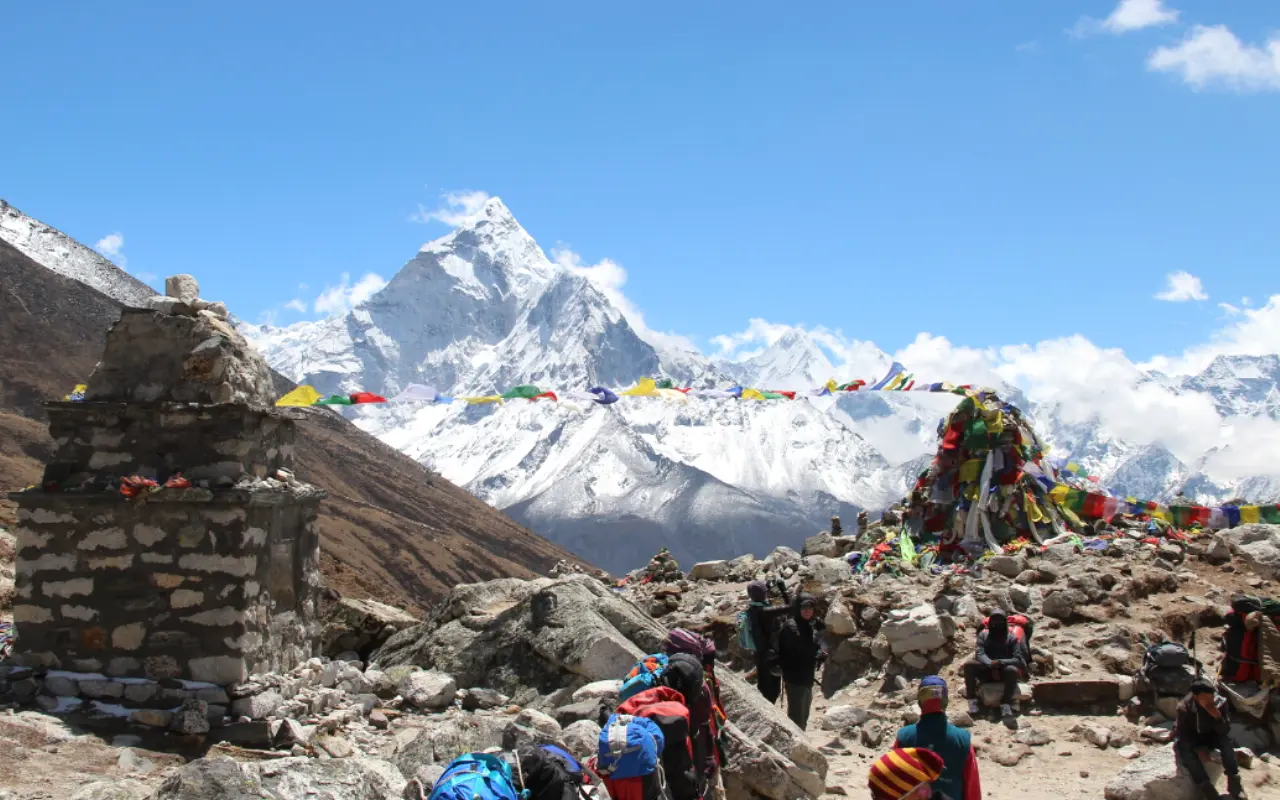
The Country of Nepal in January offers a great travel experience because the weather in Nepal in January is cold and dry, which provides clear skies, crisp air, and excellent mountain visibility. It is the middle of winter in this Indian Himalayan country. Hence, the mountain views are lovely, tourist numbers are lower, and the restorative quality with a feeling of calm that high-season cannot match.
So, in this directive that is likely to be just as friendly, we will know what Nepal is actually like in January, not only the weather in each part, but also the advantages and disadvantages, things to do, festivals and fun, tips, among others. You may be a low-end backpacker, a high-end tourist, a trekker, or a culture lover, but you may find that Nepal in January is a travel secret that you had no idea about before.
January Weather in Nepal: What to Expect
January is the coldest month in Nepal; however, with different regions. It is good because it is usually dry, and the sky is crystal clear- ideal for those mountain top views.
In most of Nepal, there is hardly any rain anymore (summer monsoon is months away), but the high on the Himalayan side is getting snow. It is pleasant at the lower elevations, often sunny and pleasant in a day, but at night chilly, and almost freezing in some sections.
The following is the weather in the major regions in Nepal in January:
Kathmandu Valley (Central Nepal)

In January, the warm afternoons in Kathmandu Valley (including the capital with an elevation of about 1,400m) are nice, and the mornings are cool. The average daytime temperatures in Kathmandu are typically about 15-18°C (59-64°F), but the average temperatures drop to about 3-4°C (upper 30s°F) at night. A jacket for early morning temple visits will be required, but at noon, a light sweater might do.
The skies tend to be cloudless, and one can see the snow-capped mountains in the distance. There is no humidity, and hence there is not much haze around, yet, in winter, the air is polluted, and hence some haze and smog in the mornings may occur, but this is normally cleared away by mid-morning.
Pokhara & the Mid-Hills
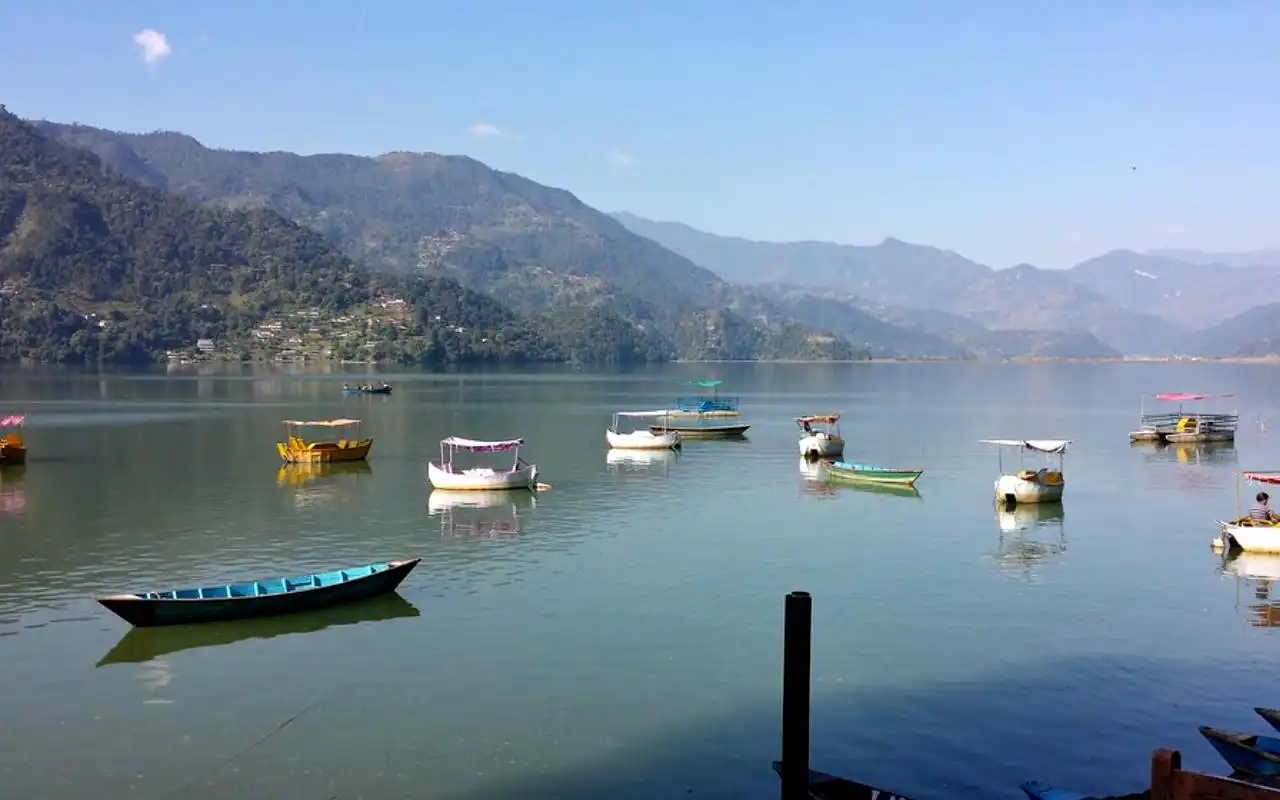
The Kathmandu area is a bit colder and has low sunshine in January compared to Pokhara (at 800m). The daytime temperatures are 18-20 °C, the nighttime temperatures are 5-8°C. Generally, the weather is clear and dry – ideal to view the Annapurna mountains, and transfer to the unrippled waters of Phewa Lake. There is not as much fog as at Kathmandu or the plains, and visibility is frequently clear.
When you are planning to hike around the local hills (e.g., a viewpoint such as Nagarkot by Kathmandu or Sarangkot hill by Pokhara), then you can expect to start your morning cold and then quickly warm up after the sun comes out.
The Terai Lowlands (Southern Nepal)
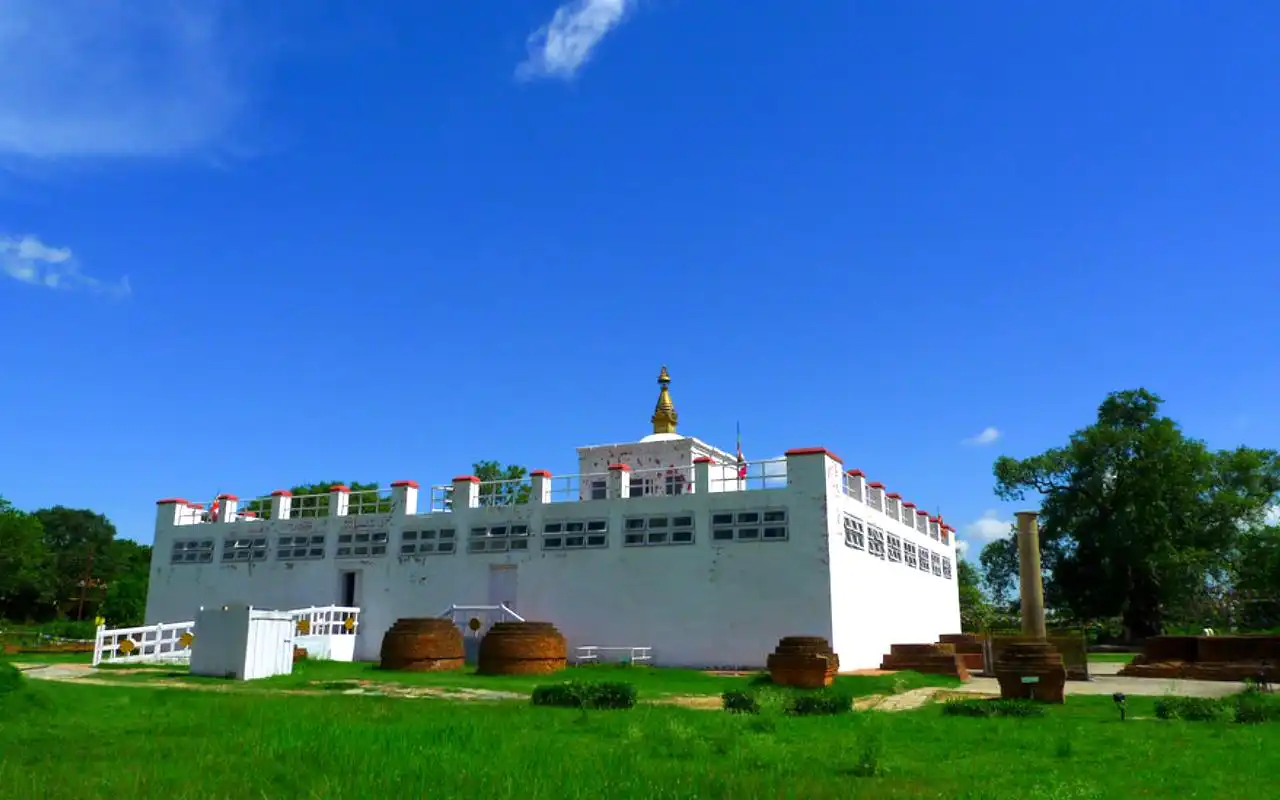
In the Terai – the low southern plains (Chitwan, Bardia, Lumbini, etc.) – January seems rather like a warm spring. High humidity and sunny daytime may rise to 20-24 °C (68- 75 °F) when the sun is out, which is quite pleasant to go on a wildlife safari or to sightsee villages. However, nights are cool, dropping to about 8-10 °C (top 40s °F), and a sweater will be required even at night.
Among the oddities of winter in the Terai may be mentioned the mist in the morning, which may create some visibility issues, and at times cause an early flight or bus to be late, but in late morning the fog mostly clears to allow blue skies.
The Himalayan Mountains (High Elevations)
In January, in the high Himalayas of Nepal is deep winter. It is chilly and frequently snowy up above, though it also glorifies. Temperatures during the day at common trekking altitudes of the 3,000m (e.g. Namche Bazaar in the Everest region) fluctuate around 4-6 °C during the day, but drop as low as -10 °C (14°F) at night. At even greater elevations, 5,000m (Everest Base Camp altitude) is just 5°C during the day and a chill 15 °C or colder at night.
The high country often has heavy snow, and therefore, there are numerous high-altitude routes and paths that are not open or are impassable.
Pros and Cons of Visiting Nepal in January
Should one take January as a month to travel to Nepal? The type you want depends on what you are in search of.
The following are the advantages and disadvantages of a trip to Nepal in January:
Pros of a January Visit
- Clear Mountain Views: There is dry air in winter, and that is why it has simple views. You will also have a crystal-clear sight of snow-tipped mountains that tend to be hidden in the foggy summer. January skies in Nepal are a dream of blue skies, and the mountain lovers and photographers will be in heaven.
- Less Traffic and Peaceful Environment: January is not a high season in terms of tourism, in the sense that most of the major places and tracks are much less crowded. You have the option of walking around the heritage sites of Kathmandu or walking some of the most used trails, such as Annapurna, in virtually no-man’s land. It is high time to see the Nepal highlights without the tourist boom.
- Reduced Rates and Easy Reservations: Due to the reduction in tourist numbers, there are several hotels/ airlines providing off-season discounts. Better accommodation and tour deals, and last-minute plans are simpler, as you do not have to book places that are already occupied. Budget travelers are able to extend their money.
- Wildlife Viewing is Prime: Jungle safari is best during winter. The high grasses at Chitwan and Bardia are trimmed sometime in early January, and early rhinos and tigers become easy to see. Drought also encourages the wildlife to go out to sunbathe on the rivers. The migratory birds in the wetlands of Nepal will be a delight to the birdwatchers, especially in the winter months.
- Good Weather at Low Altitudes: In Nepal, other than the mountains, it has pleasant daytime temperatures in January. You can do trekking in the mountain or sightseeing in the valley quite comfortably without the scorching sun or without it raining, and this time you may find yourself in a sunny t-shirt in broad daylight and a warm sweater in the evening.
Cons of a January Visit
- Cold Mornings and Nights: It cannot be avoided – it is cold in January, and it is colder after the sun sets. Several of the hotels and tea houses lack heating, which means that at night you may feel the cold in the house. Hot beverages and warm clothes are essential to keep oneself warm.
- Limited High-Altitude Trekking: On the negative side, the challenge with the high-altitude trails is that they are difficult or not open to trekkers. Skiing excursions such as Everest Base Camp or transiting Thorong La in the Annapurna Circuit are usually strenuous because of the snow. Only well-experienced trekkers, well-equipped (and ready to undergo extreme cold), are attempting those in January.
- Fog in mornings and delays: It is common in the Terai – and even Kathmandu – that early morning fog may cause an inconvenience to travel. Delays or cancellations are common on domestic flights (to Pokhara, Chitwan, Lukla, etc.) in the middle of winter, due to low visibility. The fog tends to clear up by the middle of the day; however, it is prudent to make the significant flights later in the day or allow a buffer day in your schedule.
- Shorter Daylight Hours: The Winter days of the year in Nepal are fairly short; the weather in Nepal in January means it is about 10.5 hours of daylight. It does not take long before the sun rises at about 7 AM and before sunset, which takes place at about 6 PM. Such early evening settings imply that you have to schedule hiking expeditions to get out of the woods by the end of the afternoon, as well as sightseeing tours to finish earlier.
- Certain Remote Services Closed: Off-season implies the fact that some businesses have some vacations. Lodges, restaurants, or tour services may be closed during winter in really distant or mountainous regions because it is too cold or there are no tourists. In a case of going off the tracks, you should always look ahead. Still, there are enough options available in the major tourist destinations.
Best Things to Do in Nepal in January
You have finally chosen to travel to Nepal in the winter, so what can you really do? Plenty! January in Nepal is lovely to all types of visitors as a tourist destination offering both adventure and culture. The following are some of the best activities and destinations to visit:
Trekking & Hiking in Winter
Nepal is one of the biggest attraction sites through trekking, and thus January remains a fine month to hike as long as it is conducted at lower levels. The all-time practice treks receive a shipload of snow, yet there exist some amazing medium-length trails the whole year round:
- Lower Annapurna Trek: Visit this short option of the Ghorepani Poon Hill trek that tops at about 3,200m. Even in January, this road is open, and pays you off with a view of the Annapurna and Dhauligiri ranges at dawn. The mountains are fantastic, with clear winter air cutting through the scenery. And the trail being less congested at any rate, is a quiet trip between village and village.
- Everest Region (Lower Part): In January, in case you feel like climbing Everest, you can hike to Namche Bazaar (3,440m) or Tengboche Monastery (~3,860m). These are beautiful close-up shots of Everest and Ama Dablam in clear skies, and the paths are considerably more peaceful than they normally are.
The weather in Nepal in January is clear, sharp, and stunning even in these lower Everest climbs, rendering the scenery spectacular. - Day Hikes: January is an ideal month to have day hikes when one does not wish to do multi-day trekking. Do a hike from Kathmandu to Nagarkot to enjoy a Himalayan sunrise. At Pokhara, one can also take a stroll to Sarangkot in the early morning to view the panorama of the city on the lakeside. The atmosphere is pleasant, so that you will not sweat too much, and you will be repaid with spectacular views at a comparatively low cost.
(Hint: Don’t forget to bring the right winter clothes, good boots, and a warm sleeping bag, and it is a good idea to get a guide in winter because there are no footprints to follow, and you might get lost.)
Cultural Sightseeing & City Exploration
To cultural lovers, Nepal in January is a treat. The great cultural attractions are free and generally significantly less congested than during the season. You can find yourself taking your time to explore the old plazas of Durbar Square, learn the complexities of the temples around Patan, or climb up the Swayambhunath Stupa (Monkey Temple) without trampling through tour groups in Kathmandu.
Bhaktapur, with its perfectly preserved Newari city and its pottery workshops, is also a good place to visit in January and observe the pagoda roof and pottery workshop during the crisp winter light. It is the off-season, and fewer tourists will be around, which will make the experience more natural.
Pokhara also possesses its own cultural treasures – you can go sailing to the Tal Barahi Temple in the middle of the Fewa Lake, or you can visit the museums and pagodas situated in the town and actually get to enjoy the space at your own leisure time.
Bonus: This is also a good season when Nepali families take the opportunity to celebrate. In Nepal, weddings usually reach their full flow during the winter months, and that is why there are high chances you might see a colorful wedding, which includes traditional music and natives wearing bright, festive dresses. It is an additional cultural bonus to be a spectator of such happy local gatherings.
Wildlife Safaris & Nature Escapes
In case you are a wildlife lover, then you are in luck, the jungles of Nepal in January are at their finest in winter. Go on a safari, crashing into Chitwan National Park or Bardia National Park, both in the Terai. Towards the end of January, local communities begin clearing the tall elephant grass, and the visibility of wildlife improves significantly.
During a jeep safari, you are likely to see one-horned rhinos, different deer, wild boar, and perhaps an elusive Bengal tiger sunning or hunting. The birds will delight in the variety of birds – the wetlands and national parks of Nepal abound with migratory storks, kingfishers, birds of prey, and a host of other birds during the winter season.
When the weather in Nepal in January is dry, and there are no leeches to fret about, then nature walks in community forests or river banks are great. A winter sunrise on the Himalayas, which has mists on the valleys below and glowing mountains on top, is indeed memorable.
Seasonal Highlights: Festivals & Winter Lifestyle
- Maghe Sankranti (Mid-January): The festival is a Hindu celebration marking the passing of the sun into Capricorn, on which winter days are the shortest. Families also use holy baths in rivers, as well as eat local dishes such as sesame candy, molasses, and yams. You will find the markets full of these delicacies and people congregating together to bless good health and prosperity.
- The Lhosar (Winter New Year Celebrations): Different groups in Nepal have their own New Year (Lhosar) towards the end of the winter. Indicatively, Tamu Lhosar (Gurung New Year) usually takes place at the end of December or January, whereas Sonam Lhosar (Tamang New Year) takes place around the end of January or February. When in Nepal during a Lhosar, you should look forward to vibrant parades, folk dances, and feasts, particularly in places such as Kathmandu and Pokhara, where people gather during festive programmes.
- Basanta Panchami: This festival is also referred to as Saraswati Puja, and in some instances, this festival is celebrated late in Nepal in January (depending on the lunar calendar). It celebrates Saraswati, the Hindu goddess of learning, and the conclusion of winter and the onset of spring. Students and artists attend temples to pray on this day.
- Local Winter: In January, Nepalis find their ways to cope with the cold, and they do it in lovely ways. Individuals tend to spend their mornings huddling by tiny wood fires or in spots of sunshine and drinking hot tea.
It is also wedding time (around mid-January to February) in Nepal, which is why you should not feel surprised when you see an active wedding ceremony with a traditional musical ensemble and glowing bridal dresses.
Packing List & Preparation Tips for January
The weather in Nepal in January will also be cold, but by packing cleverly, you will be able to keep yourself comfortable in its various climates. The following is a packing checklist:
- Warm Clothes/ Winter Clothes: Take lots of layers so that you can adapt to the weather. Add thermal bottoms when it is cold in the morning, 2-3 sweaters or fleece pullovers layered over bottoms, and a warm insulated jacket in the evening. Wear warm accessories like a wool beanie, gloves, and a scarf, especially during the early morning and evening.
- Weatherproof Outerwear: It is good to bring a light windproof/water-resistant jacket or shell. January is also dry, but a windproof jacket will help during cold winds or when one visits higher places. It is also used as a raincoat in case it suddenly drizzles.
- Good Footwear: Have comfortable high-topped closed-toe shoes. In the case of city sightseeing, any walking shoe or sneakers will suffice. You need to buy hiking boots, which are broken-in to support your ankle and keep it warm in case you intend to hike or trek. You should bring along wool or thermal socks to keep your feet warm, too.
- Trekking Gear (where applicable): Personal bring or hire a good sleeping bag that should be rated below freezing temperatures. Teahouse rooms are often very cold at night, and a proper sleeping bag is essential. In either Kathmandu or Pokhara, it is easy to rent cold-weather sleeping bags and down jackets. Trekking poles, a day pack, and a headlamp prove to be effective when on winter treks.
- Sun and Health Essentials: Winter sunshine is quite intense at high altitudes, so it is best to bring some sunscreen and SPF lip balm with you, and a good pair of sunglasses. The air is dry, thus moisturizer and hand cream will take care of the chapped skin. Bring a first aid kit and personal medicine – in case of a headache, cold remedy, upset stomach, etc.
- Miscellaneous: Carry a reusable water bottle (you may fill it up with filtered or boiled water to keep yourself hydrated). When you love a hot drink when you are on the move, an insulated thermos will be welcomed. Do not leave out power adapters for the power outlets in Nepal to recharge your gadgets. A power bank is convenient to carry around, as cold weather may exhaust the battery quickly.
(Keep in mind, in case you require, the trekking centers of Nepal have gear shops where you can purchase or hire gear at affordable prices; however, you must be wary about the quality of the ultra-cheap products.)
Travel Advice for Nepal in January
Flights and Transport: Before flying, around any likely delays due to a cloudy morning. Local flights – particularly to cities in the Terai or mountainous regions – very often cannot start until after the fog has cleared, often not till mid-morning.
In case you are going on a trip or have another commitment, make an effort to fly by noon or add a buffer day. The positive aspect is that road movement is normally not bad during this time. Simply remember that there is slowness in the beginning when there is fog in the early mornings.
Accommodation & Crowds: There will be no difficulty in getting a room in January. The tourist spots in Nepal are far less crowded, and you can simply stroll into the hotels or make a reservation at the last minute. Discounts on properties are even provided during the off-season.
The Thamel (Kathmandu) or Lakeside (Pokhara) situation is cool – not vacant, it is serene. Cafes, stores, and restaurants do not close, and with fewer tourists around, you will experience a more customized and relaxed atmosphere.
Safety & Health: Nepal can be considered very safe on average, and there is no shift in that during winter. The most important thing is the cold: wear dresses and layers to be healthy.
When trekking in Nepal in January, ensure you get travel insurance that will cover emergency evacuations in case you are in remote mountain areas. Altitude sickness is a risk above 3,000m, so proper acclimatization is essential during winter, too.
Remain hydrated because the dry air may lead to dehydration. Lastly, Nepalis are warm and hospitable people – an honest Namaste and respect for the local traditions (removing shoes in temples) will always be welcome.
Conclusion: Why Nepal in January Might Be a Hidden Gem
To sum up, visiting Nepal in January can be a brilliant thought – you are going to open a secret season. It is colder and quieter than the spring or fall, but that is what makes it so appealing. It has great, clear shots of the Himalayas, real cultural experiences, and a degree of calm that is difficult to experience during the high season.
Nepal in January has something to offer, whether you are pursuing mountain escapades, you are in the culture zone, or you are just seeking a relaxing holiday.
Therefore, should one visit Nepal during the month of January? Absolutely! The month could well be an underrated treasure trove for adventure travellers who trek after blue skies, flat tracks, and cultural purity. Wipe up, take the adventure, and you can fall in love with the winter wonderland of Nepal. Safe travels and Namaste!
Best Price Guaranteed, Easy to change Date, Instant Confirmation
Book This Trip Have Questions?
Talk to Expert
Meet Mr. Purushotam Timalsena (Puru), Nepal's best trek and tour organizer, who has been working in the Himalayas for more than 24 years.
WhatsApp/Viber +977 98510 95 800