Customize Your Trip
 Everest Base Camp vs. Annapurna Base Camp Trek: A Detailed Comparison
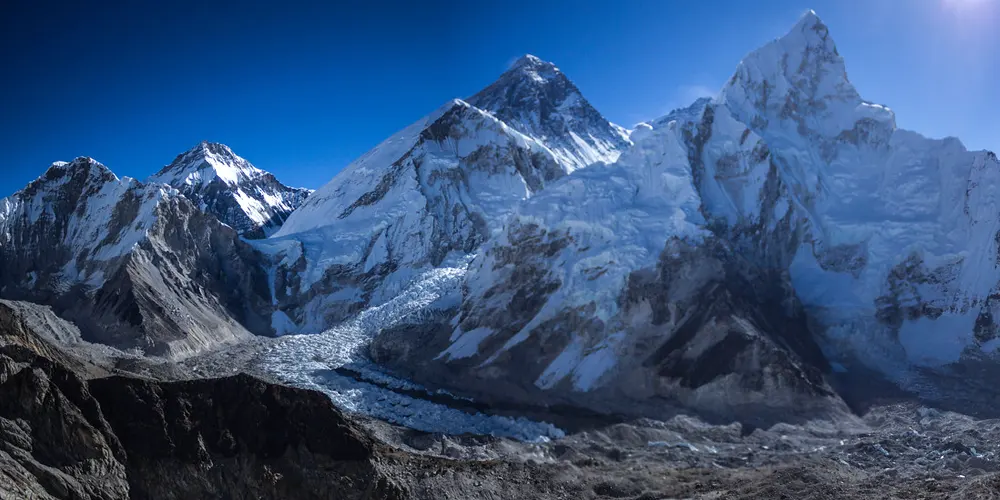
Those who were able to visit Nepal admit that nothing compares to the ideas of Alpine scenes that can be seen from Mount Everest or the Annapurna range. These trekking routes can be quite loud, however, they are worth a try, which is why trekking is one of the top things to do in this amazing country.
Certainly, tourists are offered extraordinary ideas that stand opposite to the beautiful variety of an experience of culture. There are some differences one can note between the Everest Base Camp vs. Annapurna Base Camp Trek, but they both have interrelated features, which as the captivating views of the Himalayas.
The overall setting, scenery, cost, terrain, and level of difficulty differ in both treks. This might make it difficult to choose which hike to undertake so I will now lay out the details for the compare and contrast analysis to help guide you in making a decision.
Overview of the Treks: Everest Base Camp vs. Annapurna Base Camp Trek
Everest Base Camp (EBC) Trek
- Location: Solu-Khumbu Region, Eastern Nepal
- Duration: 12–16 days
- Highest Point: Everest Base Camp (5,364m), Kala Patthar (5,545m)
- Difficulty: Challenging
- Permits Required: Sagarmatha National Park Permit, TIMS (Trekkers’ Information Management System) Card
- Best Season: Spring (March-May) and Autumn (September-November)

Annapurna Base Camp (ABC) Trek
- Location: Annapurna Region, Central Nepal
- Duration: 7–12 days
- Highest Point: Annapurna Base Camp (4,130m)
- Difficulty: Moderate
- Permits Required: Annapurna Conservation Area Permit (ACAP), TIMS Card
- Best Season: Spring (March-May) and Autumn (September-November)

Trekking Route and Scenery
Everest Base Camp Trek Route and Scenery
Counted among the most distinguished trekking routes worldwide – this trek is better known as the EBC trek. The expedition starts with a picturesque and exciting flight to a small mountain airport named Lukla.
Upon reaching Lukla, one can journey along the Dudh Koshi River, cross several suspension bridges, and enjoy the picturesque Sherpa settlements such as Phakding and Namche Bazaar. Namche – a stepping stone to Everest Marco – is a busy market town that provides breathtaking views of the neighboring mountains.
The climbing route takes travelers past beautiful isolated villages, Buddhist monasteries, and the stunning rhododendron forest. Besides Everest, and nearby, there are other towering peaks that trekking provides a chance to view: Lhotse and Nuptse.
As alpine meadows and barren terrain start to appear, the trek gets more strenuous. Among the main points of interest are: Dingboche, Gorak Shep, Lobuche, and Tengboche Monastery.
Now, the trekkers are on their way to Everest Base Camp which sits at 5,364 meters and is the final landmark where sightseers can gather to watch, in all its glory, the Everest.
Away from the Bhamr Khola in the morning, a hike to Patthar (5580 meters) is a perfect start, which offers an excellent view of Mount Everest along with Lhotse and Nuptse. The trekkers also enjoy the high-level bulks of icy rocks.
Annapurna Base Camp Trek Route and Scenery
Annapurna Base Camp is located at the mountain’s heart and is considered an outstanding trekking place. First, you could visit Pokhara, the wonderful city beside the lake. It is the starting point for new trekkers and many other trekkers.
A scenic passage around trekking villages like Ghandruk, Chhomrong, and Deaurali is made even more beautiful while trekking through Gurung and Magar. The trails weave through Oak, Bamboo, and Rhododendron forests giving trekkers a wide view of Machhapuchhre (Fishtail), Annapurna South, Hiunchuli, and other frosty peaks.
The subtropical forests turn to breathtaking alpine meadows while climbers ascend, multiplying the glorious views. The peaks of Annapurna and Machhapuchhre feel closer at the Machhapuchhre base camp which is at 3700 meters.
The crown-shaped amphitheater of peaks surrounding Annapurna 1 (8091 meters), Annapurna South, Hiunchuli, and Machhapuchhre, along with the remarkable view from Annapurna base camp (4130 meters) is the most adorable destination.
Although Everest looks majestic when viewed from the EBC trek, might I say, when trekkers reach the Annapurna base camp, the views of these giant peaks are equally stunning, if not more impressive, because of their proximity.
Difficulty Level
Everest Base Camp Trek Difficulty
Incredibly, exceptionally thrilling as the Everest Base Camp trek might sound, the challenge is as equally physical as the thrill is. With every rise in height from the base camp (5364 meters) to Kala Patthar (5545 meters), the difficulty and degree of risk increase.
It is suggested to pace yourself, as breathing becomes more hectic the greater the height, where the chances of Acute Mountain Sickness (AMS) increase. The walk involves long hours of walking stretched over 12 to 16 days, comprising steep hikes, eroding pathways, and rocky surfaces.
Trekkers are expected to pace themselves to avoid exhaustion. This particular trek requires high mental stamina and peak physical fitness. without it, the trek itself can prove to be difficult.
Annapurna Base Camp Trek Difficulty
The Annapurna Base Camp trek is, on the whole, deemed less rigorous compared to EBC. The risk of AMS is reduced since the highest point, Annapurna Base Camp, is 4,130 meters, making it a shorter trek. In terms of difficulty, it ranges from 7 to 12 days of trekking which is more favorable for a person with average versatility.
The trek has some steep sections such as the stone steps to Ulleri which tend to be short bursts rather than continuous stairs. There are also segments of stone paths, dirt trails, and rocks, so the terrain is varied. The trek will still be physically challenging for some people and freshmen. However, since it is less elevated than the EBC trek, it is less physically demanding.
Accommodation and Food
Everest Base Camp Accommodation and Food
When trekking to EBC, accommodation is available in basic, but decent teahouses. These provide most of the services and facilities, like twin-share rooms, and shared bathrooms. However, as you increase in altitude, the accommodation becomes more basic.
These allow for some heating, as well as insulation, but provide a welcome respite after a long day’s trek. Also, owing to the location being quite remote, food prices tend to elevate with altitude.
Culinary offerings include some of the traditional Nepali such as momos, Dal Bhat, and soups, as well as some international dishes such as pasta. At higher altitudes, food selections are more limited, but nutritious meals are accessible.
Prices are hiked as a result of the difficulty of transporting goods in those areas, but the essential calories needed to fuel your trek are available.
Annapurna Base Camp Accommodation and Food
On the ABC trek, meals are served in teahouses, and so is accommodation. But with lower altitudes comes greater comfort. The rooms themselves are quite basic, but relative to the EBC trek, food is more affordable and options are more plentiful. In many locations, expect to find Dal Bhat, momo, noodle soup, and even some international dishes like pasta, pancakes, and pizza.
ABC prices are more accessible, as the trek does not require ascension to as high altitudes as the EBC trek. The accommodation is overall comfortable, making it more economical.
Cost Comparison
Everest Base Camp Trek Cost
Due to more factors than one, this trek is more expensive than the Annapurna Base Camp trek.
- Permits: $50–$60
- Lukla Flight: $180–$200 (one-way)
- Accommodation & Food: $25–$50 per day
- Guide & Porter: $25–$35 per day
- Total Cost: $1,000–$2,500
Annapurna Base Camp Trek Cost
The Annapurna Base Camp trek is more affordable:
- Permits: $30–$40
- Transportation: $20–$50 (bus/jeep from Pokhara)
- Accommodation & Food: $20–$40 per day
- Guide & Porter: $20–$30 per day
- Total Cost: $500–$1,500
The total amount will change based on your personal preferences, for instance, if you wish to hire a guide and a porter, the accommodation you prefer, and the duration of the trek.
Best Time to Do The Trekking
The most favorable season for both of them will be in the spring from March to May, and autumn from September to November. Because, there are steady weather conditions and clear skies, along with wondrous views of the mountains during this period, which makes the place suitable for trekking.
There is little chance of rainfall, snow, and moderate temperature which is also a bonus. The winters (December-February) are usually too cold to hike in which makes both treks difficult during the higher altitudes. June-August monsoon season is not ideal either due to the rain causing muddy trails which result in landslides, particularly in the ABC region.
Cultural Engagement
Everest Base Camp Culture
The EBC trek provides an augmented cultural experience especially when passing through the Sherpa villages. Sherpas are well known for their climbing skills and have maintained a rich culture. By trekking through their villages, one can learn a great deal about their way of life, practices, and Buddhist customs.
Many trekking enthusiasts utilize one of the major attractions of the trek, the Tengboche Monastery, to watch the monks perform their rituals. The region is studded with colorful stupas, monasteries, and national Buddhist prayer flags marking the whole trek highlighting the region’s religious importance.
Annapurna Base Camp Culture
This area is largely occupied by the Gurung and Magar ethnic tribes of Nepal who boast a unique lifestyle and culture that trekkers on the Annapurna base camp trek will witness ‘discovered’ in villages such as Ghandruk Gurung. Along with this, The Gurung Museum also holds other pieces of heritage.
You will see the locals perform their traditional welcome dances as well as celebrate their local festivals along the trail. There is also a strong blend of Hinduism and Buddhism in this part of the country which also adds more charm to the trek.
The serene calmness of the region combined with warm reception from villagers makes ABC trek an experience rich in cultural beauty.
Wildlife and Nature
Everest Base Camp Wildlife
Wildlife along the Gokyo Lakes trek is different and significant. This land stalks the elusive Snow Leopard, but glimpses are infrequent. The fauna that may be observed include the Himalayan Tahr, the Musk Deer, and a variety of birds.
The Sagarmatha National Park, which covers a major part of the Gokyo Lakes trek, harbors diverse kinds of plants such as rhododendron, juniper, and alpine meadows.
Annapurna Base Camp Wildlife
Here, the significance of the Annapurna Conservation Area exhibits high biodiversity with wildlife numbering langur varieties, pheasants, and Himalayan black bears. Alongside, the area is also abundant in several flora and herbs like orchids and rattans which are further complemented with bamboo forests as well as many types of medicinal plants.
With all these, the area is rich in natural beauty that surpasses the EBC trek. In contrast to the EBC trek, the diverse ecosystems along the trek from the sub-tropic forests to the Alpine meadows are astonishing.
Level of Crowd & Trekking Experience
Everest Base Camp Trek Experience
The Everest base camp trek is one of the well-known treks which is considerably more attempting. This, together with the beauty of Everest above 8000 altitude and the adventure around is splendid and is a can-not-miss opportunity for everyone.
Because Everest is one of the most well-known sights, plan to meet a lot more trekkers, particularly around peak seasons like spring and autumn. It can get quite busy in places like Gorak Shep and Namche Bazar. So make sure that you are fairly fit and have the stamina for this trek.
Annapurna Base Camp Trek Experience
Other than the contrast in difficulty, the EBC trek itself is more popular than the Annapurna base camp trek so the trekking routes are less crowded, which is a plus for famished beginners looking for moderate challenges and short ausge. The lower altitude and more scenic views also add to the serenity of the place.
Which Trek Should You Choose: Everest Base Camp Vs Annapurna Base Camp
Choose EBC if you are looking for an extra dose of challenge, looking for an impressive high-altitude trek, and wish to have stunning views of Mount Everest and its surrounding mountains. This trek is suitable for people who are willing to push their limits to conquer the legendary Himalayas.
Choose ABC if you want an easier trek with beautiful scenery where time spent is shorter and peace is to be enjoyed at maximum. The ABC trek allows you to relish spectacular views of the peaks and rich culture and offers a comparatively less demanding journey than the EBC trek.
Conclusion
Treks to Everest Base Camp vs Annapurna Base Camp Trek offer a wonderful opportunity to appreciate great scenery, learn about the local culture, and experience the majestic Himalayas of Nepal. These two options can satisfy different needs due to their unique characteristics, including but not limited to, fitness level, budget, breadth of time, and personal inclination.
The EBC trek is a great way to take a much more efforting high altitude adventure with Everest and it is ideal for people who enjoy complicated adventure. The Annapurna provides stunning views at a leisurely pace and is culturally rich so it is great for people who are less enthusiastic about physical exercise.
Whichever trek you select – Everest Base Camp vs Annapurna Base Camp Trek, the region will give you memories you will never forget.
Best Price Guaranteed, Easy to change Date, Instant Confirmation
Book This Trip Have Questions?
Talk to Expert
Meet Mr. Purushotam Timalsena (Puru), Nepal's best trek and tour organizer, who has been working in the Himalayas for more than 24 years.
WhatsApp/Viber +977 98510 95 800