Customize Your Trip
 Everest Base Camp Short Trek Price in 2027: Complete Cost Breakdown
Planning a trip to Everest Base Camp Short Trek is exciting, but understanding the budget is just as important as choosing the right itinerary. Numerous tourists these days would like to opt for a shorter trip, as it saves time and still allows them to experience the renowned Everest area. When booking a trip to Everest Base Camp, it is essential to know the price of the short trek in 2027 before you make your booking to ensure you can factor this into your travel budget.
All the factors that make up the total cost will vary from person to person and from company to company, such as the trekking company, the number of people, the standard of accommodation, the domestic flights, permits, porter services, meals and personal spending. Many packages cover nearly everything; others cover just the basic services. It will be a lot easier to compare offers if you know what is included and what is not.
The guide provides details about each of the key expenses. You’ll discover estimated costs, example budgets, tables and practical tips to assist you in planning wisely. At the end, you’ll have a realistic overview of the amount of money you should save for your Everest trip in 2027.
What Is an Everest Base Camp Short Trek?
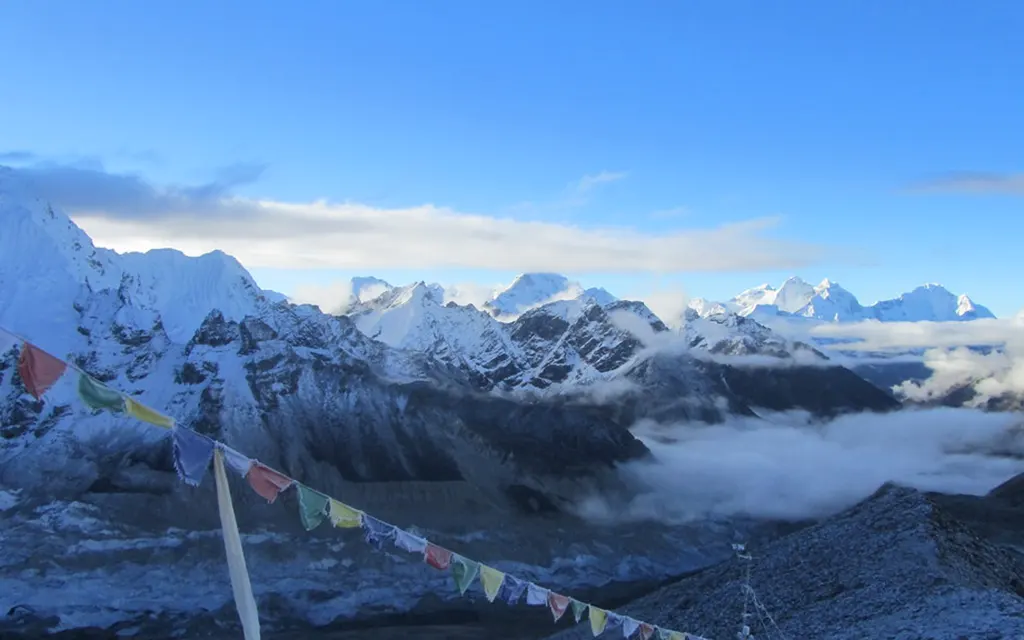
Everest Base Camp short treks are for those who do not have too much time to spend on vacation but wish to reach the base of the world’s highest peak. The majority of the shorter routes involve a helicopter return flight back to Gorakshep or EBC after arriving. The short trek will save the time spent trekking but still give visitors all of the best things about the Khumbu region.
Typically, short trips range from 8 to 10 days. Typically, it starts from the airport in Lukla and then a traditional climb up to Phakding, through Namche Bazaar, Tengboche, Dingboche, Lobuche, Gorakshep and up to Everest Base Camp. Sunrise at Kala Patthar 5,545 m (18,192 ft) is also a popular destination for many trekkers.
What Is Included in the Trek Price?
Before comparing companies, you need to familiarize yourself with what the most trekking packages usually contain.
The standard package usually includes airport transfers, overnight accommodation on the trek, domestic flights between Kathmandu and Lukla (when flights are available), trekking permits, a licensed guide, accommodation for the guide and basic accommodation in the lodge during the trek. Some companies also offer porter service, welcome dinner and hotel accommodation in Kathmandu prior to and after the trek.
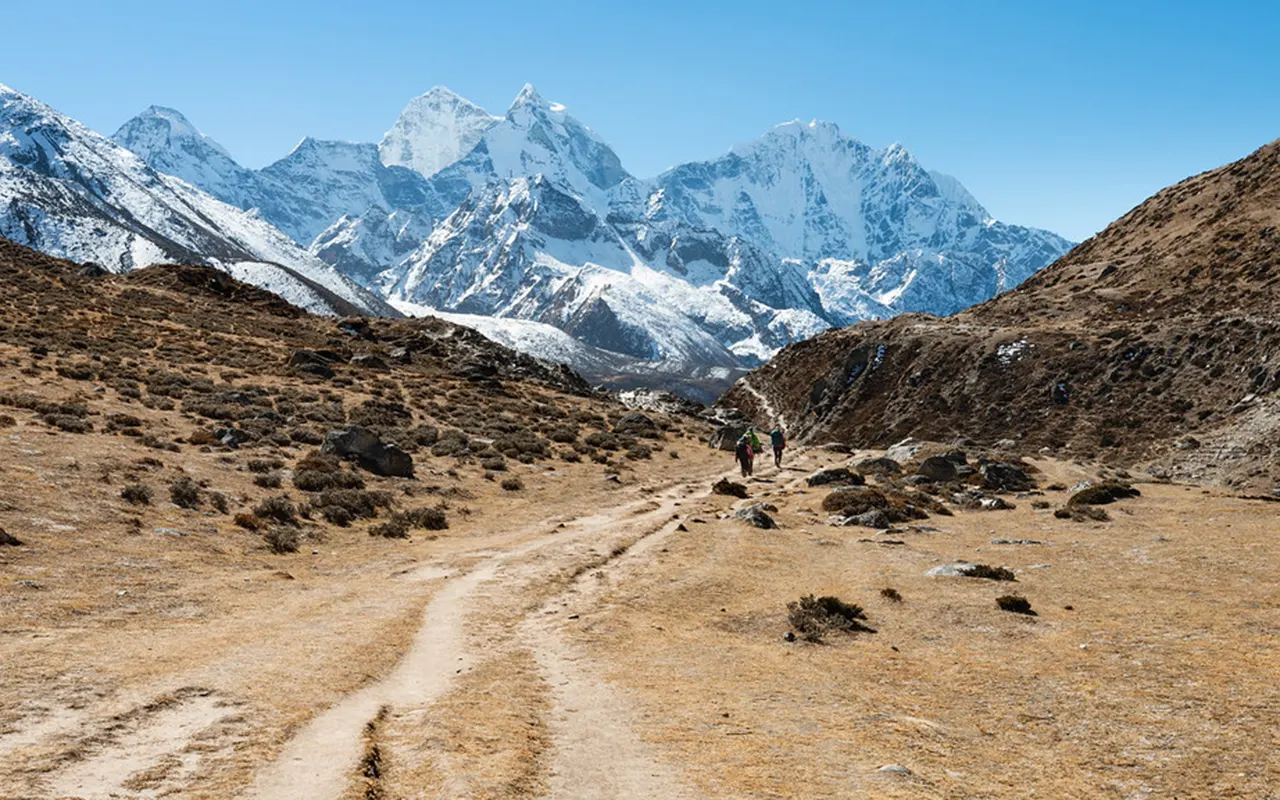
The more premium packages will generally offer you a helicopter transfer, a better hotel in Kathmandu, extra acclimatization support, emergency oxygen and a smaller group size. The additional services provide more comfort, but they also add to the price.
Be sure to thoroughly read the inclusions, as two packages that cost the same can offer drastically different services.
Average Price Range in 2027
The Everest Base Camp Short Trek Cost can differ based on the level of service. The premium companies usually have more expensive packages as they include more services, but there are budget companies that do not include all of the services.
| Package Type | Estimated Price (USD) | Estimated Price (NPR*) |
| Budget Group Trek | $1,450 to $1,750 | NPR 195,000 to 235,000 |
| Standard Group Trek | $1,750 to $2,200 | NPR 235,000 to 295,000 |
| Premium Small Group | $2,200 to $2,900 | NPR 295,000 to 390,000 |
| Private Trek | $2,800 to $4,000+ | NPR 375,000 to 540,000+ |
Approximate values based on an exchange rate of USD 1 ≈ NPR 135. The exchange rates are subject to change.
These prices are influenced most by whether or not the trip involves a helicopter return, the degree of accommodation quality and the size of the trekking group.
Detailed Cost Breakdown
Knowing your spending habits will help you decide if a package is good value.
| Expense | Estimated Cost (USD) |
| Domestic flight | $220 to $450 |
| Helicopter return | $600 to $900 |
| Trekking permits | $50 to $70 |
| Guide | $35 to $45 per day |
| Porter | $25 to $35 per day |
| Tea house accommodation | $10 to $30 per night |
| Meals | $35 to $55 per day |
| Airport transfers | $20 to $50 |
| Kathmandu hotel | $40 to $150 per night |
Due to inflation, operational costs and actual prices may vary slightly in the 2027 trekking season.
Trekking Permit Costs
All trekkers should have all the permits in order before entering the Everest region.
There are two major permits to obtain: Khumbu Pasang Lhamu Rural Municipality Permit and Sagarmatha National Park Entry Permit. Usually, together they cost USD 50- USD 70, subject to future changes by the government, depending on the nationality of the person.
For organized trekking packages, permits are often a part of the cost. Self-guided trekkers need to check the current rates set by the Government before going on tour.
Domestic Flight Expenses
Lukla is still one of the most expensive methods of transport. Many flights use Ramechhap, rather than Kathmandu, during the peak trekking season because of the heavy air traffic.
The price of a round-trip flight is around USD 220 – USD 450. Because of weather delays, the use of helicopters for sharing may be required, which will add to transportation costs.
In the peak of the trekking season, the cost of flying may rise a little due to the high demand.
Why Helicopter Return Increases the Price
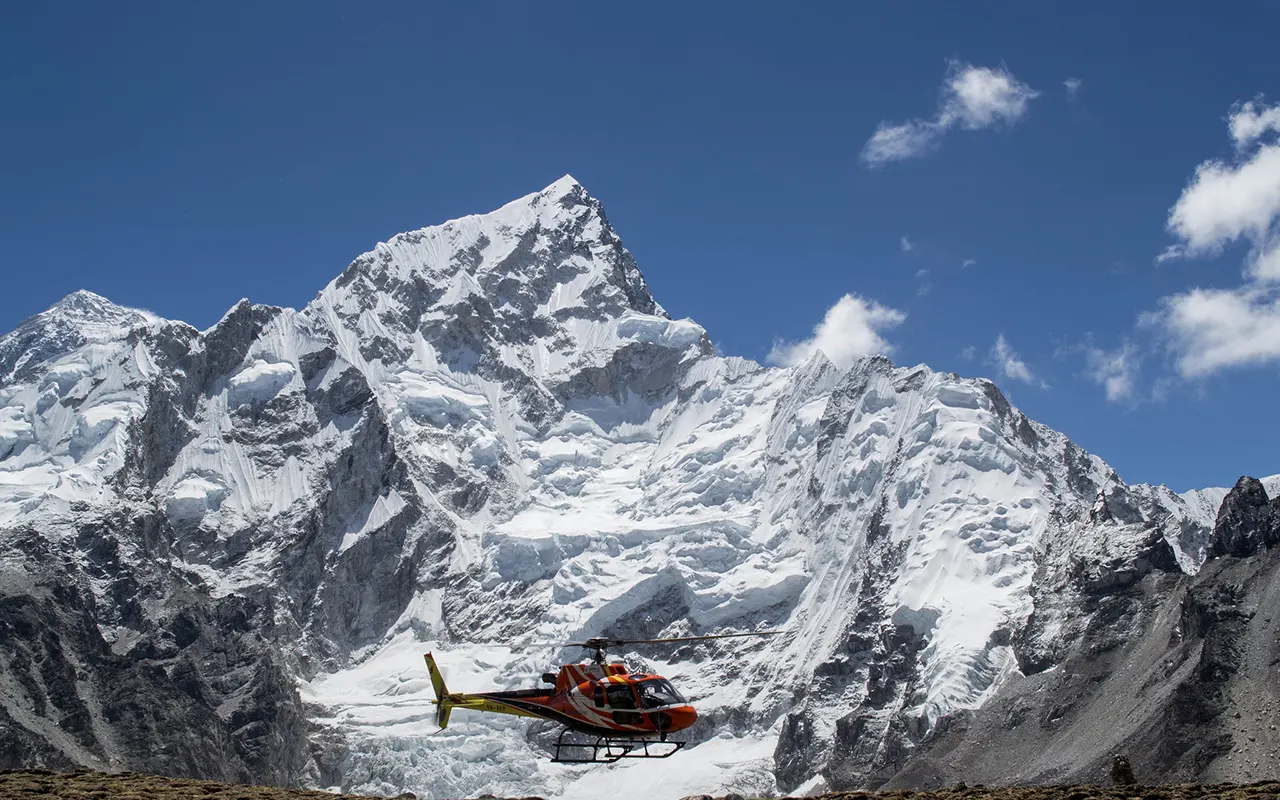
Generally, the Everest Base Camp Short Trek Package involves a helicopter return trip from Gorakshep to Kathmandu or Lukla. This will save several days of walking and will make it easy for those who have only limited time to take the whole trip.
The cost of the shared helicopter seat ranges from USD 600 to USD 900. Private charter helicopter flights are significantly more expensive and can be upwards of USD 3,000 for a few passengers.
The helicopter is expensive, but many people find the extra money for a helicopter flight worthwhile as they are spared the physical exertion of climbing up the mountains and also gain incredible aerial views of the Himalayas.
Guide and Porter Costs
Using professional local employees enhances safety and fun.
The average price of a trekking guide is USD 35 to USD 45 per day. They are responsible for ship navigation, safety control, shipboard and emergency communication.
The cost of porters ranges from USD 25 to 35 a day and they can carry about 20 kg (44 lb) of gear shared between two trekkers. Once you have a porter, you’ll be able to take the stress out of your walk and support local jobs.
The majority of the trekking firms have guides and porter in their packages.
Accommodation Costs
There are simple and comfortable tea houses all over the Everest region.
Most rooms have two single beds, blankets and pillows, as well as shared bathrooms. The facilities are generally better in the lower-elevation villages than in the higher ones.
Below are some approximate room prices.
| Location | Average Room Price |
| Phakding | $10 to $15 |
| Namche Bazaar | $15 to $25 |
| Tengboche | $15 to $20 |
| Dingboche | $15 to $25 |
| Lobuche | $20 to $30 |
| Gorakshep | $20 to $30 |
Expensive because the higher elevations have to be stocked using porters, yaks or helicopters.
Food and Drink Expenses
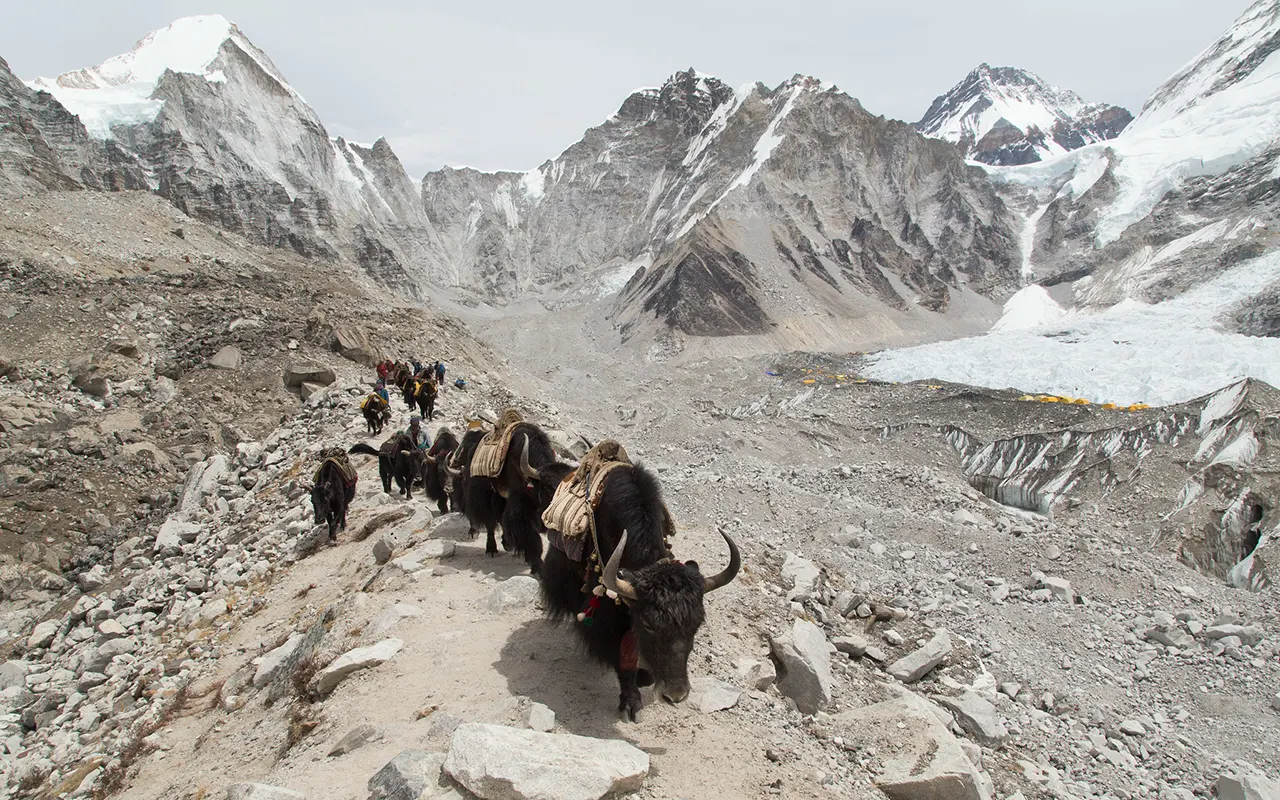
The higher you go, the more expensive the cost of the meal will be, as all the ingredients have to be brought up to the mountains.
Average prices for breakfast are USD 6-10, for lunch around USD 8-12 and for dinner USD 8-15. Some popular choices are dal bhat, fried rice, noodles, soups, pancakes, eggs and potatoes.
With elevation, drinking water, tea, coffee and soft drinks cost more. To save money, many trekkers bring water purification tablets or a water filter that can be reused.
One can usually expect to spend USD 35 to USD 55 per day on food.
Personal Expenses During the Trek
In addition to the cost of the package, each trekker should plan for personal expenses.
Expenses are for bottled water, hot shower, batteries, internet, snacks, laundry, bakery, souvenirs and tips for guides and porters.
Below is a general estimate.
| Personal Expense | Average Cost |
| Hot shower | $4 to $8 |
| Wi-Fi | $3 to $8 |
| Battery charging | $2 to $6 |
| Drinking water | $2 to $5 |
| Coffee | $3 to $6 |
| Snacks | $2 to $8 |
Personal spending on the trek is anywhere from USD 150 to USD 300.
Travel Insurance
Travel insurance is a must-have and not an option.
Everest Base Camp is at an altitude of 5,364 m (17,598 ft), so a good insurance policy should cover trekking at altitude and emergency helicopter evacuation.
The purchase price for insurance is typically in the range of USD 80 to USD 250, depending on the age, nationality and coverage level of the insurer.
Be sure to verify the highest point reached before buying a policy.
Equipment Costs
There are lots of people who already have trekking equipment and for others, they choose the equipment that will be rented in Kathmandu.
Sleeping bags are typically priced at USD 2 to USD 4 per day, down jackets at USD 2 to USD 4 per day and trekking poles at USD 1 to USD 2 per day.
New equipment can range in price from USD 300 to more than USD 1,000, depending on the brand and quality.
How to Save Money
Careful planning is key to reducing the Everest Base Camp Short Trek Price in 2027 without compromising safety.
Avoiding last-minute bookings can save you money and increase the number of flights available. A group trek allows for the sharing of guide and transport expenses. If you have to buy new gear, it can also be very costly, but renting in Kathmandu can help reduce the cost.
Don’t buy extras along the way, bring your own water and snacks from Kathmandu and power banks. The choice of timing also helps to limit the chance of costly weather-related delays.
When Is the Best Time to Trek?
The most popular seasons are spring (March-May) and autumn (September-November).
The weather is relatively stable, mountain vistas are excellent and flights are more reliable during these months. Trails are more crowded and lodging and services are in operation.
The winter season means a drop in temperature and the summer monsoon season makes flights more likely to be canceled and visibility less clear.
Trek prices can slightly fluctuate throughout the seasons, particularly in October.
Is the Short Trek Worth the Cost?
There is a debate about the quality of value the shorter route offers.
This will depend on how much time you have available. If you can only take a week or two off from work, the helicopter trip will allow you to get to Everest Base Camp without missing out on the wonderful adventure of a trek through the Khumbu Valley.
The cost is slightly more than a regular return trip, but the time saved can make up for the extra expense. The helicopter ride offers an exceptional vantage point that not many trekkers will have the opportunity to enjoy.
Sample Budget for One Trekker
The following table is an example of a realistic budget.
| Item | Estimated Cost |
| Trek package | $1,900 |
| Personal expenses | $220 |
| Insurance | $150 |
| Equipment rental | $60 |
| Tips | $120 |
| Extra emergency fund | $200 |
| Estimated Total | $2,650 |
In addition to the standard emergency reserve, it is always advisable to have a backup reserve in case of delays in transit or unforeseen costs.
Yes. These are some extra 500 words that naturally belong to the blog. They’re not going to duplicate any of the other sections and will be adding up to 2,900 words. The keywords are used naturally, no more than one per paragraph.
Factors That Can Change Your Trek Budget
While most trekking companies set an exact price on their package tours, there are several personal decisions that can influence the cost of the tour. If you wish to have private transport, upgraded hotels in Kathmandu or sightseeing before or after the trek, the Everest Base Camp Short Trek Cost can be a little higher. Individuals who have to stay on for additional days due to flight delays should maintain some contingency funds as well. Weather can be unpredictable in the mountains, so having financial cushioning will make your trip less stressful.
The season you select can also have an impact on how much you spend. The season of spring and autumn is the busiest time for trekking, which makes flights, hotels and trekking more in demand. In some cases, the package rates could be slightly higher, but in the end, last-minute bookings might be more expensive. If you travel to Kathmandu during winter and monsoon season, you might find fewer accommodations, which can also lead to further lodging or adjustments in your travel plans due to any weather-related issues.
The size of the group is also a factor. If you are a group of more than two people, many companies will give you a discount because they can spread out the transportation, guide services and operational costs among the many trekkers. Private tours are more flexible and offer more personal service, but they often will be significantly pricier. When travelling with others, it’s important to request a group quotation as this can help lower your travel expenses for each person.
Should You Choose the Cheapest Package?
The cheapest advertised Everest Base Camp package isn’t necessarily the best one. Some companies set lower prices because they withhold some of the services many trekkers are expecting. Charges may be levied separately for airport transfers, porters, domestic flight taxes, sleeping bags and even meals. Don’t just check the final price; look at the list of inclusions before booking.
The company offering a reliable trekking package must offer experienced, qualified, licensed guides, clear pricing, quality lodging and support for weather-induced flight delays. Check out recent reviews from previous guests and ask further questions before booking to prevent any hidden fees later. If you are willing to pay a little extra for a better service, you may end up having a smoother and safer trek.
Money Carrying Tips for the Everest Region
Many trekkers during the Everest Base Camp Short Trek Price 2027 fail to consider cash management. There are very few places to withdraw money after leaving Kathmandu. Namche Bazaar does have an ATM, but it can sometimes be out of service or run out of cash, particularly during the busiest trekking months. In higher villages, there is also little acceptance of card payments.
Hence, it is recommended to have sufficient Nepalese currency with you before the trek. Small denomination notes can be used especially for drinking tea, snacks, charging electronics or buying bottled water. It’s also a good idea to have cash in different pockets or bags in your backpack, so if your wallet or pouch is lost, you still have some cash to cover your needs.
If you are planning, then you can enjoy the journey without any concerns about banking services in remote mountain villages. Getting ready for your Everest adventure will make it easy and stress-free.
Final Thoughts
Careful planning of your budget is one of the most crucial aspects of preparing for an Everest adventure. The overall cost will depend on your destination, mode of travel, accommodation, mode of transport and package provisions. Operators might have slightly different prices, but with a clear picture of each price, it will be more appropriate to choose the operator that meets your expectations.
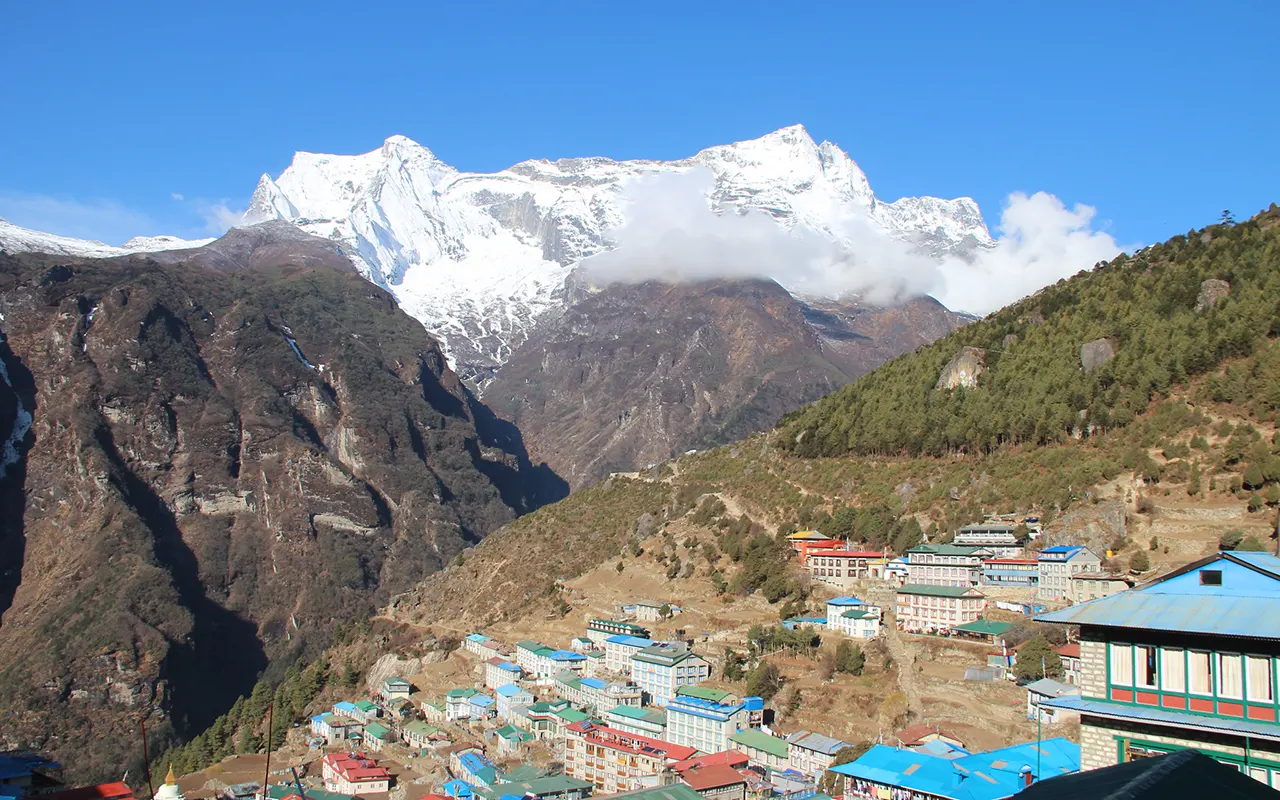
Proper planning of a trip can guarantee you that you can have fun and not worry about any unexpected costs. The whole trip between the colorful Namche Bazaar and the grandiose beauty of the Everest Base Camp (5,364 m /17,598 ft) is bound to leave a memorable experience.
By considering the inclusions of the package, budgeting a specific sum of additional funds for your personal requirements, and purchasing a decent travel insurance package, you can have this amazing trip in the Himalayas without fear and with a realistic budget for spending in 2027.
Best Price Guaranteed, Easy to change Date, Instant Confirmation
Book This Trip Have Questions?
Talk to Expert
Meet Mr. Purushotam Timalsena (Puru), Nepal's best trek and tour organizer, who has been working in the Himalayas for more than 24 years.
WhatsApp/Viber +977 98510 95 800