notification-icon
Join our solo, private, family, & small group joining trips Plan your trip

Lhasa Ali Kailash Tour

trip-expert-puru-timalsena

Need Help? Let's Talk

+977 985-1095800

Best Price Guaranteed, Easy to change Date, Instant Confirmation

Book This Trip

Trip Highlights of Lhasa Ali Kailash Tour

  • Explore the Potala Palace, Jokhang Temple and Barkhor Street in Lhasa.
  • Fly to Ngari to reduce travel time and reach western Tibet comfortably.
  • Pray and perform rituals at the holy banks of Lake Manasarovar.
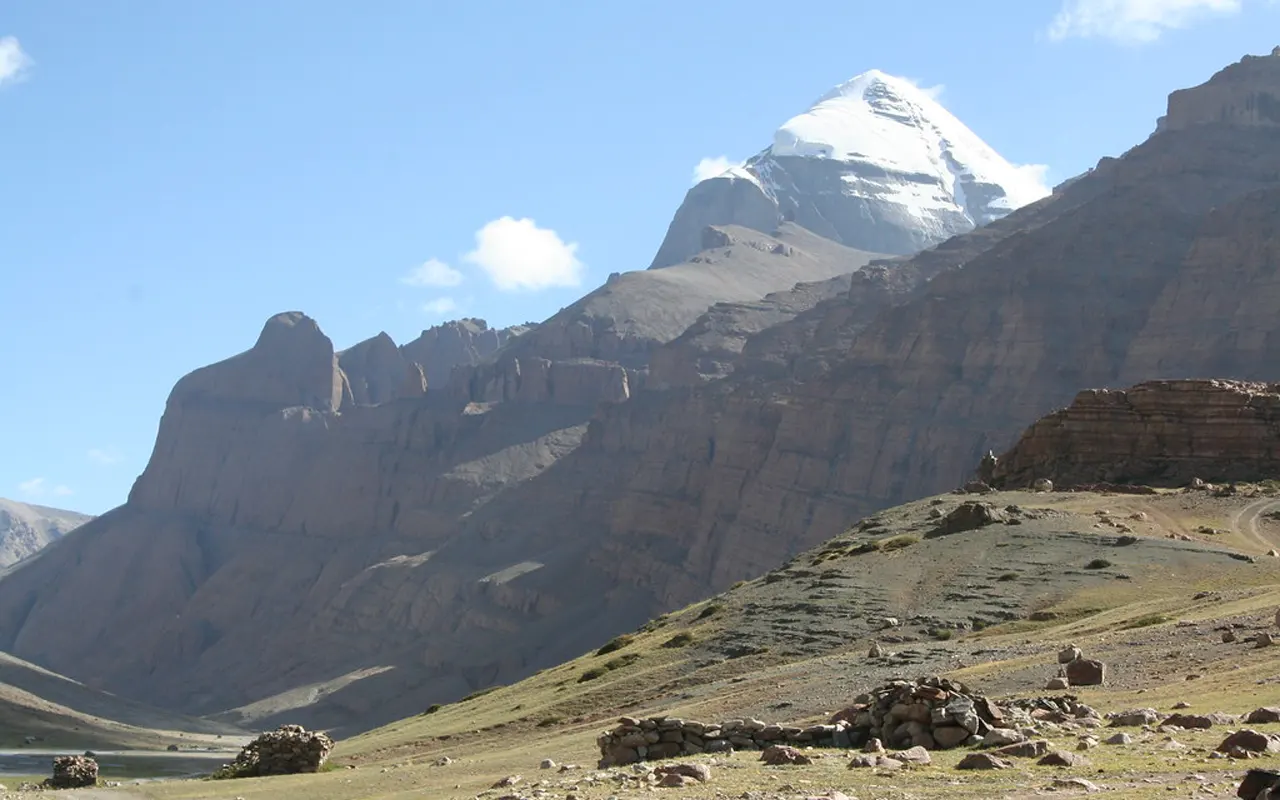
  • Complete the traditional three day Kailash Kora around Mount Kailash.
  • Visit the holy Gauri Kund crossing the famous Dolma La Pass.
  • Explore Tibetan culture, monasteries and isolated Himalayan sceneries.
  • Travel with experienced guides and well organized logistics from Above the Himalaya.

Overview of Lhasa Ali Kailash Tour

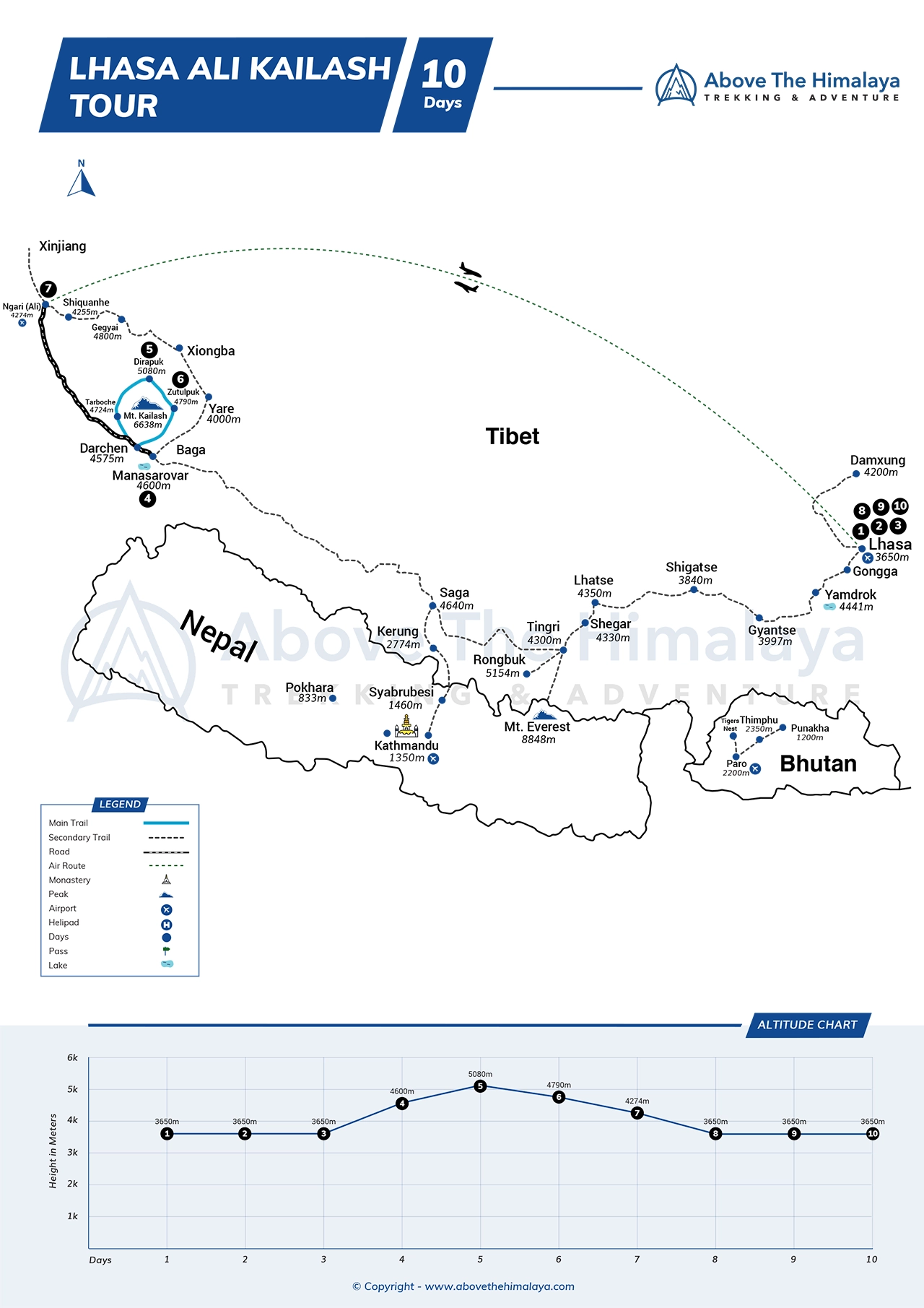
The Lhasa Ali Kailash Tour is a 10 day pilgrimage and a combination of the spiritual sites of Tibet with the sacred trip to Mount Kailash and Lake Manasarovar. This journey is tailored to meet the interests of travelers who wish to explore the culture and religion of the area with an organized route enabling them to spend time sightseeing, acclimatizing and in one of the most respected pilgrimage walks in the world. Regardless of whether you go to see religion, to meditate on yourself or to explore the Tibetan Plateau, this tour is a good blend of history, nature, and adventure.

At Above the Himalaya, we have designed this journey to provide a smooth and well organized travel experience from arrival in Lhasa until your departure from Kathmandu. Our staff handles transportation, permits, accommodation, and local arrangements, while our experienced guides assist you throughout the journey. This itinerary helps reduce long overland travel by using flights between Lhasa and Ngari whenever available, allowing more time to explore the major attractions of Tibet.

Your trip will start in Lhasa, the old capital of Tibet, where you will have time to adapt to the altitude, and explore Potala Palace, Jokhang Temple, and Barkhor Street. These famous landmarks introduce you to Tibetan history, architecture, and daily religious life. A stroll through Barkhor Street with local pilgrims is a memorable cultural experience and the next part of the journey takes you to the remote western region of Tibet.

You will take a scenic flight to Ngari, after which the journey continues to the serene shores of Lake Manasarovar. Before starting the Kailash Kora, many pilgrims pray, conduct rituals, and hold spiritual ceremonies by the lake. The Lhasa to Mount Kailash Tour then proceeds to Yamdwar, where the three day trek around Mount Kailash begins. The road traverses Dirapuk, Dolma La Pass, and the holy Gauri Kund and goes all the way to Zuthulphuk then back to Darchen.

This route, in addition to spiritual significance, features dramatic Himalayan scenery, expansive valleys, elevated altitude lakes, and isolated Tibetan villages that are still closely linked with their culture. The Lhasa Kailash Manasarovar Tour enables tourists to get a glimpse of the local culture as they visit sites that have been receiving pilgrims since time immemorial.

The trek reaches elevations of over 5,600 meters but the itinerary is to be acclimatized at Lhasa and then continued to higher altitudes of western Tibet. We recommend a gradual pace, hydration and frequent rest so that our guides can ensure that travelers adapt well to the altitude. The Lhasa Ali Kailash Tour is a fulfilling pilgrimage that blends cultural heritage, spiritual worship and the incredible scenery of Tibet with proper planning, local experienced support and a well-crafted Lhasa Ali Kailash Tour itinerary.

What to Expect on Your Lhasa Ali Kailash Tour

The Lhasa Ali Kailash Tour is a cultural sightseeing, spiritual pilgrimage, scenic flights and high altitude trekking tour that is well planned and organized into a single trip in Tibet. Starting with Lhasa will also allow you to visit some key sights before moving on to Lake Manasarovar and Mount Kailash, two of the most revered pilgrimage sites in Asia.

Transportation consists of domestic flights, personal vehicles and the three day Kailash Kora on foot. Lhasa and Ngari have comfortable hotels and simple guesthouses are used in areas near Lake Manasarovar and in the trekking path. The Lhasa Ali Kailash Tour itinerary follows a balanced pace, allowing enough time for travel, sightseeing, and proper rest.

The Lhasa to Mount Kailash Tour includes the trek over Dolma La Pass, the highest point of the pilgrimage, making a good level of fitness important. In Lhasa, acclimatization assists tourists to acclimatize to the altitude prior to proceeding to western Tibet. The Lhasa Kailash Manasarovar Tour is suitable for pilgrims, cultural travelers, and adventure seekers who want to experience the sacred landscapes of Tibet.

Why This Tour Should Be on Your Bucket List

The Lhasa Ali Kailash Tour is not just a sightseeing tour. It combines the spiritual heritage of Tibet, its ancient sights, and the religious pilgrimage around the Mount Kailash in one journey. Exploring the Lhasa streets to standing next to the calm water of Lake Manasarovar each step is a different experience that few places can compare.

One of the greatest advantages of this tour is the domestic flights between Lhasa and Ngari, which help reduce long overland travel and give you more time to explore the major destinations of Tibet. The Lhasa to Mount Kailash Tour also incorporates the entire three day Kailash Kora, which enables pilgrims and trekkers to take the traditional route around the holy mountain.

The Lhasa Kailash Manasarovar Tour is an ideal tour that one desires to undertake in order to have a taste of both culture and spirituality. This is an exciting trip with an experienced guide, thoroughly planned logistics, Lhasa Ali Kailash Tour itinerary, some of the most respected and memorable places in Tibet.

Spiritual Sites and Major Attractions

The Lhasa Ali Kailash Tour takes you to some of Tibet’s most important religious and cultural destinations. In Lhasa, you will stop at Potala Palace, Jokhang Temple, and Barkhor Street, where centuries old traditions continue to be an inseparable part of people’s lives. These sites give you a more insightful knowledge of Tibetan Buddhism prior to visiting the distant western plateau.

The journey continues to the sacred shores of Lake Manasarovar, where many pilgrims perform prayers, rituals, and spiritual ceremonies. The Lhasa Ali Kailash Tour program will then take you to Mount Kailash where you will do the conventional three day Kailash Kora. It traverses Dolma La Pass, Gauri Kund, some of the significant pilgrimage sites include Dirapuk and Zuthulphuk.

Lhasa to Mount Kailash Tour also presents breathtaking scenes of the Tibetan Plateau, high mountain passes, open valleys and remote landscapes that have not been much altered by the modern development. Together with the rich spiritual background, the Lhasa Kailash Manasarovar Tour is more than a culturally rich and also naturally satisfying experience.

Itinerary of Lhasa Ali Kailash Tour

DAY
01

Day 01: Arrival in Lhasa and Transfer to Hotel

Upon your arrival at Lhasa Gonggar Airport, our representative will welcome you and transfer you to your hotel. The drive provides a glimpse of the first sight of Tibetan Plateau, the old villages and the mountainous landscape. Since Lhasa sits at an altitude of approximately 3,650 meters, today is reserved for rest and gentle acclimatization.

During the evening, we will have a briefing of the tour to familiarize the itinerary, altitude precaution and answer the questions prior to the start of the journey. On your first day in Tibet we suggest that you relax and drink a lot of water and do not engage in any hard activities.

Car Around 1 hour drive
Accommodation Hotel
Altitude 3,650 m (11,975 ft)
DAY
02

Day 02: Acclimatization Day and Sightseeing in Lhasa

Today is spent in acclimatizing your body to the elevation as you explore some of Lhasa at a slow pace. You will also go to some of the most popular cultural and religious places and will have an opportunity to feel the atmosphere of the city. You can also take your time and keep hydrated as you keep on acclimatizing.

The rest of the day is at your own disposal to roam around the local streets, go to the local stores or even just rest in your hotel. This gradual start prepares you for the higher elevations you will encounter later in the journey.

Car Full Day
Accommodation Hotel
Meals Hotel
Altitude 3,650 m (11,975 ft)
DAY
03

Day 03: Explore Potala Palace, Jokhang Temple, and Barkhor Street

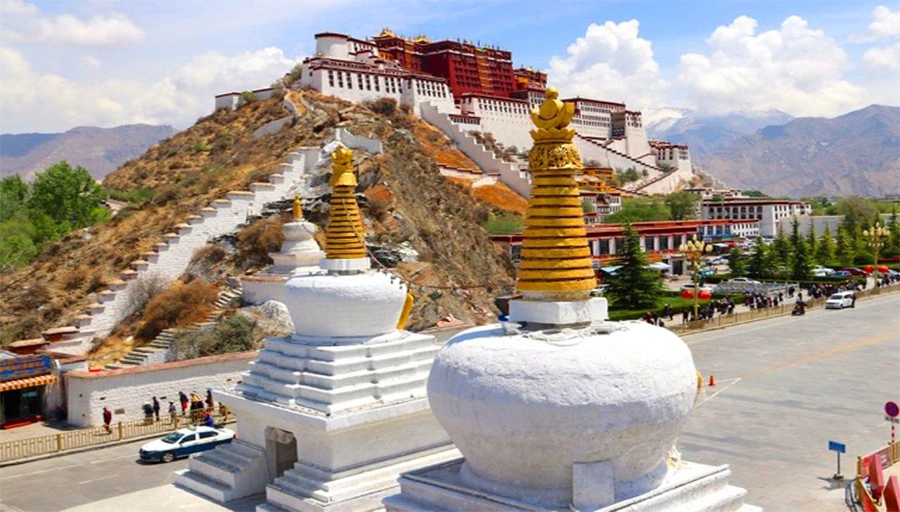
After breakfast, we will spend the day visiting Lhasa’s most important cultural and religious landmarks. The tour begins with a sightseeing tour of one of the most recognizable landmarks in Tibet, the Potala Palace, the former winter residence of the Dalai Lama. Next, we proceed to Jokhang Temple, the center of Tibetan Buddhism, where pilgrims come every day to pray and conduct religious practices.

Then take a stroll along Barkhor Street, a bustling commercial district around the temple. In this place you will be able to see the local life, to visit traditional Tibetan handicrafts and to feel the special atmosphere provided by pilgrims and traders. This last day in Lhasa will provide a lot of insight into the Tibetan culture and you will then proceed to western Tibet.

Car Full Day
Accommodation Hotel
Meals Breakfast
Altitude 3,650 m (11,975 ft)
DAY
04

Day 04: Fly to Ngari (Ali) and Drive to Lake Manasarovar

After breakfast, we will transfer to Lhasa Airport for our flight to Ngari (Ali), the gateway to western Tibet. The flight will allow you to see the expansive Tibetan Plateau and snow covered Himalayan mountains, weather permitting. After arriving, our representative will pick you and will start the scenic journey that will lead to the sacred Lake Manasarovar.

The scenery alters slowly as we move through the high plateau to wide valleys, grasslands and distant mountain ranges. Towards the end of afternoon, we will reach Lake Manasarovar, which is one of the most sacred lakes in Asia. After checking into the guesthouse, you can spend some quiet time by the lakeshore and prepare for the spiritual activities and Kailash pilgrimage that begin the following day.

Multiple Flight and approximately 4 to 5 hours drive
Accommodation Guesthouse
Meals Breakfast
Altitude 4,590 m (15,059 ft)
DAY
05

Day 05: Lake Manasarovar Puja and Trek to Dirapuk via Yamdwar

Early in the morning, we will gather at the sacred shores of Lake Manasarovar for prayers, puja, havan, and other religious rituals. Pilgrims also have a chance to have a holy bath in the lake, but it is up to the weather and their choice. Once the ceremonies are finished, we will take a drive to Darchen and proceed to Yamdwar, which is the traditional starting point of the Mount Kailash Kora.

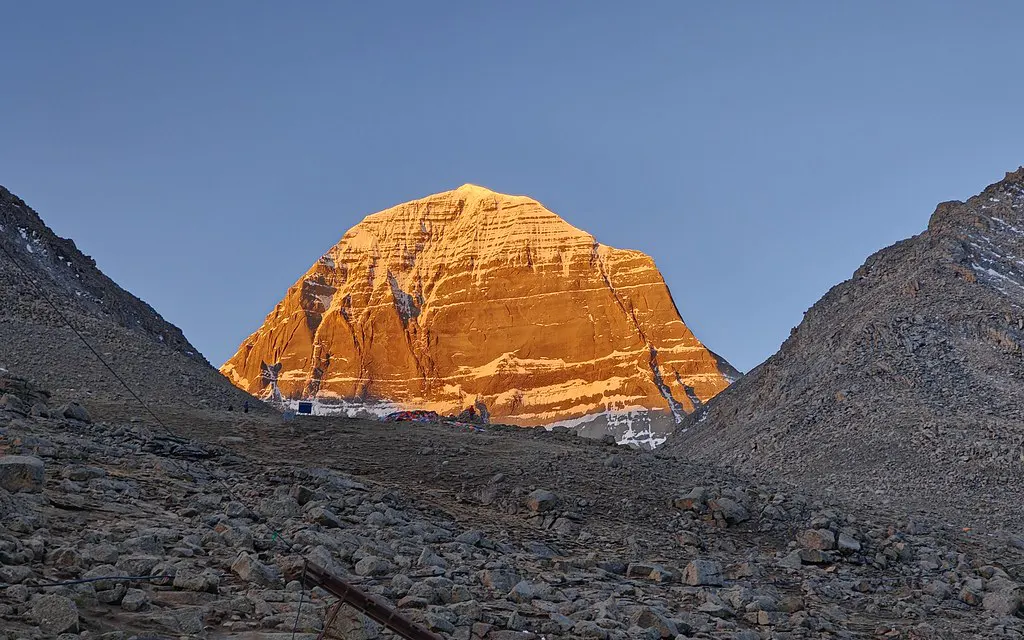
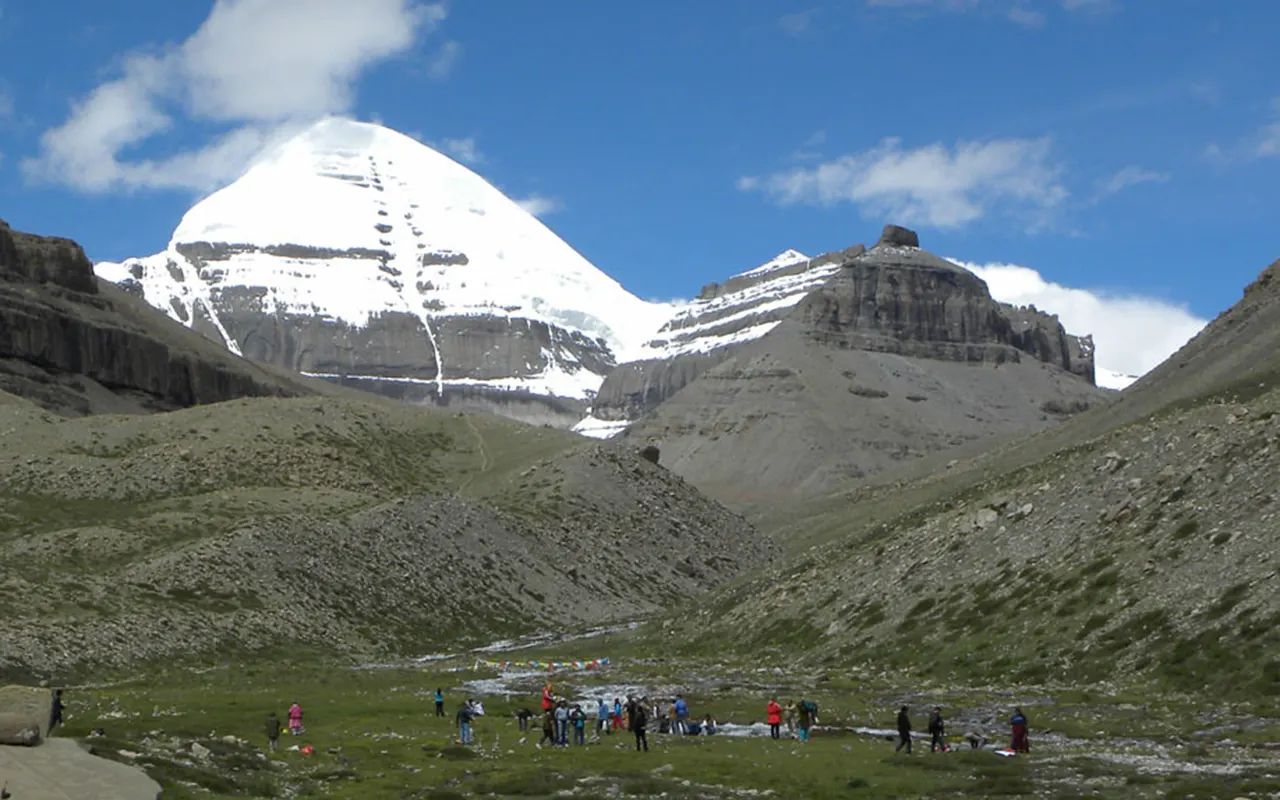
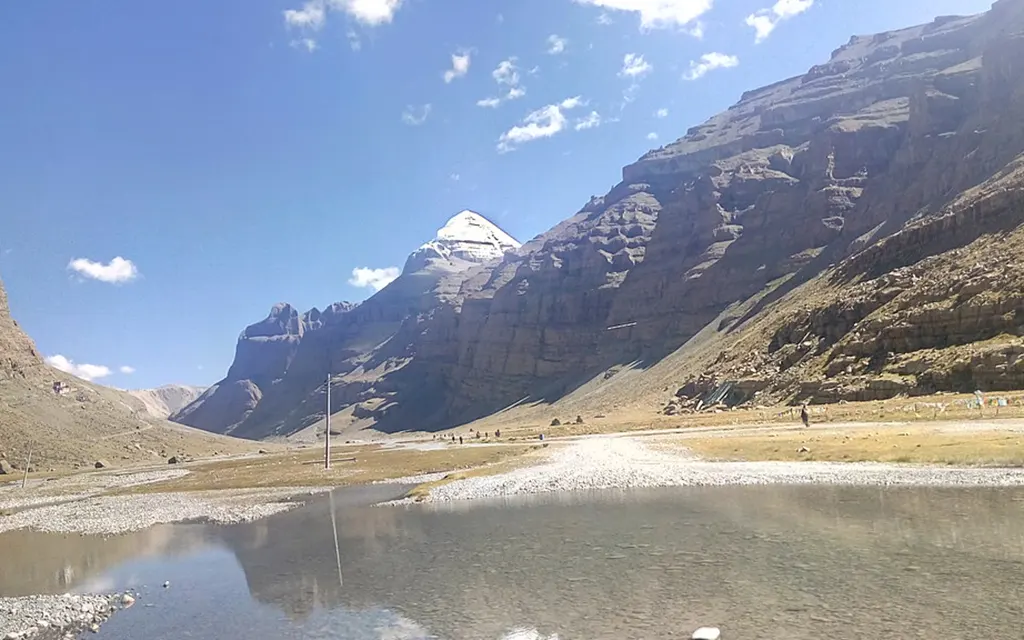
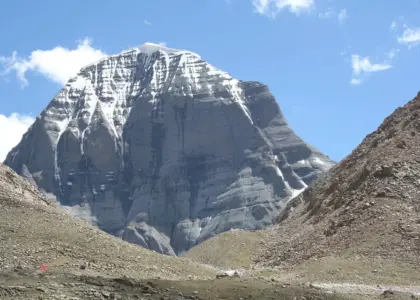
On the first day of pilgrimage trek, we start at Yamdwar and head towards Dirapuk. The trail follows a gradual ascent through the Lha Chu Valley, surrounded by dramatic mountain landscapes. We are now approaching Dirapuk, where we get the fine views of the north face of Mount Kailash, and this is one of the most memorable parts of the journey. Once in the guesthouse, you will be able to sleep and get ready to go through a tough trek over Dolma La Pass the next day.

Car 45 km drive to Yamdwar
Accommodation Guesthouse
Meals Breakfast, Lunch, and Dinner
Trek Distance 12 km trek
Trek Duration Around 5 to 6 hours trek
Altitude Altitude: 5,080 m (16,667 ft)
DAY
06

Day 06: Trek from Dirapuk to Zuthulphuk via Dolma La Pass and Gauri Kund

It is the most challenging and rewarding day of the Kailash Kora today. Our trek will start early in morning and slowly go up to Dolma La Pass, the peak of pilgrimage at around 5,630 meters. The trail starts at the pass, and goes on down past the sacred Gauri Kund, a holy lake of the Hindu faith, and then through rugged mountain terrain before reaching Zuthulphuk.

Although this is the longest walking day, the route rewards you with remarkable mountain scenery and a deep sense of spiritual accomplishment. Upon arrival at Zuthulphuk, you will be able to rest at the guesthouse and have a well deserved rest after the most difficult part of the pilgrimage.

Accommodation Guesthouse
Meals Breakfast, Lunch, and Dinner
Trek Distance 22 km
Trek Duration 9 to 10 hours
Altitude 5,630 m (18,471 ft) at Dolma La Pass
DAY
07

Day 07: Trek to Darchen and Drive to Ngari (Ali) via Tirthapuri

We will finish the last part of the Kailash Kora with a mild hiking to Darchen after breakfast. The accomplishment of this shorter walk is the success of the holy pilgrimage around Mount Kailash. On arriving at Darchen, we will have a vehicle that will take us on to the next stage towards Ngari (Ali).

Along the route, we will see the Tirthapuri, a significant pilgrimage site, which has hot springs and religious value in both Hinduism and Buddhism. We will then proceed to drive to Ngari after spending some time at the location; we will check into the hotel and have a comfortable stay in the hotel after the completion of the Kailash Kora.

Car 3 hours drive
Accommodation Hotel
Trek Distance 8 km
Trek Duration 3 hours
Altitude 4,675 m (15,338 ft) at Tirthapuri
DAY
08

Day 08: Fly from Ngari (Ali) to Lhasa

After breakfast, we will transfer to Ngari Airport for the return flight to Lhasa. The flight also provides an additional chance to take a look at the expansive landscapes of the Tibetan Plateau and the adjacent Himalayan ranges high in the air, weather permitting.

When you arrive at Lhasa, you will be transferred to your hotel by our representative. The rest of the day is at liberty to rest, take a stroll around the city or do some shopping of Tibetan handicrafts and souvenirs before finalizing your trip through Tibet.

Multiple Flight and airport transfers
Accommodation Hotel
Meals Breakfast
Altitude 3,650 m (11,975 ft)
DAY
09

Day 09: Fly from Lhasa to Kathmandu

We will drive to Lhasa Gonggar Airport where you will take an international flight to Kathmandu after breakfast. On your way out of Tibet, you have the pleasure of enjoying your last sight of the Himalayan scenery, before you enter Nepal. When you land at the Tribhuvan International Airport, you will be greeted by our representative who will take you to the hotel.

The rest of the day is at your leisure to relax after your journey or visit the local markets and restaurants. It is also a great time to reflect on your pilgrimage and the memorable experience you have gathered during the tour.

Multiple Flight and airport transfers
Accommodation Hotel
Meals Breakfast
Altitude 1,400 m (4,593 ft)
DAY
10

Day 10: Final Departure

This is the last day of your Lhasa Ali Kailash Tour. Our representative will take you to Tribhuvan International Airport after breakfast as per your flight schedule. We suggest that you come to the airport at least three hours before departing internationally.

We wish you to leave with a good memory of holy monasteries of Tibet, serene banks of Lake Manasarovar, and pilgrimage of a lifetime around Mount Kailash as your trip ends. Above the Himalaya thanks you for traveling with us, and we look forward to welcoming you again on another Himalayan adventure.

Car Airport transfer
Meals Breakfast
Altitude 1,400 m (4,593 ft)

Trip Extension

Suppose you have more time in Nepal after this trip. In that case, we can help you to extend your trip by running different treks in Nepal, tours in Bhutan and Tibet, Jungle safari tours at Chitwan, Bardia, and other National parks, Nepal luxury hotel booking, Rafting, Ultra-light flights, or any other travel-related services. You can get more information here.

Includes/Excludes

What's Included?
  • Airport transfers in Lhasa and Kathmandu as per the tour itinerary.
  • Domestic flights between Lhasa and Ngari (Ali) as mentioned in the itinerary.
  • International flight from Lhasa to Kathmandu as per the tour program.
  • Private transportation throughout the journey in a suitable vehicle.
  • Hotel accommodation in Lhasa and Ngari on a twin sharing basis.
  • Guesthouse accommodation at Lake Manasarovar, Dirapuk, and Zuthulphuk during the Kailash Kora.
  • Breakfast in hotels and meals as specified in the itinerary.
  • Experienced English speaking Tibetan guide throughout the tour.
  • All required Tibet Travel Permit, Alien’s Travel Permit, and Kailash region permits.
  • Entrance fees to sightseeing monuments included in the itinerary.
  • Support for the three day Mount Kailash Kora.
  • Basic first aid support carried by our tour team.
  • Government taxes and company service charges.
What's Excluded?
  • International airfare to and from Nepal.
  • Chinese Visa fee.
  • Nepal tourist visa fee where applicable.
  • Travel insurance covering high altitude travel and emergency evacuation.
  • Lunch and dinner unless specifically mentioned in the itinerary.
  • Personal trekking clothing and equipment.
  • Personal expenses such as drinks, snacks, laundry, internet, charging fees, telephone calls and souvenirs.
  • Tips for guides, drivers and support staff.
  • Expenses caused by flight delays, weather conditions, road closures, political situations or other circumstances beyond our control.
  • Personal medical expenses and emergency rescue costs not covered by insurance.
  • Any services not specified in the “What’s Included” section.

Tour Difficulty

The Lhasa Ali Kailash Tour is termed as a fairly difficult pilgrimage because of the elevation of the route and not the technical challenge of the route. Most of the journey is completed by flight and private vehicle, while the Mount Kailash Kora is completed on foot over three days. The most challenging day of the trekking journey includes the Dolma La Pass that is at around 5,630 meters and demands stamina and continuous walking.

No mountaineering or climbing experience is needed to complete the trek, but even moderate walking can feel challenging at such high altitudes. Our guides walk at a relaxed pace, take frequent rest periods and ensure the welfare of the group during the trip. Lhasa Ali Kailash Tour itinerary has been structured to allow acclimatization in Lhasa before moving to higher altitudes to allow many tourists to acclimatize more easily.

Best Time to Visit

Lhasa Ali Kailash Tour is at its best during spring season in April to June and autumn season in September to October. The weather is usually stable, the mountain views are clearer and the day time temperatures are comfortable to carry out the sightseeing and Kailash Kora. The seasons are also the most preferred pilgrim seasons to Mount Kailash and Lake Manasarovar.

Summer is also an option but sometimes rain may interfere with the travel conditions in certain places. In the late autumn and winter season, the temperatures drop to much lower levels, particularly around Mount Kailash and Dolma La Pass where at times snowfall can cover the trekking path. Lhasa to Mount Kailash Tour is best experienced when the weather is good and there is clear visibility as well as comfortable walking.

Food and Drinks

Food in the Lhasa Kailash Manasarovar Tour is a mix of Tibetan, Chinese, Nepali and basic international food, depending on where the tour is. Hotels in Lhasa and Ngari tend to offer a broader selection of foods, whereas guesthouses around Lake Manasarovar and along the Kailash Kora offer simple but freshly cooked foods suitable to high altitude travel.

The hotels typically serve breakfast, and lunch and dinner are scheduled based on the program. Hot beverages like tea and coffee are common and it is strongly advised that you consume a lot of water during the journey so that your body can acclimatize to the altitude.

Accommodation

Lhasa Ali Kailash Tour accommodation covers comfortable hotels in Lhasa and Ngari, along with simple guesthouses at Lake Manasarovar and the Kailash Kora. Hotels have modern facilities whereas there are guesthouses in remote areas with clean rooms and amenities required to stay overnight.

Facilities get easier as the expedition passes into western Tibet with fewer accommodation choices due to the remote setting. Basic services and shared bathrooms are welcomed during the trekking part, although they offer a convenient and comfortable spot to have a rest before resuming the pilgrimage.

Altitude Sickness

One of the most significant factors when doing the Lhasa Ali Kailash Tour is the altitude. Lhasa is located at approximately 3,650 meters whereas the pilgrimage goes to more than 5,600 meters at Dolma La Pass. Other travelers might have mild symptoms like headaches, fatigue, and shortness of breath or lack of appetite as their bodies adapt to the elevated altitude.

The schedule will allow time to adjust to elevation in Lhasa and then to western Tibet to minimize the chances of altitude related illness. Our guides promote slow walking, frequent hydration, proper meals, and sufficient rest during the trip. In case the symptoms are severe, the necessary measures will be implemented to guarantee the safety and wellbeing of all the travelers.

Physical Preparation

The Lhasa Ali Kailash Tour does not involve technical climbing capabilities but excellent physical conditioning will make the process more comfortable. The three day Kailash Kora is a walk that includes a number of hours a day over high altitude areas, such as Dolma La Pass. Practicing endurance prior to the pilgrimage will make you enjoy the pilgrimage more confidently.

Regular walking, light hiking, jogging, cycling, or climbing stairs are the activities we suggest a few weeks prior to departure. Simple strength and endurance exercises can also improve your fitness for long walking days. The Lhasa Ali Kailash Tour itinerary is designed at a steady pace, but preparing in advance will make the experience more enjoyable.

Tibet Travel Permit and China Visa

All foreign travelers joining the Lhasa Ali Kailash Tour must have a valid Chinese Visa and the necessary Tibet Travel Permit prior to entering Tibet. Extra permits might also be necessary to travel to Mount Kailash and the Ngari area depending on your nationality and route of travel.

Our team will help in the application process of the permit and supply all the supporting documents needed before your tour. It is advisable that travelers make sure that their passport is not older than six months before the date of travel. We suggest that the necessary documents should be submitted early enough to prevent wastage of time.

Nepal Visa Information

You might need a Nepal tourist visa in case you intend to remain in Nepal after the tour although the tour will end in Kathmandu. A large number of travelers could be eligible to receive a visa upon arrival at Tribhuvan International Airport or in certain land border crossings.

Generally required are a valid passport, a passport sized photo and a visa fee. Immigration regulations may change over time, so we recommend checking the latest Nepal visa requirements before your departure. Assuming you have more time to visit Nepal after your pilgrimage, our team could assist you in general information regarding the visa procedure and organize your further trip on this case.

Health and Safety

Your safety is our highest priority throughout the Lhasa Kailash Manasarovar Tour. Our professional guides track weather, road conditions and the health of all the travellers along the way. We recommend a slow approach, frequent hydration and free communication in case you feel any discomfort in high altitude travel.

First aid assistance will be provided during the entire tour, and our staff is ready to take necessary measures in case of some unforeseen circumstances. Adhering to the instructions of your guide and having a rest is also a step to completing the pilgrimage safely and comfortably.

Transportation

The Lhasa to Mount Kailash Tour combines domestic flights, private vehicles, and trekking to provide a comfortable and efficient travel experience. Flights between Lhasa and Ngari, when available, help reduce travel time and you can use it to explore more of the sacred places in Tibet rather than spending hours of your life on long overland trips.

Airport transfers, sightseeing, and travels between major destinations are done by private vehicles and the Mount Kailash Kora is done by foot in three days. Transport is all organized by Above the Himalaya and you do not have to think about the logistics of the transport and can concentrate on the pilgrimage.

Travel Insurance

All people that will be on the Lhasa Ali Kailash Tour are strongly advised to take travel insurance. The trip will also be taking you to some of the most remote places at very high altitudes, therefore, your insurance should cover trekking, medical treatment, emergency evacuation, trip cancellation and sudden travel delays. Being properly covered provides a sense of comfort during pilgrimage.

Always ensure that you go through your policy before traveling to confirm that it covers traveling beyond 5,000 meters since some of the standard insurance policies may limit their traveling altitude. Carry both printed and digital copies of your insurance details so they are easily available if needed during the trip.

Packing List

To remain comfortable during the Lhasa Ali Kailash Tour itinerary, it will be helpful to pack the right equipment. The weather is unpredictable particularly in the Kailash Kora, thus layered clothing is the most suitable one. Warm clothes, comfortable trekking boots, waterproof jacket, gloves, hat, sun glasses, sunscreen and reusable water bottle are highly suggested.

You should also carry personal medication, toiletries, a headlamp, power bank, trekking poles if preferred, and a small daypack for daily essentials. As there might be limited space in the luggage during flying and trekking, you will find it easy to pack what you need instead of carrying too much luggage.

Currency and Payments

The currency that is used all over Tibet is the Chinese Yuan (CNY). Although bigger hotels and even particular shops in Lhasa can take in international bank cards or electronic payments, cash will always be the surest method, especially in isolated locations like Lake Manasarovar and along the Kailash Kora.

We suggest exchanging enough cash prior to departure of Lhasa since banking facilities and ATM become extremely scarce in western Tibet. Keeping small denominations is also useful in personal purchases, snacks or other incidental costs during the trip.

Language and Communication

The main languages that are used in Lhasa Kailash Manasarovar Tour are Tibetan and Mandarin Chinese. In hotels and tourist destinations, there might be some staff who can speak basic English but in the remote villages and guesthouses, there may be less communication.

Our professional guides can help with the translation during the trip, and it becomes much easier to communicate with the local communities. It is also a good etiquette to learn some of the basic greetings in order to relate well with the local people and make your traveling experience more enjoyable.

Internet, Charging, and Mobile Network

At Lhasa and Ngari, hotels usually have internet access, but the speed of connection can be slow. Mobile service is also found in most towns, although there are remote areas of the Kailash Kora and Lake Manasarovar where the signal becomes weak or not available.

Most hotels and a variety of guesthouses have charging facilities, but in some isolated areas, power can be scarce. Lhasa to Mount Kailash Tour participants are advised to pack a fully charged power bank and expect to spend some time without internet and mobile connection.

Photography and Drone Rules

The Lhasa Ali Kailash Tour has numerous chances of capturing monasteries, mountainous scenes, Lake Manasarovar and the holy Kailash mountain. Most outdoor places allow photography, but certain monasteries, temples, and religious halls might not allow photography within. Always follow local regulations and respect signs indicating where photography is not allowed.

The application of drones in Tibet is regulated and might not be used without prior permission by the concerned authorities. Before traveling, travelers intending to carry a drone are advised to ensure that they have the updated regulations. It is always best to respect local practices, and to ask permission before taking photographs of individuals.

Your Extra Expenses

The primary Lhasa Ali Kailash Tour package covers the basic services but you must allow yourself some expenses in the journey. These can consist of drinks, snacks, laundry, personal shopping, charging fees where needed, internet services, and guide and driver tips.

As there are few card payment facilities in remote areas of western Tibet, it is strongly advised to carry enough Chinese Yuan in cash. A small personal budget also means that you are able to buy souvenirs or other things without having to be inconvenienced during the trip.

Do’s and Don’ts During the Lhasa Ali Kailash Tour

Lhasa Ali Kailash Tour itinerary is based on a holy pilgrimage path, which is admired by the representatives of multiple faiths. Wear simple clothes when approaching monasteries and other religious places, obey the instructions of your guide, and observe the traditions of the country during the tour. When walking, it is important to walk slowly and to maintain water balance, and you should tell your guide whenever you feel unwell so that you will finish the pilgrimage.

Do not litter, disrupt religious rituals, steal stones or prayer flags, and create too much noise at holy places. You should also not hurry at high altitudes because slow movement will get your body used to it more easily as you go on the trek.

Tour Extensions

After completing the Lhasa Kailash Manasarovar Tour, many travelers choose to extend their holiday with additional sightseeing or trekking in Nepal. The most popular ones include a cultural tour of Kathmandu Valley, Pokhara, wildlife safari in Chitwan National Park or short Himalayan trekking tours.

In case you want to spend more time in Tibet or Nepal, our team can make you a tailored extension on the basis of your interests, travel schedule and time. Before or after your pilgrimage, we will be glad to suggest appropriate options.

Cultural Etiquette and Pilgrimage Guidelines

The Lhasa to Mount Kailash Tour traverses areas of great religious significance to the Buddhists, Hindus, Jains, and Bon followers. One of the aspects of the journey is to respect local customs and traditions. Wear proper clothes, keep low tones in monasteries and obey the instructions of monks, the local government, and your tour guide when you are in holy places.

In Kailash Kora, it is a religious ritual where many pilgrims walk clockwise around the mountain. Patience, respect towards other pilgrims, and assistance in maintaining the natural environment will add to the experience of all the pilgrims in a meaningful way. By visiting respectfully to local culture, you can experience the spiritual meaning of this extraordinary pilgrimage to the fullest.

Most Asked Questions by Travellers

General General

Starting in Lhasa enables travellers to slowly acclimatize themselves in a relatively low elevation of about 3,650 meters before climbing to the extremely high levels of about Mount Kailash. It also allows you to visit the key cultural sites in Tibet before you start the pilgrimage.

To minimize long overland travel, this itinerary utilizes Lhasa to Ngari flights when available. You will save time on the road and have more time to visit Lake Manasarovar and Mount Kailash as well as other significant places in western Tibet.

Dolma La Pass is the summit and it is a height of about 5,630 meters (18,471 feet). This is crossed on the second day of the Kailash Kora.

Yes. The itinerary also incorporates acclimatization in Lhasa, and then to high elevations thus is appropriate to most people who are first time visitors and are in good health and reasonably fit.

Yes. One of the most admired pilgrimage sites in the world and regarded holy amongst Hindus, Buddhists, Jains, and the Bon religion is Mount Kailash.

Yes. Although many of the travelers are not going to Tibet with religious motives, they still join the tour to explore the unique culture of Tibet, dramatic scenery, and historic monasteries.

The Kailash Kora begins at Yamdwar after visiting Lake Manasarovar and takes three days to complete before returning to Darchen.

Some past trekking experience is desirable but not mandatory. Technical trekking experience is not as important as good level of fitness, proper preparation and capacity to walk several hours a day.

Preparation & Fitness Preparation & Fitness

A moderate level of fitness is recommended for the Lhasa Ali Kailash Tour. Though a significant portion of the route is done by car and air, the three day Kailash Kora has a number of hours of walking per day at high altitude.

Some past trekking experience is desirable though not essential. Good health, reasonable stamina, and proper preparation can ensure the pilgrimage is successful by travelers.

Walking, hiking, jogging, bicycle riding or climbing stairs several weeks before a trip can help you become more enduring. It is better to prepare, which will make the days of trekking more comfortable.

Yes. The toughest aspect of the tour is the Kailash Kora, particularly the day on which you cross Dolma La Pass. Strolling at a slow and steady pace and making frequent pauses will accomplish the walk safely.

Yes. There are numerous elderly tourists who complete the tour at the end of every year. It is advisable to be in good physical condition and have the consent of your physician before going to high altitude.

Yes. Beginners with good fitness and proper preparation can complete the pilgrimage. Our guides keep a reasonable pace and offer support in the course of the trek.

Running exercises will make you more fit, but there is no exercise which can make your body ready to high altitude. The itinerary has acclimatization days that allow your body to adapt naturally.

On average it will take between 5 and 10 hours per day to walk the trail, depending on the part of the trail, weather conditions, and group speed.

Permits Permits

Yes. A large number of foreigners planning to participate in the Lhasa Ali Kailash Tour will need a valid China Visa. Visa requirements may vary depending on your nationality.

Yes. Any foreigners traveling to Tibet are required to carry a Tibet Travel Permit to visit Tibet. There are also other permits needed to travel to the Mount Kailash and Ngari region.

Above the Himalaya will help in the permit application process and procure the required travel permits to do the tour.

You will need a clear copy of your passport and China Visa. Further documentation can be demanded in accordance with the existing travel laws.

Processing normally requires a number of working days. We advise that you send the required documents at least a long time before your departure.

No. Foreigners are required to use a licensed guide and an authorized tour operator, in accordance with the existing rules of travel to Tibet.

You will be informed in the application process by our team. We shall recommend the best available options in rare delays depending on the prevailing circumstances.

Yes. Tibet travel policies may change from time to time. We never disobey the latest official rules and will present new information to you before your tour starts.

Insurance and Visa Insurance and Visa

If you are returning to Kathmandu and plan to stay in Nepal for a while, you may need a Nepal tourist visa, depending on your nationality. Many visitors are able to obtain a visa on arrival at Tribhuvan International Airport.

Yes. Nepal tourist visa can be given to citizens of most countries on entering the Nepal borders at the Tribhuvan International Airport or when entering the country through certain land borders. Before travelling, please ensure that you check the most recent eligibility requirements.

You will normally need a valid passport with at least six months validity, a passport sized photograph and the visa fee. Immigration requirements may change so it is worth checking the latest information before you travel.

Nepal has tourist visa of various periods, 15, 30, and 90 days. You have the chance to select the one that is most suitable to your traveling plans.

Yes. As per the existing immigration laws, tourist visas can be extended at the Department of Immigration in Kathmandu.

No. Nepal Visa charges are generally not included in the tour package and have to be borne by the traveler unless otherwise.

Visa charges are normally to be paid in the accepted currencies as detailed by Nepal Immigration. We suggest that you check the new payment options prior to arrival.

Yes. Our team will assist you in getting the general advice on Nepal Visa requirements and preparing to arrive in Kathmandu.

Travel insurance is strongly advised to all travelers who will be taking part in the tour. It offers financial coverage to sudden medical issues, cancelation of trips, and upheaval of traveling.

In addition to the high altitude trekking, emergency medical treatment, evacuation, trip cancellation and personal accident should be included in your policy. You should ensure that you are covered by your policy on traveling above 5,000 meters.

No. Emergency evacuations are not usually part of the package, and are normally included in your travel insurance.

The trip takes it through remote regions having few medical centers. Complete travel insurance is an added advantage in the event of unforeseen circumstances.

Yes. We advise you to bring printed and electronic versions of your insurance policy and emergency contact information along the trip.

No. It is highly advisable to buy extensive travel insurance prior to departing your country.

It will vary depending on your personal policy. Most all inclusive insurance covers have provisions on allowable flight delays, cancellations and other disruptions in travel.

We advise you to buy insurance with a reputable company in your mother country. Our staff can suggest what kind of coverage will be appropriate for this tour.

Guides & Support Staff Guides & Support Staff

Yes. You will have a qualified English speaking Tibetan guide to guide you through the trip, helping with sightseeing, permits, local culture and Kailash pilgrimage.

Yes. Our guides are highly experienced in guiding pilgrims and travelers through the Kailash Kora, and are well versed with the terrain, altitude and local laws.

Yes. During the tour, your guide will be able to help in communication and it will be easier to communicate with local people, hotel staff and service providers.

Yes. Your guide will tell you the history, culture, and religious meaning of the monasteries, temples, Lake Manasarovar and Mount Kailash and this makes your journey more meaningful.

Yes. Porter and yak services can be provided during the Kailash Kora at an extra charge, provided locally. They will be able to assist in transportation of your personal baggage as you finish the walk.

Yes. Individual porter and yak services may be typically booked in advance of the trek. Do tell us before hand whether you should like any assistance in these arrangements.

Yes. Our guides carry a basic first aid kit and have experience assisting travelers during high altitude journeys. In case of any health related issues during the tour, they will react accordingly.

No. Tipping is not compulsory although it is welcome in case you are pleased by the service delivered by your guide, driver, and support crew.

Accommodation and Facilities Accommodation and Facilities

The tour will involve comfortable accommodations in Lhasa and Ngari, and austere guesthouses at Lake Manasarovar and Kailash Kora. The choice of accommodation will be dependent on the available facilities of the best location.

The accommodation is usually done on a twin sharing basis. Some locations might have single rooms on request and depending on availability.

Guesthouses are basic, clean and have facilities to stay overnight in the hilly areas. They are a convenient place to sleep in the pilgrimage.

Hotel rooms normally have attached bathrooms whereas guesthouses along the trekking route normally have shared bathrooms.

Hot water is usually available in the hotels, but in remote guesthouses it may be limited because of local facilities and weather conditions.

Yes. Hotels are well equipped with electricity and guesthouses normally have little electricity to light and charge electronic equipment.

Internet and WiFi are generally found in most hotels in Lhasa and Ngari, but in remote guesthouses surrounding Mount Kailash and Lake Manasarovar, internet and WiFi can be slow or unavailable.

Yes. Charging facilities are available at most accommodation places, though there are guesthouses that may have a nominal fee, or may restrict charging hours.

Food and Drinks Food and Drinks

Food consists of a mixture of Tibetan, Chinese, Nepali and basic international delicacies, based on the location. Hotels are more diverse, and guesthouses provide freshly cooked food that is applicable in high altitude traveling.

Yes. There are many vegetarian dishes along the way. Before the tour, we would love to know your eating habits so that we can make the appropriate arrangements.

It is possible that vegan food is offered by most hotels and restaurants, but in the more isolated places, they can be fewer. Please let us know in advance if you have any special dietary requirements.

Yes. The meals are prepared by the hotels and guesthouses on the way. It is always better to eat the fresh food while you are on the travel.

Yes. There is bottled and boiled drinking water at most of the stops. It is better to avoid the untreated water and keep well hydrated in the journey.

Yes. Snacks and light refreshments are served in Lhasa, Ngari, and a few settlements along the road. Making decisions is however more restricted in rural places.

Yes. Hotels and guesthouses usually have tea and coffee on offer. Hot beverages are also highly appreciated on the colder mornings and evenings.

Meals are provided according to the itinerary. Have a look in the Whats Included section which will show precisely which breakfasts, lunches and dinners come with your package.

Weather & Seasons Weather & Seasons

April- June is the usual spring and September- October is the usual autumn, as the best seasons. These are normally good months of the year with good weather, stable weather and a clearer view of the mountains surrounding.

Yes. The tour is suitable during summer, but there might be occasional rainfall in certain places. Unless weather conditions have an impact on transportation, travel plans usually proceed as planned.

Yes, however, in winter it is much colder, particularly on Mount Kailash and Dolma La Pass. Travelers should be prepared with appropriate cold weather clothing.

It can also snow at the higher areas especially at Dolma La Pass as well as in the colder months. The conditions of trails vary according to weather and time of the year.

Season and altitude have different temperatures. Mornings and evenings are very cold, even in spring and autumn, particularly in the vicinity of Mount Kailash.

Yes. Tibetan Plateau weather is also subject to change especially in high altitudes. It is always advisable to bring with them layered clothing and rain cover.

Occasionally. Weather or operational delays or rescheduling of flights may occur. Our group will help you with some travel arrangements.

Late autumn and winter generally have fewer travelers compared to spring and autumn. People who want a less noisy pilgrimage can consider these times, but They should be prepared for cold weather.

Health & Safety Health & Safety

There are some altitude related symptoms which can be mild in some travelers since the trip will reach some altitudes higher than 5,600 meters. The risk can be reduced by proper acclimatization, hydration and slow pace.

Mild symptoms could consist of headache, dizziness, fatigue, shortness of breath, nausea, or lack of appetite. Any kind of symptoms should be reported to your guide.

The best way to help your body adjust is to spend some time acclimatizing in Lhasa, drink lots of water, eat well, avoid alcohol and walk at a slow pace.

Yes. Professional guides also take care of the welfare of every tourist and help when necessary during the trip.

Yes. You are to carry all the recommended drugs, and any personal medical supplies you might require during the trip.

Depending on support arrangements and the situation, emergency oxygen can be provided on demand. Your guide will decide on the response best suited in case of altitude related problems.

Our team will evaluate the case and provide the most suitable help, according to your condition, location, and the medical facilities available. It is highly advisable to have travel insurance that includes emergency evacuation.

Yes, lots of pilgrims successfully make the pilgrimage every year, when they are well prepared, acclimatized, and guided. To have a safe journey, you need to follow the guidance of your guide and pay attention to your body.

Packing & Gear Packing & Gear

Pack layered clothing suitable for changing weather conditions. Recommended are warm jackets, thermal wear, trekking pants, gloves, warm hat and waterproof outer wear, particularly, the Kailash Kora.

Yes. Good ankle support and grip trekking shoes are highly advisable in the three day Kailash Kora, comfortable, well broken in, and good ankle support.

Guesthouses offer simple sleeping, though a warm sleeping bag can be a nice addition to this especially in colder seasons.

Trekking poles are not compulsory but strongly suggested. They are more balanced and they take off pressure on your knees during steep ascends and descends particularly when passing across Dolma La Pass.

We suggest sunscreen, lip balm, sunglasses, a reusable water bottle, toiletries, personal drug, headlamp, and a power bank to charge electronic devices.

Yes. You can buy or rent trekking equipment including sleeping bags, trekking poles, jackets and duffel bags in Kathmandu before the trip.

A 20-30 liter daypack is usually enough to carry your day-to-day necessities while sightseeing and doing the Kailash Kora.

Yes. Bring enough Chinese Yuan to use up personally because ATM and card payment machines are not widespread in the more distant areas of western Tibet.

Booking & Payment Booking & Payment

To make the booking of the tour, you can contact Above the Himalaya via our web site, e-mail or other means of official communication. Our staff will introduce you to booking and will give you all the required information and confirm your reservation.

Yes. To secure your booking and start the work on the permits, flights, accommodation, and other tour arrangements, an advance deposit is always needed.

The balance is usually paid before the tour start in accordance with the conditions of the reservation. Our team will recommend to you the payment schedule when making the booking.

We accept the bank transfer, online payment and other accepted payments. During booking, you will be notified about the options at hand.

Yes. The date can be changed based on the availability of flights, the permission of the permits, and accommodation. Contact us as soon as possible in case you have to change something.

The cancellation policies vary with the time of the cancellation and services that have been confirmed. Certain expenses such as permits and flight tickets cannot be refunded after they are issued.

Yes. Once your booking is confirmed, we will e-mail you a confirmation as well as your itinerary, travel information and preparation guidelines.

Yes. Individuals, families and groups can book private departures. The itinerary can also be tailored to your schedule and preference of the travel.

Transportation & Flight Transportation & Flight

The tour is a combination of internal flights, car transfers and the three day Kailash Kora walk. This will enable you to tour western Tibet in a more comfortable fashion as well as minimizing long overland travel.

Yes. The package will involve domestic flights in Lhasa and Ngari (Ali) as shown in the plan.

Yes. The package includes the international flight from Lhasa to Kathmandu as mentioned in the itinerary.

Airport transfers, sightseeing, and destination-to-destination travels are done on private vehicles that are appropriate to the group size and road conditions.

Yes. Flight schedules may be subject to change due to weather, operations or airport regulations of the airlines. We will inform you of any changes.

Most roads are in good condition, some remote places are rough depending on the weather and road condition. With experienced drivers, the ride is safe and comfortable.

The greatest amount of sightseeing is accomplished with limited walking and the Mount Kailash Kora takes three days walking with 5 to 10 hours of walking a day.

Above the Himalaya will take care of all logistics in the itinerary so that you do not have to be concerned with any transportation.

Reviews on Lhasa Ali Kailash Tour

Be first to post a review in this trip.

Best Price Guaranteed, Easy to change Date, Instant Confirmation

Book This Trip
Book with Confidence
  • Flexible bookings and easy trip date changes
  • Personalized service and customized group sizes
  • Safe travels with owner-operated services and highly experienced guides
  • Best price guarantee for the most value for your money
  • Secure & easy online booking
Your Trek Leader

Trek Leader Enjoy Himalayan scenery with the help of Nepal’s best guides with Government license holders and got training in first-aid, our Trip Leaders, know where you’ll find the best photos, most fascinating wildlife, and the best stream crossings.

Trips for All

Divider
Private Trip
Peaceful tour with your travel buddy and guide
Small Group Travel
Travel with people having similar adventure dreams
Trips for Kids
Calling all young adventurers - join us for a journey of a lifetime!
Trips for Adventurers
Climbing & mountaineering adventures for thrill-seekers
Live Chat Support
Purushotam Timalsena
Purushotam Timalsena Travel Expert
We'll plan the perfect personalized vacation for you.
Request for Assistance ⮞