notification-icon
Join our solo, private, family, & small group joining trips Plan your trip

Mohare Danda Trek – 6 Days

trip-expert-puru-timalsena

Need Help? Let's Talk

+977 985-1095800

Best Price Guaranteed, Easy to change Date, Instant Confirmation

Book This Trip
Trip Duration 6
Maximum Altitude 3,300
Difficulty Grade Moderate
Best Seasons Autumn, Spring

Trip Highlights of Mohare Danda Trek – 6 Days

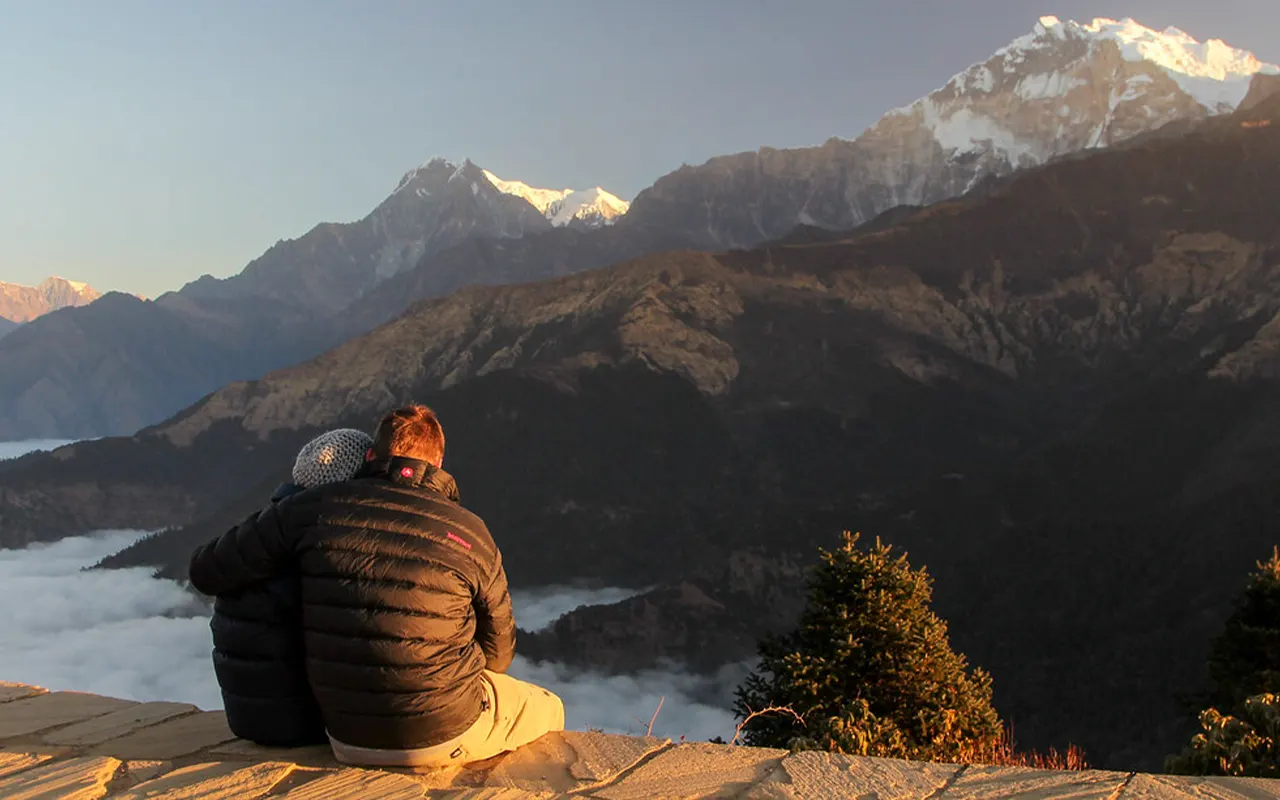
  • Enjoy peaceful sunrise mountain views from Mohare Danda.
  • Walk through traditional villages with authentic local culture.
  • Experience quieter trekking trails away from busy tourist routes.
  • Stay in simple tea houses and enjoy local mountain hospitality.
  • Walk through forest trails, hillside paths, and farming communities.
  • See Himalayan views including Annapurna, Dhaulagiri, and Machhapuchhre.
  • Complete a rewarding short trek with a comfortable walking pace.

Overview of Mohare Danda Trek – 6 Days

The Mohare Danda Trek is a comfortable short trekking journey for travelers who want a quieter route in the Annapurna region without committing to a long and demanding trek. This trail is one we genuinely enjoy recommending because it offers a good balance of village life, forest walking, mountain views, and a manageable pace. Our team has arranged this route for many travelers who wanted something peaceful and rewarding without the busier trekking crowds found on more commercial trails.

This journey begins with a drive to Galeshwor, followed by the first walk to Banskharka. The road section can be long depending on traffic and road conditions, but we always explain this honestly before the trip starts so there are no surprises. Once the walking begins, the environment changes quickly from roadside settlements to quiet village paths and forest trails. The route feels calm from the beginning, which many of our guests appreciate.

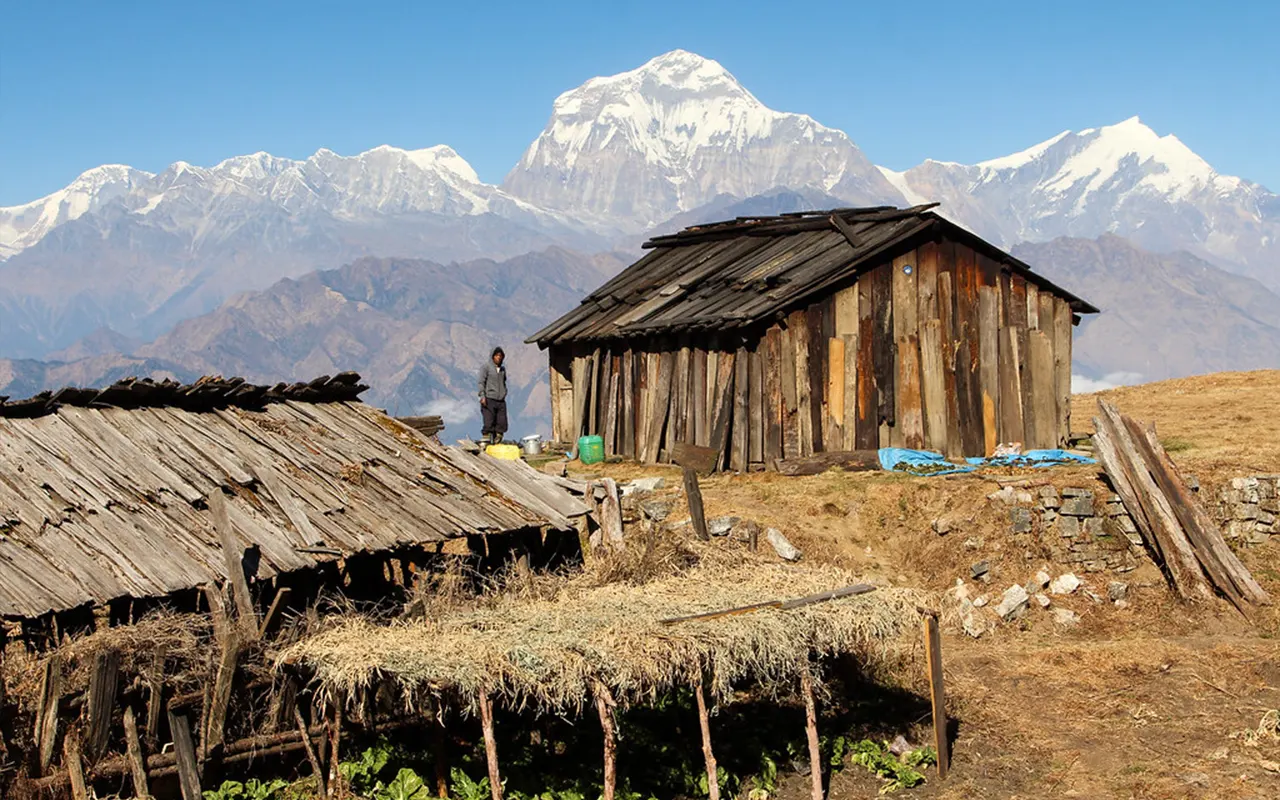
The trail passes through welcoming mountain communities where daily life continues at a natural pace. Villages like Nangi, Khibang, and Tikot are not built around heavy tourism, which gives this trek a more personal feeling. You will see local farms, schools, traditional homes, and simple tea houses where people greet visitors with genuine warmth. For travelers looking for a more meaningful connection with local life, the Mohare danda trek from Pokhara is a very suitable choice.

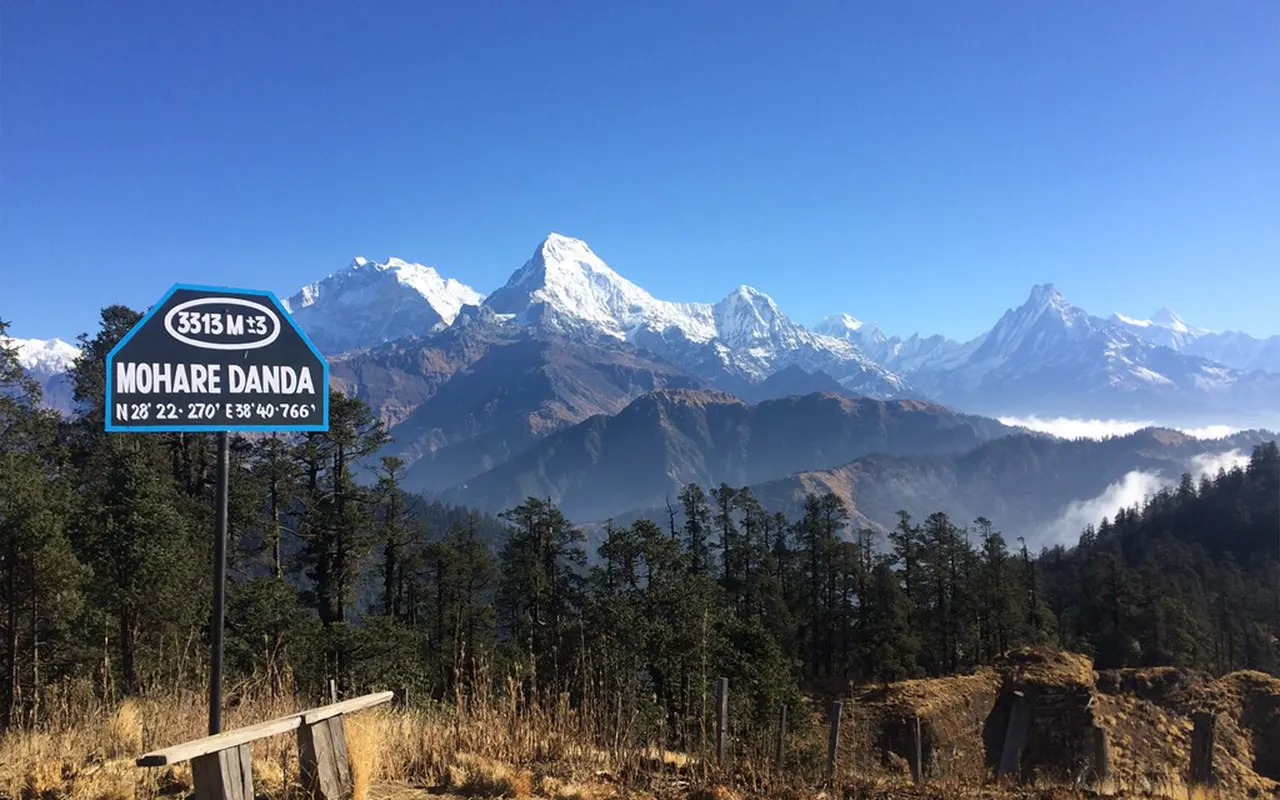
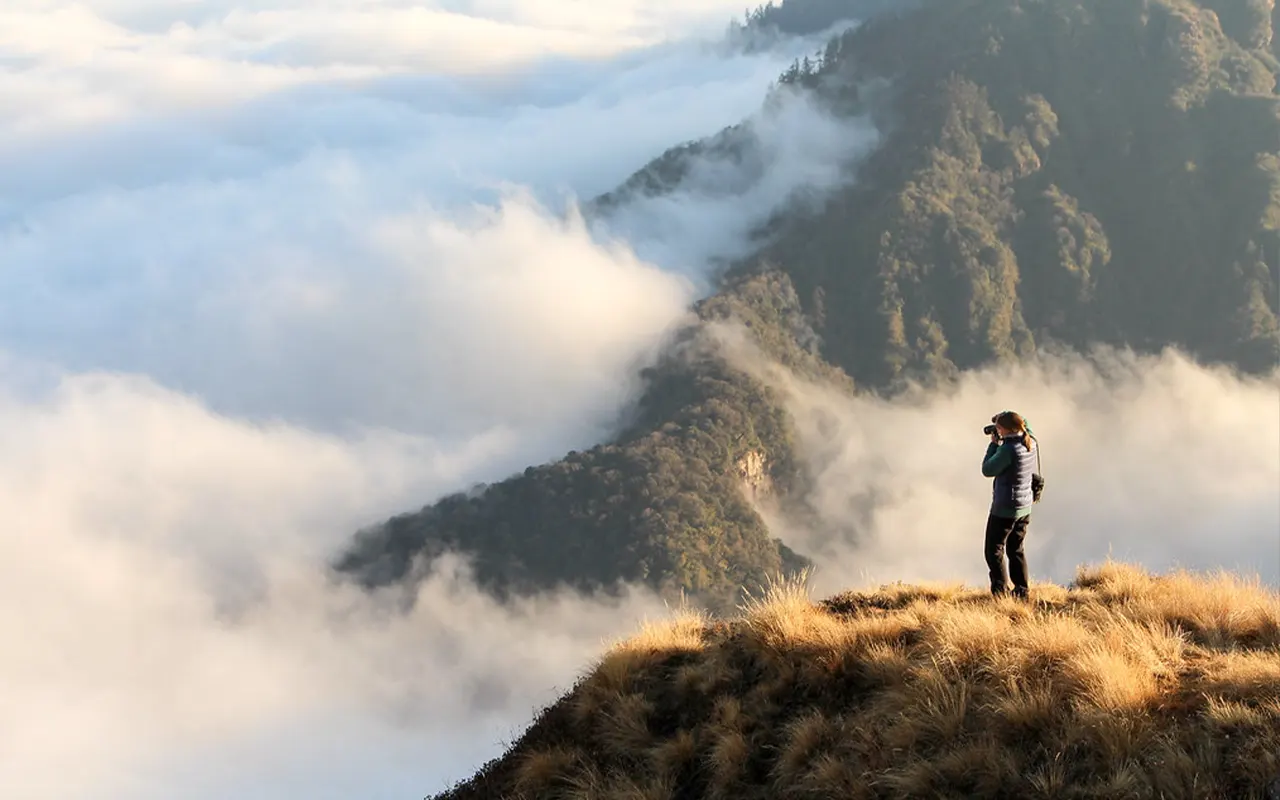
One of the most rewarding parts of this trip is reaching Mohare Danda itself. The early morning mountain views here are wide, peaceful, and less crowded than some better known viewpoints. On clear days, you can enjoy views of Annapurna, Dhaulagiri, Machhapuchhre, and nearby Himalayan peaks. Unlike some higher altitude treks, this route gives excellent mountain scenery without pushing the body too hard.

Our Mohare danda trek itinerary is planned with a practical pace that works well for travelers with moderate fitness. Some sections include steady uphill walking, and certain stone paths can feel tiring, especially on warmer days, but the daily walking hours remain manageable. Our team will guide the pace carefully and make sure the journey stays comfortable and enjoyable.

With Above the Himalaya, this trek is not treated like a generic package. We know the route, the road conditions, the tea house standards, and the small details that matter when you are actually on the trail. Our team will handle the logistics so you can simply enjoy the walk with confidence.

 What to Expect from a Mohare Danda Trek

The Mohare Danda Trek offers a peaceful mix of village trails, forest walks, and wide Himalayan views within a short and comfortable timeframe. It is a good choice for travelers who want a quieter trekking experience in the Annapurna region without going to extreme altitude or spending many days in the mountains. The route feels more relaxed than some of the busier trekking trails, which many of our guests appreciate.

The trail includes steady uphill climbs, stone steps, forest sections, and gentle descents, so a reasonable level of fitness is helpful. The Mohare Danda Trek is not a technical trek, but some walking days will require steady effort, especially on uphill sections. Our team will guide the pace carefully so the journey remains comfortable and enjoyable.

Accommodation is in simple local tea houses with practical facilities. Meals are freshly prepared and usually include rice, lentils, vegetables, noodles, eggs, soups, and local tea. The Mohare danda trek from Pokhara is ideal for travelers who prefer quieter trails, local village life, and a balanced trekking experience.

Why This Trek Should Be on Your Bucket List

The Mohare Danda Trek is a rewarding short journey for travelers who want mountain scenery, local culture, and peaceful walking trails in one trip. Unlike busier trekking routes, this trail offers a calmer and more personal experience, making the journey feel more relaxed and meaningful.

One of the best parts of this trek is the local connection. The route passes through villages where daily life continues naturally, allowing you to experience simple mountain culture beyond the usual tourist trails. The Mohare danda trek itinerary is also suitable for travelers with moderate fitness, offering a practical walking pace without technical difficulty.

The mountain views are another strong reason to choose this trek. From Mohare Danda, clear mornings can offer wide views of Annapurna, Dhaulagiri, and surrounding Himalayan peaks. The Mohare danda trek from Pokhara is also a practical option for travelers with limited time who still want a complete trekking experience in Nepal.

Major Attractions and Himalayan Views

The Mohare Danda Trek offers a rewarding mix of mountain scenery, peaceful walking trails, and authentic village experiences. One of the main highlights of the journey is the viewpoint at Mohare Danda itself. On clear mornings, you can enjoy wide views of the Annapurna and Dhaulagiri ranges, along with Machhapuchhre and several nearby Himalayan peaks. The sunrise view here feels peaceful, especially compared to busier trekking viewpoints.

The route also passes through traditional villages where local life remains simple and genuine. Places like Nangi, Khibang, and Tikot add a cultural side to the journey, giving travelers a closer look at daily mountain life, farming communities, and local hospitality.

The Mohare danda trek itinerary is designed to balance mountain scenery with local experiences in a practical timeframe. Forest sections, hillside trails, and quiet village paths make the journey feel calm and refreshing for travelers who prefer less crowded routes.

Itinerary of Mohare Danda Trek – 6 Days

DAY
01

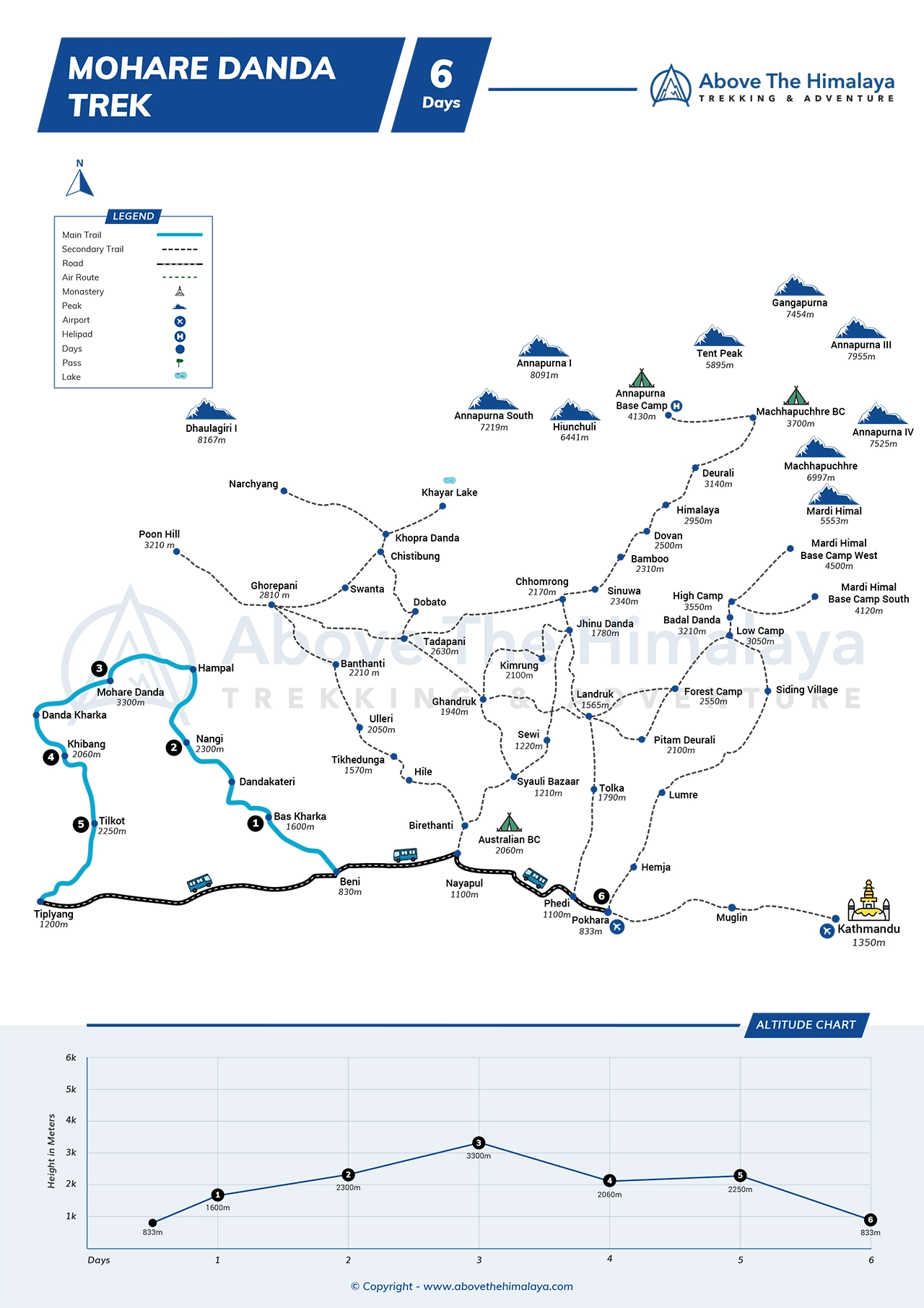
Day 01: Drive to Galeshwor and Trek to Banskharka

Our team will meet you and begin the journey with a scenic drive toward Galeshwor. The road passes through hills, river valleys, and local settlements before reaching the trek starting point. Road conditions can vary depending on the season, so the drive may feel longer on some days.

After arriving at Galeshwor, we will begin the first walk toward Banskharka. The trail includes village paths and gradual uphill sections, making it a good introduction to the trek without being too demanding. By late afternoon, we will reach Banskharka and settle into the tea house for the night.

Accommodation Teahouse
Meals Lunch and Dinner
Trek Distance Approx. 8 to 10 km
Trek Duration 7 to 9 hours (drive and trek)
Altitude 1,526 m
DAY
02

Day 02: Trek from Banskharka to Nangi

We will begin the day after breakfast and continue uphill through forest trails, local farmland, and small settlements. This part of the route gives a closer look at village life in the hills, where farming and daily routines continue at a steady pace.

Some sections involve steady climbing, so we will keep a comfortable walking pace with short breaks along the way. Nangi is a peaceful village known for its community-based projects and mountain setting. After reaching the village, you will have time to rest and enjoy the quiet surroundings.

Accommodation Teahouse
Meals Breakfast, Lunch and Dinner
Trek Distance Approx. 10 to 12 km
Trek Duration 6 to 7 hours
Altitude 2,320 m
DAY
03

Day 03: Trek from Nangi to Mohare Danda

Today is one of the most rewarding days of the trek as we make our way toward Mohare Danda. The trail continues through forest sections and steady uphill paths, with the air becoming cooler as we gain altitude. Some parts of the climb will require consistent effort, but we will maintain a comfortable pace with regular breaks. As we get closer to the ridge, the surroundings begin to open up with wider mountain views. After reaching Mohare Danda, you can relax and enjoy the peaceful mountain setting. Clear weather often rewards the day with excellent Himalayan scenery.

Accommodation Teahouse
Meals Breakfast, Lunch and Dinner
Trek Distance Approx. 8 to 10 km
Trek Duration 5 to 6 hours
Altitude 3,300 m
DAY
04

Day 04: Trek from Mohare Danda to Khibang

We will start the morning with mountain views if the weather is clear before beginning the descent toward Khibang. Early mornings here can be cold, so warm layers are useful before setting out. The trail includes downhill forest sections, village paths, and some uneven stone trails, so careful footing is important in certain areas. This part of the journey feels quieter, with fewer trekkers and a more local atmosphere. By the time we reach Khibang, the environment feels calmer and more connected to village life, making it a pleasant stop for the night.

Accommodation Teahouse
Meals Breakfast, Lunch and Dinner
Trek Distance Approx. 10 to 12 km
Trek Duration 6 to 7 hours
Altitude 3,300 m
DAY
05

Day 05: Trek from Khibang to Tikot

After breakfast, we will continue the trek through village trails and hillside paths toward Tikot. Compared to the previous days, today feels a little more relaxed, though the route still includes a mix of uphill and downhill walking. The trail passes through quiet settlements where you can observe local farming life and traditional mountain homes. This section is enjoyable for travelers who appreciate slower paced village walking rather than long climbs. We will take regular breaks along the way and reach Tikot by afternoon, giving you time to rest and enjoy the peaceful surroundings.

Accommodation Teahouse
Meals Breakfast, Lunch and Dinner
Trek Distance Approx. 8 to 10 km
Trek Duration 4 to 5 hours
Altitude 2,210 m
DAY
06

Day 06: Trek from Tikot to Tiplyang and Drive to Pokhara

Today is the final walking day of the journey. We will descend toward Tiplyang through village paths and lower hillside trails. The walk is shorter and easier compared to earlier days, making it a comfortable end to the trekking portion. After reaching Tiplyang, our vehicle will be ready for the drive back to Pokhara. Road conditions may vary depending on the season, so travel time can change slightly. As we return, this is a good time to relax and reflect on the journey through villages, forests, and mountain viewpoints.

Accommodation Teahouse
Meals Breakfast and Lunch
Trek Distance Approx. 5 to 7 km trek
Trek Duration 3 hours trek and approximately 4 to 5 hours drive
Altitude 2,210 m

Trip Extension

Suppose you have more time in Nepal after this trip. In that case, we can help you to extend your trip by running different treks in Nepal, tours in Bhutan and Tibet, Jungle safari tours at Chitwan, Bardia, and other National parks, Nepal luxury hotel booking, Rafting, Ultra-light flights, or any other travel-related services. You can get more information here.

Includes/Excludes

What's Included?
  • Private ground transportation as per the trek itinerary.
  • Drive from Pokhara to Galeshwor and return from Tiplyang to Pokhara.
  • Licensed and experienced trekking guide from Above the Himalaya.
  • Porter support for carrying trekking luggage as per group arrangement.
  • Trekking staff salary, meals, accommodation, insurance, and required support.
  • Accommodation in local tea houses during the trek on twin sharing basis.
  • All standard meals during the trek including breakfast, lunch, and dinner.
  • Annapurna Conservation Area Permit (ACAP) and required trekking permits.
  • Basic first aid support carried by our trekking team.
  • Trekking route briefing and complete trip preparation guidance.
  • Government taxes and company service charges.
What's Excluded?
  • International airfare to and from Nepal.
  • Nepal tourist visa fees.
  • Hotel accommodation in Pokhara before or after the trek unless requested.
  • Personal trekking gear and equipment.
  • Travel insurance including medical support and emergency evacuation.
  • Personal expenses such as snacks, drinks, laundry, hot showers, charging, and internet fees.
  • Alcoholic beverages, soft drinks, bottled drinks, and extra personal food purchases.
  • Tips for guide, porter, and driver.
  • Any additional costs caused by delays, weather changes, road conditions, or personal itinerary changes.
  • Any services not clearly mentioned in the included section.

Trek Challenge and Difficulty

The Mohare Danda Trek is considered a moderate trek that is suitable for travelers with a reasonable level of fitness. It does not involve technical climbing or specialized trekking skills, but there are steady uphill sections, stone staircases, and daily walking that can feel tiring, especially for first time trekkers. Most walking days are manageable with a steady pace and proper rest.

The route gains altitude gradually, which helps the body adjust more comfortably compared to faster ascents on some trekking routes. Our team will always encourage a comfortable pace rather than rushing the walk. Good preparation, proper footwear, and a positive mindset make a noticeable difference during the journey.

The Mohare danda trek itinerary is designed to keep the experience balanced, offering a rewarding mountain trek without making the route unnecessarily difficult.

Weather and Best Time to Trek

The Mohare Danda Trek can be enjoyed in different seasons, but spring and autumn are generally the most comfortable times for this journey. These months usually offer clearer skies, better mountain visibility, and more stable weather, which makes the walking experience more enjoyable. Spring also brings greener hills and blooming forest sections along parts of the trail.

Autumn is another popular season because post monsoon weather often brings clean mountain views and pleasant daytime temperatures. Winter is possible for travelers who are comfortable with colder mornings and evenings, especially at higher stops like Mohare Danda. Monsoon months can make trails muddy and road travel less predictable.

The Mohare danda trek from Pokhara is best planned when weather conditions support safer road access and clearer mountain scenery, helping you enjoy the route at its best.

Food and Drink

Meals during the Mohare Danda Trek are simple, fresh, and prepared to support daily walking in the mountains. Most tea houses serve common trekking meals such as rice, lentils, vegetables, noodles, soups, potatoes, eggs, and tea. Food options may be more limited in smaller villages compared to busier trekking routes, but meals are generally filling and practical for the journey.

Breakfast is usually served before the day starts and often includes porridge, eggs, bread, pancakes, or local options depending on the stop. Hot drinks are widely available and are especially welcome during cooler mornings and evenings.

The Mohare danda trek itinerary includes overnight stops in smaller villages, so meal variety may be basic at times. We always recommend choosing freshly prepared food and staying well hydrated throughout the trek.

Accommodation and Tea Houses on the Trail

Accommodation during the Mohare Danda Trek is provided in local tea houses and simple village lodges along the route. These stays are comfortable for trekking purposes but should not be expected to match hotel standards. Rooms are usually basic twin sharing with beds, blankets, and simple sleeping arrangements for the night.

Because this is a quieter trekking route, facilities can be more limited compared to busier trails in the Annapurna region. Some stops may have shared bathrooms, limited hot water, and restricted charging facilities depending on the location. This is part of the authentic mountain experience, and we always explain this clearly before departure.

The Mohare danda trek from Pokhara is a good choice for travelers who are comfortable with simple accommodation and enjoy staying in local village settings.

Altitude Sickness Prevention, Symptoms, and Treatment

The Mohare Danda Trek reaches a moderate altitude, with the highest overnight point at around 3,300 meters. While this is lower than many major Himalayan treks, some travelers may notice mild altitude adjustment symptoms such as headache, tiredness, or reduced appetite as the body adjusts.

The best prevention is walking at a steady pace, staying hydrated, eating properly, and allowing the body time to adjust naturally. Our team will monitor the pace carefully and encourage regular rest breaks during climbing sections. Most travelers complete this route comfortably because the altitude gain is gradual.

The Mohare danda trek itinerary is planned to reduce unnecessary strain, but if symptoms become stronger, the safest response is rest and proper assessment before continuing.

Trek Preparation and Physical Training Tips

Good preparation helps make the Mohare Danda Trek more comfortable and enjoyable. This trek does not require advanced mountaineering fitness, but daily walking on uphill trails, stone paths, and uneven terrain means a basic level of stamina is important. Travelers who prepare beforehand usually enjoy the experience much more.

Walking, light hiking, jogging, cycling, or stair climbing are useful ways to prepare in the weeks before the trip. Strength exercises for the legs and balance training can also help, especially for uphill and downhill sections. Even simple regular walking makes a noticeable difference.

The Mohare danda trek from Pokhara is suitable for travelers with moderate fitness, but preparing in advance helps reduce fatigue and makes the overall journey more comfortable.

Nepal Visa and Trek Permits

Travelers joining the Mohare Danda Trek will need a valid Nepal tourist visa, which many nationalities can obtain on arrival at Tribhuvan International Airport in Kathmandu or designated land border entry points. A passport with valid remaining duration and visa fees will be required according to current immigration rules.

This trek also requires the necessary trekking permits for the Annapurna region. Our team will arrange the required permit process before the trek begins, so you do not need to manage the paperwork yourself. We will let you know in advance what documents or passport copies are needed.

The Mohare danda trek itinerary is planned so permit arrangements are handled smoothly before departure, allowing you to focus on preparing for the journey instead of administrative steps.

Health, Safety and Mountain Emergencies

Safety is an important part of every Mohare Danda Trek, even though this is considered a moderate trekking route. The trails are generally straightforward, but mountain conditions can still include uneven paths, slippery sections after rain, and changing weather. Walking carefully, staying hydrated, and following guide instructions help keep the journey comfortable and safe.

Our team will monitor the group pace and check how travelers are feeling throughout the trek. Minor issues such as fatigue, headaches, or muscle discomfort are manageable with proper pacing and rest. For more serious health concerns, the safest response will always be based on the actual situation and location.

The Mohare danda trek from Pokhara is a well managed route, but mountain travel always requires flexibility, awareness, and practical decision making when conditions change.

Transportation

Transportation for the Mohare Danda Trek includes road travel at the beginning and end of the journey, along with the trekking portion on foot. The trip starts with a drive toward Galeshwor, where the walking section begins, and finishes with a return drive from Tiplyang to Pokhara.

Mountain roads in Nepal can vary depending on weather, maintenance, and seasonal conditions. Some sections may feel rough or slower than expected, especially after rain, so we always advise travelers to keep timing flexible. Our drivers are familiar with these routes and handle mountain road travel carefully.

The Mohare danda trek itinerary combines practical road access with village trekking, making it a suitable short route for travelers who want a complete trekking experience without domestic flights.

Travel Insurance

Travel insurance is strongly recommended for anyone joining the Mohare Danda Trek. Even though this is not an extreme high altitude trek, mountain travel still comes with risks such as illness, injury, weather related delays, or unexpected travel changes. Having proper coverage gives important peace of mind during the trip.

Your insurance should ideally cover trekking activities, medical treatment, emergency assistance, and trip interruptions where possible. Even moderate trekking routes can require quick support if an unexpected situation arises. It is always better to be prepared before the journey begins.

The Mohare danda trek from Pokhara is generally a manageable route, but responsible travel planning always includes suitable insurance that matches your trekking activity and personal needs.

Alternative Routes

The Mohare Danda Trek can sometimes be adjusted depending on available time, fitness level, and travel interests. Some travelers may prefer extending the route with extra village stays, while others may combine it with additional trekking routes in the Annapurna region for a longer experience.

Because this area connects with several hill trails and village paths, itinerary flexibility is possible with proper planning. Route changes depend on weather, road access, seasonal conditions, and available time. Our team can suggest suitable adjustments based on what kind of trekking experience you prefer.

The Mohare danda trek itinerary works well as a standalone short trek, but it can also be customized for travelers who want a slightly longer or more varied mountain journey.

Your Extra Expenses

While the main Mohare Danda Trek package covers the core trekking services, travelers should prepare for some personal expenses during the journey. These usually include drinks, snacks, charging fees, hot showers where available, internet access, and personal purchases at tea houses.

Smaller villages often have limited services, and prices can be slightly higher because supplies must be transported into the area. It is also wise to carry enough local cash, as card payments and reliable ATM access are not available along the trekking route.

The Mohare danda trek from Pokhara is a straightforward route, but having a small personal budget makes the trip more comfortable and avoids inconvenience during village stops.

Local and Language Communication

Communication during the Mohare Danda Trek is generally straightforward, especially with support from our trekking team. Nepali is the main language spoken in the villages, and in some communities you may also hear local dialects. Basic English is understood in many tea houses, though communication can be more limited in quieter and less commercial areas.

Our guides help bridge any language gaps, making day to day interactions much easier and more comfortable for travelers. Learning a few simple local greetings can also create friendly connections with people you meet along the route.

The Mohare danda trek itinerary offers a more local village experience, so communication may feel less tourist focused than busier trekking regions, which many travelers actually enjoy.

Internet, Charging, and Mobile Network

Internet and mobile connectivity during the Mohare Danda Trek may be limited or unreliable depending on the village and weather conditions. Lower sections may have better mobile signal, while higher or quieter stops may offer weak or unreliable coverage. Travelers should not expect stable internet throughout the entire route.

Charging facilities are usually available in some tea houses, though access may be limited and extra charges can apply. Since electricity in smaller villages may depend on local systems, availability is not always guaranteed in the same way as city hotels.

The Mohare danda trek from Pokhara is best enjoyed with flexible expectations regarding connectivity. Carrying a power bank is always a practical idea, especially if you rely on your phone for photos or personal use.

Don’ts During Your Trek

During the Mohare Danda Trek, avoiding common mistakes can make the journey safer and more enjoyable. One of the biggest mistakes is walking too fast, especially during uphill sections. A steady pace helps reduce unnecessary fatigue and makes the trek more comfortable.

Do not ignore early signs of tiredness, dehydration, or discomfort. If something feels unusual, it is always better to mention it early rather than pushing through silently. Respecting local culture is also important, including appropriate behavior in villages and asking before photographing people.

The Mohare danda trek itinerary is designed to be manageable, but a calm pace, good awareness, and respectful behavior make a noticeable difference throughout the experience.

Trip Extensions

The Mohare Danda Trek works well as a standalone short trekking journey, but it can also be combined with additional travel experiences in Nepal. Many travelers choose to spend extra time in Pokhara after the trek to relax, enjoy lakeside activities, or explore nearby viewpoints and cultural attractions.

For travelers with more available time, other trekking routes in the Annapurna region can sometimes be added depending on interests and fitness. Wildlife trips, cultural sightseeing, or city tours are also common extensions after mountain travel.

The Mohare danda trek from Pokhara makes trip planning flexible, especially for travelers who want to combine trekking with other Nepal experiences without feeling rushed.

Cultural Festivals Along the Trail

The Mohare Danda Trek passes through mountain communities where local traditions and seasonal celebrations remain an important part of daily life. Depending on your travel dates, you may come across local festivals, family gatherings, religious activities, or village celebrations that offer a closer look at Nepali culture beyond the trekking experience.

Major festivals such as Dashain and Tihar are widely celebrated across Nepal, and village areas often have their own local customs and community events. While festival dates vary each year, being in the hills during these times can add a meaningful cultural element to the journey.

The Mohare danda trek itinerary gives travelers a more local village experience, so cultural encounters often feel natural rather than arranged, which makes the journey more personal and memorable.

Environmental Friendly and Responsible Tourism

Responsible travel is important during the Mohare Danda Trek, especially because this route passes through smaller mountain communities and natural forest areas. Respecting the environment helps protect the trail for local residents and future travelers. Simple actions such as avoiding litter, using reusable water bottles, and reducing unnecessary waste make a real difference.

Supporting local tea houses and village services also helps the communities that host trekkers along the route. Respect for local customs, natural surroundings, and shared spaces is part of responsible trekking in Nepal.

The Mohare danda trek from Pokhara offers a quieter and more community focused trekking experience, so thoughtful travel behavior helps maintain the genuine character of the route.

Best Time to Trek: Seasons, Crowd Levels, Pros and Cons

The Mohare Danda Trek can be enjoyed in different seasons, but each period offers a slightly different experience. Spring and autumn are usually the most comfortable times, with clearer weather, better mountain visibility, and generally stable trekking conditions. These seasons also attract more trekkers, though this route remains quieter than many commercial trails.

Winter offers a more peaceful experience with fewer visitors, but mornings and evenings can be much colder, especially at higher stops. Monsoon brings greener landscapes, but road travel and trail conditions may become less predictable due to rain and muddy paths.

The Mohare danda trek itinerary remains flexible across seasons, but choosing the right time depends on whether you prefer clearer weather, fewer people, or a quieter mountain atmosphere.

Local Culture and Traditions You will Experience

The Mohare Danda Trek offers a meaningful look into village life in the hills of Nepal. The route passes through communities where farming, family life, and traditional routines continue much as they have for years. This gives the trek a more genuine cultural atmosphere compared to routes that feel heavily focused on tourism.

You may notice traditional homes, terraced farmland, local schools, and daily village activities as part of the journey. Respectful interaction with local people often becomes one of the most memorable parts of the experience.

The Mohare danda trek from Pokhara is especially suitable for travelers who want cultural experiences alongside mountain walking, rather than focusing only on high altitude viewpoints.

Mental Preparation and Trek Mindset Advice

The Mohare Danda Trek is a manageable route, but the right mindset makes the journey much more enjoyable. Mountain trekking is not only about physical fitness. Some days may feel longer than expected due to uphill walking, changing weather, or simple village facilities. Staying patient and keeping a steady attitude helps a lot.

It is better to focus on one day at a time rather than thinking about the entire route at once. Walking at a comfortable pace, taking proper rest, and staying flexible if conditions change will make the experience smoother. Mountain travel does not always follow exact timing, and that is a normal part of trekking in Nepal.

The Mohare danda trek itinerary is planned at a comfortable pace, so travelers who stay positive and realistic usually enjoy the journey much more.

Greatest Photo Destinations and Sceneries on the Trail

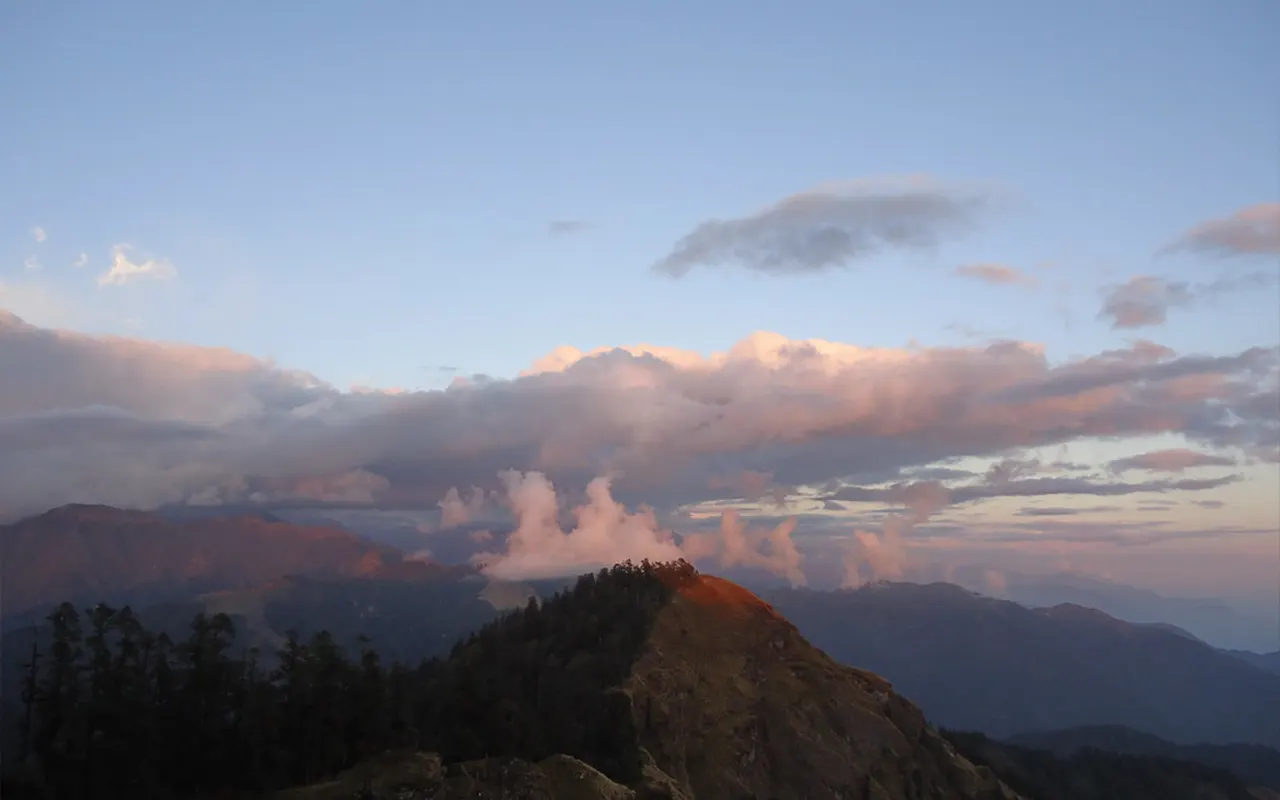
The Mohare Danda Trek offers several rewarding photography points throughout the journey. The most popular location is Mohare Danda itself, where clear mornings can provide wide Himalayan views with Annapurna, Dhaulagiri, and surrounding peaks. Sunrise here is especially memorable for travelers who enjoy mountain landscapes.

Village sections also offer excellent photo opportunities, including terraced farmland, traditional homes, forest trails, and daily local life. Because this route is quieter, many viewpoints feel calm and less crowded, making photography more relaxed and enjoyable.

The Mohare danda trek from Pokhara is a good choice for travelers who enjoy capturing both natural scenery and authentic cultural moments during the trek.

Flora and Wildlife of the Route

The Mohare Danda Trek passes through changing natural landscapes that include forest areas, hillside vegetation, and mountain terrain. Lower sections often feature green hills, farming areas, and mixed forest, while higher sections become cooler and more open with changing vegetation.

Depending on the season, you may see blooming forest sections, native birds, and smaller wildlife along quieter parts of the route. Wildlife sightings are never guaranteed, but the peaceful nature of this trail creates a pleasant environment for nature lovers.

The Mohare danda trek itinerary offers a balanced mix of village landscapes and natural surroundings, making the journey enjoyable for travelers who appreciate both culture and the outdoor environment.


Most Asked Questions by Travellers

Preparation & Fitness Preparation & Fitness

A moderate level of fitness is recommended. You should be comfortable walking for several hours each day on uphill and downhill mountain trails.

Previous trekking experience is helpful but not required. Many first time trekkers complete this route successfully with proper preparation.

Regular walking, stair climbing, hiking, jogging, or cycling can help improve stamina before the trip.

Some uphill sections require steady effort, especially on the way to Mohare Danda. Walking at a comfortable pace makes them manageable.

That is completely fine. Our team will manage the pace to keep the journey comfortable and safe for everyone.

Yes, many older travelers complete this trek successfully if they have reasonable fitness and no serious medical concerns.

Yes. A patient and flexible mindset always helps during mountain travel, especially when dealing with simple facilities and changing conditions.

Daily walking usually ranges between 3 to 7 hours depending on the route and day schedule.

Permits Permits

The Mohare Danda Trek requires the necessary trekking permits for the Annapurna region. Permit requirements can change, so we always arrange the latest required documents accordingly.

Yes, the required trekking permits included in the package are arranged by our team.

No, our team will handle the permit process for you before the trek begins.

A valid passport copy and passport size photos may be required depending on current permit procedures.

Yes, permits may be checked at designated points along the trekking route.

Yes, permits should remain available during the trek, though guides usually help manage the paperwork.

Permit refunds depend on current permit policies and timing of cancellation. Some issued permits may not be refundable.

Yes, permit requirements generally apply to children as well, based on current regulations.

Food and Drinks Food and Drinks

Meals are simple, fresh, and suitable for trekking days. Common options include rice, lentils, vegetables, noodles, soups, potatoes, eggs, bread, and tea.

Yes, meals served in tea houses are generally freshly prepared and safe for trekkers. We usually recommend choosing hot cooked meals.

Yes, vegetarian meals are widely available throughout the route and are commonly chosen by many trekkers.

Vegan options may be available in many tea houses, though choices can be more limited in smaller villages. Let us know in advance about dietary needs.

Meat may be available in some stops, but many trekkers prefer lighter meals while trekking for easier digestion.

Yes, drinking water is available along the route, but untreated water should be avoided. Boiled or properly purified water is the safer option.

Yes, small snacks may be available in village tea houses, though options become more limited in quieter areas.

Breakfast commonly includes eggs, porridge, bread, pancakes, potatoes, tea, or similar simple trekking meals.

Health & Safety Health & Safety

Yes, the trek is generally considered safe when properly planned and completed with sensible pacing, proper preparation, and guidance from an experienced trekking team.

Common concerns include fatigue, dehydration, minor muscle strain, and mild altitude related discomfort as the trek gains elevation gradually.

The risk is lower compared to higher Himalayan treks, but some travelers may still feel mild symptoms as the highest point reaches around 3,300 meters.

You should inform your guide immediately. Our team will assess the situation and decide the safest next step based on your condition and location.

Basic local health support may be available in some areas, but mountain facilities are limited. More serious medical situations may require transfer to larger towns or cities.

Emergency response depends on the location, weather, and situation. Appropriate assistance will be arranged based on practical access and urgency.

Yes, you should always bring your personal medication, along with anything regularly required for your health and comfort

Staying hydrated, eating properly, walking at a steady pace, getting enough rest, and communicating any discomfort early are the best ways to stay well.

Packing & Gear Packing & Gear

Layered clothing is best, including warm layers, a waterproof jacket, trekking pants, gloves, and comfortable clothes for evenings.

Yes, proper trekking shoes or boots with good grip are strongly recommended because some trails include stone steps, uneven paths, and forest sections.

It is recommended for extra comfort, especially during colder months, even though tea houses usually provide basic blankets.

A daypack around 20 to 35 liters is usually enough for carrying daily essentials during the trek.

Yes, trekking poles can be very helpful for balance and reducing pressure on knees during uphill and downhill walking.

Sunglasses, sunscreen, lip balm, toiletries, water bottle, power bank, personal medication, and a headlamp are useful items.

Yes, trekking gear can be rented or purchased in Pokhara or Kathmandu if needed.

Yes, carrying local cash is important because ATMs and card payment facilities are generally not available along the route.

Booking & Payment Booking & Payment

You can book the trek by contacting our team directly through our website, email, or other official booking channels. We will guide you through the process clearly.

Yes, a deposit is generally required to confirm the booking and begin trip arrangements such as permits, staffing, and logistics.

Payment options may include bank transfer, online payment methods, or cash payment in Nepal depending on the arrangement.

The remaining balance is usually settled before the trek begins, based on the agreed booking terms.

Date changes may be possible depending on availability, staffing, and permit arrangements. Early notice always makes adjustments easier.

Cancellation terms depend on the timing and booking conditions. Certain costs such as permits or confirmed arrangements may not be refundable

Yes, once your booking is confirmed, our team will provide trip details, itinerary information, and preparation guidance.

Yes, private trekking arrangements can be organized based on your preference, travel dates, and group size.

Transportation & Flight Transportation & Flight

The journey begins with a road drive from Pokhara to Galeshwor, where the trekking portion starts.

Yes, all transportation mentioned in the itinerary is included in the trekking package

Depending on road conditions, group size, and arrangement, transportation may be by private car, jeep, or suitable local vehicle.

Travel time depends on road and traffic conditions, but the drive usually takes several hours from Pokhara.

After finishing the trek at Tiplyang, we will arrange the return drive back to Pokhara.

Mountain roads require careful driving, especially during seasonal weather changes. Our drivers are experienced with Nepal’s hill routes and local road conditions.

Yes, weather, road maintenance, and traffic conditions can affect timing, so some flexibility is always advisable.

No, this trek is fully completed by road transportation and trekking on foot, with no domestic flights required.

Reviews on Mohare Danda Trek – 6 Days

Be first to post a review in this trip.

Best Price Guaranteed, Easy to change Date, Instant Confirmation

Book This Trip
Book with Confidence
  • Flexible bookings and easy trip date changes
  • Personalized service and customized group sizes
  • Safe travels with owner-operated services and highly experienced guides
  • Best price guarantee for the most value for your money
  • Secure & easy online booking
Your Trek Leader

Trek Leader Enjoy Himalayan scenery with the help of Nepal’s best guides with Government license holders and got training in first-aid, our Trip Leaders, know where you’ll find the best photos, most fascinating wildlife, and the best stream crossings.


Trips for All

Divider
Private Trip
Peaceful tour with your travel buddy and guide
Small Group Travel
Travel with people having similar adventure dreams
Trips for Kids
Calling all young adventurers - join us for a journey of a lifetime!
Trips for Adventurers
Climbing & mountaineering adventures for thrill-seekers
Live Chat Support
Purushotam Timalsena
Purushotam Timalsena Travel Expert
We'll plan the perfect personalized vacation for you.
Request for Assistance ⮞