Customize Your Trip
Difference Between Trekking and Hiking: A Complete Beginner’s Guide

Both hiking and trekking provide an opportunity to get rid of the hectic schedule, enjoy the nature and see beautiful places on foot. They vary in length, preparation, physical requirements and experiences that they bring. One should be aware of the difference between trekking and hiking to know which adventure to go on based on their fitness, budget and time.
Both activities are a great way to explore Nepal, with short hikes in the hills in and around Kathmandu and Pokhara or multi-day hikes in the villages of the Himalayas. Whether you are thinking of an outdoor first or an outdoor holiday for 2027, this guide will help you make the right choice.
What Is Hiking?
Hiking is walking along a natural path, hill, forest or mountain path, typically for a few hours or a day. It’s a cheap activity that requires no multiple nights of hotel stays and it’s a versatile activity you can do outdoors.
Newbies should begin with walking trails and work up to more challenging paths. For most day trips, just good hiking boots, water, snacks, suitable clothing and a small backpack are necessary.
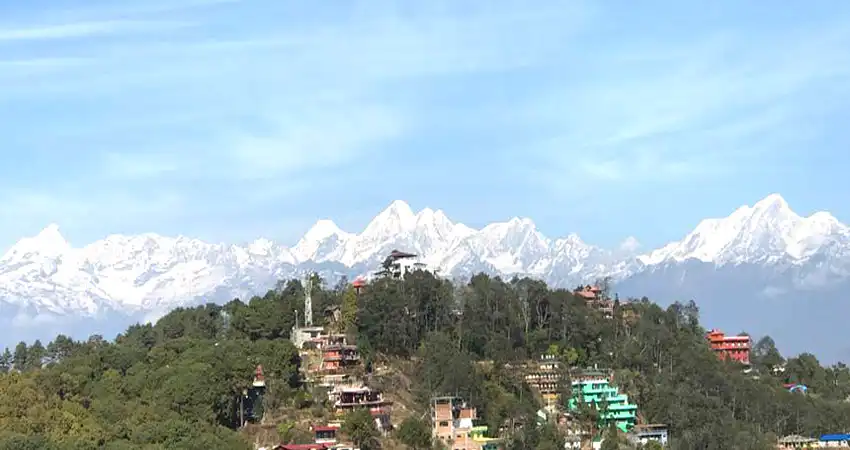
Popular hikes in Nepal include the trails of Nagarkot, Shivapuri, Sarangkot and Australian Camp. These are places where you can experience forest beauty, village life and views of the Himalayas without making a long trip.
What Is Trekking?
Trekking is normally a multi-day walking adventure in mountainous areas, valleys, isolated villages and evolving landscapes. It usually requires an overnight stay in teahouses, lodges, homestays or camps along the way.
Trekking is not a daily walk but needs to be planned for sleeping and food, packing and unpacking, conditions and walking distances. Others even include high altitudes, so a proper pace and acclimatisation are important.
There are different trekking routes available for different levels of experience in Nepal, ranging from the relatively easy Ghorepani Poon Hill trek to more challenging treks like the Everest Base Camp trek.
Trekking vs Hiking: Key Differences
| Feature | Hiking | Trekking |
| Duration | Usually a few hours to one day | Usually several days or weeks |
| Distance | Generally shorter | Often longer across multiple stages |
| Terrain | Hills, forests, parks and established trails | Mountains, valleys, villages and remote trails |
| Equipment | Small daypack and essentials | Additional clothing, supplies and luggage |
| Accommodation | Usually unnecessary | Generally included along the route |
| Planning | Relatively simple | Requires more preparation |
| Fitness | Depends on trail difficulty | Requires endurance over consecutive days |
| Experience | Nature, exercise and viewpoints | Nature, local culture and extended exploration |
These are general guidelines not strict definitions. There are multi-day hikes available and some are short hikes. The primary difference is the type of trip and preparation.
Which Is Better for Beginners?
Often, hiking is the easy way to start, as there isn’t too much equipment, time or planning. With a short walk, you will find out how the body responds to uneven terrain, uphill and many hours of activity.
If beginners select a route that is suitable, trekking can be suitable for them as well. A shorter tour covering lesser distances each day, along with comfortable lodging and resting time, can make it more enjoyable.
When deciding, take these into account:
- If you’re not used to exercising regularly, begin with shorter walks
- Do uphill and downhill walking before a multi-day hike
- Pick a trail that is suitable to your physical capacity, not your desire
- Give adequate rest and recovery periods
- Please check the altitude, weather and trail conditions before booking
For those hoping to travel up to the Himalayas for the first time, take a day hike or less strenuous trek before trying a high altitude trek.

Equipment and Preparation
The gear needed for hiking is fairly simple, with trekking often including extra supplies for overnight activities and changing seasons.
For hiking, carry:
- Shoes with a good grip and comfortable to wear
- Water and snacks
- A lightweight rain jacket is a must-have for the rainy season
- Sunscreen, sunglasses and a hat
- A small First Aid box and personal medicines
- A phone with offline maps and a headlamp when appropriate
For trekking, add:
- Warm layers and waterproof clothing
- Extra socks and trekking trousers
- A wider backpack or a daypack with luggage straps
- Toiletries and personal supplies
- Water purification supplies provided as necessary
- A sleeping bag if necessary for the accommodation
- Trekking poles if necessary for balance and when descending steeply
Pack according to the season and route. Excessive body weight can increase fatigue on long walks.
Safety, Weather and Altitude
There is a need for sensible preparation for both activities. When taking an adventure trail, check the forecast, know the route, bring plenty of water and let someone know of plans.
A special note about altitude in Nepal. The higher you go, the greater the risk of developing altitude sickness if you reach altitudes of about 2,500 m (8,202 ft). Symptoms include headaches, nausea, dizziness and unusual tiredness.
If you think you may be suffering from altitude sickness, stop going up and let your guide or other members of the group know. Go down if symptoms indicate that you are suffering from altitude sickness; seek immediate medical attention for severe cases.
Other helpful tips are:
- Walk at a steady pace instead of rushing
- Maintain adequate daylight on the planned path
- Please verify trail conditions before departure
- Have suitable travel insurance for activities
- Take local safety recommendations and be flexible with changing conditions
Best Time for Hiking and Trekking in Nepal
Outdoor activities are available in Nepal in majority of the year but depends upon region and height.
Spring (March–May): Pleasant conditions on many trails, blooming rhododendrons and increasingly warm days.
Autumn (September–November): Generally favourable weather and clear mountain views, making it a popular trekking season.
Winter (December – February): Many of the lower trails are good for winter hiking, but higher trails may be snowy or cold.
Monsoon (June–August): Rain, slippery paths and landslide risks can affect travel. If the conditions in Upper Mustang are not favorable due to the route or weather, they may be better in other rain shadow destinations.
Spring and autumn can be good times for starting. Be sure to check the conditions before travel.
Best Hiking Routes in Nepal for 2027
Nagarkot to Changu Narayan
This walk in the vicinity of Kathmandu follows villages, woodland and terraced fields. This is a suitable choice for visitors who wish to explore on foot for a half- or full-day, but not too far from the capital.
Shivapuri Area
Around Shivapuri Nagarjun National Park, there are trails that provide forest views and lead uphill to Kathmandu. If you are going through the park, consult the entry requirements and pick a path appropriate for your level of fitness.
Australian Camp
Australian Camp near Pokhara (2,060 m or 6,759 ft) provides a short walk and mountain views. There are some areas with steep steps; comfortable shoes are advisable.
Sarangkot
Sarangkot (1600 m /5249 ft) is a popular viewpoint near Pokhara. Walking uphill or a mixture of hiking and local transport can be done and is good for those who may have limited time.
Guided day hikes are available for 2027 and may be made at your preferred walking distance, on your preferred date and at your preferred starting time.

Beginner-Friendly Trekking Packages in Nepal for 2027
These are treks of varying difficulty and beauty if you have multiple days to spend exploring the mountains.
Ghorepani Poon Hill Trek
The Ghorepani Poon Hill Trek is one of the most popular treks for an introduction to Himalayan trekking. Poon Hill is at an elevation of about 3,210 m (10,531 ft) and, with its high elevation, provides the much-sought-after panoramic views of the Annapurna and Dhaulagiri ranges.
It usually takes 4-6 days of trekking to complete the route. Village accommodation, forest tracks, stone steps and uphill walking. It’s suitable for those who have some fitness and are just getting started.
Mardi Himal Trek
Mardi Himal trekking through forests, mountain ridges and alpine landscapes. The Mardi Himal Base Camp elevation is about 4500m (14764 ft).
The journey typically lasts five to seven days, depending on the route. It is relatively brief, but has steep climbs and high altitudes, so newbies must be well-prepared.
Langtang Valley Trek
Langtang Valley Trek is a combination of mountains, forests and traditional Tamang settlements. The height of Kyanjin Gompa is around 3870m (12697 ft).
Give it a few days depending on your trip and travel plans (about seven to ten days). This trail is recommended for those looking for a longer mountain adventure, but need to take the time to acclimatize and have enough stamina to make it.
Everest View Trek
Everest View Trek is an adventure that takes travelers to Sherpa villages and to the incredible Himalayan mountains without having to go to Everest Base Camp. Namche Bazaar is located at around 3440m (11286 ft).
This trip could take 5-8 days depending on the route. Gradual ascent and rest days when suitable and a sensible walk programme should be the priority for the beginner.
Before booking any of the 2027 packages, please verify the itinerary, accommodation, meals, permits, guide services, transport and applicable flights. These are actual times and fares and are subject to change.
How to Choose the Right Adventure
If you’re short on time, want a day trip or want to get fit for a longer trip, select a hiking vacation.
Opt for trekking to experience remote scenery, visit mountain villages and spend several days on foot between destinations.
Choose activities that do not always come naturally; they are not necessarily straightforward. A steep day hike can be challenging; a properly planned beginner trek can be easily done. It is more important to be fit, to have the right route, to be at the right altitude and to be prepared than the name of the activity.
Frequently Asked Questions
What is the difference between trekking and hiking?
When you are on a trek, one of the things you need to be prepared for is that you will be walking non-stop for several days. But the difficulties are related to the terrain, altitude, distance and the person’s fitness.
Are there treks for beginners in Nepal?
Yes. Some shorter routes like Ghorepani Poon Hill are also sought after, but one must prepare well and opt for an appropriate route.
Do I need a guide?
A local guide can assist with navigation, local knowledge, safety and logistics. Policies differ from place to place and according to the current circumstances; please follow the rules for the route you wish to take.
What is the expense of trekking in Nepal in 2027?
The price is dependent on the route, length, group size, type of accommodation, transport, permits and services offered. Ask for a detailed quote before booking.
Final Thoughts
Trekking is different from hiking only in that it’s longer, takes more preparation and is what you want if you want to experience a hike. Hiking is suitable for all and involves walking through nature a day at a time, whereas trekking is a more immersive experience and is an opportunity to delve into nature and local communities.
Whether it’s a short stroll near Kathmandu or Pokhara or a multi-day trek in the Himalayas, there are plenty of opportunities to explore Nepal for both short-term and long-term travelers. Find a route that is appropriate to your fitness level and training time, train thoroughly and select an experience that will let you enjoy the ride on your own terms.
Best Price Guaranteed, Easy to change Date, Instant Confirmation
Book This Trip Have Questions?
Talk to Expert
Meet Mr. Purushotam Timalsena (Puru), Nepal's best trek and tour organizer, who has been working in the Himalayas for more than 24 years.
WhatsApp/Viber +977 98510 95 800