Customize Your Trip
 Everest Three Pass Trek Cost in 2026 & 2027: Budget, Standard & Luxury Trek Prices
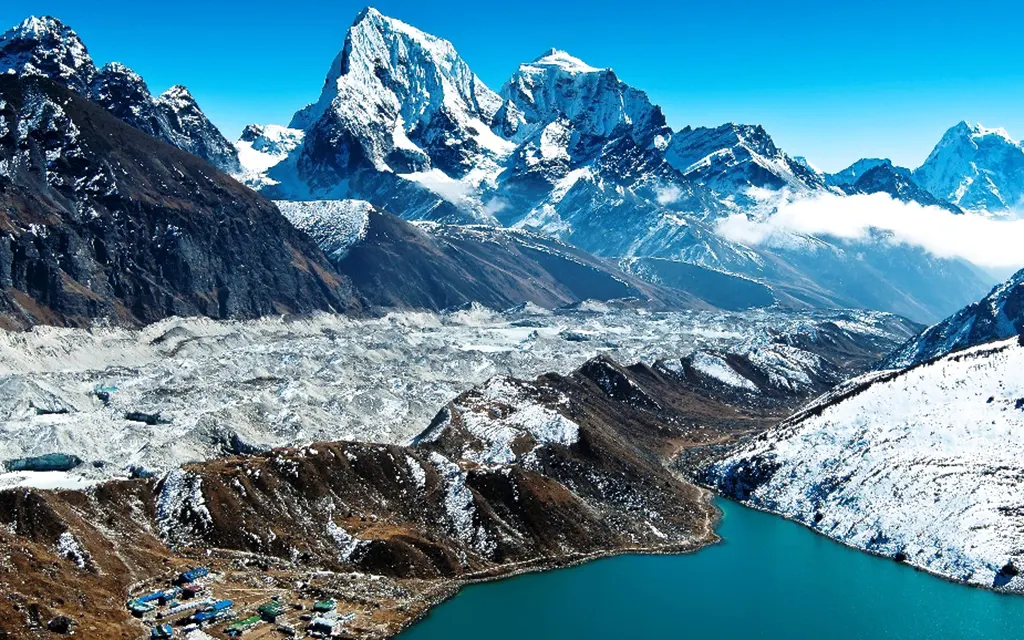
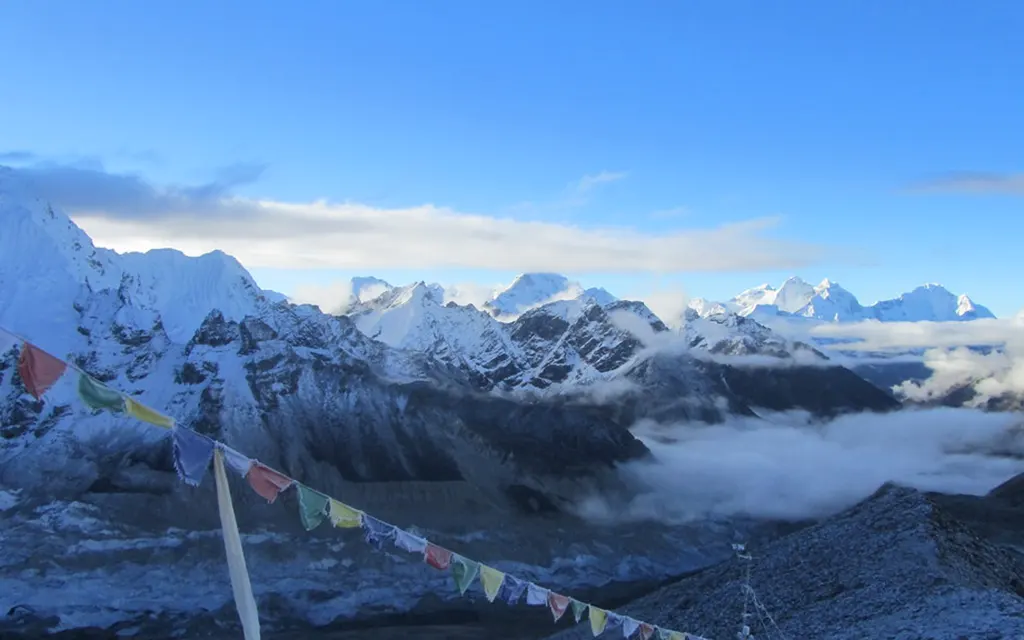
One of the adventurous journeys you can have in Nepal’s Khumbu region is the Everest Three Passes Trek. Unlike the classic Everest Base Camp Trail, the route of this journey will take you into a high-elevation adventure that crosses three formidable passes, namely Renjo La (5340 m), Cho La (5420 m), and Kongma La (5545 m). You will have a thrilling, unforgettable experience with an awe-inspiring view of snow-clad Himalayas on each pass.
The Everest Three Pass excursion is also considered the ultimate Everest trekking adventure because trekkers can enjoy the full combination of natural beauty, cultural exploration, warm hospitality, and adrenaline-filled adventure in a single journey.
Renjo La Pass offers a panoramic view of the Gokyo Lakes and the Everest area. Similarly, you can see the spectacular views of the glacier and ice formation from Cho La Pass. At Kongma La Pass, the journey’s highest point, you can see Island Peak up close.
So, without getting any second thoughts, you should mark your calendar for the journey in the Khumbu region. Nevertheless, the Everest Three Pass Trek cost in 2026 and 2027 may be different because of changing factors such as permit fees, inflation, travel style, accommodation, transportation choices, services, and demand for porters and professional guides.
Moreover, some trekkers like to travel on a low budget, keeping their expenses low, choosing overall simplicity from lodging to food. While other trekkers choose standard or luxury packages for extra comfort. The traveling style totally depends on the trekkers and how they want to travel, and their agency will customize the package as per their preference.
In this guide, you will have profound insights into the Everest Three Pass Trek budget that covers all the overall costs incurred when trekking, such as transportation, accommodation, permits, food, and miscellaneous.
Quick Facts About Everest Three Pass Trek
| Category | Details |
| Trek Duration | 17 to 22 Days |
| Maximum Altitude | Kongma La Pass (5,535 meters) |
| Difficulty of the trek | Challenging |
| Best Seasons | Spring and Autumn |
| Trek Region | Everest or Khumbu |
| Starting and Ending Point | Both Lukla |
| Accommodation Type | Teahouses and Lodges |
| Average Daily Budget | USD 35 to 200+ |
| Major Passes | Cho La, Renjo La, and Kongma La |
Everest Three Pass Trek Cost Overview for 2026 & 2027
Average Trek Cost by Travel Style
When you break down the Everest Three Pass Trek cost in 2026, the biggest variable is the travel style that can save you or cost you more money when traveling in the heart of the mountains. Below are the average trek cots by travel style, which are described in short:
Budget trekking costs: Budget trekking is a type of traveling while maintaining minimal expenses. You will join a group and stay in simple mountain teahouses, share rooms and guide with other trekkers, and eat local meals. You cannot expect luxury here.
Standard trekking package costs: Standard trekking in the Everest Three Pass Trek cost means choosing the middle-ground experience with better-quality lodges, more varied meals, and services than the budget trekking style. You can even get private or semi-private rooms in the lower regions like Namche and Lukla.
Luxury trekking costs: Luxury trekking means choosing more comfort and a first-class type of service along the journey. Helicopter for scenic flights, one-to-one kind of service, and top-class accommodation are just some of the options you will get with this type of travel. A lot of unforgettable memories, plus the comfort aspect, is what this type of travel is all about.
Guided vs independent trekking: Going solo on your Everest Three Pass Trek saves you between 30 and 40% of the total trekking cost because you do not have to pay for guides or agency fees. However, it demands that you have navigation skills, plan very well, be physically fit, etc. Even though guided treks cost more, you will have more safety and get local expertise to complete the journey without any problems.
Cost Overview Table
| Trek Style | Estimated Cost (USD) |
| Budget Trek | 1,200 to 1,800 |
| Standard Trek | 2,000 to 3,500 |
| Luxury Trek | 4,000 to 8,000+ |
Everest Three Pass Trek Permit Costs
Required permits in 2026 and 2027
Before you enter the Everest region of Nepal, it is compulsory that you have permits with you to continue your trek in the high mountain passes. The two main permits that you must carry are the Sagarmatha National Park Permit and the Khumbu Pasang Lhamu Rural Municipality Permit. You will be confronted with a lot of official authorities to check your permits multiple times while trekking.
Why permits are mandatory?
If you are wondering why you should pay for the permits, the answer is pretty simple, as the permit fees go for the conservation of the Everest region ecosystem for waste management, maintenance, and trail repairs. Generally, your permits will help authorities to track you in case of emergencies. Due to these, permits have been made mandatory.
Permit Cost Breakdown
| Permit | Estimated Cost in NPR |
| Sagarmatha National Park Permit | NPR 3,000 (approx. $20) |
| Khumbu Rural Municipality Permit | NPR 3,000 (approx. $20) |
| Total Permit Cost | NPR 6000 (approx. $40)
|
Where and how to obtain permits
You can get permits in several ways. The easy one is that your trekking agency will get you before your arrival, after booking the package, and give them the necessary documents. You can also get them at the Nepal Tourism Board office located in Kathmandu. Another way you can get there is after landing in Lukla, you trek to Monjo, the entry point of Sagarmatha National Park. However, you will need to carry Nepalese currency.
Kathmandu to Lukla Flight Cost
Flight is one of the big expenses that you need to allocate in your Everest Three Pass Trek budget. You will need to reach Tenzing Hillary Airport in Lukla from either Kathmandu or Ramechhap to kick off your trekking journey in the Khumbu region.
Why Lukla flights are a major expense
Lukla has a dramatic, short runway and unpredictable mountain weather that makes flights expensive. Similarly, the flight demand surges during the peak seasons like spring and autumn, raising the prices by 20 to 30% compared to the off-season rate. On the other hand, strong winds and fog can also cancel flights for days. So, you need to wait in Kathmandu until the weather turns normal, which can increase your accommodation cost due to flight delays.
Flight options
Kathmandu to Lukla direct flights: Taking a flight from Kathmandu is the easiest and most convenient option but more expensive. You will need to pay at least USD 180 to 250 for a one-way flight. However, if you book early, then you will have the chance to fly from Kathmandu during peak season.
Ramechhap to Lukla flights during the busy season: It is hard to get flights from Kathmandu during the peak seasons. Due to this, most flights depart from Ramechhap, which is a 4-hour drive from the capital city of Nepal, Kathmandu. It is quite cheap, which may cost between USD 160 and 200.
Helicopter options: If you book the luxury Everest Three Pass Trek cost package, you will also have the helicopter option. A helicopter ride will give you much better aerial views than an airplane flight. It can cost about USD 2500 to 4500 for up to 5 people.
Flight Cost Table
| Flight Type | Estimated Cost in USD |
| Regular Flight | 180 to 250 one-Way |
| Helicopter Sharing | 500 to 900 |
| Private Helicopter Charter | 2,500 to 4,500 |
Everest Three Pass Trek Package Costs
What trekking packages usually include:
- Guide and porter
- Twin-sharing accommodation during the trek
- Meals
- Airport Transfers
- Domestic flights (Either from Kathmandu or Manthali to Lukla)
- Permits
- Government and local taxes
- Farewell dinner
Budget Package: In the budget package, 6 to 12 trekkers are gathered in a single group, who will be accommodated in a basic lodge with shared rooms. One guide will be provided for each group. All the costs are shared, making the travel budget-friendly for the trekkers. This package normally costs between USD 1500 and 2200.
Standard Package: Standard packages offer better teahouses with attached bathrooms in the lower villages and an experienced guide providing cultural commentary. Most of the trekkers choose the standard for the Everest Three Pass Trek cost package, which usually has a price of USD 2500 to 4000.
Luxury Package: The Luxury Package offers these additional benefits that add a level of comfort and convenience to stay. It includes large and luxurious lodging facilities, personal attending to each one’s needs, premium food and beverages, and the possibility of helicopter return. This package is a lot more expensive, costing USD 5000 to 9000 or more.
Package Price Comparison Table
| Package Type | Estimated Cost in USD |
| Budget Group Trek | 1,500 to 2,200 |
| Standard Guided Trek | 2,500 to 4,000 |
| Luxury Trek | 5,000 to 9,000+ |
Accommodation Costs During the Trek
Teahouse accommodation system
You will mostly find the mountain teahouses or lodges on this Everest Three Passes trek run by the families. These teahouses are simple, offering a place to sleep and eat after a day’s trek. Most rooms are clean and small, which have a twin bed, a pillow, a blanket, and a bedsheet. Rooms are mostly shared unless you pay extra for a single. You will need to pay extra for services like the internet and gadget charging. On the other hand, you can enjoy the outstanding views from the window of the teahouses.
Accommodation by altitude
The Everest Three Pass Trek cost is lower in lower-altitude villages like Namche, Phakding, Monjo, and Lukla. You will find comfortable lodges at reasonable prices with better facilities and amenities in comparison to the higher-altitude villages like Lobuche, Dingboche, Gokyo, and Thangnak. The accommodation at a higher elevation is expensive to cover additional costs when transporting the supplies here.
Luxury lodge availability
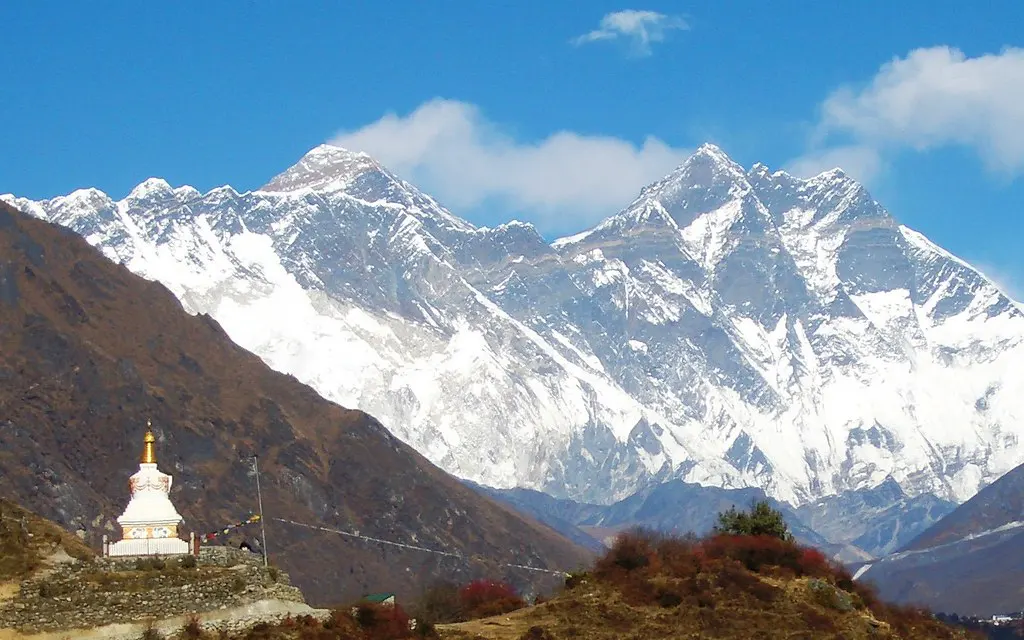
For trekkers searching for extra comfort, several premium lodges are available in well-known villages like Namche Bazaar and Dingboche. Luxury lodges like Yeti Mountain Home Namche, which charge USD 250 to 300 per night, and Rivendell Lodge, which charges USD 80 to 150 per night, are available with early booking.
Accommodation Cost Table
| Accommodation Type | Cost Per Night in USD |
| Basic Teahouse | 5 to 15 |
| Standard Lodge | 20 to 40 |
| Luxury Lodge | 80 to 300+ |
Food and Drink Costs on the Everest Three Pass Trek
Typical trekking meals
Dal bhat tarkari (lentil curry with rice and vegetables) is the teahouse staple, which is served throughout the journey. This Nepali dish is nutritious, filling, and economical. In the breakfast options, you can eat fried rice, noodles, selroti with tea, soups, pancakes, and others. Similarly, pasta dishes are surprisingly common, especially for lunch. No matter which dish you eat, it will give you enough energy to trek for long hours.
Why food costs rise with altitude
Everything above Namche Bazaar town is carried by yaks and porters, which significantly increases transportation costs, and the food costs also increase automatically to cover these expenses. Most of the fresh produce and other essential goods are brought from lower areas or from other cities in Nepal, making them harder to get in secluded mountain villages. As a result, food costs for the Everest Three Pass Trek budget are more expensive than you expected, as you found on the lower trail while trekking.
Food Price Table
| Food Item | Average Price in USD |
| Dal Bhat | 6 to 12 |
| Breakfast | 5 to 10 |
| Tea/Coffee | 2 to 6 |
| Bottled Water | 2 to 5 |
Daily food budget estimates
Budget trekkers: They spend around USD 15 to 25 per day eating dal bhat and basic items like instant noodles, tea, etc., exclusively.
Standard trekkers: They tend to spend USD 25 to 40 per day eating a variety of meals, tea, coffee, and occasional desserts.
Luxury trekkers: They are likely to spend USD 50 to 80 or more per day, eating a full breakfast, snacks, drinks, a gourmet dinner, wine, and other available options.
Guide and Porter Costs in 2026 & 2027
Hiring a licensed guide
Hiring an expert guide for the Everest Three Pass Trek cost in 2026 is the wise choice for a safer and more enjoyable experience when trekking in the heart of the mountains of the Khumbu region. Guides are experienced in high-elevation trekking and can assist you easily in route finding, planning acclimatization, and communicating with Sherpa communities. Your trek would be more fruitful and fun when they tell you about the local culture, history, and landscapes of the Everest region.
Porter services
Porters are one of the people who make your trekking journey successful. They play a huge role in enhancing your trekking experience. They will help you carry your main trekking bags so that you can walk comfortably without giving pain to your body from the extra load. They carry a weight limit of up to 25 kg. If you are trekking in a group, sharing a porter can reduce your overall cost. Some trekking companies offer a guide-porter team combination who, besides carrying a minor amount of luggage, can guide you through the trail which is ideal for budget travelers.
Guide & Porter Cost Table
| Service | Daily Cost in USD |
| Licensed Guide | 30 to 45 |
| Porter | 20 to 35 |
| Guide-Porter | 25 to 40
|
Tipping culture in Nepal
Unlike other countries, tipping is not necessarily mandatory in Nepal, but it is customary and deeply appreciated. You can tip USD 10 to 15 per day for a guide and USD 5 to 10 for porters. You can hand them directly in person at the end of the trek or each day of the trek if you like.
Cost of Trekking Gear and Equipment
Essential trekking gear
One of the important things you need to keep in mind while trekking in the mountains for the Everest Three Pass Trek cost package is packing the right gear. You should carry all essential gear like a down jacket, hiking boots, trekking poles, sleeping bags, and warm clothing that will help you walk comfortably. As the weather is not stable in higher altitudes, you can pack waterproof outer layers, a warm hat, and sunscreen to stay comfortable throughout the trekking journey.
Rent vs. buy gear in Kathmandu
If you trek occasionally, renting gear is an economical and smart choice to travel in a budget-friendly way. It will minimize the amount of gear you need to bring from home. This will also help you avoid extra baggage fees during flight booking. For most trekkers, renting a down jacket and sleeping bag is far more affordable than buying a new one. You can rent them for around USD 80 to 100 if the trek is 20 days, though buying new ones will cost you USD 200 to 500, which is more than double the price of renting.
Gear Cost Table
| Item | Rental Cost in USD | Purchase Cost in USD |
| Down Jacket | 1 to 3 per day | 80 to 250 |
| Sleeping Bag | 1 to 4 per day | 100 to 300 |
| Trekking Poles | 1 to 2 per day | 20 to 100 |
Hidden Costs Most Trekkers Forget
Beyond the obvious expenditures in the Everest Three Pass Trek budget, there are a lot of sneaky costs that can add up quickly on the trail while you are embarking on your trekking journey in the Everest region.
Additional expenses during the trek
Hot showers: Typically, teahouses charge around USD 3 to 8 for heated water.
Wi-Fi charges: To use internet services, you will need to pay USD 3 to 10 per device per day, which is slow and quite expensive.
Charging devices: The cost of a charging device varies at each teahouse. Generally, trekkers need to pay around USD 1 to 3 to charge per device. So, it would be better to carry power banks to charge devices if all charging ports are full and charge devices even when you are trekking where teahouses are not available.
Snacks and bakery items: Snacks like cookies, chocolate, dry noodles, and fresh bread can cost USD 1 to 4 per item.
Travel insurance: If you are trekking in the mountains, you need to buy travel insurance for your backup to cover unknown expenses, which can cost around USD 150 to 400.
Emergency evacuation insurance
It is an undeniable fact that high elevation carries many risks that are even life-threatening. So, if anything unfortunate happens, like AMS, broken bones, or sudden illness while trekking, a helicopter evacuation will take the victim to the nearest possible hospital. Without insurance, you will be billed before rescue. Helicopter evacuation can cost around USD 2000 to 5000. But thanks to insurance, this huge expense will be covered, saving trekkers from financial burden.
Hidden Cost Table
| Extra Expense | Estimated Cost in USD |
| Hot Shower | 3 to 8 |
| Wi-Fi | 3 to 10 |
| Charging Devices | 2 to 5 |
| Travel Insurance | 150 to 400 |
 Independent Trek vs. Guided Trek Cost Comparison
 Independent Trek vs. Guided Trek Cost Comparison
Independent trekking
Pros: Independent trekking can lower overall cost, as the trekker can save 30 to 40% money on guide fees. Trekkers can have complete flexibility in pacing and itinerary. He or she can choose the available teahouses and preferred meals.
Cons: One of the greatest risks one may have to face while trekking independently is navigation challenges, as the trails are not well-marked. Trekkers can face difficulty in understanding the local language and culture, too. There will be higher risks if the weather turns bad and you can get stuck in a massive problem without guide support.
Guided trekking
Pros: Guided trekking provides more safety and value to the trek with professional guides. They will take care of accommodations, meals, transportation, and acclimatization of the hikers, thus making the trip less stressful and giving you pleasure, enjoyment, and an easier time. In case of any difficulties, guides will come to the help immediately.
Cons: Usually, guided treks cost more, about USD 2000 to 3500. If you opt for a private guide and several customizable services; the price can be even higher.
Cost Comparison Table
| Trek Type | Average Total Cost |
| Independent Trek | Lower |
| Group Guided Trek | Moderate |
| Private Guided Trek | Higher |
Best Time to Trek and Seasonal Price Differences
Spring Season (March–May): For trekking, spring is the best season to trek, enjoying the clear mountain views, comfortable temperatures, and blooming rhododendron forests. However, because of its popularity, the Everest Three Pass Trek budget typically rises by 20 to 30% more than normal due to high demand.
Autumn Season (September–November): Autumn season is the time of the year when one can experience excellent weather after monsoon rains. So, many trekkers prefer to trek in this season over others, causing high demand for lodging, guides, and flights, making the package even more costly by 25 to 35% above average.
Winter Season: Very few people come to Nepal for trekking in the Everest region in the winter season due to cold temperatures and the challenging route. Thus, because of this, many lodges and services can be acquired at lower rates, saving 20 to 40%.
Monsoon Season: Many consider the monsoon the most economical season for the trek, as one can get up to a whopping 30 to 50% off on stays and other trekking activities. But heavy rain, poor visibility, muddy trails, and flight delays can disrupt travel this season.
Luxury Everest Three Pass Trek Experience
What makes the trek luxurious?
Helicopter returns from Gorak Shep or Kala Patthar: Taking a helicopter to Lukla or Kathmandu from Gorak Shep or Kala Patthar would completely change your trekking experience, as you could fly over, skipping the lengthy 3 to 4-day walk back.
Premium lodges: Some of the lodges offered to trekkers are of the upper-class level such as Yeti Mountain Home and Hotel Everest View which have heated rooms, hot water throughout the day, and attached bathrooms, so the guests’ experience is enjoyable and comfortable.
Gourmet meals: Professional Trek cooks prepare a wide variety of dishes that are higher-quality and more delicious than food prepared in basic teahouses.
Personalized guides and porters: In a luxury trek, one guide per two trekkers and one porter per trekker are provided.
Sample Everest Three Pass Trek Budget Breakdown
| Expense Category | Budget in USD | Standard in USD | Luxury in USD |
| Flights | 400 | 500 | 1000+ |
| Accommodation | 200 | 600 | 2500+ |
| Food | 450 | 700 | 1200+ |
| Guide/Porter | 350 | 800 | 1500+ |
| Miscellaneous | 20 | 400 | 1000+ |
Money-Saving Tips for the Everest Three Pass Trek
Practical ways to reduce costs
Travel in groups: Trekking agencies provide better rates to larger groups, which can make savings of 15 to 20% per person. Similarly, a group of 4 trekkers can reduce the guide fee by 40%.
Carry reusable water bottles: You can avoid buying bottled water and carry reusable water bottles for asking for boiled water in the teahouses where you stop, or you can simply use purification tablets on tap water.
Avoid unnecessary snacks: It is better if you purchase snacks like energy bars and chocolates while you are in Kathmandu. On the trekking trail, these items are very expensive.
Rent gear in Kathmandu: You can rent gear in Thamel, Kathmandu, instead of buying a new one. You can rent gear at very low prices in many shops in Thamel.
Book flights early: You should book your flight well ahead of time if you want to do the Everest Three Pass Trek cost in 2027 and not pay the high-ticket price during the peak season. It will be 10 – 20% cheaper.
Common mistakes that increase expenses
Overpacking: If you carry excess luggage, then you have to pay extra costs on flights. Similarly, while trekking, you may need multiple porters just to carry your stuff, which increases your expenses.
Buying gear in Lukla or Namche: As Lukla and Namche Bazaar lie in the remote part of Nepal, you may have to pay 2 or 3 times more money for gear when buying in Lukla or Namche than in Kathmandu. So, you should shop in Kathmandu after you arrive in Nepal.
Last-minute bookings: If you book your flight at the last minute, you will end up paying more than the average price by 20 to 30% due to high traffic.
Frequently Asked Questions (FAQ)
- How much does the Everest Three Pass Trek cost in 2026 and 2027?
The cost of a trek ranges from USD 1200 to 8000+ depending upon your travel style, comfort level and the range of services included in the package. - Can beginners do the Everest Three Pass Trek?
The trek is not recommended for beginners. If you have previous high-altitude trekking experience and good fitness, then you can plan this trip. - Is a guide mandatory for the Everest Three Pass Trek?
Of course not. However, obtaining the services of a professional and experienced guide will do a lot more for your travel experience than just help you in navigation and safety. - How much money should I carry on the trek?
Bring USD 400-800 dollars for everyday expenses like charging electronics, bathing, snacks, drinks, and internet. However, you may also keep USD 200 to 300 with you for tips and emergencies because ATMs are present only in lower areas like Namche and Lukla. - Are luxury lodges available throughout the route?
Unfortunately, luxury lodges are only accessible in some lower villages. As you go higher while trekking, you will get more basic accommodation and limited food items. - What is the cheapest way to do the trek?
The cheapest way you can do the Everest Three Pass Trek budget package is to trek independently, stay in basic teahouses for the night, eat simple meals like dal bhat, and trek during the off-season to keep costs low on almost everything.
Conclusion
Everest Three Pass Trek costs from $1,200-1,800 for budget trekkers, $2,000-3,500 for standard comfort, and $4,000-8,000+ for luxury helicopter returns. Pick what aligns with your experience level—beginners should get a standard guided package.
Anyway, reserve flights and teahouses 2–3 months in advance; lastminute buying might raise your costs by 20–40% or even lead to the cancellation of your trip. Stay within your budget, but don’t forget about the passes. Seeing the sunrise at Renjo La over Everest and Gokyo Lakes? That is a moment worth a great deal.
Best Price Guaranteed, Easy to change Date, Instant Confirmation
Book This Trip Have Questions?
Talk to Expert
Meet Mr. Purushotam Timalsena (Puru), Nepal's best trek and tour organizer, who has been working in the Himalayas for more than 24 years.
WhatsApp/Viber +977 98510 95 800