Customize Your Trip
 Planning Your Kailash Mansarovar Yatra in May or June: Complete Guide
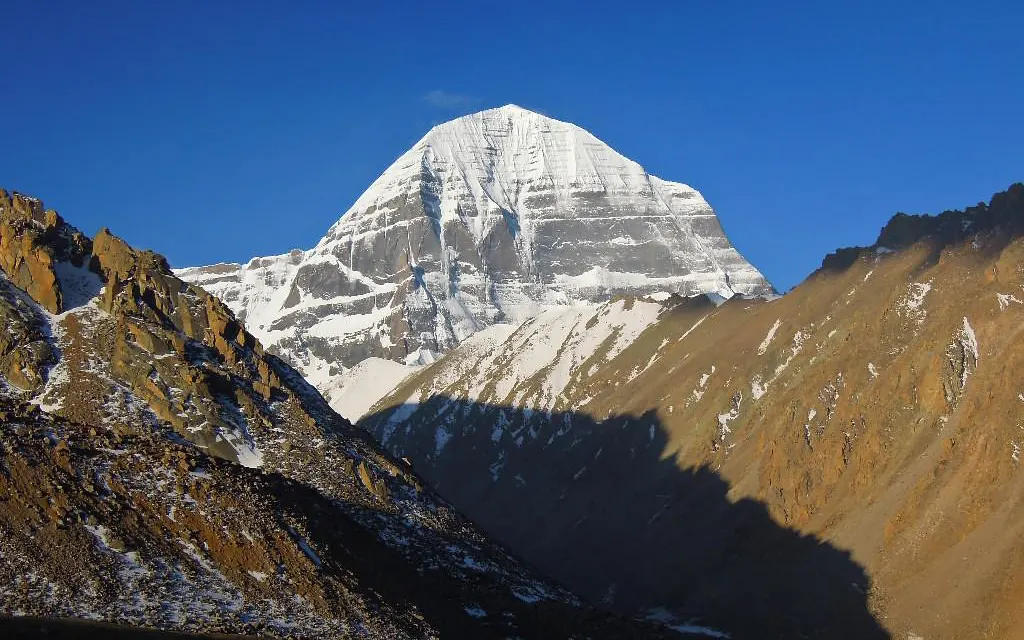
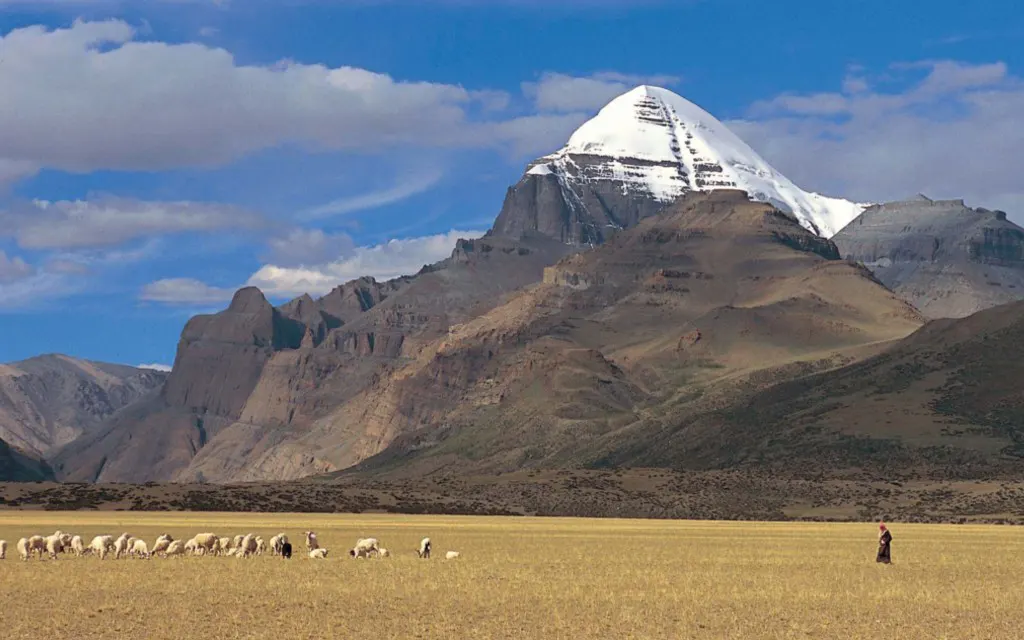
Mount Kailash and Lake Mansarovar are some of the holiest pilgrimage sites in the world, which every year receive thousands of religious followers and spiritual seekers. Mount Kailash is a mountain in the remote western part of Tibet, with a height of about 6,638 m (21,778 ft), and is worshipped by the people of various major religions. Lake Mansarovar is one of the highest freshwater lakes in the world, is located just south of the mountain at an elevation of approximately 4,590 m (15,060 ft). These sacred places are surrounded by breathtaking Himalayan landscapes, and they are a symbol of purity, enlightenment, and spiritual power.
Mount Kailash is believed to be the home of the goddess Parvati and Lord Shiva among Hindus. It is the house of Demchok according to Buddhists, which symbolizes supreme bliss. Jains believe that it was the place where the first Tirthankara, Rishabhdev, gained liberation. The Kailash is also the main object of worship by the followers of the Bon religion. Such a strong attachment to various religions renders the Kailash Mansarovar Yatra one of the most important spiritual journeys in the world.
Every year, thousands of pilgrims undertake this sacred pilgrimage seeking spiritual growth, inner peace, and a stronger connection with their faith. Out of the time of year one can travel, May and June are considered the most favorable months of the year to travel. These months are the start of the official pilgrimage season, which has more favorable weather, better accessibility, and views of the mountains.
Most of the tourists prefer the Kailash Mansarovar Yatra in May or June due to relatively good conditions and stunning Himalayan scenery. This guide will show you all you need to know, such as the weather, prices, preparation, packing, permits, safety guidelines, and frequently asked questions, so that you can plan a safer and better pilgrimage experience.
Why Choose May or June for Kailash Mansarovar Yatra?
Official Yatra Season Begins
Among the key factors that make travelers choose the Kailash Mansarovar Yatra in May or June is that these are the months when the official pilgrimage season commences. In winter, the weather conditions and heavy snowfall hinder access to the Kailash region. When the weather warms up in late spring, routes are slowly reopened, and transport becomes more predictable.
It is at this time that government officials and tour operators usually start to arrange regular departures. The crossings at the borders become more convenient, the accommodation facilities are reopened after winter, and the logistical arrangements become a lot better. This simplifies and predicts travel planning as compared to previous months. As a result, Kailash Mansarovar Yatra in May becomes a popular choice among pilgrims eager to begin their spiritual journey at the start of the season.
The infrastructure in major pilgrimage routes is also better equipped to handle the incoming visitors. This includes support personnel, guides, drivers, and local service providers who come to work and assist in making the pilgrimage a smoother experience.
Pleasant Weather
When planning the most appropriate time to do the yatra, weather is a key factor. The temperatures of the days in May and June are more comfortable in most parts of the route than those of early spring.
Conditions during the day usually enable travelers to move freely as they appreciate the scenery around. Even though nights are chilly owing to the high-altitude climate, the temperatures are typically not as harsh as in winter.
A second benefit is that there would be a lower probability of extreme snowstorms. Although occasional snow may still be present at higher elevations, longer periods of winter conditions are less prevalent. This helps to make traveling safer and the trekking conditions more stable. These favorable conditions are one reason why many travelers choose Kailash Mansarovar Yatra in June.
Better Road Conditions
The accessibility of roads is much better in May and June. There is a reduction in snow falling on mountain passes, enabling vehicles to pass through major routes more effectively.
These months are really good since the roads are considered clear and safer, so travelers planning the overland route across Nepal and Tibet consider these months to be especially favorable. Though mountain travel is always connected with certain uncertainty, weather-related shutdowns are not as common as in colder seasons.
Improved roads also minimize delays during travel and thus make the planning of itineraries more certain. Pilgrims will be able to concentrate more on their spiritual experience and less on their transportation uncertainties. This improved accessibility also benefits travelers booking a Mount Kailash tour in May.
Scenic Beauty
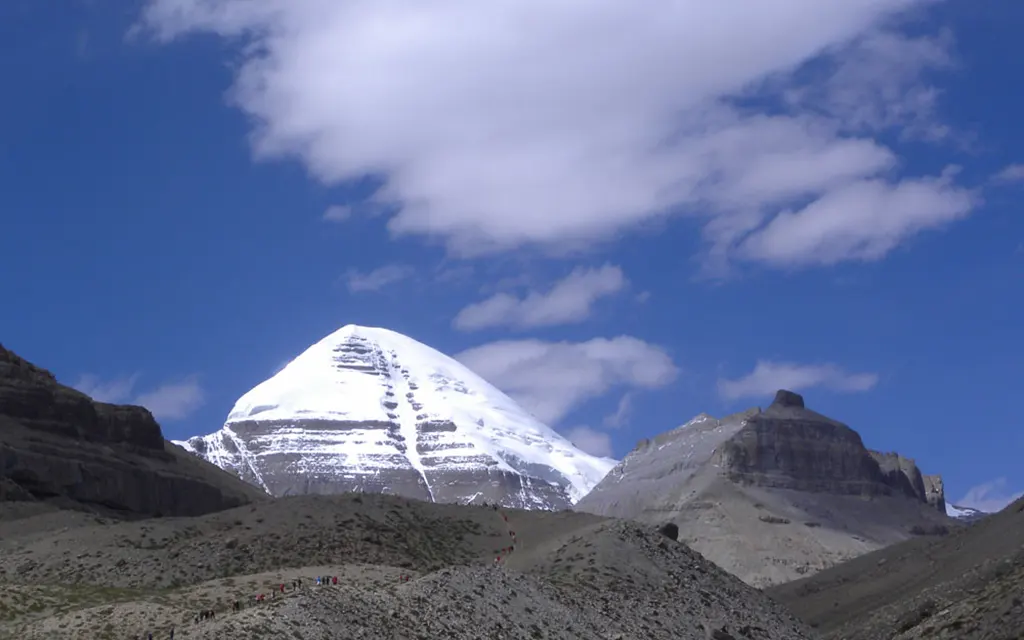
May and June are particularly impressive months in the Kailash region due to the natural beauty of this area. The snowy mountains can be seen in most parts of the landscape, which gives an epic view during the trip.
The skies tend to be exceptionally clear and give a great view of the mountains and valleys around. That is why this season often becomes the subject of pilgrimage for photographers and nature lovers.
Most of the areas in the Himalayas that are located at low altitudes experience spring and early summer when alpine vegetation is in bloom, adding color and vibrancy to the landscape.
These dramatic landscapes make the pilgrimage more spiritual for many pilgrims. The physical beauty of the place frequently becomes a significant component of the whole experience making a Kailash tour in June an appealing option for travelers seeking both spiritual fulfillment and spectacular Himalayan scenery.
May vs June: Which Month is Better?
The decision to travel in May or June mostly lies in individual preferences, travel ambitions, and comfort levels. Both months are good, but each possesses a certain advantage.
| Factor | May | June |
| Temperature | Cooler | Slightly warmer |
| Rainfall | Lower | Slightly higher, especially late June |
| Crowd Level | Moderate | Higher |
| Visibility | Excellent | Very good to excellent |
| Cost | Often slightly lower | Can be slightly higher |
| Photography | Outstanding snow scenery | Excellent landscape diversity |
| Trekking Conditions | Cooler and drier | More comfortable temperatures |
| Best For | Photographers and early travelers | Families and group pilgrims |
Weather Comparison
The temperatures are usually cooler in May along the route. Tourists will find clear mornings, cold evenings, and rather dry weather. Most of the neighboring peaks still have snow on them, adding to the dramatic Himalayan views.
June is a little warmer during the day, and this is much more comfortable for a lot of travelers. But as the month moves, we can expect occasional rain showers in some lower areas of the trip, especially around the Nepal border areas.
Both months have the appropriate weather to do pilgrimage activities, although those who like cooler weather can choose the month of May. This is one reason why Kailash Mansarovar Yatra in May is popular among travelers seeking crisp mountain weather and excellent visibility.
Crowd Comparison
June usually marks an increase in the number of pilgrims. Most travelers plan their trips during school holidays and vacation times, which increases the number of departures of groups.
May is not too congested, particularly in the first half of the month. Visitors who want a less busy experience can enjoy the fewer number of visitors. Neither month is as congested as some other major pilgrimage sites globally are.
Budget Comparison
Prices may change according to demand, availability of operators, the choice of routes, and the quality of accommodation.
The overall Kailash Mansarovar cost is often slightly lower for May departures due to comparatively lower demand. The package rates could go up slightly as June becomes more favorable to travelers.
The airfares, accommodation charges, and the availability of services can also vary according to the seasonal demand. Pilgrims who prepare their trip early always get better rates irrespective of the month they choose.
Best for Senior Citizens
The advantage of stable weather, comfortable temperatures, and transportation is usually enjoyed by senior travelers. The fact that June is a bit warmer can be more comfortable for some of the older pilgrims.
Nevertheless, the elderly need to pay attention to appropriate acclimatization instead of paying attention to weather. Still, the main challenge is the extreme altitude, which is the same no matter what month it is.
Older participants should be carefully medically consulted and allowed time to adjust to elevation.
Best for Adventure Travelers
May is a time of year that adventure seekers enjoy due to the cool climate, visibility, and clear mountain views. This is a good time in terms of photography.
Trekkers who like dramatic Himalayan vistas often find May particularly attractive. The snow that lingers on the nearby peaks offers beautiful scenes throughout the journey.
The Kailash Kora is memorable during the clear skies that are usually present in May. These conditions also make a Mount Kailash tour in May highly appealing for adventure-focused travelers.
Final Verdict
When it comes to comparing May and June, there is no generally ideal answer. The two months are good for pilgrims and are often considered excellent choices for the Kailash Mansarovar Yatra in May or June.
Photographers, nature enthusiasts and early-season travelers often prefer May because of the quieter conditions. June is also attractive to families, larger pilgrimage groups, and those who enjoy slightly warmer days.
Most travelers can have a spiritual experience of a lifetime in either month. The most appropriate decision would be the one that is determined by personal preferences, the possibility to manage time, and travel priorities.
Detailed Itinerary
Day 01: Kathmandu Arrival
You will arrive Kathmandu where you will be welcomed and taken to your hotel. The first day is spent mostly settling down and getting ready to the journey of pilgrimage. Once you have checked in, you can rest and rejuvenate after your travelling. Dinner will be served in the evening, and you will have the opportunity to get acquainted with fellow travelers before starting the adventure.
Distance: 10 km / Duration: 1 hours / Highest Altitude: 1,400 m (4,593 ft) / Meals: Dinner / Activity: Arrival
Day 02: Pashupatinath Darshan, Boudhanath Stupa, Sleeping Vishnu
Today is spent in sightseeing some of the most vital religious places in Kathmandu. You are going to visit Pashupatinath Temple, Boudhanath Stupa and Sleeping Vishnu. These religious sites give one a chance to explore the rich spiritual culture of Nepal before proceeding to Tibet. The visits will be completed, and you will spend the night in your hotel.
Distance: 25 km / Duration: 6 hours / Highest Altitude: 1,320 m (4,330 ft) / Meals: Breakfast and Dinner / Activity: Sightseeing
Day 03: Drive to Nepal–China Border (Rasuwagadhi or Kodari)
Following a breakfast, you will drive out of Kathmandu and start the trip to the Nepal-China border. The pilgrimage is marked by the journey, which follows mountain roads and is the beginning of overland part of the pilgrimage. As the scenery is becoming more and more like the urban one, as you approach the border, it is becoming more like the Himalayan one. On arrival, preparations will be made to cross into Tibet.
Distance: 145 km / Duration: 7 hours / Highest Altitude: 1,800 m (5,906 ft) / Meals: Breakfast, Lunch and Dinner / Activity: Drive
Day 04: Drive to Kerung
Today, you will proceed to Kerung which is at an altitude of (2,800 m / 9,186 ft). This part of the road will lead you further into the Tibetan Plateau. The landscape around becomes more open and dramatic as you rise in altitude. At Kerung you will be able to have a rest and start to acclimatize to the elevated level.
Distance: 105 km / Duration: 5 hours / Highest Altitude: 2,800 m (9,186 ft) / Meals: Breakfast, Lunch and Dinner / Activity: Drive
Day 05: Nyalam or Kerung Rest Day
This is the day of rest and acclimatization and then on to higher altitudes. An extra day will give your body more time to adapt to the thinner air and variable conditions. The day is at your own pace, and you can save on energy, and get ready to the next stages of pilgrimage. To travel comfortably in the future, it is good to be properly acclimatized.
Distance: 0 km / Duration: 0 hours / Highest Altitude: 2,800 m (9,186 ft) / Meals: Breakfast, Lunch and Dinner / Activity: Acclimatization
Day 06: Drive from Kerung to Saga
You will start off after breakfast at Kerung, and proceed in your overland journey to Saga. The path slowly ascends to elevated levels as you go through the Tibetan Plateau. As you drive, the expansive landscapes and distant scenery that define this region will come into view. On arriving at Saga at an altitude of (4,450 m / 14,600 ft), you will check in to your place of stay and rest overnight.
Distance: 230 km / Duration: 6 hours / Highest Altitude: 4,450 m (14,600 ft) / Meals: Breakfast, Lunch and Dinner / Activity: Drive
Day 07: Drive from Saga to Lake Mansarovar
Today, you will be transported by car to Saga to the sacred Lake Mansarovar, which is considered to be one of the most sacred pilgrimage sites in the area. The trip is of about 500km into the expansive Tibetan landscape. When you reach Lake Mansarovar with an altitude of (4,558 m / 14,954 ft) you will be able to see the serene environment of this sacred lake. The rest of the day is used to relax and get ready to do the pilgrimage activities.
Distance: 500 km / Duration: 8-9 hours / Highest Altitude: 4,558 m (14,954 ft) / Meals: Breakfast, Lunch and Dinner / Activity: Drive
Day 08: Puja at Lake Mansarovar and Drive to Tarchen
Today, you will be a part of puja and spiritual practices close to the sacred waters of Lake Mansarovar. When you have finished the religious ceremonies you will proceed by the road towards Tarchen, the commencement of the Kailash Kora. Tarchen is the chief pilgrim base where pilgrims are ready to complete a circumambulation around Mount Kailash at about (4,565 m / 14,975 ft). Once here, you will sleep and prepare last minute arrangements in regard to the journey ahead.
Distance: 40 km / Duration: 1-2 hours / Highest Altitude: 4,565 m (14,975 ft) / Meals: Breakfast, Lunch and Dinner / Activity: Drive and Pilgrimage Activities
Day 09: Trek from Tarchen to Dirapuk
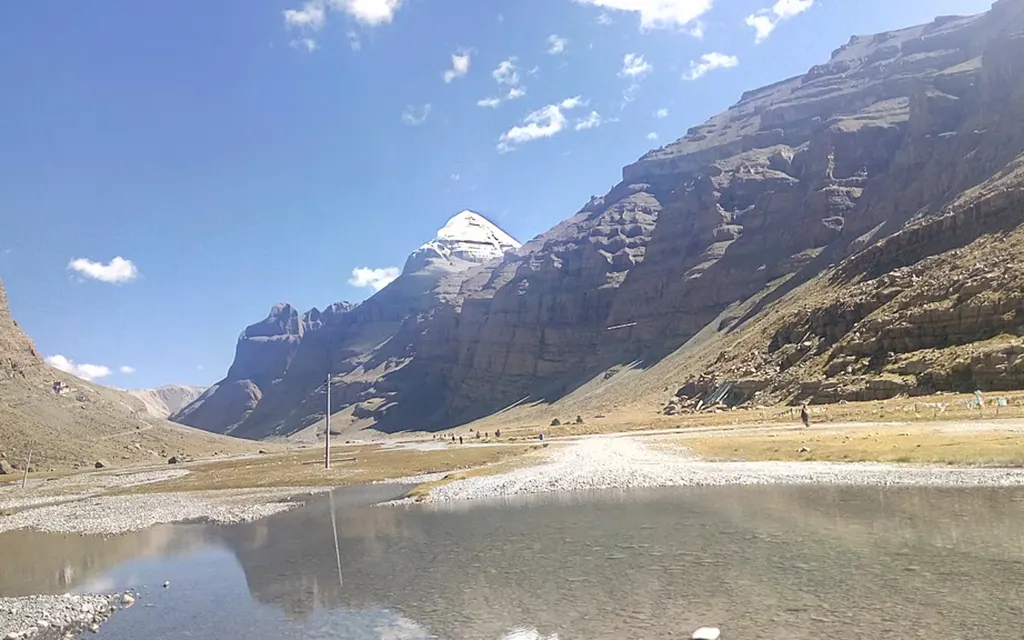
Today you are to walk out of Tarchen to Dirapuk. It is the opening day of the sacred Kailash Kora, and starts on a slow path to the north of the mountain Kailash. When walking, you will be able to see spectacular scenery of the surrounding environment and the sacred mountain. When you arrive at Dirapuk (around (5,000 m / 16,404 ft)) you will lounge about in the guesthouse and sleep.
Distance: 20 km / Duration: 6-7 hours / Highest Altitude: 5,000 m (16,404 ft) / Meals: Breakfast, Lunch and Dinner / Activity: Trekking
Day 10: Trek from Dirapuk to Zuthulpuk via Dolma La Pass
The path you follow today leads you on through Dolma La Pass to Zuthulpuk, where Dirapuk is. This is the most challenging and rewarding day of the Kailash Kora. The path leads up Dolma La Pass at around (5,630 m / 18,471 ft) the highest point of the pilgrimage, and then down to Zuthulpuk. This is because the day involves constant walking and patience because of the elevation. When you are through with the trek, you will stay the night in a guesthouse in Zuthulpuk.
Distance: 22 km / Duration: 9-10 hours / Highest Altitude: 5,630 m (18,471 ft) / Meals: Breakfast, Lunch and Dinner / Activity: Trekking
Day 11: Trek from Zuthulpuk and Drive to Saga
You will take up the last part of Kailash Kora of Zuthulpuk in the morning. The path leads up to the point where the hiking part of the pilgrimage ends, slowly. Once you have completed the trek, you will join your vehicle and travel by road to Saga. On arrival, you will be able to rest and be able to think of the achievements of completing the holy circle around Mount Kailash.
Distance: 12 km trekking + 470 km drive / Duration: 3 hours trek + 7 hours drive / Highest Altitude: 4,790 m (15,715 ft) / Meals: Breakfast, Lunch and Dinner / Activity: Trekking and Drive
Day 12: Drive from Saga to Kerung
Following breakfast, you are going to leave Saga and commence the drive back to Kerung. The path goes back to the path across the Tibetan Plateau, and it is another chance to observe the huge mountainous landscape and open spaces. The environment slowly becomes different as you go down to a lower altitude. Once you arrive at Kerung (2,800 m / 9,186 ft), you will be admitted to your place of stay and take a break in the evening.
Distance: 230 km / Duration: 6 hours / Highest Altitude: 4,450 m (14,600 ft) / Meals: Breakfast, Lunch and Dinner / Activity: Drive
Day 13: Drive from Kerung to Kathmandu
You will leave Kerung today and ride back towards Kathmandu. Once the formalities are done at the border, the trip takes off on the mountain roads that lead to the Nepal capital city. The landscape turns into less populated regions as the altitude becomes low Himalayan. After reaching Kathmandu, you will be checked into a hotel and spend your last evening in Kathmandu, the pilgrimage journey.
Distance: 145 km / Duration: 7-8 hours / Highest Altitude: 2,800 m (9,186 ft) / Meals: Breakfast, Lunch and Dinner / Activity: Drive
Day 14: Final Departure from Kathmandu
Today your pilgrimage to Kailash Mansarovar ends. You will be relocated to the airport to continue your flight, depending on your timetable. Now is the time to look back and capture the experiences, spiritual experiences and memories that have been collected during the trip. Your next destination will be Kathmandu, where you will be dropped off at the airport after which you will proceed to the next destination.
Distance: 6 km / Duration: 0.5 hours / Highest Altitude: 1,400 m (4,593 ft) / Meals: Breakfast / Activity: Departure
Weather Conditions in May and June
Weather patterns are one of the most significant factors to be considered in Kailash Mansarovar Yatra in May or June. The climate of the area is severe year-round and high, though May and June are usually the most predictable months before the summer season hits its high.
Because a considerable portion of the trip occurs above 4,000 m (13,123 ft), tourists need to be prepared to experience considerable changes in temperature between day and night. Although the sun may be warm in the daytime, temperatures can plummet quickly after sunset.
Average Weather Conditions
| Weather Factor | May | June |
| Average Day Temperature | 8°C to 15°C | 10°C to 18°C |
| Average Night Temperature | -5°C to 2°C | -2°C to 5°C |
| Wind Conditions | Moderate | Moderate to Strong |
| Snow Possibility | Moderate at higher passes | Low to Moderate |
| UV Exposure | Very High | Very High |
| Oxygen Availability | Low due to altitude | Low due to altitude |
Day Temperature
In May, the daytime temperatures are usually between 8°C and 15°C; however, sunshine causes the temperature to feel warmer on walking parts. Temperatures normally increase in June, and in certain regions they may even hit 10°C to 18°C.
These temperatures may seem comfortable on paper, but because of the high altitude, weather conditions may be more pronounced. Even on sunny afternoons, travelers need to always carry extra layers.
Night Temperature
The temperature at night is still cold during the two months. At elevated camps and around Mount Kailash, the temperatures may drop below freezing during the evening.
Tourists who book in guesthouses or simple accommodation must anticipate cold nights and early mornings. Having adequate thermal attire and sleeping facilities is important in ensuring comfort when on pilgrimage.
Wind Conditions
The Tibetan Plateau is characterised by strong winds. During the afternoon, noticeable wind may be observed in open landscapes around Lake Mansarovar and some parts of the Kailash Kora.
Even with comparatively warm temperatures, wind can make one feel colder. Windproof outer garments are thus important for the Kailash Mansarovar Yatra in May or June.
Snow Possibility
In May, snowfall can still occur, especially in high-altitude areas like Dolma La Pass, which is around 5,630 m (18,471 ft). The month of June normally has less snowfall, but there may be unexpected changes in the weather.
Pilgrims are to be open-minded and adhere to local recommendations on the situation of the routes. These conditions are important to consider when planning a Kailash Mansarovar Yatra in June, as weather patterns can still change quickly at higher elevations.
UV Exposure
The intensity of ultraviolet radiation is one of the factors that is underrated by first-time visitors. The high elevation coupled with decreased density of the atmosphere produces very intense UV exposure.
Even on cool days, sunburn can occur quickly. Quality sunglasses, sunscreen, and protective clothing are thus necessary.
Oxygen Levels
Limited oxygen supply is the most challenging environmental factor. Oxygen levels in places like Lake Mansarovar at about 4,590 m (15,060 ft) and Dolma La Pass at about 5,630 m (18,471 ft) are much lower than at sea level.
The most important factors in decreasing the risk of altitude-related diseases include proper acclimatization, hydration, and slow movement. Learning about these conditions is an essential aspect of the Kailash Mansarovar Yatra in May or June.
How to Prepare for the Journey
One of the largest contributors to the success and pleasure of a pilgrimage is preparation. Although the yatra does not involve technical climbing skills, the high altitude and extreme conditions during travel necessitate proper preparation.
Physical Preparation
The majority of travelers enjoy the advantage of engaging in their fitness training at least two to three months prior to traveling. Frequent 45- 60-minute walking can also help enhance stamina and condition the body for long days of work.
Exercises like jogging, cycling, and swimming help the heart and lungs become stronger, thus adapting easily to the reduced oxygen levels. Climbing stairs is also strongly encouraged, as it imitates the uphill trekking and contributes to the strength of the legs, stamina, and fitness in general towards the pilgrimage.
Mental Preparation
The pilgrimage should also focus on mental training, as much as on physical fitness. Weather changes, simple accommodation, extensive travel days, and delays should be expected by the travelers. At high altitudes, the conditions may lead to short-term discomfort such as fatigue and headache during the acclimatization process.
Learning about them beforehand is useful to eliminate stress and frustration. As the yatra is seen by many as a spiritual experience, but not a holiday, patience, flexibility, and a positive attitude can help to make the experience more meaningful and rewarding.
Medical Preparation
Before making a reservation for the pilgrimage, it is highly advisable to have a full health check-up. Heart patients, patients with serious respiratory illnesses, uncontrolled hypertension, and other significant medical issues should visit a competent doctor before traveling. Health information about the risks associated with altitude and recommended medications is also significant.
Individual prescription medicine ought to be packed in sufficient amounts throughout the journey. It can also be useful to keep copies of medical records, prescriptions and emergency contact information. The Kailash Mansarovar Yatra in May or June requires some proper medical preparation.
Essential Packing List for May or June
Adequate packing can also go a long way in enhancing comfort and safety during the pilgrimage. The weather is not constant, and it can change very quickly; therefore, layered clothes are particularly significant.
Clothing
To be comfortable during the pilgrimage, layering is necessary. Wear thermal base layers, a fleece jacket to keep warm, and a warm down jacket when it is colder. An outer jacket that is waterproof, windproof, and fast-drying and fast-drying trekking clothes can be used to control the changing weather in the mountains.
Footwear
Good footwear is crucial, especially for the Kailash Kora. Use comfortable trekking shoes that are well broken in to avoid pain and injuries. Bring a few pairs of warm socks and comfy camp shoes or sandals to put on after long walks and travel days.
Accessories
Warm gloves, a wool cap, good-quality sunglasses, and sunscreen of high SP are necessary. These products can withstand cold conditions and intense UV radiation. It is also highly advisable to use walking poles, particularly when walking over steep roads and mountain passes.
Medicines
Bring personal prescription medicine, painkillers, bandages, antiseptic cream, and first aid, in a basic medical kit. Medical advice should be sought before taking altitude sickness medication. Travelers must not expect to find medicines locally because of the remote location.
Documents
Bring all the necessary travel materials such as your passport, visas, permits, travel insurance documents, passport photos, and emergency contacts. A digital backup of vital documents is an added backup and reassurance during the pilgrimage.
Packing Checklist
| Category | Essential Items |
| Clothing | Thermals, fleece, down jacket, waterproof jacket, trekking pants |
| Footwear | Trekking boots, warm socks, camp shoes |
| Headwear | Wool cap, sun hat |
| Accessories | Sunglasses, sunscreen, walking poles |
| Medicines | Personal medication, first-aid kit, prescribed altitude medicine |
| Documents | Passport, visa, permits, insurance papers |
| Electronics | Power bank, charger, camera |
| Personal Items | Water bottle, toiletries, snacks |
One of the most significant parts of Kailash Mansarovar Yatra in May or June is careful packing, since after starting the journey, supplies may be limited.
Cost of Kailash Mansarovar Yatra in May or June
The prices of pilgrimage differ according to the route chosen, the size of the group, the standard of accommodation, mode of transport, and services of the operator.
The tourists are advised to plan on how much they will spend on a tour package, insurance, equipment, personal expenses, and unexpected costs.
Estimated Cost Breakdown
| Expense | Estimated Cost (USD) |
| Yatra Package | $2,500 – $5,500+ |
| Visa and Permit Fees | $150 – $500 |
| Travel Insurance | $100 – $300 |
| Gear and Equipment | $200 – $800 |
| Personal Expenses | $100 – $500 |
The group tours tend to be cheaper since travel, permits, lodging, and guide services are divided among the participants. They also attract pilgrims who want to have friends and get logistical convenience.
The personalized services and more flexibility of the tours come at a higher price since the tours are usually priced higher in the case of the private tours. These alternatives can target families, older travelers, or those who want personalized itineraries.
Budget planning must have contingent funds to handle emergencies, extra accommodation, or schedule alterations. By starting planning for your Kailash Mansarovar Yatra several months before May or June travelers are more likely to receive higher package rates and have a greater selection of departure options.
Permits and Documents Required
Several documents and permits are needed to visit Mount Kailash and Lake Mansarovar. The requirements might be different based on nationality, the route taken, and existing government regulations. The travelers must have a valid passport that has a minimum remaining validity of six months, and the required entry visa and permits for the Tibetan Region. The medical certificate that proves that one is fit to travel at high altitude is also necessary for many tour operators.
Extensive travel insurance including medical emergencies, evacuation, and disruptions to the trip is highly advisable. Given the possibility of changing regulations, tourists ought to check before traveling by seeking consultation with licensed operators and authorities. The Kailash Mansarovar Yatra in May or June requires proper documentation.
Challenges During May and June Travel
Even though it is one of the best months to visit the pilgrimage, there are several challenges that the travelers should be prepared to face.
High Altitude
The most difficult is the altitude. A lot of the trail is above 4,000 m (13,123 ft), and the peak of the Kailash Kora is Dolma La Pass at around 5,630 m (18,471 ft). Gradual acclimatization, adequate hydration, proper rest, and not overexertion are the best solutions.
Cold Nights
Even in May and June, temperatures drop to below freezing at night. Thermal wear, insulated jackets, layered clothing, and good sleeping arrangements can be used to solve the cold conditions.
Sudden Weather Changes
The weather of the mountains changes quickly. Strong winds, snow, or rain may soon follow the sunshine. Dressing in waterproof garments and having flexible expectations during travelling will help decrease the inconvenience.
Long Driving Hours
The trip usually includes long road means transportation in remote areas. These long travel days can be made a bit easier through frequent stretching, hydration, and having a positive attitude towards them.
Limited Connectivity
Some areas may have limited or no internet connectivity and mobile coverage. One ought to be able to communicate with family members before travel and plan to spend some time without communication.
Effectively meeting these challenges is one of the main aspects of Planning Your Kailash Mansarovar Yatra in May or June and makes a significant contribution to the successful and safe pilgrimage.
Safety Tips for Pilgrims
The safety of this religious pilgrimage is very critical owing to the altitude, remote location, and unpredictable weather conditions in the mountains. To avoid the occurrence of altitude sickness, travelers are advised to be well hydrated, walk moderately and allow time for acclimatization. Alcohol should be avoided, as it may increase dehydration and disrupt adaptation to high altitudes.
To travel safely, it is necessary to follow the guidelines and support personnel. Layered clothing is used and it aids in regulating temperature during the day. Having emergency contacts, medical information, insurance information, and other essential documents is also an added security measure.
Who Should Travel in May?
May is the perfect season to capture images, enjoy nature, and for travelers who want to keep it quieter. The views after winter are always new, as the snow-white mountaintops form magnificent Himalayan scenes. Weather in Kailash Mansarovar Yatra in May is characterized by clear weather and good visibility; hence is a popular month to carry out photography.
The cold weather and the comparatively low numbers of people are also attractive to early pilgrims who prefer a serene pilgrimage. The serenity of the place means a lot to a lot of pilgrims and provides a sense of spirituality of the place, and a connection with the sacred environment that is more personal to the pilgrims.
Who Should Travel in June?
June is quite family-friendly, with bigger pilgrimage groups, and the traveler who wants a little higher daytime temperatures. The weather of Kailash Mansarovar Yatra in June is quite pleasant and has more structured tour departures than the beginning of the season. June is also very convenient for a number of travelers as a result of school holidays and vacation times.
The growing number of group departures leaves the possibility of sharing the spiritual experience with other pilgrims. June is usually a great month to travel because those who are interested in convenience, an energetic pilgrimage atmosphere, and the reliability of travel arrangements find it easy to make the trip.
Frequently Asked Questions
Is it the right season of Kailash Mansarovar Yatra in May?
The pilgrimage is thought to be best in May due to the stable weather conditions and clear mountain views coupled with beautiful snow-covered scenery.
Is June better than May?
June may not be superior to May because both months are also excellent and it is up to individual preferences and comfort levels.
What is the temperature during the yatra?
The average temperature is between 8 C and 18 C during the day, and evenings in higher altitudes might be cool to the extent of lowering to below freezing.
Are the elderly people able to participate in the yatra?
The elderly people are able to participate in the pilgrimage provided that they are healthy enough and well-prepared in physical and altitude challenges.
What is the height of the Mount Kailash and Lake Mansarovar?
Mount Kailash is approximated at 6,638 m (21,778 ft), whereas Lake Mansarovar is approximated at 4,590 m (15,060 ft).
What is the number of days of trip?
The trip usually takes 10-18 days, depending on the route and itinerary chosen.
What is the level of fitness needed?
The level of fitness should be moderate to comfortably allow walking, high altitude and long days of travel.
Do you need travel insurance?
Travel insurance is highly suggested since it offers coverage of medical emergencies, evacuations and unforeseen travel inconveniences.
What do I need to carry along to the pilgrimage?
The most important things to bring are warm layered clothes, hiking shoes, personal medication, travel documents and simple safety equipment.
What is the cost of Kailash Mansarovar Yatra?
The total prices are normally USD 2,500-USD 5,500 or even higher based on the route, services and accommodation that have been chosen.
Conclusion
The Kailash Mansarovar Yatra is not just a trip to the Himalayas, but it is a very spiritual one, involving religious belief, personal test, and incredible natural scenes. The most favored months to visit the pilgrimage are May and June due to the good weather, accessibility, and magnificent mountain views. The Kailash Mansarovar Yatra can only be successful in May or June after proper preparations, physical fitness, acclimatization, and proper planning.
A more meaningful and safer pilgrimage can be achieved through selecting a trusted tour operator, planning and organizing documents beforehand, and mentally and physically preparing to go on pilgrimage, helping the traveler to leave a lasting experience and spiritual inspiration that can last a lifetime.
Best Price Guaranteed, Easy to change Date, Instant Confirmation
Book This Trip Have Questions?
Talk to Expert
Meet Mr. Purushotam Timalsena (Puru), Nepal's best trek and tour organizer, who has been working in the Himalayas for more than 24 years.
WhatsApp/Viber +977 98510 95 800